Category: Travel Advice

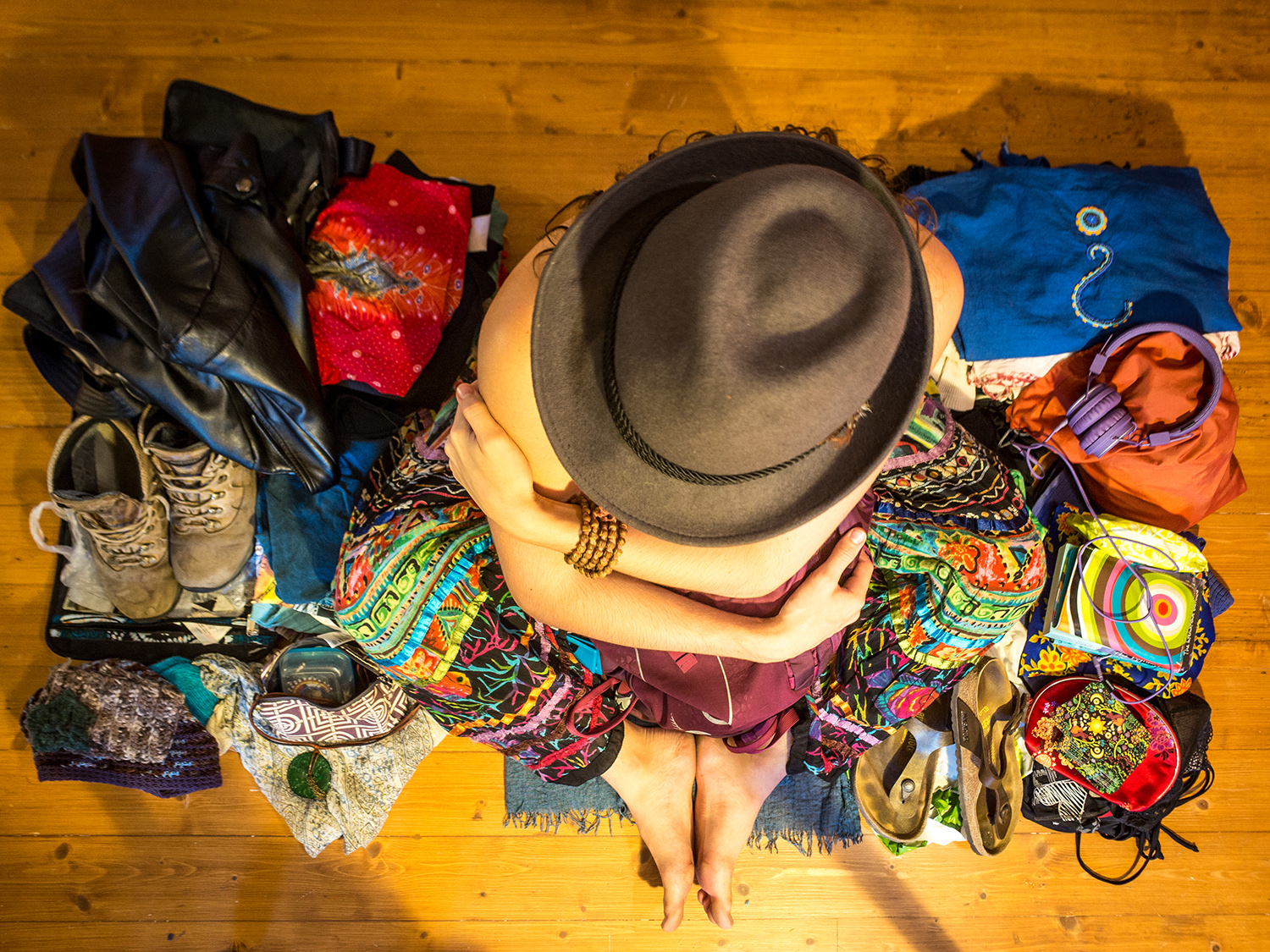
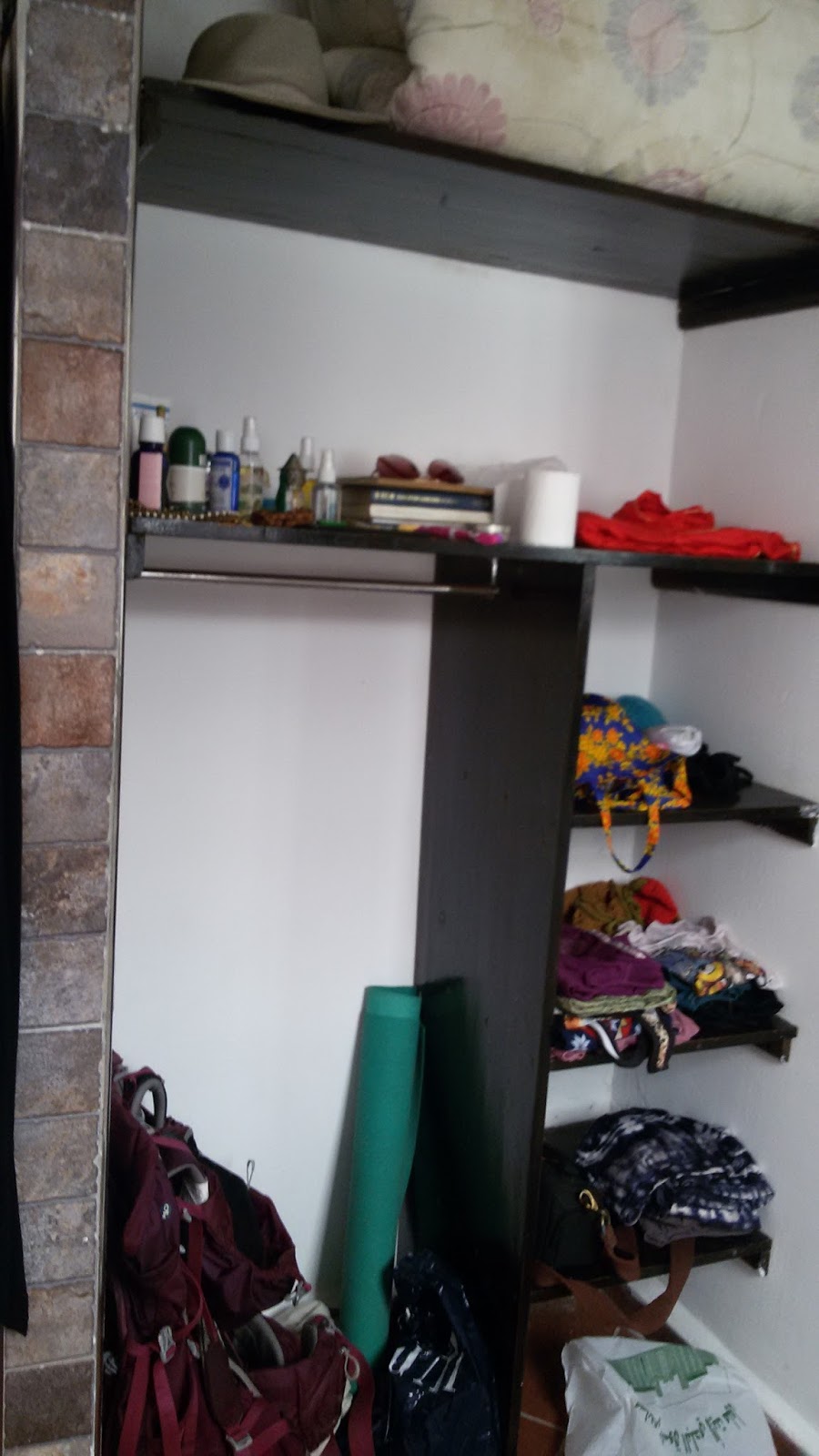
  • How to Pack One Bag for Life (What’s in my Backpack)

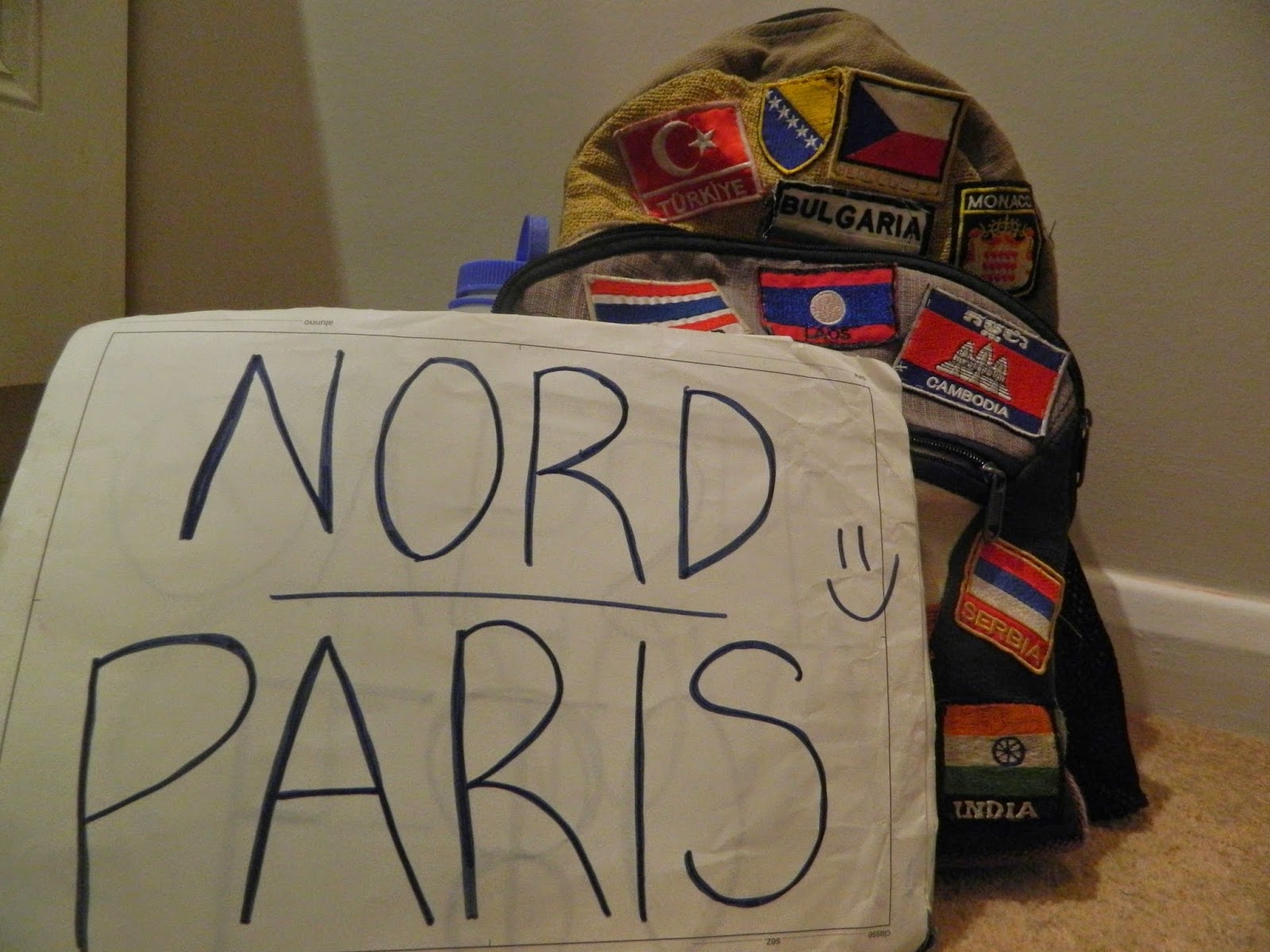
    It’s been two years that I’ve lived out of one bag.

    In two weeks I will take a second (small) suitcase with me to Cape Town, so I might as well write this while it’s still true.

    One of you lovely readers asked me what’s in my bag, and I’m glad you did, because packing lists are one of my favorite things to write. I’m serious. Growing up, I would start making my list weeks before family vacations; I started packing pretty far in advance, too. I’ve stopped making lists (but kept the habit of packing way too early), so this is a fun throwback.

    A few caveats:

    I chase the sun. If you expect your life to include winter, you’ll need more warm things.

    I have my hobbies, you have yours. Your “extras” will likely be completely different from mine.

    I leave things, give things away and pick things up near-continuously. It is useful to have friends and family, in whose basements, attics and closets you can leave things you don’t want to let go of but don’t want to carry with you (especially books). It is also useful to get used to giving away something old to make room for something new.

    I carry many extraneous items. I suggest it to you, too, even if it’s impractical. It’s the difference between going on vacation and carrying “home” with you.

    I will write this packing list like I write recipes—Italian style, not-too-specific, and with room for creative interpretation.

    I’ve split the following list into (I think) logical sections. I hope it may help someone pack for a nomadic existence, a long backpacking trip or an extended stint abroad. At the very least, I hope it will give you a glimpse into the very practical side of long-term vagabonding, and make you smile.

    One Bag for Life

    For when it gets chilly:

    • Bright blue wool socks for which your friends will mercilessly mock you
    • A shower-resistant outer shell (when it rains, you will wish it were rain-resistant too)
    • Bright blue fleece, because there’s no such thing as too much turquoise
    • Sturdy boots/shoes (right now I have trail shoes, but sometimes I opt for boots)
    • A sweater, preferably stolen from a friend

    For all the time:

    • 1 pair hiking pants
    • 1 pair yoga pants
    • 1 pair “Toby pants” (also known as harem pants by those who don’t know me)
    • 1 pair jeans/passably normal pants
    • X pairs socks and underwear (how many? it depends how often you want to do laundry…)
    • 5-6 shirts (some for hiking, some for exercise, and some for normal person-ing)
    • 1 bathing suit
    • Toiletries (pure argan, coconut or almond oil, natural bar soap, toothpaste, toothbrush, tea tree oil, natural deodorant, comb, nail clippers, lip balm, sunblock—yes, that’s it!)
    • First aid kit (which you will never use but carry around forever “just in case”)
    • Sunglasses and glasses
    • Passport, expired driver’s license, bank card, and other assorted bits of paper that sometimes come in handy
    • Birkenstock sandals
    • Reusable bags (for food-shopping, beach day-ing, or hanging on doorknobs to look at and wonder why you’re carrying so many extra bags)
    • Sarong, which serves equally well as scarf, towel and pillow cover

    Because I’m a woman who likes dresses:

    • 1 long skirt.
    • 2 dresses, neither of which are as practical as they should be, and one bright red

    Me-specific things (yours will be different):

    • Yoga mat (I’ve gone with Manduka’s travel mat—it doesn’t get any lighter, it also doesn’t get any less cushioned)
    • Climbing shoes
    • Dance shoes (the super lightweight practice kind—heels are heavy!)
    • Books (rotating; right now The Prophet by Kahlil Gibran, a book of Italian fairy tales by Carlo Collodi, and Bushido’s Way of the Warrior)
    • Notebooks and many, many pens (you will lend them to people and not get them back, so it’s good to have 5-10 on hand at any given time)
    • Laptop (for work; if you don’t work online, maybe skip the laptop—it’s a hassle)
    • Sleeping bag (and sometimes, but not right now, tent or camping hammock)

    Unnecessary but still important things:

    • A large quartz crystal
    • A large quantity of jewelry
    • A large camera
    • Smartphone (for staying up-to-date with loved ones and total strangers)
    • Gifts (for people in the next place you’re heading)
    • Oversized purple headphones
    • Smaller-sized purple headphones
    • Pretty scarves to put on top of ugly tables

    And just like every time I pack my bag, I feel like I’m forgetting something really, really important, but I haven’t left anything out, so that must be everything!

    The moral of this story? We actually can fit everything we need into one bag—for life, or at least for a few years. It’s probably going to be too heavy, and we’ll probably find ourselves missing variety (of shoes especially), but not nearly as often as we’d expect. We’ll get accustomed to accumulating more belongings when we pause for a while, and equally accustomed to shedding them when it’s time to move once again.

    The other moral: Good food is always money well spent. So are experiences. Our stomachs are like endlessly refillable backpacks, and our brains are like slightly leaky, endlessly expandable suitcases. Fill them.

    ***
  • It’s. A. Trap! (Fair Doesn’t Always Mean Equal)

    It’s. A. Trap! (Fair Doesn’t Always Mean Equal)

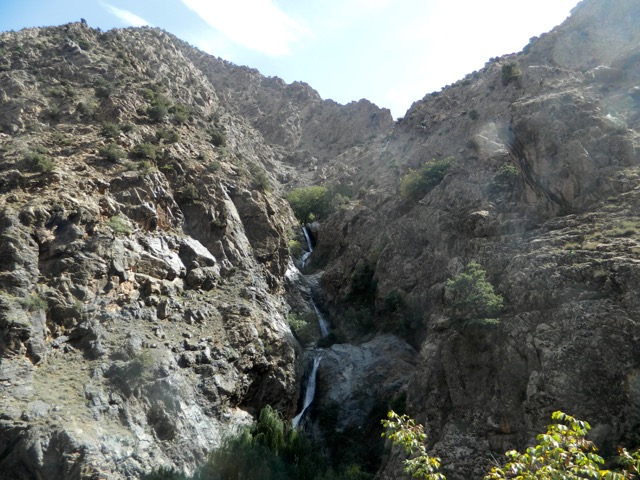
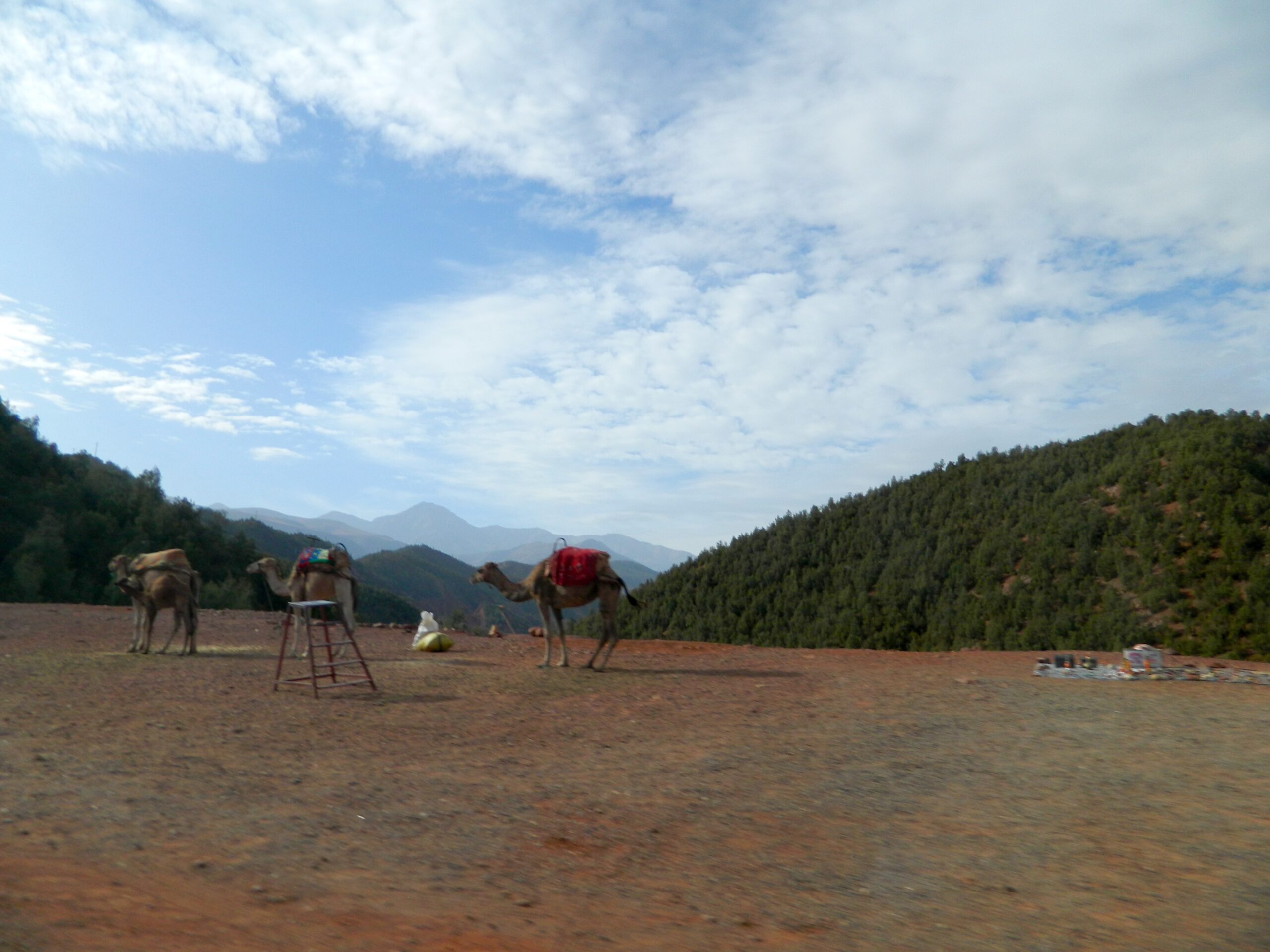
    Ourika Valley, near Marrakech, Morocco

    “Very good price. Very low. Better than free.”

    We’re standing outside the van on the road to Ourika Valley, a verdant, majority-Berber region about two hours from Marrakech, popular with tourists for its many waterfalls.

    A half-dozen camels on short tethers wait for curious tourists to approach. It’s well past 11 o’clock, but the sun is just making it over the mountains to warm the deep valley.

    The man speaking proffers a tangle of necklaces. Plastic. The artisanal products are waiting in well-planned shops, with tougher hagglers behind the counter. My companions for the day, a French couple from outside of Paris, laugh and tell him that’s a good marketing plan.

    In a way it is, but then…maybe not.

    You see, I don’t want anything for free (unless it’s a sincere gift). I don’t want the cheapest price (anymore). I want a fair price.

    And that’s a very different thing.

    Ostensibly we’ve stopped for photos, but the view was around the last bend, and we’re really here to have time to spend money. We’ll stop at three more tourist establishments (some would call them traps, but I won’t today and I’ll explain why soon) before actually reaching our intended destination.

    > The Argan Oil Cooperative. Smiling women sit outside the building grinding argan nuts into a paste, which will later be separated into cosmetic oil and the base ingredient for savon noir (black soap). They beckon us to sit beside them. Ashkid, ashkid. (Come, come.) You can take pictures, we’re told. No problem. There’s a dish in front of the women with a few dirham notes in it. We can leave money there.

    > The Berber House. A traditional Berber house, which I might have found more exciting had I not spent a great deal of the last five weeks visiting my Berber friends in their (yes) Berber Houses. We’re shown the kitchen, the store room, the family room, the hamam (bath) and the backyard. You can take pictures. No problem. On the way out, there’s a well-placed souvenir shop and a donation box for the welcoming Berber House family.

    > The Guide. We stop in the village near the waterfalls to pick up the guide. We haven’t asked for the guide, but the guide is going to come with us. He accompanies our small group halfway up the trail, to the first set of falls, and then tells us it’s time to turn back. When we insist on continuing, and he insists on not going back without us, I convince him to wait at the halfway-up cafe while we finish the hike.

    Now, I don’t like being forced to pay for things I didn’t ask for or want in the first place. I also don’t like not paying someone for work completed or services rendered. I don’t like feeling cheated out of my money. And I don’t like feeling I’ve cheated someone out of their fairly-earned money.

    Most people in the world would probably agree with those sentiments.

    I think all of these scenarios and concerns come down to the same fundamental issue: fairness. Fairness to local people working in the tourism sector, and fairness to tourists seeking to spend their money well (ethically, reasonably and in a way that feels good to them).

    So, what’s fair?

    I’m going to seriously oversimplify for a moment. The tourist-local marketplace dynamic—as I see it—breaks down like this:

    Tourists don’t want to feel ripped off or trapped. (That’s a low bar.) These things are traps: Telling someone to take a picture (no problem, pictures are free!), and then asking them to pay for it. Insisting someone take a bracelet as a gift—and then insisting they pay for it. Following someone through the souk, though they have clearly stated they do not want a guide—and then asking them to pay for it. (These are all common experiences for unsuspecting foreigners in Morocco.)

    Tourists do want to feel like they’re getting a good deal. Sure, some are pinching pennies, but most just want fair. Many, like me, will feel frustrated when they know an item’s market price, and then are asked to pay four times that because said item has been handily transported into a souvenir shop. They don’t want to pay “tourist prices.”

    Local people want to make a decent living. They see foreign tourists and assume (reasonably) that if they had enough money to pay for a plane ticket to Morocco, they also have enough money to pay a few dollars above market price for a bottle of oil, silver necklace, taxi ride, and everything else. They might also encourage (or push) said tourists to spread their money evenly—a few gifts at the Argan Cooperative, a dollar to the Berber House, a tip to the guide. From this perspective, those tourist establishments mentioned above are not traps, but simply an integral component of the day’s adventure.

    Some believe that tourists should pay tourist prices, because they can. And hey, I get where they’re coming from.

    Naturally, I also get where tourists are coming from. I’ve been pondering this a lot lately, and I think the fair solution is neither “equal” (tourists often do earn significantly more than the locals they’re buying from, so why shouldn’t they pay more too?), nor excessive (no one likes traps and cheating). Rather, it’s somewhere in the middle, where everyone is happy—or at least not pissed off.

    So, when buying abroad, keep three questions in mind:

    1. How much is this worth to me? (How much do I want to spend on it? Keep in mind, for perspective, what you would spend at home.)

    2. What is the “market price”? (What would this cost a local?)

    3. What can I afford? (What’s my budget for this day? Week? Holiday? Will this meal/souvenir/excursion put me over?)

    The “fair” price exists somewhere at the nexus of those three answers.

    Happy shopping!

    *** 

    And to justify this blog title:

    Youtube video
     

  • Strangers on a Train

    “We’re on our way to bible study,” says my friend. (He likes to make up stories, but let’s get real, who doesn’t?)

    It’s 10:00 pm, and we’re on the Circle Line, retracing our steps into Central London after hopping the wrong train. Across from us sits a young couple—friendly, talkative, and maybe a touch too willing to believe his absurd stories. They are sipping from a water bottle of vodka and fanta, on their way to a night out “raving.”
    Thus begins my Saturday night this past weekend. My friend alights at King’s Cross Station to head home, and I follow these strangers (soon to be friends) to Fabric, one of London’s most famous House clubs.
    We will meet another stranger on our way out of the Tube, and together walk to the venue. We will spend the next four or five hours dancing to some of the best House music I’ve heard in a year, adding new strangers (new friends) to our group as we went, and they will become, over the course of the night, no longer strangers.
    And all because we had all looked up across the aisle of a Circle Line train and said hello.
    A week prior, I went to meet my coworker in Oxford for the first time. On the trip home, the train was rush-hour packed—standing room only. Series of unexpected events, I found myself squished next to a fellow American; as foreigners are wont to do, we struck up a conversation, found it fascinating, and continued it over a particularly delicious dinner in Notting Hill.

    And all because I had asked (in my unmistakably American accent), “Is this the train to London?”
    When did we grow afraid of strangers? When did the popular wisdom for travelers shift from, trust the road and the good Samaritans who walk it, to, trust no one? When did two strangers—or four strangers—talking on the train become the exception, rather than the rule?
    I have an advantage, in that nothing about my thin five foot five frame and wide smile inspires fear or mistrust. There are fewer barriers for me to cross to arrive at the human beings inside their protective circles.
    Some of my most entertaining nights out, fascinating conversations and closest connections have occurred simply because I looked up and said hello. Though I occasionally forget and succumb to the comfortable bubble of my own world, I try to make a rule of talking to strangers—I have yet to regret it.
    And then, when you think about it, aren’t we all just strangers on a train?
    Busy watching for our station, looking out the window, or within, or anywhere but around us, we don’t realize that the train is it. There are no stations, no stops, and for all we know no destination.
    Our fellow passengers? We’re stuck with them—better hope they don’t smell—and we can make of that a party or a burden. The Buddhists will tell you the train is an illusion; the Jews will tell you it’s the only thing that’s real. One thing I know for certain: It’s what we make of the ride that counts.
    So we can either look up and say hello, and make the journey worthwhile, or we can keep staring at our shoes, waiting for the conductor to call our stop.

    Try saying hello to a stranger today and see what happens. Maybe they’ll tell you their life story. Maybe they won’t respond. Maybe that stranger will change your life—or your day, or your next ten minutes. But no matter what, isn’t it more interesting than your toes?

    ***
  • Traveling Light: “Only What I Can Carry” Photo Project

    Traveling Light: “Only What I Can Carry” Photo Project

    Saturday, October 3rd, 2015. Helsinki, Finland.

    [This is only an excerpt from a longer piece about this project written for elephant journal. For the full story please click here.]

    The afternoon sun is kissing the tops of the pines surrounding my friend’s house, and I am packing.

    I’ve had an idea in my head for months now, and seeing as I’m in no hurry for once, this seems like the perfect opportunity to realize it.

    I’ve been living out of my purple, 60-liter Osprey backpack for just under a year now. This is the second time I’ve done so, and I can pack in 10 minutes—15 tops—when needed.

    Today, though, I take my time to fold my clothing into neat piles and gather every last small belonging into a compact square in the center of the floor.

    I’m not exactly sure why, but taking stock seems important…

    The more I travel and the longer I wander, the better I understand how much I need, and how much I am able to carry. (And still, always, it is too much.)

    More and more, too, I recognize the difference between need and desire—the meaning of priorities. I don’t need even half of what I choose to carry with me. I do in fact need my laptop for work, and maybe a few changes of clothing and some warm layers.

    But my practice poi? Small bag of jewelry? Pretty shirts, oversized headphones and red lipstick? Indulgences and whimsy—and I know it…

    What I keep—I recognize I keep out of attachment, not out of necessity…

    This is only what I can carry.

    Some of it I need; some of it I want, but if it’s too much weight or doesn’t all fit, something has to go.

    This isn’t for everyone; hell, it may not always be for me. Nevertheless, this is a viable way to live, and—I believe—a powerful exercise in living simply.

    I hope these images might inspire you to try the same—even if it’s only for a walk around the block! 😀

    [This is only an excerpt from a longer piece about this project written for elephant journal. For the full story please click here.]

  • The Difference A Word Makes

    [Greetings from Nungwi, Zanzibar, my new home-for-the-moment! It was a tough choice, but I decided to switch tracks and will now be living here and teaching yoga for the summer. Come visit. J]

    ***

    Considering I will be here for so long, and mostly on my own, I decided my favorite method of dealing with unwanted attention and attempted sales—the “ignore and conquer” tactic—may not be my best option here. After all, I don’t really want to be that rude muzungu lady who never talks to anyone for three months (even if, secretly, I would be totally happy to have three reclusive months free of dealing with strangers).
    Instead, I’ve decided, I will engage. Stop to chat with, or at least greet, everyone. Practice my increasingly passable Ki-Swahili.
    And it’s amazing the difference a few words make. Knowing that “poa” is the response to “mambo,” the most common greeting. Even better, greeting with “mambo vipi,” a more colloquial version, rarely used by tourists.
    Five basic words of greeting are all it takes to distance myself from foreigners “fresh off the Zanzibar ferry.” The fact that I can hold an introductory conversation and explain that I am here to live and work, all in (broken) Ki-Swahili? Just icing.
    Being able to decline, politely, in Ki-Swahili when offered goods and services means I usually only need to say “no” once, rather than six or seven times. Already, I think I have probably avoided hours of pointless sales pitches for jet-skiing, fishing trips and spice tours.
    It is truly incredible to observe the difference a word or two makes. Some seem to appreciate my effort, smiling or laughing with good-natured surprise. Others just respond in English, but my language skills are far too rudimentary for me to take offense at that. Overall, the response has convinced me to share my experience here.
    To those traveling or living abroad who are tired of being treated as wallets (or breasts) with legs, try learning a few words of the local language. You’ll still stand out (and women, you’ll still be harassed), but you’ll also stand out from other tourists.
    You don’t have to be fluent—no one expects you to be—even ten words will often make a huge difference.

    Have you ever experienced the difference a word makes? What was it like?
    ***
  • Why Travel Should Be Stressful

    Why Travel Should Be Stressful

    The journey from Diani Beach (South Coast, Kenya) to Kilifi (North Coast) by public transport is long, sweaty and chaotic. (Indeed, going just about anywhere in Kenya is all of these things.)

    It involves a matatu(bus) to the main road, and another to almost-Mombasa. Each is filled to capacity, quite likely blaring rap music or Kenyan pop, and located only by navigating an insistent throng of taxi drivers, hangers-on of indeterminate employment and buses bound for every direction.

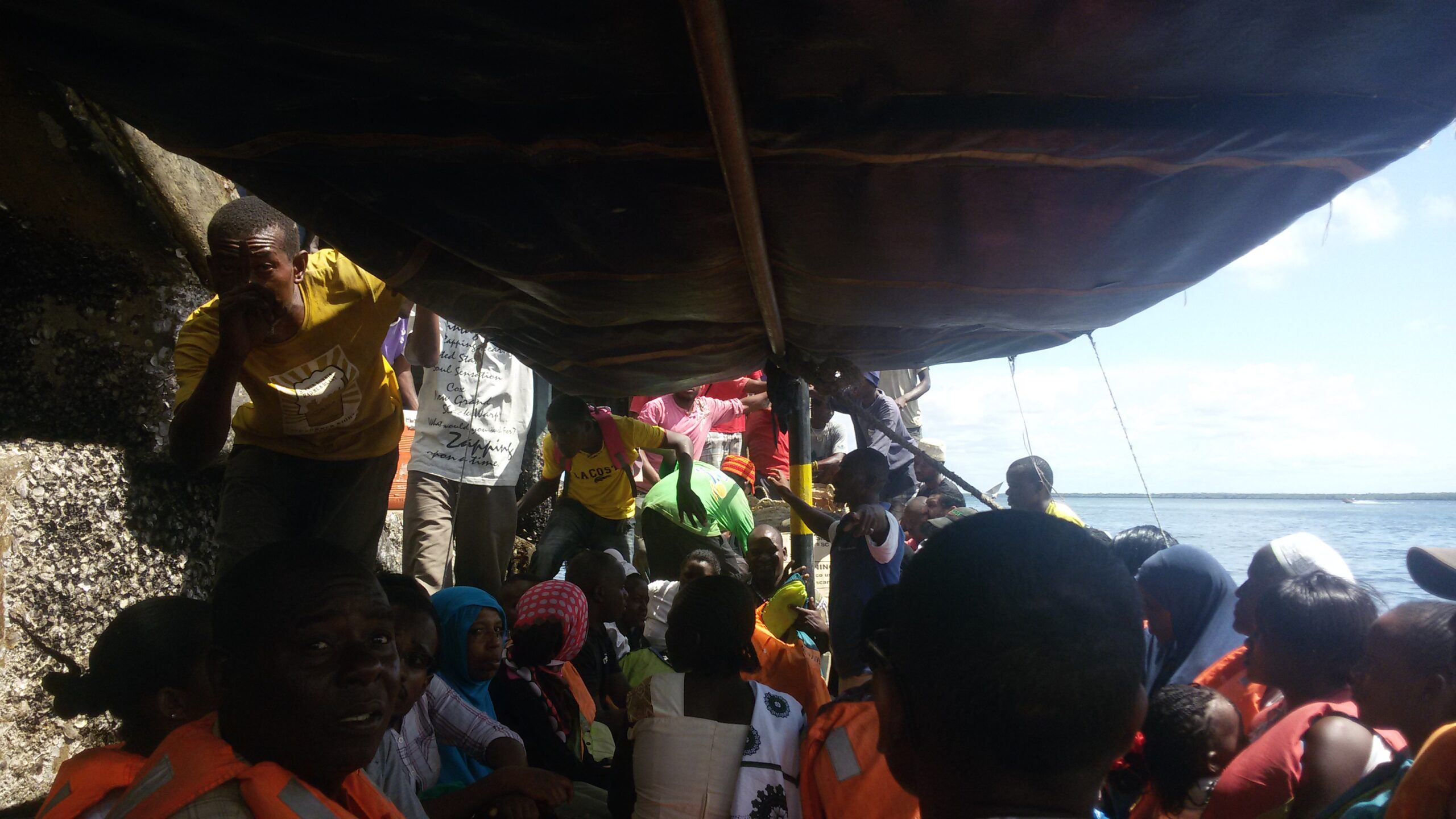
    A ferry packed end-to-end crosses into Mombasa proper—a sort-of island linked on most sides by bridges–and then, with luck, a coach bus may be waiting at the other side, saving an extra ride to the station. A man stands at the top of the ramp from the water shouting, “,Malindi-Kilifi-Malindi-Kilifi-Malindi-Kilifi,”without pause. In the crush of the crowd, one could hardly understand him.

    And it’s not over yet. The bus will let off in Kilifi Town, a 15+ minute tuk tuk ride from the Creek, and the Distant Relatives Ecolodge.

    We made this journey just over a month ago, and I have since settled into the easy tranquility of the lodge, the nearby beach and the comfortable isolation of the place. When I do go into town—relatively laid back when compared to Nairobi—I am thrown off by the sudden return to chaos, stares, noise and confusion.

    Thinking back to that trip from Diani, as well as the much longer odyssey from Western Kenya, I recall the sweat trickling down my spine as I sat wedged between two ample-sized women in the back row of a matatu, the weight of my purse on my thighs an added layer of heat. I remember the stillness of the air on the coach bus waiting for traffic to clear, the noise of the speakers just above my head, the inescapable midday sun over the ferry and the coating of grime that covered my skin by the time we reached Kilifi. And that was only a few hours.

    But that is, I believe, an essential part of travel.

    Comfortably ensconced in the coastal paradise I currently call home, I feel a decided aversion to the unpleasant harassment and disorder of going into town. I contemplate another day of bus journeys, sweat-soaked clothing and dirt-covered hair with reluctance. I am loathe to invite back the arguments and anxiety that naturally accompany reams of buses, unfamiliar routes and missed stops.

    But, if I left all that out of the equation, where would the challenge be?

    Stress has always, always been an inconsequential—yet, paradoxically, fundamental—footnote to my travels. Bumbling through Italy with my family—utterly lost; wandering the streets of Istanbul with my best friend, utterly lost; scouring Kolkata for a guest house alone, utterly lost. Anxiously running to catch trains; bartering for taxis, tuk tuks, motorcycles, often walking instead in stubborn frustration; searching for addresses, waiting for rides or fruitlessly seeking a quiet corner to regroup—stress and adrenaline saturating my blood.

    None of it is fun, and most of it gets pushed to the sidelines of our and rose-toned memories of voyages and adventures. But it is all travel.

    That stress means I am stretching the limits of my comfort zone, crossing boundaries and pushing myself to be both stronger and more pliant. No, I don’t like it, and sometimes I allow it to get the best of me, but stress should be a (manageable, eventually forgettable) part of travel.

    If travel isn’t just a little stressful at times, and all-out infuriating at others, then what is it? Because if it’s too easy, then it isn’t challenging; and if it isn’t challenging, then I’m not learning or growing as much as I could.

    I’ll take sweat, stress and anxious searching over stagnation any day… When’s my next bus ride?

  • The Gift

    Several days ago, I sat in a matatu (bus) plying the main road of Diani, Kenya. On my way to Diani Beach Hospital for a precautionary Malaria test (I don’t have malaria, Mom, you can exhale).
    A muzungu (a sight far more common on the coast than it had been upcountry) boarded several stops after. Hale and tan in the way that Northern Europeans tan—russet, rather than gold—he must have been around 70. His thick white hair and beard shone starkly amongst the rows of shaved Kenyan skulls.
    He sat by the door, and when we stopped to let off passengers, he held out a coin (50 kesh—50 cents—, I think) to a small boy a few yards away.
    A man carried the boy over to accept the gift. As the matatu began to roll away, the white-bearded man said in a thick (Dutch?) accent, “It’s for him [the boy]! Not you—him!” Thus ensuring that his gift would not fall into other hands, he sat back, satisfied.
    This foreigner bestowed his gift with the ease of frequent practice. His manner brought to mind other tourists I have seen in other places, of a similar ilk.
    Simply put, something about the gift—or rather, its giving—bothered me.
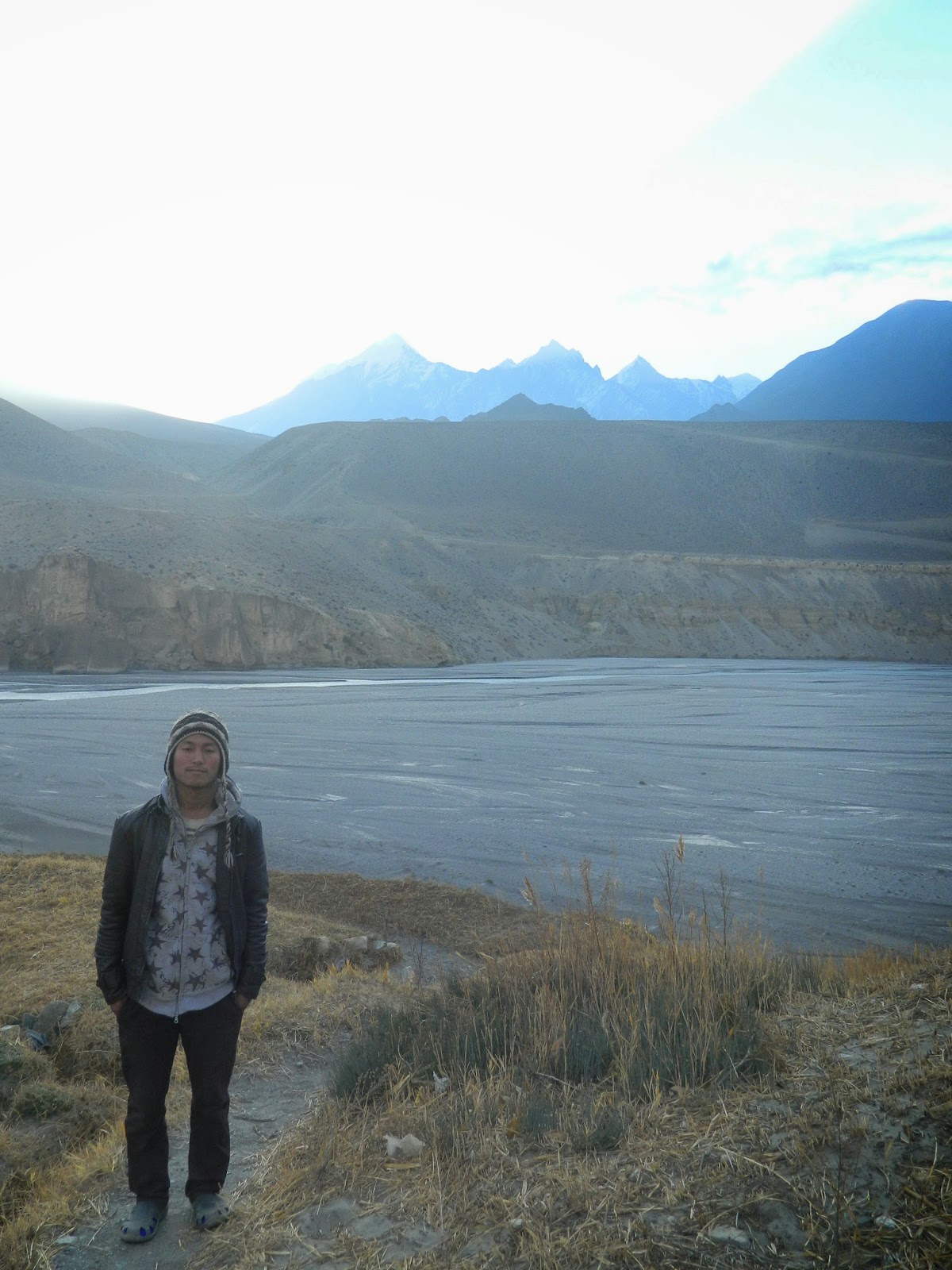
    Two years ago, far up in the Himalayan foothills, very small children would emerge from nowhere, holding out phantom hands and pleading eyes, and ask me and my trekking companions for “candy! candy!” or, even more baffling, “ball-oon. ball-oon.”
    From whence had come this peculiar fixation with candy and balloons? Well, from other trekkers, of course. Foreign hikers toting bags of candy—and balloons—to give to children along their path.
    There is something presumptuous—maybe—about giving unsolicited gifts to strangers. An assumption that we as outsiders know what is needed, and by whom. That we have a right to give when and to whom we wish, without asking anyone’s opinion. A whiff of a lingering imperialism, perhaps. (Of course, now these children do ask, having learned from experience to expect bounty of visitors.)
    I am reminded of a class I took on Jewish Ethics 10 years ago, about which I have not once thought in the interim… According to Maimonedes, there are eight levels of charity. The greatest, you may or may not have guessed, is to support another Jew (this merits another conversation entirely). The lowest, naturally, is to give unwillingly.
    Ringing in at number five: giving before one is asked.
    This may all be a bit off point, but Western altruism in Africa has a long and problematic history of unsolicited giving, unscrupulous giving, and giving without once thinking to ask what is desired or needed by the recipients.
    These sorts of giving smack of colonial condescension. Translated into 18th century garb, the image of the foreign man handing money to a Kenyan child becomes that of the beneficent overlord deigning to notice a black child, reaching down magnanimously from his carriage with the gift.
    I do not think I exaggerate so greatly in this leap of imagination.
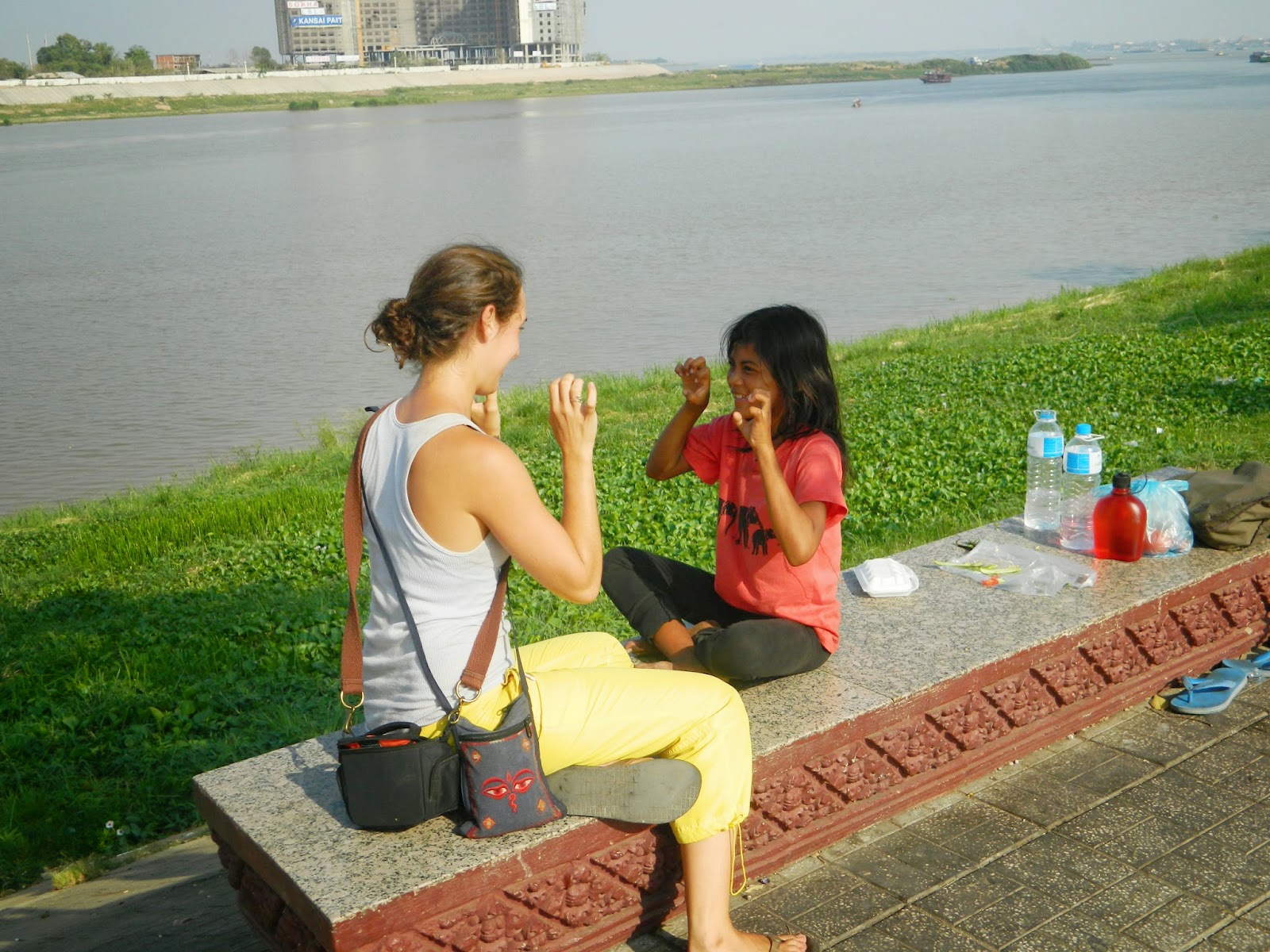
    Sharing food and games in Phnom Penh.
    Surely, you might say, I don’t need to ask to know that a starving child needs food, or that a village with no well needs potable water. Yes, there are certain basic needs, but no, you can’t assume that you know best what they are and may thus dictate another’s priorities.
    In some touristic destinations, poverty is rampant, and in advising visitors to these places, study abroad or travel guides will usually take one of three tracks:
    1. Don’t give anything to anyone. Not to beggars, not to children, not even to new friends. Just don’t, because one friendly gesture of generosity will call upon your head a veritable surge of unanticipated requests.
    2. Bring gifts that are useful—flashlights, notebooks, clothing, etc.—to give to hosts or friends. You will be offering something worthwhile, not a symbolic gesture doomed to sit on a shelf beside its untouched kin.
    3. If you are going to give a stranger something, give them food. Children, especially, almost certainly need it, and your gift will not be misused or appropriated, as money so often is.
    Other responses include: giving to a reputable non-profit, thus ensuring (in theory) that your money will be well spent; sponsoring an individual’s schooling; or offering skills or instruction, which has no (or greater) monetary value.
    I don’t have a set position on the question. All of these suggestions have merit. Personally, I am disillusioned by the distribution of spending in corporation-sized non-profits, and I much prefer the work of grassroots organizations that work in tandem with local communities. I love the option of sharing food; I think it is the most human of acts, and almost universally understood and appreciated. Sharing skills—if you have them—equally so. Material gifts are tricky. I lived with a home-stay family in Kathmandu who had an entire shelf of unused gifts from other guests like me—picture books, snow globes, and salt-water taffy, all untouched and unopened. I don’t know about the worth of gifts that serve no function beyond expressing gratitude for hospitality.
    And then, even if you do ask a community what it is they want, you will not receive a unified answer. Children may indeed want bicycles and candy—and balloons. Male elders will not seek the same help as women; each may have different priorities.

    But if you want to help the “poor, starving children of Africa” (a platitude which, to my absolute shock, some tourists have actually employed), don’t throw up your hands in despair. I think doing good begins with good intentions. Do, however, leave your presumption, your condescension and your self-importance at home. Be mindful of these complexities in your giving.
    ~
  • How to Take the Bus Everywhere

    Jesus travels… and so can you!
    Don’t let anyone tell you otherwise… there is always another way to get there.
    In October, I visited my parents in Shanghai (their home base at the moment). Day two of my trip, I took an afternoon to explore on my own, wandering the tiny alleys of Tianze Feng, in and out of stores selling tins of tea and other adorably packaged goods.
    I have a “taxi card” to return—a business card with the name and address of my parents’ residence written in Mandarin and English. Taxis are cheap. Simple.
    But then, naturally, there’s a catch: I cannot, for the life of me, catch a cab. I stand first on one street corner of the main road by Tianze Feng, then on the divider between lanes, next on another corner. 
    Most of the passing cars already carry passengers, while other drivers seem to be intentionally avoiding my gaze. The afternoon shadows grow longer as I watch one Chinese shopper after another run to intercept an incoming car. There are people crowded on all sides; traffic moves at around 60 km/hour; I am never fast enough.
    Finally, someone does stop, but when he looks at my card he shakes his head and drives off. Does he not feel like going there, or can he not read the card? I will never know.
    Meanwhile, I have seen at least 20 public buses pass me by. I know I need to go *that way.* New plan…
    I think it really is possible to take the bus nearly anywhere and everywhere—if you want to. Here’s how:
    Step 1: Learn the word for “bus” and/or the proper pronunciation of the place you wish to go.
    In Shanghai, it took showing my taxi card to several people to learn to say the name of my parents’ road: Nanjing Shu-Lu.
    In Kenya, buses are “matatus,” and knowing that makes them a lot easier to ask for.

    Sometimes there might be a boat involved… even better!!
    Step 2: Find the bus stop.
    In many places, there will be a physical structure, replete with maps, schedules and names. In many others, there will be nothing but a small sign bearing the image of a bus—or nothing but a crowd of people standing at the side of the road.
    Ask people for the *bus* to [fill in the blank] until you find your stop. In my experience, other bus drivers and shop keepers are the best people to ask, and most likely to know the buses in the area, while taxi drivers are the worst, since they have ulterior motives.
    In Shanghai, I was lucky enough to find an old woman who understood my question, and knew that the 42 bus would take me to the right place.

    Or you can do this.

    Step 3: Catch your bus.
    It might stop automatically, or it might barrel past if you don’t flag it down. A sign bearing a name or number may tell you it is the right bus, or it might be a skinny man hanging from the window, calling out the destination.
    I usually like to confirm at least a couple times that it is indeed the right bus, as I have ended up on the wrong bus far too often.
    Step 4: Revel, and ignore the funny looks.
    Depending on where you are, you might well be the only obvious foreigner on the bus. People will stare. It will get old. Just do your thing and try not to do anything egregious—appropriate dress and conduct is always a good call.
    Revel in being on your way to where you’re trying to go! There is truly no better feeling than the surprise of success after a stressful search!

    If your bus looks like this, wait for the next one.

    Step 5: Pay.
    Often, fare will be collected at some point along your journey—or upfront, or upon arrival. Try to pay attention to how much other passengers are paying to avoid a high “tourist tax.” But if you do end up paying a few cents—or dollars—more, well, the tourist tax is real. I’m sorry.
    Step 6: Arrive.
    Chaos, confusion and disorientation may accompany your arrival… sweat, frustration and elation, too. One thing I can almost guarantee: you will arrive having spent less money. A second thing: it gets easier with practice.
    I love taking the bus. Despite the dust. Despite the confusion, often frustrating and hectic. Despite everything. Because the bus is always an adventure. Always. And that’s kind of the point.
    Need to make a connection? Repeat steps 1-5. Chances are, someone on your first bus will be able to point you to your next one, or even lead you there.
    “Trunk-seat” heading out of Mbita, Kenya a few days ago.

    Enjoy the adventure!
  • And How Is Your Family?

    A recent conversation with the lovely Alec MacMillen (Arabic speaker and traveler on his way to Jordan on a Fulbright at the end of this month) reminded me of this topic…

    And How is Your Family? Making Connections Abroad

    In the first unit of my Tibetan language class, we learned words for family members and how to ask about them. “Do you have any brothers or sisters? Where are your children? What do they do?” Beyond “how are you?” these were the first questions I learned how to ask the Tibetan residents of my neighborhood in Boudha, Kathmandu, Nepal.
    My friend, a novice monk. We could converse only at a very basic level, but he knew that I had one brother who lived in Canada.
    When I traveled to Senegal on a High School summer exchange program, I learned much the same phrases in Wolof. “Where is your family?” “They are here,” was a classic exchange between strangers or friends. What I didn’t quite understand at age 16, I began to see more clearly while studying in Nepal: In almost any corner of the globe, family is literally the foundation of every relationship. If you want to form a friendship, begin by asking about someone’s parents, sisters, brothers, children. If you wish to grow closer to your host family, ask about children, cousins or siblings abroad.
    In most beginning language courses, vocabulary for family members and questions about family almost always show up in the very first unit. In 6th grade French, I remember finding this awkward and a little bit silly. Many college language students feel much the same way.
    In the U.S., these are not the first questions we are taught to ask. At least, these were not the questions I was taught to ask. For many Americans I know, inquiring about family members is intimate, almost invasive for acquaintances or strangers. Here, if you want to form a friendship, begin by talking about shared interests, food, school… Family comes later.
    In that Tibetan language class, my teachers stressed the importance of asking about family first, before anything else. This was crucial to respectfully initiating conversations and friendships; omitting to ask about family could be perceived as inconsiderate or even offensive.
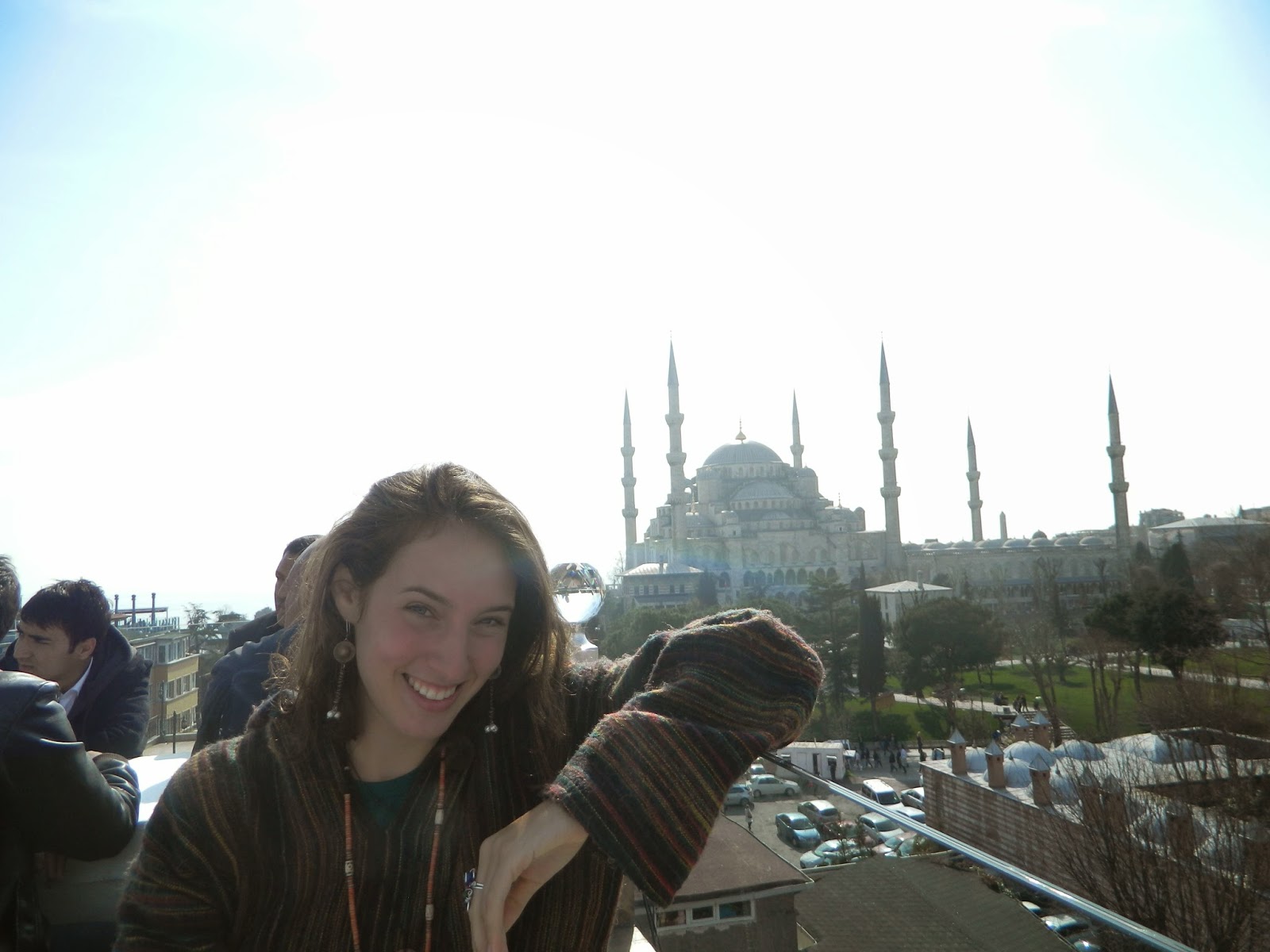
    Istanbul, where I probably sat down to drink tea in every candy shop over the course of my week-long visit.
    Once learned, this was a lesson I would carry with me. In Turkey, I made friends with every shopkeeper I met, exclusively by asking about family. In Italy, I remembered to ask new friends the same. Regardless of country or age, new acquaintances responded with warmth and enthusiasm to my queries. Do you have children? Where are they? What do they do? Do you have any brothers or sisters? What do they do? Where are they? Are you married? Where is your husband? Your wife? What are their names? Detailed, personal questions repeatedly forged an immediate intimacy and connection that flippant conversations about the weather or school could never produce.
    I became more comfortable in the asking as I saw how people opened to my questions. When I returned home and began conducting interviews for my senior thesis work, I employed the same technique, with surprisingly similar results.
    There exists in the U.S. an individualism that de-emphasizes the role of family. We are individuals. We are not where or who we come from. As I traveled and made friends, however, I found that most people do not agree. Questions about family are so crucial to forming relationships because family is crucial to forming individuals. No matter how much we pretend, we do not exist independently of it.
    While hitchhiking, I bonded quickly with strangers by asking about siblings, children, parents, etc.
    At least, that is the belief that drove my experience of connecting with strangers. Whether or not I believed it didn’t even matter so much; my new friends did.

    So, if you are traveling and you want to make friends, after you ask “how are you?” remember to go on with, “And how is your family?” See what happens.