Tag: poetry

  • No One is Talking about God (Poetry)

    No One is Talking about God (Poetry)

    Quite a few months ago, I traveled down to the south of Costa Rica to visit friends living in a remote community on a very special stretch of coastline.

    I had a lot of time to reflect. A lot of time to sit in the dark too. Real dark, untouched by any trace of electric light.

    That kind of darkness opens us up to a kind of spirituality, or creativity, often blinded by the modern world. At least, it seemed that way to me.

    That kind of darkness brought me a lot of words. These are a few of them:
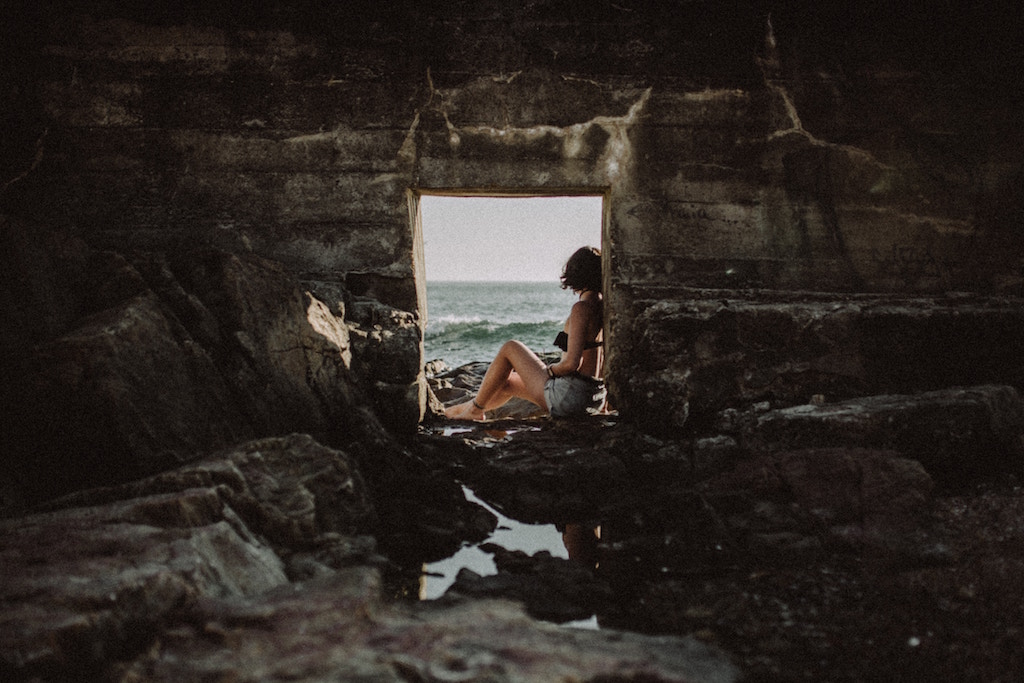
    god, wanderlust, woman, travel, ocean

    Talking about God

    I went to the ocean on a cloudy night, just to stare at darkness.

    I felt my heart beat faster as the waves rolled against the beach,
    and my body rolled too, in sympathy.
    This was solitude.
    Utter blankness upon the canvas of my cornea.
    This was emptiness.
    Division between water and sky barely visible on the horizon.

    My voice, when I sang out to that ocean beat,
    was unique in all the darkness,
    for it was the only thing that told itself to itself.
    The sea spoke to the moon,
    the raindrops spoke to the trees,
    the rocky beach spoke to the colonies of crickets —
    and then, there was me.

    I want so much to be a part of it.
    To lose track of my voice in harmony with the waves.
    To see my footprints disappear,
    my skin melt into the everything
    of that shifting, sucking darkness.

    I love my life, my body, my breath.
    Just, I want to be a part of it.
    The whole.

    You see, no one I know seems to be talking about god —
    it’s out of vogue to seek the divine,
    the mysterious, the ethereal and the invisible;
    children learn to count money but hear nothing of souls;
    we don’t care why we’re here as long as there’s football —

    And no one I know seems to be talking about god;
    we’re all too educated for that,
    leave it to the zealots and the black hats,
    write your gratitude journal and bow down to the fat cats —

    No, no one I know seems to be talking about god,
    but I want to find her,

    so I go down to the water and look into my own heart,
    because a wise teacher or two once said
    I would find a spark —
    there, where all the secret things we pretend not to believe in sing;
    where the ancient longing we don’t understand goes to hide;
    where the invisible and magical and wild abide.

    I heard, once, that god was at the heart of everything,
    including me.
    I read, once, that gods played and ate and shifted faces
    at the bottom of the sea.
    I knew, once —
    I knew, I knew, I knew, I knew, I knew —
    about the mysteries dancing at the horizon,
    where water meets sky,
    about the spirits who live between worlds
    and send stories with serpents and dolphins and dragonflies,
    about the beauty that gave birth to every single thing.

    But I forgot,
    we forgot,
    and I want so much to remember:
    I am part of it.

    No one I know seems to be talking about god,
    but, call me crazy,
    I want to find her.
    So every day, for a few minutes,
    I try to stare at darkness.
    I dive into that shifting, sucking water,
    and I look into my own heart.


    Originally published on Rebelle Society, July 2018.

    Written in November, 2017 at Finca Morpho.
  • “Smile As You’re Dancing.” Thoughts for Those Seeking to Rewild

    “Smile As You’re Dancing.” Thoughts for Those Seeking to Rewild

    I first published this piece well over a year ago on Rebelle Society.

    Since, I have gone much deeper into my exploration of rewilding. Back from my week in the Greek wilderness with The Wandering Wild School, I am still in the process of unpacking my experience.

    In the meantime, I offer you this:

    rewilding, rewild, moon

    Rewild

    Hello, old friend. It has been a lifetime since last we spoke.

    You thought you lost me, but I was only resting.

    Now, I am back—and stronger.

    The roar of the earth has shaken me—awakened from my complacency—I find compromise a cage that may no longer contain me.

    So now, old friend, it is time for you to remember:

    The cruel wind of barren peaks in your nostrils.
    The hot sands of a wild beach between your toes.
    The swirling ice of mountain lakes upon your skin.
    Beneath your chest—unruly, irrepressible passion.

    Think again of what you known:

    Monsoons have kissed your face;
    Ancient moss has cradled your feet;
    Iridescent seas have caressed your body;
    And you have made love to the sun—

    Old friend, do you remember yet? Has my voice called up your recollections?

    You are the tiger in the forest, and I am the ferocity in your jaws.
    You are the hawk in empty skies, and I am the space within your bones urging you to fly.
    You are the serpent at the heart of the world, and I am the knowing in your blood.
    You are fire, and from your immolation I rise.

    Do you recognize me now?

    I am the wildness inside.
    And it is time for you to remember. To reclaim. To return. To revive.
    To rewild.

    Jump again from moving buses;
    dive again to swirling depths;
    rise again from your own ashes;
    die again a hundred deaths.

    For the wildness inside you will never perish;
    I only tire, then surge afresh.
    I am the heartbeat that called you to the forest;
    don’t you hear me beneath your chest?

    Go into the mountains, and give your breath to the wind.
    Go into the wilderness, and surrender your fury to the sands.
    Go into the ocean, and bow your head to those waters.
    Go into the empty blue, and free your self of your fetters.

    Smile as you’re dancing;
    smile as you dream.
    Smile the smile of a creature released;
    smile a smile with power in its seams.

    Old friend, you never lost me; my pulse is still your own.
    I am the wildness inside—now do you remember my song?

    Touch your finger to your wrist.
    Feel how we have grown.
    Catch my reflection in every surface.
    Let me carry you home.


    Originally published on Rebelle Society.

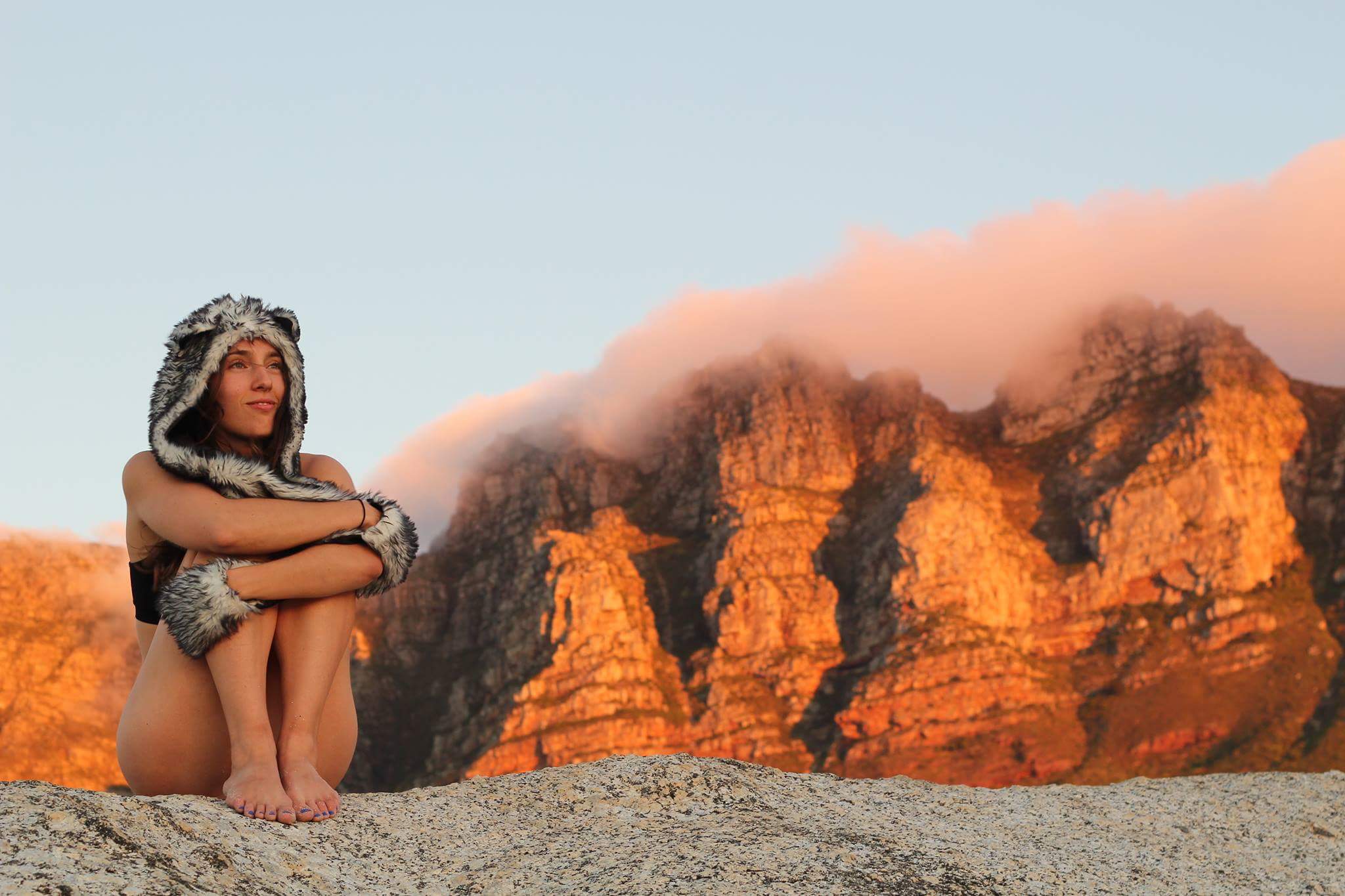
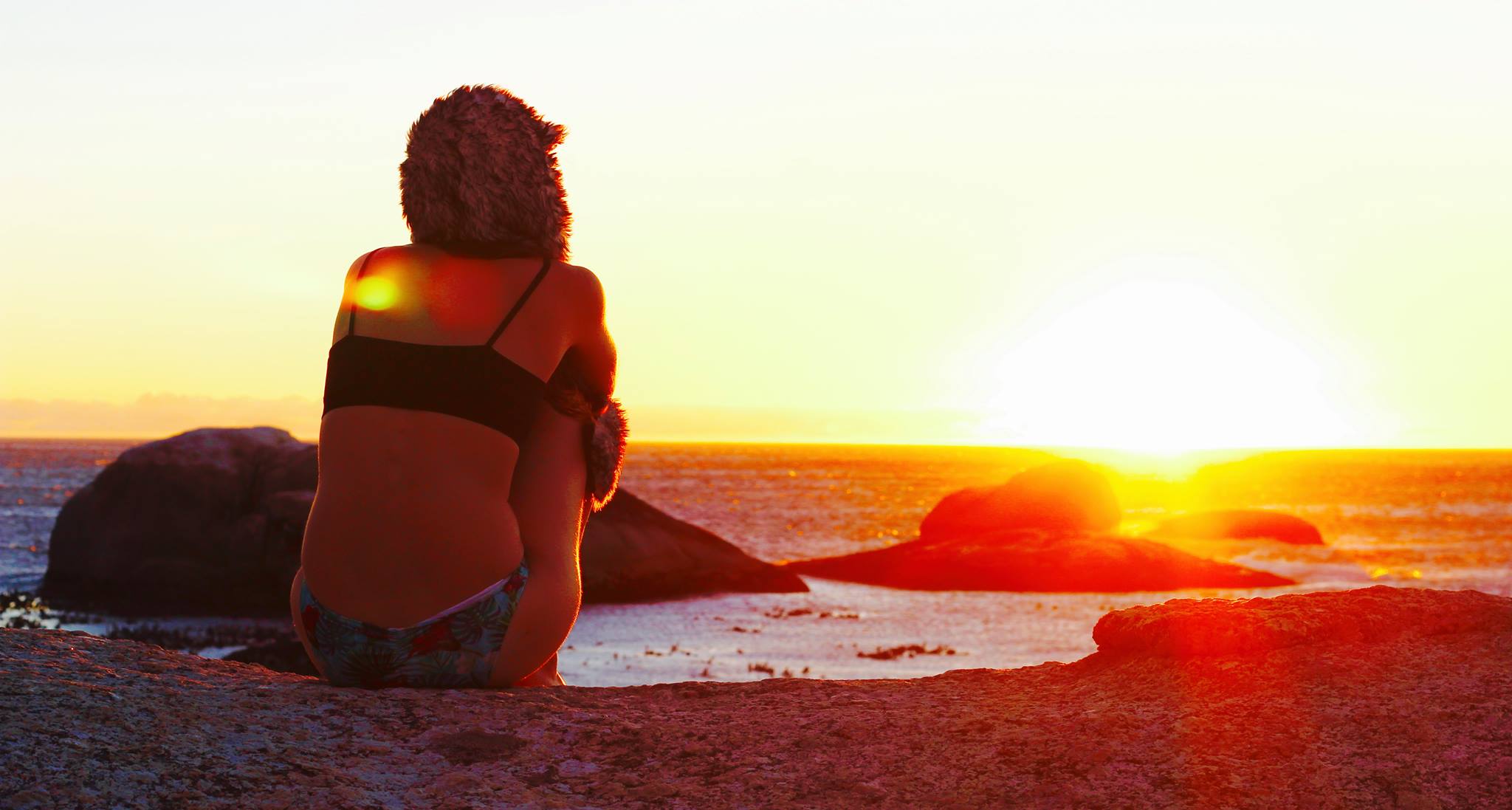
    Photo Credit: [1] Casparo Brown of The Wild Wandering School; [2] Sea Eyemere

  • Give Me Loneliness (a poem for travelers and dreamers)

    Give Me Loneliness (a poem for travelers and dreamers)

    Sagres, Portugal, early May.

    This past weekend, after a few wonderful weeks of travel and adventure with friends and family, I gave myself the gift of a few days utterly alone. I went to a tiny town at the end of the world—Sagres, Portugal. (There is magic there, you should know.) I surfed (badly), ate (decently), and puttered about (spectacularly), and I did my best to avoid making friends so as to properly refill my creative batteries. Or something like that.

    My airbnb host gave me various well-intentioned suggestions on where to drink and how to meet other travelers, none of which I followed.

    She was worried about me feeling lonely. I wasn’t.

    On my last morning in town, I sat down at the Perceve Kiosk for coffee with a view of the sea, and I wrote this poem. I hope it may speak to the part of you that also, perhaps secretly, craves loneliness.

    Give Me Loneliness

    Give me loneliness.
    Give me long mornings where not one word passes my lips.
    Give me dinner for one.
    Give me the sweet melancholy of looking out at the sea and whispering—only for myself—“that is so fucking beautiful.”

    Beauty shared doubles in its charms,
    but beauty held within multiplies without bounds.

    Give me loneliness.
    Give me empty roads in forgotten towns.
    Give me shadowless landscapes where my soul can dance all alone.
    Give me sleep, because there is nothing—no one—for which to stay awake.
    Give me dreams of open skies and towering cliffs and violent surf, which do not fade on waking.
    Give me a soft shawl of solitude, with a bittersweet border. Let me wrap myself in it for an hour, a week, or a year, to keep my dreams warm in daytime.

    Dreams shared may reach towering heights for a while,
    but dreams kept inside—these grow wings in their own right.

    Give me loneliness.
    Give me a short coffee and a long, long morning.
    Give me voices on the breeze that require no answer.
    Give me the low, salubrious song of no footsteps passing.

    Give me loneliness—
    When I am ready
    …after a while…
    I will look up and smile.
    And you will understand that I was never lonely
    not really
    but only warming my dreams over a silent flame,
    biding my time
    until the wind was right
    to turn whispers
    into flight.

    ***

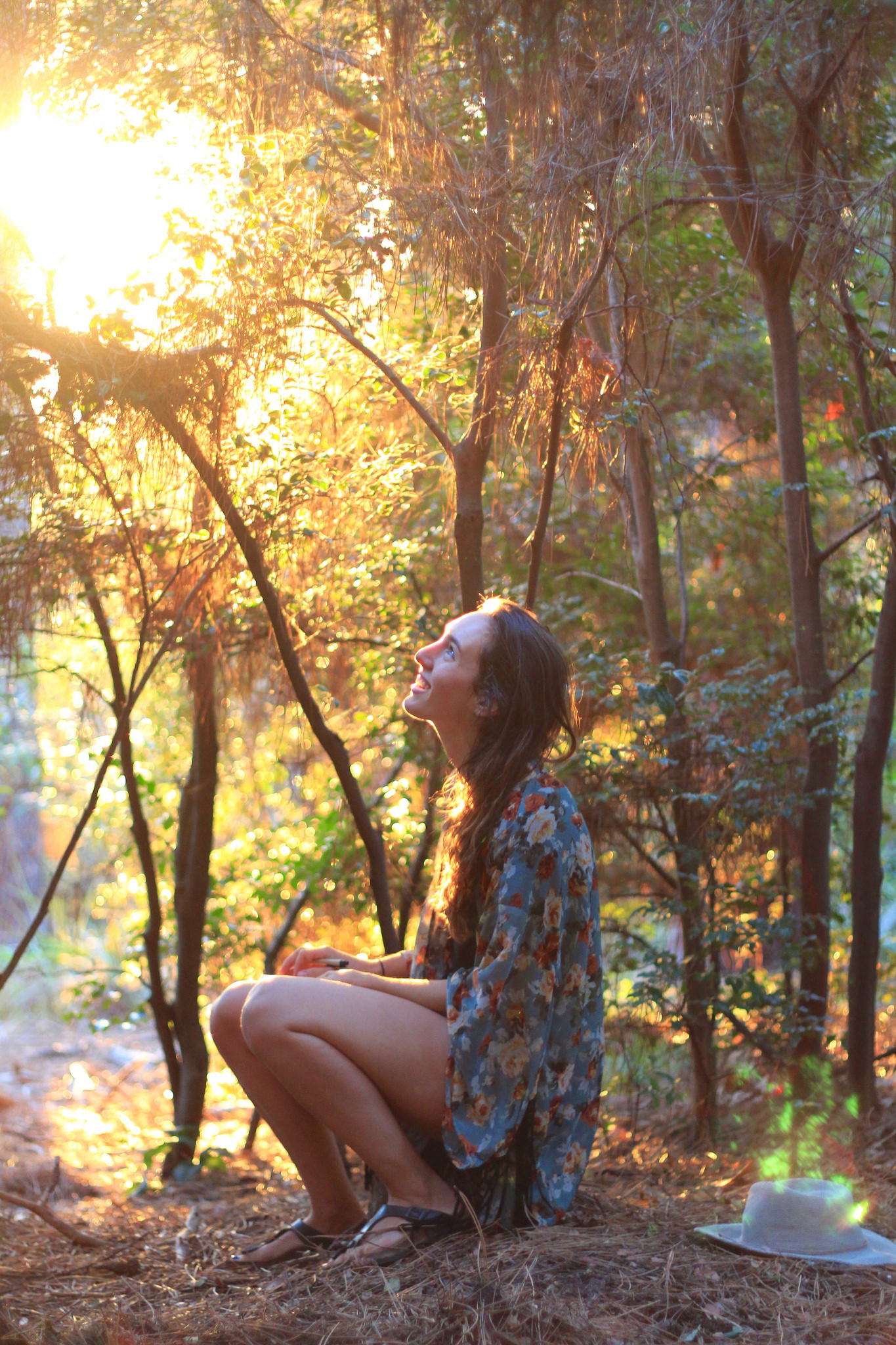
    Photo Credit: Casparo Brown

  • An Artist’s Statement, Kind of

    An Artist’s Statement, Kind of

    In addition to the travel, culture, and adventure writing I focus on here, I also dabble in poetry, fiction, and other creative writing. Through these pursuits, I have come to collaborate with a wonderful artist named Paula Barkmeier.

    We hope to make a book soon.

    To that end, I have started thinking—and writing—about my creative process pretty much for the first time in my career. This is what I have so far…feedback is welcome!

    On my Creative Process

    I typically begin a piece of writing in one of two ways. Either I have a specific story I want to tell or article I want to write, and I do that—or I have a vague idea pushing at my fingertips, my tongue, my belly, a somewhat undefined urge to create bubbling to the surface, and I follow it.

    I’d like to talk about the first one, very briefly. I know, it’s really not glamorous. I just decide to be creative and write something down? No blood, sweat, or tears? No agony or writer’s block? That goes against everything we’re told about creativity: You have to wait for inspiration. It’s a delicate process. Creativity can’t be forced.

    I have a secret for you: It can.

    You see, storytelling isn’t just a passion for me; it’s also my job. I write, I edit, I blog, I copywrite, I ghostwrite, I create marketing materials… I don’t always have the luxury of waiting for inspiration. Especially when I have a deadline. So I don’t wait. I just sit down and write.

    A writing teacher once told our class of young, bushy-tailed university students: “Writing is a craft. You can force it—and you should.” It was some of the soundest advice I have ever received about writing. In the past few years, it has proved true for me time and time again. I think it’s an important thing for creative people, working in any medium, to remember.

    This, whatever “this” is, is our craft, as well as our art. Inspiration will come and go—and we all know how it feels when it hits!—but we have to carry on regardless.

    Poetry, for me, is the exception to that rule. Poetry falls into that second category I mentioned, of fluid, spontaneous, elusive creative impulse. I do not force it. It is not a craft for me. The pieces that emerge out of that hazy, insistent urge to create become some of my favorites—perhaps more so because when I look back on it weeks, months, or years later, I almost can’t recognize the writer behind the words. She is transfigured by the creative process. She became a conduit for words, rather than their source, and I almost suspect she is another person entirely because of it.

    Poetry—and, let’s not be too strict, lyrical prose and some stories too—involves for me a semi-mystical process of creation. When I sit down to write, not because I have a story to tell that day, but simply because I feel I must, I enter into a different kind of creative space. This space is not always productive or focused, but it is inspired, intoxicating, and kind of magic.

    At its best, I believe writing—or any art—can express the inexpressible: It can take the inarticulate, murky language of dreams, hopes, fear, or loss, and translate it into words, images, and form. This articulation of the formerly formless is at the essence of my broadest aspirations as a writer, an artist, a creator. I write to give wings to heartbreak, and thus allow it to take flight. I write to put words to my wandering heart, and thus allow it to sing. I write to give a voice to my spirit, and thus—I hope—allow it to speak to yours.

    This process is both the most personal—drawing on the intimate details of my lived experience to imbue my work with raw truth—and the most universal—discovering the shared fears, joys, loves and losses at the core of every story. And so the archetype enters the scene. By its very definition the archetype is both universal and personal; the every man, the every woman, the every child speaks to the most profound depths of our souls.

    My work centers on the following themes:

    joy, adventure, fear, seeking, discovery, wildness, and transformation.

    And it often draws on archetypal models almost by accident—such is the nature of the archetype, that we cannot wander far without stumbling across its path.

    The hero’s journey. The goddess. The winged woman. The seeker. The gypsy. The lover. The masked man. The trickster. The vagabond. The wildling.

    To call it an accident is perhaps to sell the archetype short, however. It is through the exploration of archetypal forms that we understand ourselves more fully—or, that is what I believe. These figures people my dreams and my poetry. Together, they create the thematic loom into which I weave my words.

    But that is only the beginning. I write to express, it’s true, but lately that is only one layer. Lately, I also write to connect, to inspire, to, in the smallest of ways, engender change. I believe in the potential for stories, words, art to build understanding, teach joy, promote healing, and sustain peace. It is my hope that I have accomplished this with this collection. If my words encourage anyone to go out, explore and seek meaning in the world, I’ll consider my writing a great success.

    Seriously, feedback welcome! (I already know it’s long.)

    Photo Credit: Zen Monkey Photography

  • Ah, The Life Of A Vagabond (Poetry)

    It’s rare that I share poetry here (if you want more of that, check out my column on elephant journal). But I would like to share this piece with you, as I think it gets at the heart of something bittersweet and utterly beautiful, which I and my vagabonding friends sometimes struggle to express.

    I hope it will speak to you.

    ***
    Ah, the life of a vagabond—
    We all say it with the same
    self-mocking irony
    and laughing-sad eyes.
    The same funny mix
    of melancholy
    and mad joy.
     
    Ah, the life of a vagabond—
    We choose to be the mad ones,
    don’t you think?
    Must keep choosing it,
    lest the madness
    Slip
    through our twirling hands
    and leave us with
    mundanity.
     
    So we love
    madly—
    and leave
    And dance
    wildly—
    and believe
    Seek ceaselessly—
    and receive,
    Maybe.
     
    Ah, the life of a vagabond—
    Do you ever wonder
    why we don’t
    just
    stay?
    I do, but then I remember
    we are all following the same
    piper,
    dancing a rhythm only some can hear—
    The call doesn’t stop,
    and neither
    can
    we.
     
    Ah, the life of a vagabond—
    Keep choosing it,
    lest the madness
    Slip
    out of reach
    like tears,
    lest passion
    settle back down
    to the silt
    at the depths of our eyes,
    lest love become
    a rarity.
     
    Ah, the life of a vagabond—
    They intone,
    and I echo their prayer.
    Call
    and response.
    A psalm
    for swirling, wandering
    souls,
    A litany so powerful
    we must believe it,
    An incantation writ on the horizon—
    we go to it dancing.
    we go to it dancing.
    ***
  • The Bittersweet Beauty of Goodbye

    If I sift through the shadowy pathways of my memory, I will touch a hundred moments of parting and a thousand words of farewell in an instant.
    A woman stands on a provincial train station platform with her son, waving goodbye, goodbye, goodbye as my train pulls away.

    A friend hugs me in the pre-dawn shadows of an empty parking lot, then stands aside as my bus coughs to life and I step inside.

    An open window lets in dust and exhaust fumes and the last echoes of Good luck!

    The sterile lights of an airport terminal look on as I hug loved ones goodbye; they stay to watch as I pass through security and disappear.

    A last smile at the threshold before the house, car, bus, taxi, train door closes. A last wave. A last glance.
    These memories are steeped in the mixed emotions that partings will inevitably evoke—the fragrant cinnamon of nostalgia, and the piquant tingle of anticipation; the bitter smoke of an ending, and the sweet pine needle smell of journeys beginning.
    When we travel often, some things become easier with practice.
    We learn to sit with discomfort, be it overpacked buses, insufficient legroom, long flights, missed meals or interminable waiting—for delays, friends, food and horizontal sleep. And we come to accept a certain level of stress, uncertainty, insecurity—all fundamental tenets of life on the road—as the norm.
    We learn the language of timetables and airport terminals, maps and foreign street signs, and perhaps we come to navigate these worlds with a degree of ease. We find ourselves at home in a sea of strangers, untroubled by change—exhilarated, even.
    And finally, we become accustomed to goodbyes (comfortable may be too strong a word). Without a doubt we come to realize the ineptitude of words—the insufficiency of phrases like, I’ll miss you, See you soon, Good luck with everything, or even the more sardonic, Have a great life and, See you when I see you—to serve in these situations.
    We become accustomed to goodbyes, yet there is no art to them, or none that I have found. No failsafe formula. No skillful lyricism to master.
    Each one is unique in its blend of sadness, resignation, looking forward and looking behind.
    Each one is, in its singular fashion, beautiful. 
    Or, this is what I am beginning to believe. For, more than cinnamon nostalgia or pine needle anticipation, a goodbye is steeped in love. Platonic, familial, romantic, age-old or brand new, this  is love surrendered to the utter unknowability of what lies beyond this moment.
    If that love, tempered by the bittersweet awareness of impermanence, is not beautiful, then I don’t know what is.

    And so, as I say See you soon, Good luck, I’ll miss you, and Goodbye to friends and loved ones in the U.S. and turn toward the next leg of my journey, I hold onto that beauty, and my smile smells like cinnamon and pine needles, chili and smoke.

    ***
  • The Men Who Saw (A Poem of Sorts)


    Happy New Year!

    This is not the typical style of work I share here, but I’ve been sitting on this whimsical little poem for quite a while now, and I figure now is as good a time as any to share it. May this be a light-hearted reminder to open our eyes (in all senses of the phrase) to the beauty of those people and places around us in the coming year…

    ***
    The Men Who Saw

    Once, the world was full of men who looked
    with eyes as big as pans to cook—
    Jaws hanging low, right down to the floor,
    they looked and looked, ’til they could look no more.
    The women and girls, and little boys too,
    Could not understand all this looking to do—
    And they shouted and pleaded to those big staring eyes
    To just once sink deeper, and see them inside.
    But the men who looked did not know what they meant;
    Their days in looking and staring they spent…
    Until one day a blind man appeared in their midst
    And taught the men the lesson they’d missed.
    At the first the men could not see why
    This blind one’s attention brought so many smiles—
    The women and children explained it all:
    Though he could not look, he saw straight to their souls!
    The men who looked hemmed and pondered;
    They scratched their heads and thought and wondered.
    At last one of their lot closed his eyes in amazement,
    And refused to open them, despite much persuasion.
    “I’ve got it, my friends!” He shouted with glee.
    “The blind one’s vision is fine; the fault lies with me.
    Though we look and we stare every day of our lives,
    The world that we know is a palace of lies!”
    And so the men who looked became the men with eyes closed,
    and they finally knew what it meant to see souls.
    Nevermore would they suffer such empty stares,

    when the truth which they sought—beyond closed eyes was there.

    ***
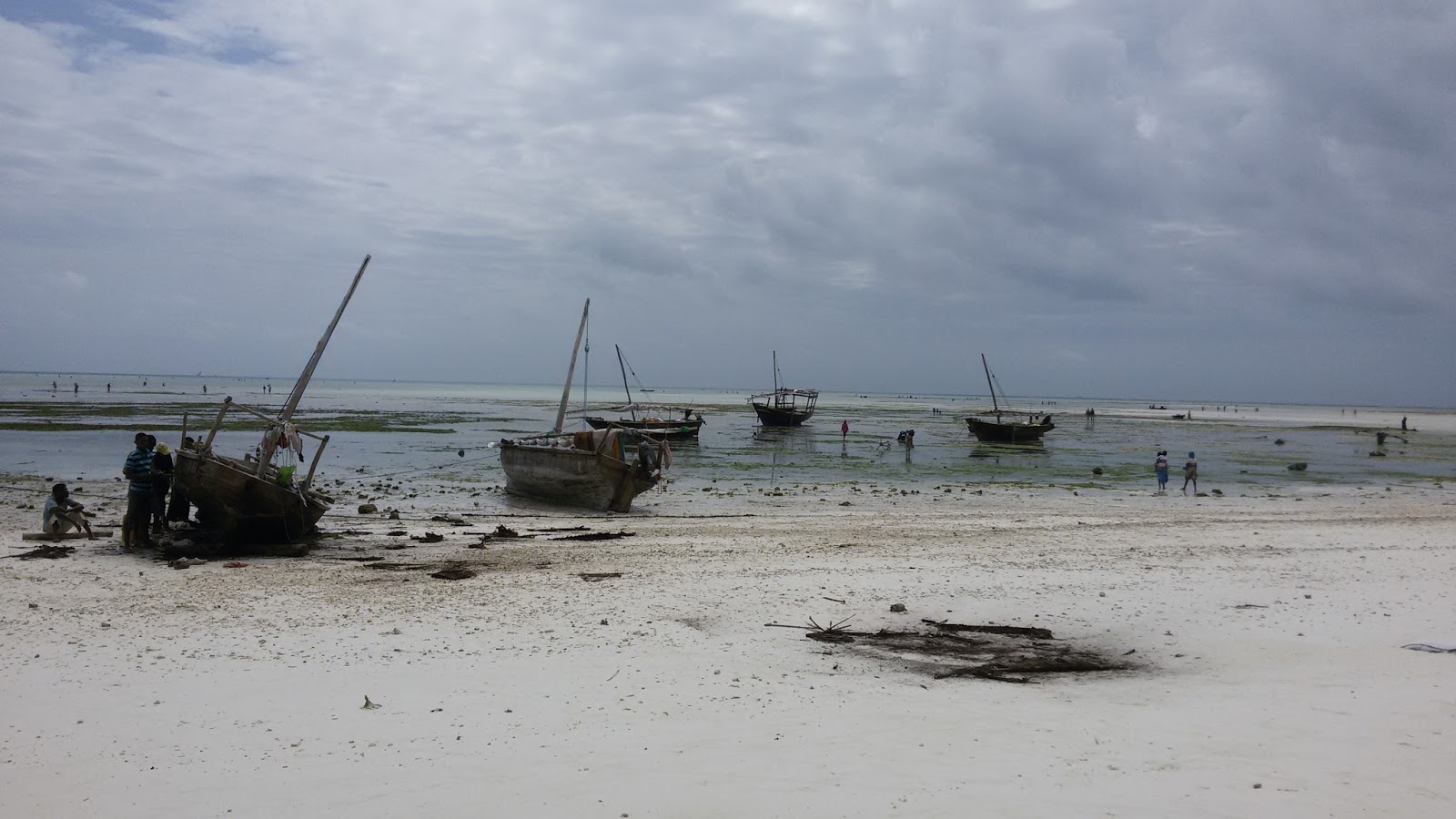
  • In Zanzibar. Paradise has Cracks. (Poem)

    In Zanzibar. Paradise has Cracks. (Poem)

    In Zanzibar
    Fruit falls from trees–
    Like shimmering coins–
    And is trampled underfoot.

    No one wants to sell it
    When tourist dollars
    Taste so much sweeter.

    In Zanzibar
    Living is cheap
    But being a peacock
    Is free.

    Proud muscles;
    Proud feathers…
    Looks the same to me.

    In Zanzibar
    The clock starts
    At 6 o’clock–
    It’s rarely on time.

    The sunset is melted caramel
    On heaving tides,
    But no one wakes for sunrise.

    In Zanzibar
    If you read between the lines
    Hakuna matata doesn’t really mean
    No worries.

    In Zanzibar
    Glittering veils drape
    Over hair piled high,
    But eyes are dull.

    In Zanzibar
    Alcohol is haram
    But Konyagi is cheap–
    The rules change at night.

    In Zanzibar
    The sky is heavy
    And God is white.

    In Zanzibar
    Pole pole’ is a slogan
    Crafted from handicap.

    In Zanzibar.
    The rain is sudden.

    In Zanzibar.
    The colors are hard.

    In Zanzibar.
    Life is white and black.

    In Zanzibar.
    Paradise has cracks.

    In Zanzibar… In Zanzibar… In Zanzibar.

    In Zanzibar
    Fruit falls from trees,
    And I want to pick it up.

  • Before the Rains

    ***
    We are at the very edge of the rainy season here in Kenya… This is what it feels like. (All photos taken yesterday at the Gede Ruins and nearby beach in Watamu.)

    ***

    Before the rains come, the air grows thick—
    Cough syrup thick
    Wool hat thick
    Toffee thick—
    and clings to me like an extra layer of skin.

    The heat becomes heavy—
    Oppressive like chains
    Lethargic like city traffic in the summertime
    Slow like the honey melting of sunset—
    Fattening itself on the waterless days, weeks and months.

    Before the rains come, the animals appear—
    One by one
    Two by two—
    Frogs and lizards, ants and spiders, and all manner of creatures seek shelter,
    Dragging the storms behind them.

    Palm fronds and mangrove branches sigh a warning in the waning breeze:
    The rains will come
    The skies will clear
    The world will turn to water overnight.
    These are the rains in which some civilizations have crumbled and others have risen, they murmur.

    Before the rains come, the clouds gather to promise change—
    Air thick like honey
    Heat heavy like wool—

    We hold our breath to hear them, hovering in wait for the gift of a new season.
    ***
  • When the Power Goes Out (a poem for quiet moments)

    When the Power Goes Out (a poem for quiet moments)

    I wrote this during one of Kenya’s (frequent, albeit brief) power outages. Though inconvenient, I find they can offer some much-needed respite from the constant activity that light, connectivity and music demand. They leave a bit of space for reflection…


    When the Power Goes Out: Quiet

    When the power goes out,
    I return home to pen and paper
    and write by the glow of a single
    (electronic) lantern on the bar.
    When the power goes out,
    the hum of never-ending action pauses,
    and I can hear the wind in the leaves
    and the whine of mosquitoes—
    Magic stillness.
    When the power goes out,
    Quiet touches the darkness
    with its fingertips
    and wraps around my mind.
    When the power goes out,
    I take a deep breath,
    wonder—for a moment—what to do,
    And smile.


    Power outages, delays, mistakes… so many blessings in disguise. Don’t you think?

  • Sound Impressions from a Hammock

    As I lie here resting, gently swaying, I reflect on the day’s noises…
    There are the birds who say “Oh Yeah” in a melodic chorus of positivity.
    Then there are the birds who welcome me in Swahili: “Karibu! Karibu!”
    The birds swoop and swivel and swish and swerve—a limitless parade the likes of which I do not have the expertise to catalog, let alone describe. They wake me in the morning and sing me to sleep at mid-day.
    The goats scream with human indignance and bleat with an infant’s piteous yowl.
    They caper and cavort, cradle sunlight in the sleek hollows of their sides. They stand on hind legs to grasp out-of-reach shrubbery. They block the roads with impunity.
    The children shout, “Muzungu! How are you?” with the the same lilt as the birds who say “Karibu.”
    They are sudden apparitions at the side of the road, emerging like smoke through fences and paths. Some smile and wave; others stare with scrutinizing solemnity.
    The motorcyclists ask, “where are you going?” and have nothing more to say to my reply: “I’m just walking.”
    The donkey wheezes through a comical fit of seeming laughter—or sneezes. Sometimes at noon; sometimes at midnight.
    The dogs howl like wolves to the moon.
    The crickets chirp a thunder and an avalanche in the otherwise quiet of dark.

    My ears are working hard to keep up…
    ~
  • Where Do You Go When Nowhere Is Safe?

    Naturally, after our disappointment at the Moroccan embassy and finally, finally finding a place we could both visit without visas (Kenya), new obstacles have arisen. Al Shabab has been targeting non-Muslim Kenyans in the North, Mombassa and Nairobi in retaliation for Kenya’s recent military action in Somalia. Is nowhere safe? I find myself wondering.
    To turn on the news of late is to open the floodgates to a barrage of ill-tidings. Terrorist attacks, Ebola, protests, and political turmoil. That is not to write off the gravity of these situations, for they are undeniably serious. But still, I can’t help wondering where is left to visit. Where do you go when nowhere is safe?
    My musings inspired the creation of this folk tale:
    ~
    Once upon a time, there was a girl. She loved to explore and go on adventures. The spray of light on the horizon played a lilting melody on the back of her eyelids.
    One day, the girl announced that she wished to go into the woods at the edge of town.
    “Don’t go into the woods!” Cried the townspeople. “Don’t go; don’t go,” they pleaded. “The woods are not safe,” they admonished. “There are wolves and witches and monsters and men. Nowhere is safe. Nowhere is safe,” they said.
    And so she stayed, safe in the town, and gazed at the woods, imagination aglow. “Oh how I wish to go into the woods,” thought the girl. “Oh how I wish to go!”
    Months passed, and the girl’s gaze shifted. “I will go to sea,” she announced one day, “to see what lies beyond it.” The townspeople shuddered and shivered and quivered with fear:
    “Don’t go out to sea,” they cried. “Don’t go; don’t go! The sea is not safe,” they admonished. “There are sharks and storms and sirens and surges. Nowhere is safe, my girl. Nowhere is safe; stay here,” they said.
    So the girl sighed and laid aside her plans, and she did not go. But she sat upon the shore and watched the waves, and her thoughts crashed against her skull in time: “Oh how I wish to go out to sea. Oh, how I wish to go!”
    In only a few weeks, she had yet another design: “Surely the mountains are safe enough… that is where I will go,” said the girl, jaw set.
    “Oh!” Cried the townspeople. “Don’t go to the mountains!” They pleaded with her. “Don’t go; don’t go! The mountains are not safe,” they admonished. “There are winds and ghosts and bandits and banshees. Nowhere is safe, you see. Nowhere is safe; stay here,” they said.
    The girl craned her neck to look up at the rocky crags that broke up the sunsets and cast long evening shadows across the town. And she did not go. She sat and she glowered  and her mind raced on. “Oh how I wish to go to the mountains,” thought she. “Oh how I wish to go!”
    Again and again she presented new ideas, and again and again the townspeople shuddered and shivered and shook their fingers sternly:
    “Nowhere is safe, my girl. Nowhere is safe,” they said. “Don’t go there; no you mustn’t go there. There is war and sickness and there are demons and dragons; you see, the world is not safe, my girl. Best to stay here—oh yes, best to stay here,” they repeated. “Don’t go! Don’t go!”
    Months passed in this way, or perhaps they were years, and the girl began to sit longer, to stare farther, to think deeper. Finally, this is what she thought: “If the woods and the sea and the mountains are not safe, then surely neither is this town,” she said to herself. “And indeed if nowhere is safe, then it is “nowhere” where I must go!”
    And with that, she packed her bag with books and bread and blankets and bottles and she set out along the road. The townspeople, when they caught sight of the girl, ran after her, calling frantically, “Where are you going? Where are you going?”
    “Nowhere!” The girl shouted over her shoulder. “I am going nowhere. You needn’t worry—it is safe there!” And she laughed and walked on.
    And she crossed the woods and the sea and the mountains, “nowhere” always just ahead. She encountered dragons and dangers, monsters and men, but fairies and angels and vagabonds, too, and these last guided her way.
    “Nowhere is safe. Nowhere is safe. Oh how I wish to go,” her thoughts chanted through her head in time with her feet, and never did they tire. On the girl walked. Up and out and onward she looked.
    “Go,” whispered the sun. “Go! Go!”
    ~
    Much to my regret, we don’t live in the world of fairy tales and fables. The troubles reported nightly are very real—though occasionally exaggerated by those on the outside. We can’t totally ignore them like the girl in my story. And so, though we still plan to fly to Kenya next week, we will do so cautiously, avoiding population centers like Nairobi and Mombassa and staying in the Lake Victoria region, which appears to remain out of danger.
    Where do you go when nowhere is safe? That is the question facing the 21stcentury nomad, isn’t it.

    ~
  • An Ode to Small Towns

    In the spirit of Buzzfeed and the general ethos of blogging at present, I would like to begin this post with a list.

    You know you live in a small town when…

    1. Your customers for lunch show up at your other restaurant for dinner.

    2. You run into your “regulars” all over town. They always seem surprised to see you.
    3. Going grocery shopping consists of 2 parts socializing and 1 part buying food.

    4. “Downtown” is Main Street.

    5. Your yoga students show up for dinner, and your dinner customers show up for yoga.

    6. When you walk into the local coffee shop, it takes 30 minutes to get to work, because you have to stop and greet everyone already there.

    7. When you throw a party and invite people from various parts of your life, there is no need to make introductions.

    8. Going to the “City” (Burlington) is an excursion you indulge in about once a month.

    9. You expect greetings from strangers, and find it odd when people don’t say hello.

    10. At least a couple times a week, someone you know drives past you as you’re walking to work and offers you a ride.

    11. Everyone talks about their garden like most people talk about the weather.

    12. No one calls you a hipster when they see you a. fermenting things, b. knitting or crocheting, c. baking, d. biking, or e. wearing flannel.

    Soon-to-be homemade sauerkraut.
    Above all, it is a small, small world when you live in a small town. I have mixed feelings about the whole thing. On the one hand, I live for those coincidences and connections. On the other, I hate gossip, nosy neighbors and unattainable anonymity. For better, for worse, or for bizarre, I currently reside in Middlebury, Vermont, and that deserves a poetic tribute…

    An Ode to Small Towns

    Oh, small towns,
    I can’t decide if I love or hate you.
    You are full of people who compulsively read Front Porch Forum,
    Scanning for nuggets of gossip to purloin,
    or petty arguments to join.
    Still, your characters rival those of the Big City—
    Where else will my neighbor ride his tractor down the road,
    Wearing a cowboy hat and white Santa beard as he goes?
    Oh, small towns,
    I can’t spend a day on your streets without running across a friend, or twenty-two.
    If I have news in the morning,
    They’ve all heard it by noon.
    If I see Main Street I’ve seen all there is to see,
    That is, everything but the dump, the gym, and the local brewery.
    A night out with friends often ends with drinking tea.
    Oh, small towns,
    By your community I feel supported-
    Strangers offer rides into town
    When the rain is pouring.
    Yet at the end of the day
    When I look around,
    I see all the same faces,
    Hear all the same sounds.
    What you lack in variety you make up for in warmth,
    But even so, small towns,
    I think my time with you must be short.
    ~
  • Love Like a Thunderstorm

    I am really happy with the piece I published at elephant journal today, “How to Love Like You’re Caught in a Thunderstorm.” I wanted to share the first part of it here…

    Today, I huddled under the bus stop shelter as torrents of rain poured down outside. 
    Vermont summer storms. 
    A particularly long, sharp bolt of lightning flashed on the horizon. 
    Water splashed on my toes. 
    A little girl stood close to her mother beside me, sobbing. She was scared of the storm. Each crack of thunder louder than the last; I can’t remember the last time I heard thunder like that, reverberating in my chest, echoing in the pit of my stomach.
    My dog is afraid of thunderstorms. She cowers in a tiny nook under a bathroom cabinet whenever she hears rumbling (she is a big dog, so this is quite impressive). The little girl next to me, too, appeared terrified of the wet and the noise and the turmoil. 
    I love these storms. I prefer not to be stuck in them with my yoga mat and my laptop, like today, but that is another story.
    A clap of thunder is like a jolt to my system; it energizes me. My body responds to lightning. I am hardwired, like most of us, to doggedly avoid a downpour, but when I accept the inevitability of being soaked, I relish the rivulets of rain on my skin.

    I rarely write about love. The occasional poem or journal entry aside, I stick to more earthly things: travel, food, wellness. Wary of cliché and cautious of imitation, I leave love to the poets.  But the thunderstorm today inspired me; it was the perfect metaphor, I thought…
    Read the rest here: http://www.elephantjournal.com/2014/07/how-to-love-like-youre-caught-in-a-thunderstorm-toby-israel/.
    ~
  • Snapshots of Living

    Snapshots in words and pictures of the last three weeks of life in Middlebury– plant, animal, and human.

    (Disclaimer: All photos were taken yesterday, when I couldn’t resist the sunshine and the realization that things were changing every day out in the garden, and I had better hurry up if I wanted to capture some of the journey. And so, as I am wont to do, I went on a photo-shooting spree after a month without touching my lovely Nikon. Really, it would be more accurate to call these “Snapshots of a Day at 56 High Street, and an Unconnected Assortment of Words.”)

    Green tomato today… what will tomorrow bring?

    New bean stalks rear dinosaur heads out of the cracked earth.

    Love spills out of my ears.

    Green tomato. Yellow flower.

    Rabbits and foxes and hedgehogs, oh my! They eat everything except the chives…

    One lost, baby-size sneaker sits on a windowsill outside a Main Street shop.

    An abundance of thyme. No pun here. 

    My neighbor, Mr. Cardinal, sits on his perch in royal ruby splendor, presiding over my morning commute along High Street.

    Snow pea spirals to get lost in.

    A vine explodes along the back deck. Green exuberance.

    Dreaming already of fiori di zucca!

    I notice two red glitter hearts stick to the pavement as I walk to work. They leave a smile in my thoughts that lasts the day.

    A teenage boy on a bicycle shouts at me as he zips by. His words are unexpected: “Have a good day!”

    So much green. An abundance of green. A superabundance of green! Green green green.

    Watermelon in Vermont? You bet! Gifted to me today at the Middlebury co-op, and planted by my neighbor’s granddaughter in a sunny patch of ground.

    Welcome summer.

         Vibrant

              Fresh.

                  Green.

                      Joyful.

                     Abundant.

    ~~~