Category: Adventure

  • The Sacred Pause: from Dance to Self-Defense

    The Sacred Pause: from Dance to Self-Defense

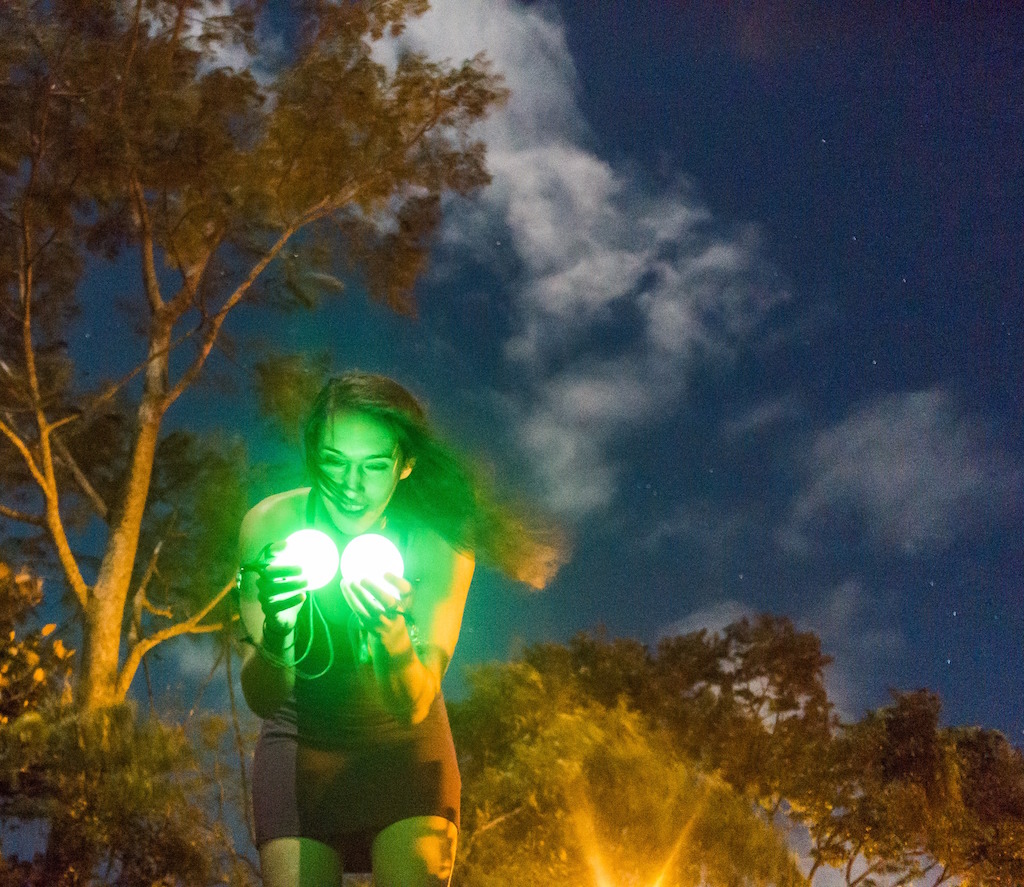
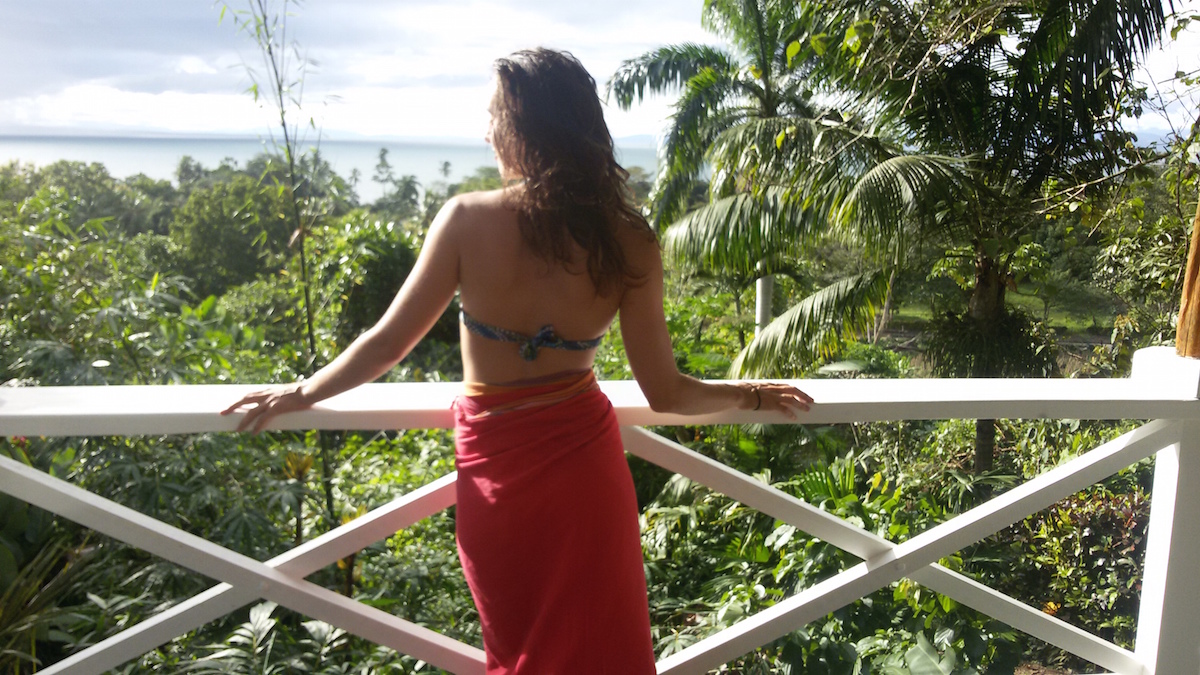
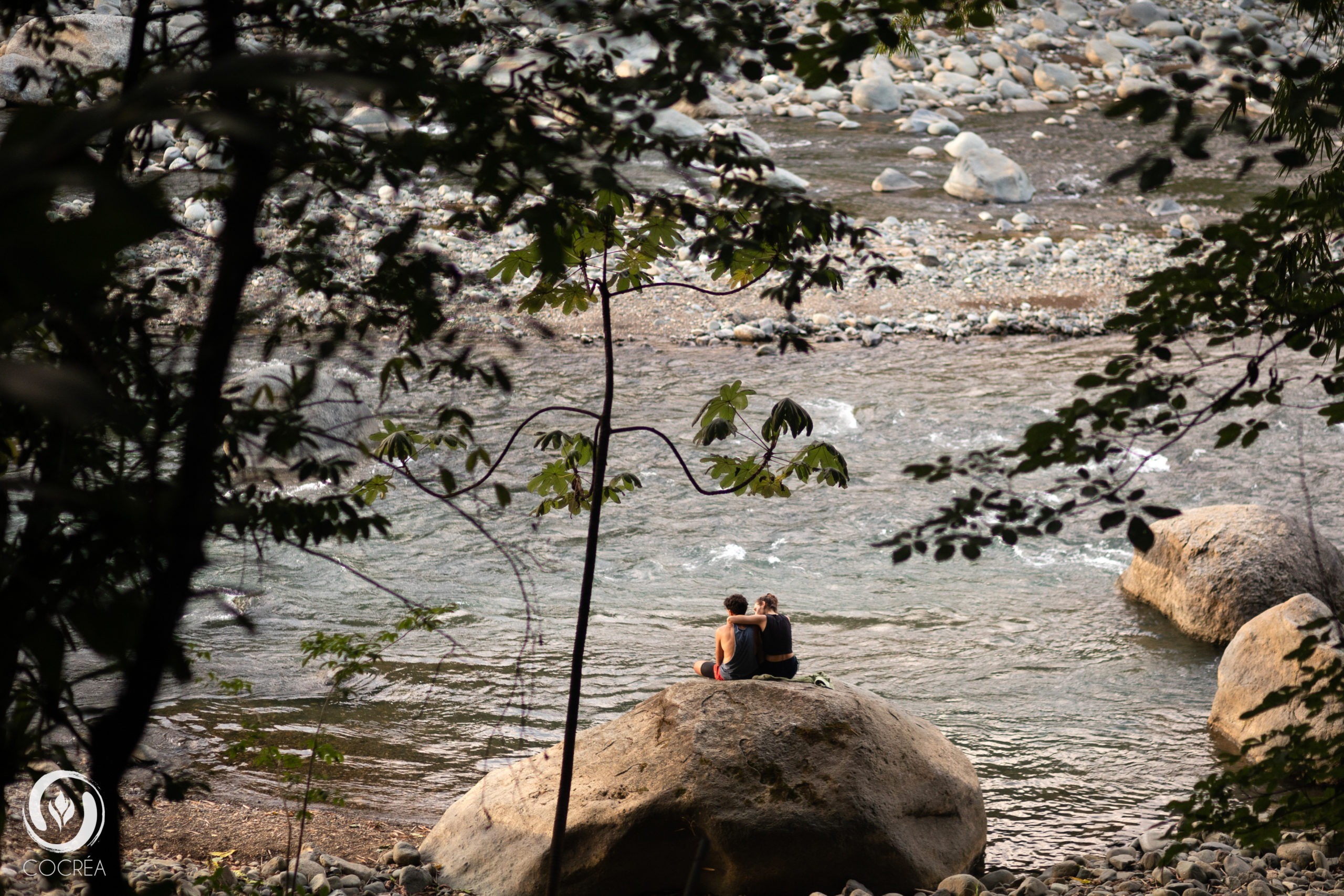
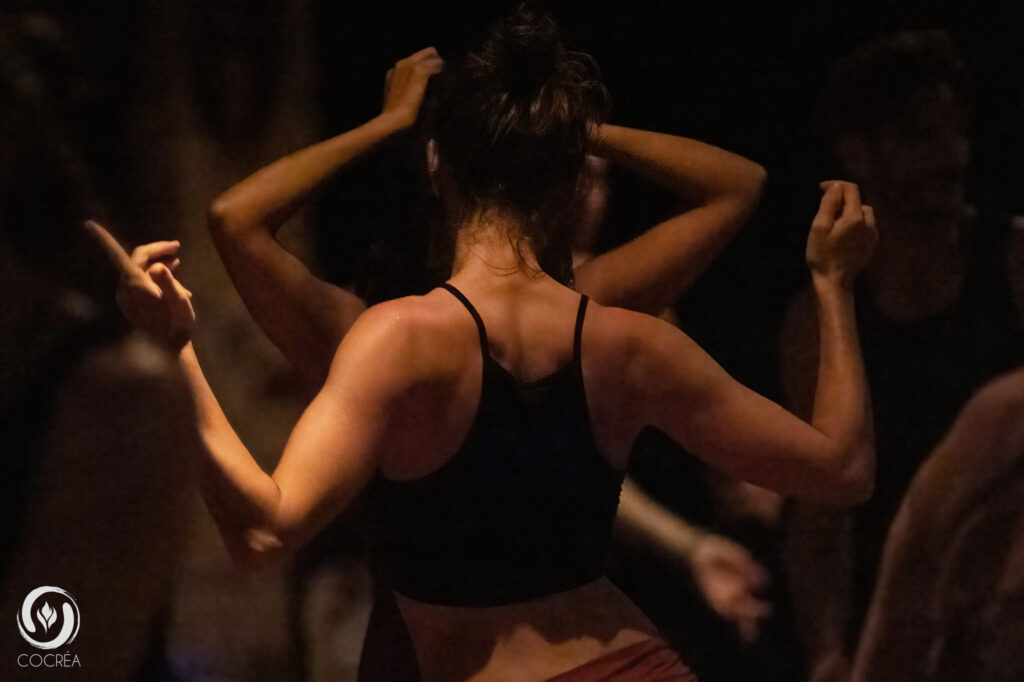
    March 24-31, 2023 – Dance Your Medicine Retreat at Posada Natura Healing Center in Londres, Costa Rica. (Photo by: Foster Snell | @FosterTheEexplorer)

    One breath can change everything.

    The “sacred pause” can be the difference between reaction and response, between contraction and expansion, between inaction and action.

    In the spaciousness at the top of our inhale, everything expands and possibilities open before us. In the emptiness at the bottom of our exhale, clarity crystalizes.

    After a week of exploring “mindful partner dance” with the amazing humans behind CoCrea last month, I found myself thinking a lot about the “sacred pause.” In dance, this pause can be a single breath, or even a microsecond of stillness that allows us to listen to our own body and our partner’s—and allow movement to arise from there.

    It is a moment of beauty, attunement, and awareness, rich with potential. And it is a moment to reconnect with our own body and its needs, giving ourselves the opportunity to act in integrity with our own self-knowing.

    Here is where we can carry the sacred pause with us from dance into self-defense.

    That same, seemingly-insignificant moment of renewed awareness, when applied to a situation of danger or violence, can again change everything. The sacred pause can restore our agency and power when we find ourselves in an adrenalized or activated state, helping us to access our self-defense toolkit, in spite of fear or confusion.

    In the holistic self-defense classes I teach through my empowerment project, Mujeres Fuertes, we often encourage participants to take a breath before practicing a strike. We also regularly discuss the importance of taking time to check in with ourselves when a person or situation makes us feel uncomfortable or unsafe. In this moment, we choose how we want to respond, if we need to set a boundary, if we would rather get up and walk away, and so on.

    Fear can easily cloud our judgment as well as affect our coordination; pausing helps us choose, speak, and act with clarity.

    Similarly, the social contract and social conditioning around “niceness” and “politeness” often keep us in places we actually don’t want to be. Utilizing the pause to touch base with our intuition and listen to the body, we can recognize more easily when a situation is “yellow” or “red.”

    From a trauma-informed perspective, the sacred pause—taking a breath and bringing awareness back to the present moment—can mean the difference between freezing or acting (yelling, running, fighting, and so on) to defend ourselves. When the alarm system is activated in the brain, most people unconsciously default to their go-to adaptive strategy: fight, flight, freeze, flop, or fawn. For many, and especially for women, the freeze/flop/fawn response is a well-honed survival strategy.

    “What if I freeze?” is probably the most frequent question in our self-defense classes.

    No one can guarantee breaking the freeze response, nor do we wish to write it off entirely, as it is itself a survival strategy. However, we do know that the more we practice pausing, breathing, and bringing awareness to the body when adrenalized or activated, the more we augment our capacity to notice—and to choose a different response.

    Furthermore, we invite participants to reframe freezing as “active waiting.” The animal that freezes in nature when danger approaches often proceeds to run away or otherwise act in self-preservation. People are no different. Through training our body to breathe through discomfort or fear, notice our instinctive reactions, and then yell, run, or fight, we curtail the freeze response and prepare ourselves for what follows.

    The more tools and options we have, the more possibilities will open ahead of us in the momentary lift of the sacred pause.

    Why “sacred”? Because for me, anything that connects us with our embodied wisdom, intuition, or inner knowing is a mystical practice. Anytime we enter into communion with that soft, clear voice who speaks or dances from our center, I believe we are in conversation with the divine. And what is more sacred than that?

    How do you apply the sacred pause in your life, relationships, or creative work? I would love to read your perspectives!

    Finally, I invite you to remember the sacred pause when you feel afraid, uncomfortable, confused, or overwhelmed.

    In the spaciousness of this moment, everything is possible.


    Originally published at elephant journal.
  • Assertive Communication for Solo Female Travelers

    Assertive Communication for Solo Female Travelers

    assertive communication, envision festival, empowerment self-defense
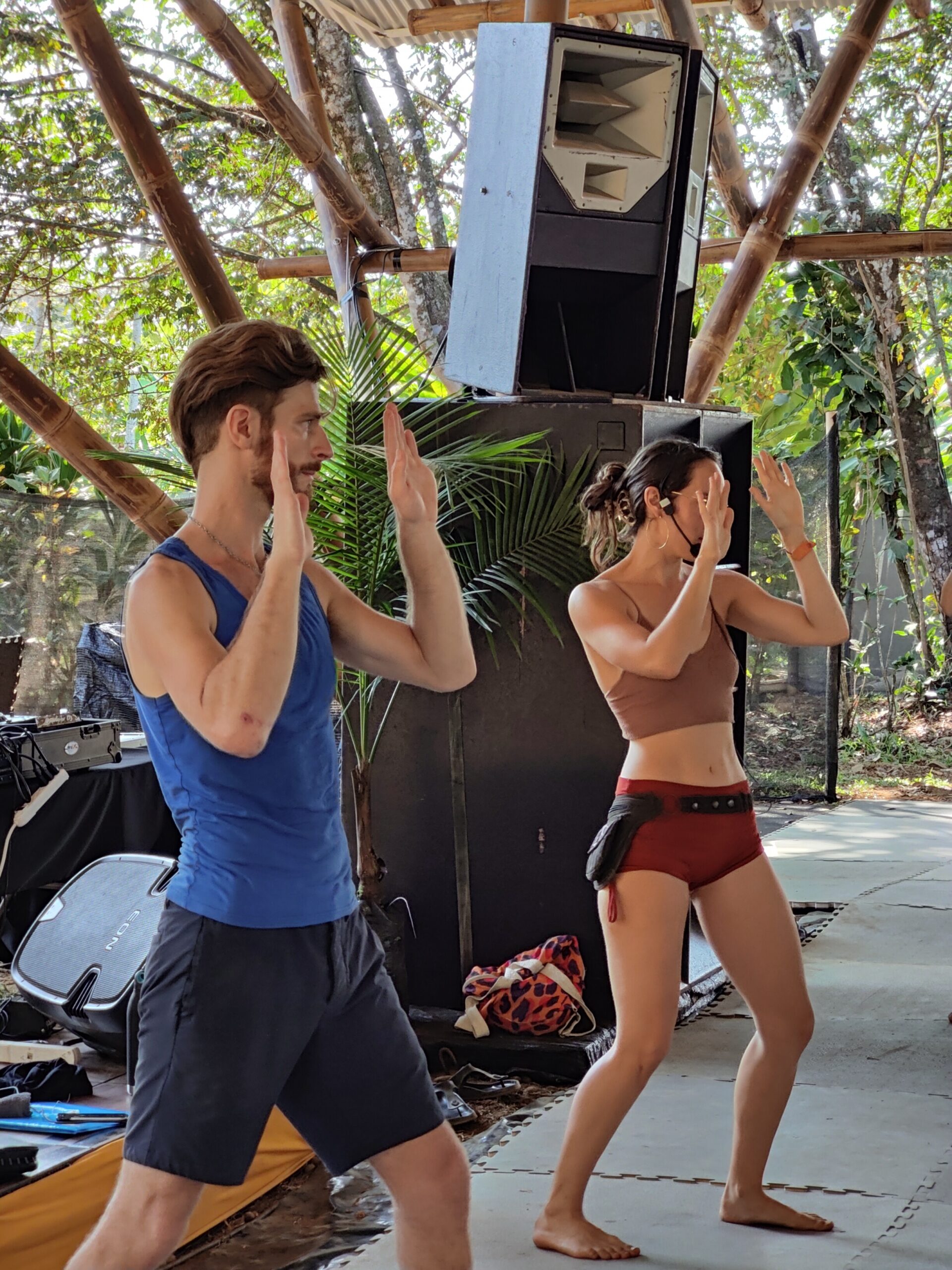
    Teaching Empowerment Self-Defense & Assertive Communication at Envision Festival, March 2023.
    Photo Credit: Hestia Photo Experience.

    Originally published on Roofnest.

    How to set boundaries and utilize assertive communication tools in any culture and any situation

    Stories of harassment and stalking for solo female travelers are a dime a dozen. At home as much as on the road, a woman’s body, space, and boundaries are liable to be disrespected on a daily basis. Assertive communication can make a world of difference—wherever you want to go in the world.

    Harassment is an unforgivably common part of the female experience, and it has become unremarkable in its ubiquity. However, just because we have normalized this behavior, that does not mean it is in any way acceptable. 

    Particularly for women traveling alone, harassment can be a serious issue, causing feelings of insecurity, potentially leading to serious danger, and almost always turning an epic adventure into a battle for basic respect. The good news? It is entirely possible—and necessary!—to communicate and enforce boundaries with grounded assertiveness whenever you feel unsafe or at risk. 

    It may feel uncomfortable at first. That’s okay. It gets easier. You’ll probably even start to enjoy your newfound no-nonsense communication style after a while. 

    You have a right to move through the world without the socially mandated protection of a travel companion or partner. You have a right to define and defend your boundaries, regardless of who is traveling beside you—if anyone.

    As women, as travelers, and as human beings, we have an opportunity to practice setting and standing up for our boundaries in small ways every single day. As a self-defense instructor, I believe it is imperative that we do so.

    In this blog I will share my top three strategies for boundary setting and assertive communication. These are my favorite verbal techniques to teach in my self-defense workshops, and I believe they are critical skills to practice in daily life—whether in your home territory, out on the road, or on the other side of the world.

    Note: While it is good to push beyond your comfort zone and engage with an unfamiliar culture as much as possible, a hard no is still a hard no. Cultural differences are real, and may impact norms around communication, personal space and physical affection. Nonetheless, you are in charge of your body and your space, and ultimately you decide what is okay for you, and what isn’t.

    3 Fundamental Boundary Setting Techniques for Solo Female Travelers:

    1. Say No. As a solo traveler, you should quickly get comfortable with saying no: “No, I don’t need a taxi.” “No, I don’t want a guide.” “No, thank you, that’s beautiful, but I don’t want to buy it.” It can be a “no” with a smile, or a “no, but thank you so much.” However, if the message isn’t getting across with gentle, polite communication, sometimes you have to be more assertive: “I said no,” on repeat, with an even, low tone of voice and confident posture, usually gets results.

      Unfortunately, just about anywhere you go in the world, a woman’s “no” doesn’t receive the same immediate respect as a man’s. Nevertheless, “no” is a complete sentence, requiring neither apology nor explanation. Do not fall into the trap of negotiating over your no, or you will end up spending time, money, and energy on conversations, things, and people you don’t actually want. Of course you can apologize or explain if you want to. The point, as I am constantly reminding students in my self-defense classes, is that it is a choice, not an obligation.
    2. Be a Broken Record. When dealing with harassment—unwanted touch, flirtation, or other behavior—a similar technique works well. Choose one line (e.g. “I don’t want to talk right now.” “Do not touch me.” “Leave me alone.”) and stick with it. It is hard to argue or manipulate past stolid repetition. Be a broken record, repeating your one, assertive line until the person gets the message. There is no need to shout or get defensive unless the harasser becomes more threatening.

      A low, even tone, confident body language, and a refusal to enter into any negotiations (but why? Come on… I’m just being nice, etc.) can put a stop to a lot of unwanted behaviors.
    3. Name and Change It. An alternative strategy involves “naming” the behavior we want to change or stop. This is one of my favorite techniques. 

      We first name the behavior (e.g. “Your hand is on my leg.” “You’re staring at me.” “You’re following me.”) without questions or qualifications. Questions invite response, denial, or negotiation. In a dangerous or uncomfortable situation, we don’t want to start a conversation or argue over the facts; we just want to make the necessary changes to feel safe. 

      After naming the behavior, we demand the change we wish to see (e.g. “Stop touching me.” “Leave me alone.”) without feeling obliged to ask nicely or say please. If once is not enough, we can return to repetition until the message lands.

      I love this technique for several reasons. First, it leaves no room for doubt; we both know what’s going on here, and we’re not going to argue over that. Second, it alerts any bystanders to the situation. Finally, it clearly states a boundary: “You’re doing this. I don’t want you to. Stop.” If the behavior persists, we then know a person does not respect our boundaries or care about our needs.

      If the situation calls for it, you may also want to turn up the volume. Yelling has been shown to prevent as many as 50% of assaults against women. The voice is a powerful self-defense tool. To yell effectively, be sure to use your belly—singers, actors, and public speakers will already know how to do that—to protect your vocal chords and bring more power and resonance to your voice. I encourage trying this at home! Tell your neighbors you’re taking an acting class (this explains everything), grab a few friends, blast some music, and practice shouting “NO!” as loud as you can. Remember to yell from your center; it can be helpful to keep your hands on your belly as a tactile reminder when practicing.

      People who attack, assault, or harass other people are not superhumans. They are vulnerable to someone shouting in their face, the shame of being called out publicly, or the human discomfort of being confronted directly with their bad behavior. While it should never, ever be anyone’s responsibility to avoid assault or harassment—and a victim is never, ever to blame—these are real risks, especially for women, everywhere in the world. Whether close to home or abroad, we should all feel prepared to take our safety into our own hands.

      Solo travelers, what are your go-to strategies for setting boundaries and keeping your communication clear and assertive? Share your wisdom in the comments!

      Want to learn more solo travel safety tips? Check out these 5 Essential Safety Strategies for Solo Travel.
  • From Dreams to Action with Regenerative Living

    From Dreams to Action with Regenerative Living

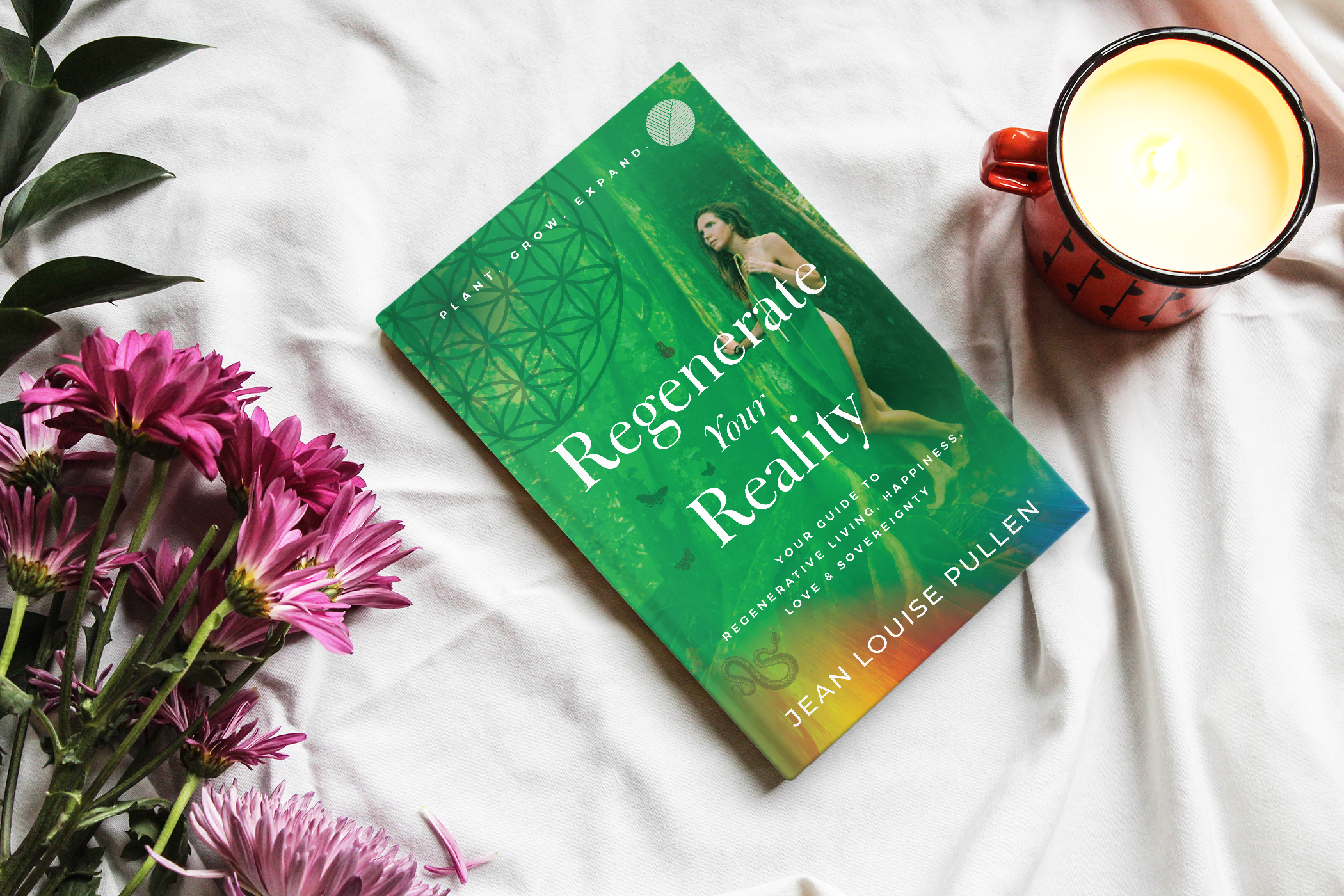
    An Excerpt from “Regenerate Your Reality: Your Guide to Regenerative Living & Sovereignty

    Guest Post by Jean Pullen

    regenerative living, regenerate your reality

    Jean Pullen is a multi-talented artist, gardener, cook, musician, writer, and entrepreneur. Jean is founder of Regenerate Your Reality, partner & director at  Jungle Project, and a Soil Advocate at  Kiss the Ground. Jean believes we can be part of the solution to the climate crisis, and that we all can play our part by living regeneration and coming back to our essence of love.


    regenerative living, regenerate your reality

    Writing a book about my regenerative lifestyle has been such a unique journey, and it wouldn’t have been the same without the support and involvement of many special humans, whose contributions appear throughout my book.

    Toby is one of those humans. She has also been my editor, walking me through the entire book creation process. I highly recommend working with her 🙂 I am so grateful for the beautiful insights and inspiration that she brings to my book, and I appreciate her allowing me to share a small piece of what we’ve co-created on her website.

    I am so excited to share with you all an excerpt from my soon-to-be-published book, Regenerate Your Reality: Your Guide to Regenerative Living, Happiness, Love & Sovereignty, including a special contribution from Toby!

    The book is already available for pre-order. If what you read here resonates with you, consider buying your copy now at: https://www.regenerateyourreality.com/bookpayment.

    regenerative living, regenerate your reality

    Affirmation: I take action on my dreams every day.

    As I write today, I know I live my dream, every single day. Freedom is a state of mind, a vibrant and holistic way of life. It is easier said than practiced. The freedom I’m talking about starts with loving ourselves, accepting ourselves, and liberating ourselves from limiting beliefs.

    Happiness is not a destination; it is a way of life. When I began traveling solo, I entered a “thrival mode” (the opposite of survival mode) of creating my own reality.

    When we live our dream every day—satisfying our basic needs, cultivating self-love, and taking care of the earth and each other—we live with purpose. We paint each brushstroke with beautiful moments and cherish the simple pleasures.

    As I started to go inward and assess each aspect of my life, I understood what was real and what was illusory. I followed my heart through Central America, and I thought I would make it all the way down to Patagonia, but found my home in Costa Rica instead.

    Just because we are born somewhere, that doesn’t mean we can’t migrate. Our dreams and outlook evolve as we grow and learn about the world. When our dreams and perspectives evolve and grow, sometimes we need a different environment to contain them.

    Our dreams and goals ebb and flow with the cycles of life. They can change in an instant when we wake up from the “fog” of social conditioning, or from familial expectations, and start to find our own way.

    My dreams changed as I grew and learned, evolving from my childhood dreams, to dreams in my early twenties, to the dreams I have today. Sometimes our deepest beliefs can change, and we open to new opportunities our minds can’t even comprehend. Perhaps we reach all our dreams and goals, and then we still keep dreaming, living in the present and believing that everything is possible.


    “Maybe you haven’t even dreamed it yet!

    —Toby Israel, Author of Vagabondess, Founder of Mujeres Fuertes @mujeresfuertescostarica@vagabondesstravel

    We often talk about making our dreams come true. The sky’s the limit, that kind of thing…

    But, going out on a limb here, what about the things we never dared to dream? What about the possibilities that didn’t even enter into our orbit of awareness? What if the sky *isn’t* the limit?

    I’ve had a lot of conversations recently about the gnarled, labyrinthine trails we call our life path.

    I didn’t dream up this life; I lived it into existence, one day at a time. In fact, I couldn’t have dreamed it even if I’d tried! So many key ingredients hadn’t come into my path yet.

    I think it’s great to have goals and aspirations. They keep us focused and challenge us to grow. However, I would argue that when we limit (yes, limit) ourselves *only* to what we can dream, two things happen:

    1. We dream small, because we are scared to dream too big. I notice this in myself all the time as I vision new projects. Why do you think it took me so long to write my book? A travel blog was an “achievable” dream. But a book… What if I failed? Or worse, what if I succeeded?!
    2. We don’t know what we don’t know. I can’t plan a future full of people I haven’t met yet, experiences I have yet to live, and information I haven’t yet learned. I can only set goals that exist within the realm of conscious possibility. But what about all the possibilities I can’t even imagine.

    Ten years ago, I never could have imagined the life I have today. Today, I know that I have *no idea* what my life will look like ten years from now. The people, places, ideas, and projects that will populate it—maybe I haven’t even met them yet. I certainly haven’t dreamed them.”


    The Regenerate Your Reality Book is ready to pre-order!

    Regenerate Your Reality will plant a seed of restoration in your path and remind you that we are all forces of nature. Pre-order your copy now to get it early 2022: https://www.regenerateyourreality.com/bookpayment (A portion of proceeds will support the planting of three trees for each book purchased.)

    Thank you so much for reading! If you don’t know the project, Regenerate Your Reality uses permaculture, agroforestry, and education to bring sovereignty and happiness to our communities. ⁣It is our mission to restore the relationship between humans and the earth and build a regenerative future. Share the mission and learn more at www.regenerateyourreality.com.

    Be sure to follow Regenerate Your Reality on Instagram and Facebook to stay tuned about all our upcoming webinars, workshops, farm tours, and book release.

    regenerative living, regenerate your reality

  • The Floating Pirate Community you always wanted to Join is Real… & it has a Name

    The Floating Pirate Community you always wanted to Join is Real… & it has a Name

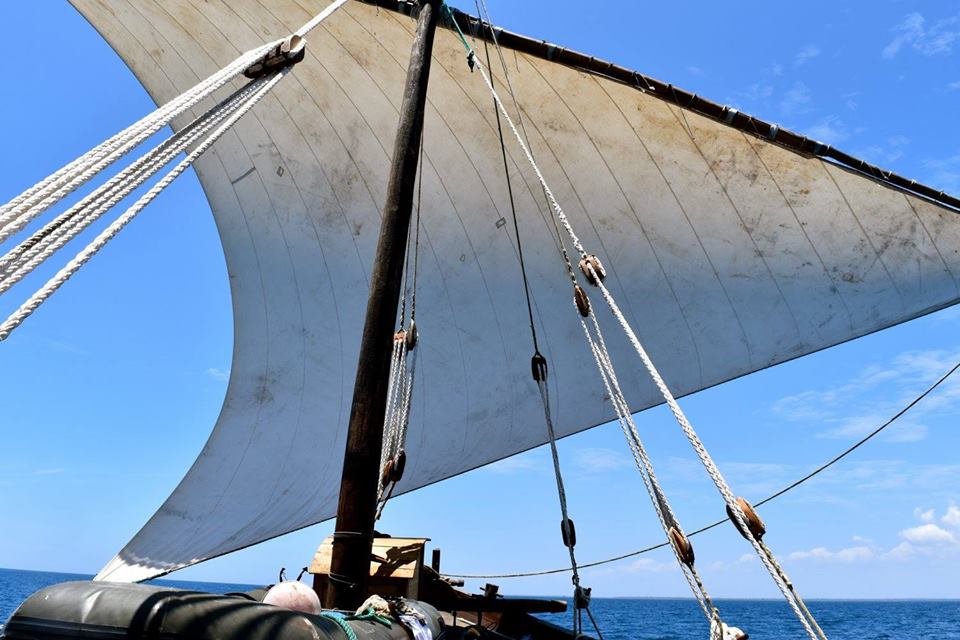
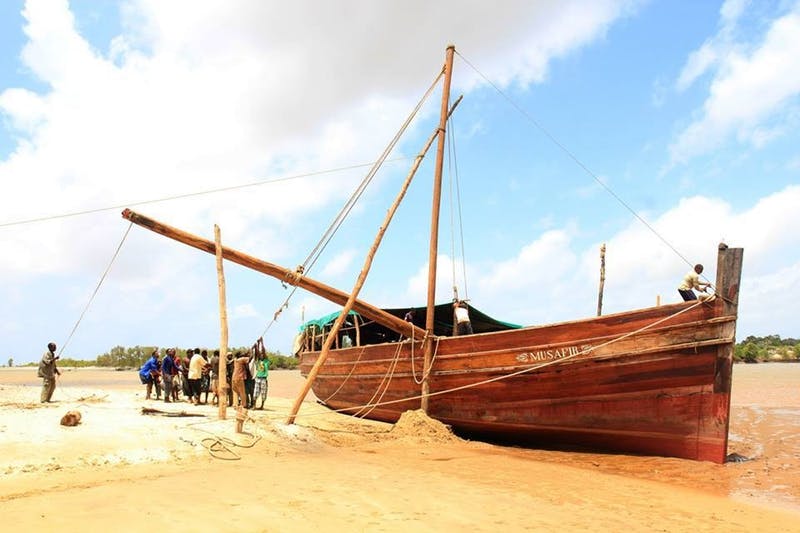
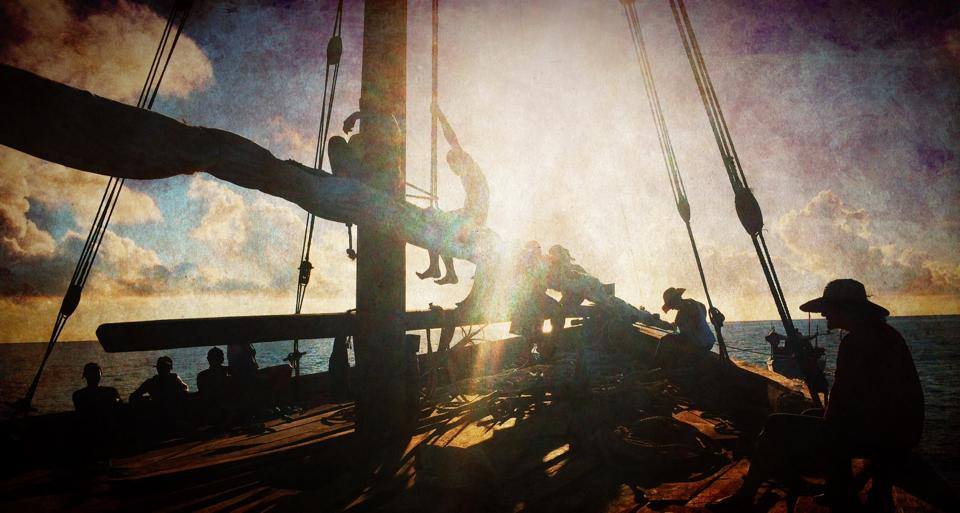
    Musafir is more than a ship. She’s an ideal—a vision and symbol of another way of life.

    Those who built her and those who meet her find themselves swept up by the singularity of her story.

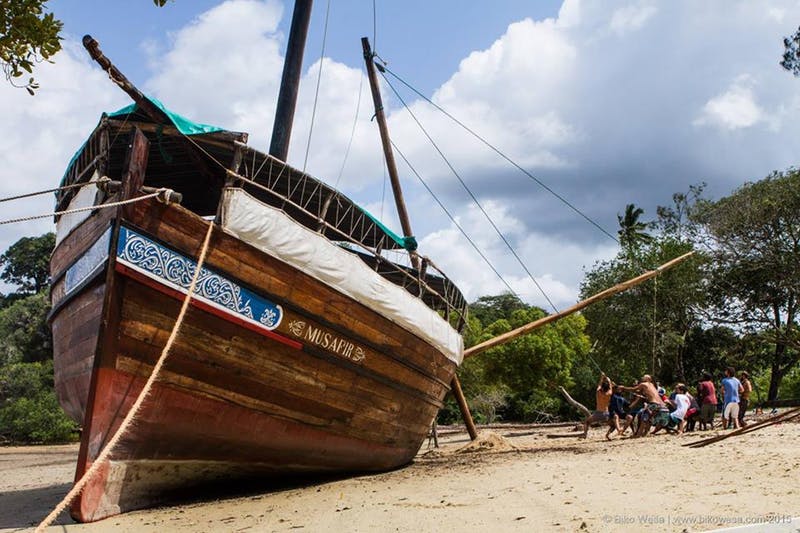
    Musafir—or Msafr in Ki-Swahili—is Arabic for traveler. And indeed, the soul of the 70-foot (21-meter) dhow is travel. When I met her in early 2015, she lay at anchor in Kilifi Creek, on the North Coast of Kenya. Just 3.6 degrees south of the equator, Kilifi rests in equal proximity to the chaos of Mombasa to the south and the ancient port town of Lamu to the north, yet remains utterly tranquil.

    During my two months in Kilifi, I visited the nearly-finished vessel often.

    sailboat, dhow, musafir, distant relatives, toby israel

    The approach to Musafir required a two-minute swim, or a one-minute kayak ride, through calm saltwater. At the boat’s hull, the water glowed a brilliant green as though illuminated by the vessel itself.

    Louis, a 30-year-old Frenchman from Burgundy who arrived in Kenya in September 2011, rested on board, a feather in his dreadlocks and a worn pair of shorts around his narrow hips. He had been building the Musafir for three and a half years.

    Work on the deck had begun only a week prior to my arrival, and a jumble of boards—some secure, others less so—sprawled before him. From several beams a collection of items hung: one hammock; woven baskets; a blue glass evil eye; a shard of mirror; solar lights; and a Kenyan flag.

    The mirror reflected the bright afternoon sun as Louis spoke:

    “It was the idea of freedom that called to me. The idea of doing something else. That’s why I started traveling, because I saw that this life that was suggested to me was not exciting. I think with this vehicle [Musafir] we can send a message somehow to the world. Not screaming it loud, you know, but by touching people pole pole [slowly in Ki-Swahili], showing that another way is possible. And if you follow your dream, even if you think “no, it’s impossible,” it’s possible.”

    Louis, along with an Italian man named Paolo, is one of the project’s “initiators.”

    kenya, sailing, dhow, kilifi, musafir, numundo, transformational travel

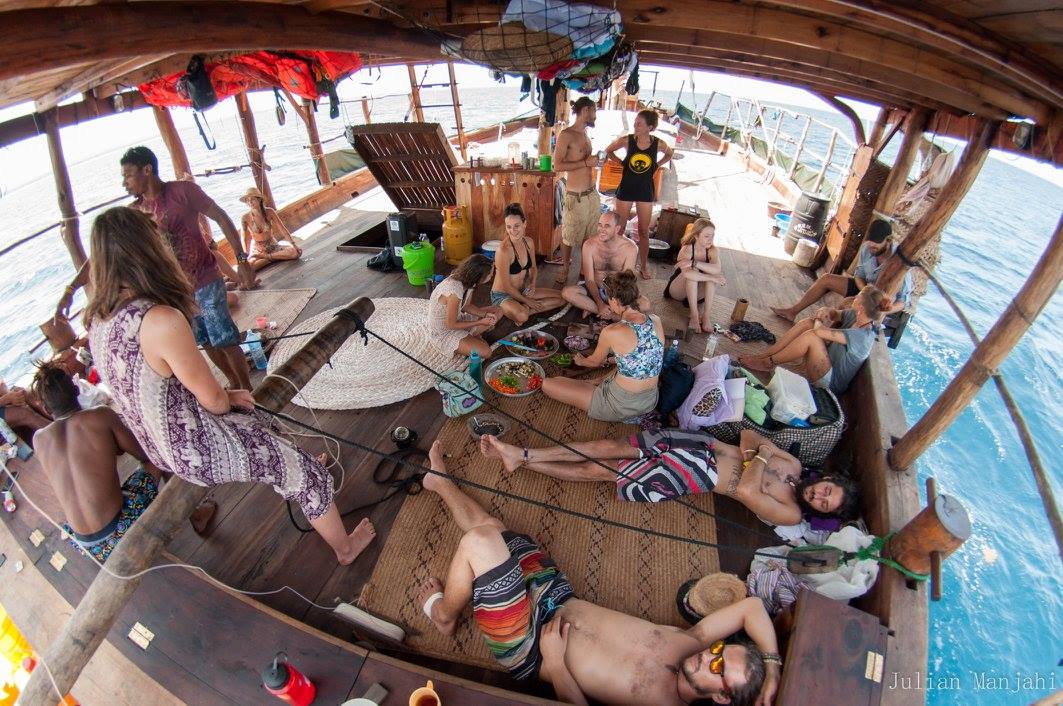
    In theory, however, “the boat belongs to whoever is on board.”

    He laughs and adds, “Me I’m just the Chai Wallah. My job on board will be to make chai and coffee. Just now, you know there are so many other jobs to do and no one else is around to do them.”

    The project relies on donations, crowdfunding, and—above all—the resources of those who have devoted their lives to actualizing it. Louis, Paolo and many volunteers repeatedly poured their savings into building costs.

    Historians differ on the exact origins of the dhow (a broad category encompassing many particular models). Some declare it Arab in origin, while others trace its roots as far as ancient China. A lateen sail and long, narrow hull differentiated the dhow from its Mediterranean kin. Many were constructed in Kerala, South India, known for the quality of its timber. Until Vasco da Gama’s arrival to Africa in the 15th century, wooden pegs and coconut rope—not nails—held the vessels together.

    Kipini has long been a notorious hub of expert Swahili construction, and thus a natural, far-off-the-beaten-path starting point. Musafir made its maiden voyage from Kipini to Kilifi (more accessible and less isolated) in November of 2014. In four days, she traveled 75 nautical miles, carrying fifteen passengers, a goat who would not see the end of the journey, and several chickens who would.

    Musafir, which, more precisely, is a jahazi (a Lamu-style dhow), is held together by copper nails rather than coconut rope. A few power tools for sanding and drilling assisted her construction, and she will eventually have an engine, too. However, Badi (the fundi, or master ship-builder), largely employed traditional techniques.

    Cotton canvas sail; old wood from Kipini; axes and sweat.

    musafir, boat, dhow, sailing, kenya, africa, adventure travel

    Building a boat of this size by hand is an endeavor few would undertake, but those involved agree that their labor adds inimitable depth.

    Louis elaborates, “Does it have soul? Does it have a special energy added to it? I think it does… Day after day of work, you start to know every piece, every nail. It makes it totally unique. You can be sure there won’t be two dhows like this in the world.”

    Dhows once traversed the Indian Ocean, sailing along the Arabian and East African coasts, and following the monsoon winds all the way to India and back. They carried dates from Basra, curved daggers from Muscat, gold and ivory, carved chests, spices and mangrove poles—and ideas. The dhow enabled the exchange of languages, people and ideas as well as goods.

    Likewise, Musafir will transport stories, goodwill, and possibly trade items. When the traveler and its travelers make port, “the vision is to have this exchange of culture—learning from communities and doing what we can to fill any specific needs.”

    Louis, Paolo and others made an exceptional effort to integrate into their temporary homes. They learned Ki-Swahili and befriended the Kilifi men who spend vast swathes of time cleaning the nearby beach. They drank mnazi (coconut palm wine) and worked closely with local experts.

    Cross-cultural understanding, they have understood, is an integral component of modern-day travel. Along the Swahili Coast—a vibrant blending of deep Islamic roots and centuries of Bantu, Arab and Indian influence—such insight requires time and complex awareness.

    musafir, distant relatives, pirates, community, travel, africa, toby israel

    What could inspire a group of unconnected people from around the globe to live and work together towards a common goal? It’s not the physical ship, though many involved love to be at sea. More than anything, it is the promise of freedom.
    Dario, a volunteer from Sicily, explained,

    “I think it appeals to people who are curious, adventurous… and who have a little craziness around, because it’s not a safe environment. I fell in love with the idea. To travel, to have access to any country. There are no roads, you know; you are just thinking where to go and you go.”

    Travel represents both a means and an end. For these Musafiri, there is no “after” in sight—only oceans and journeys to discover.

    Dario peeled a mango with a recycled blade and spoke over the snapping of the green tarp overhead as the wind churned and the light became hazy with the setting sun.

    “Musafir is about traveling,” he says. “It’s about life. It’s about getting to know new cultures, new people. It’s about growing, because while you travel across the globe you’re able to learn many, many things that can be illuminating. It’s about helping out as well. It’s an idea that can amuse people, because if you think about building a 70-foot sailing boat in order to travel around the world, wow, it’s a bit of a crazy idea. But eventually… You’re sitting on it. The boat floats. We’re here talking about it. So it’s a project that shows that if you really want something, you can do it.”

    To leave the ship, I could either climb down the rope ladder on her port side or jump into the warm waters of Kilifi Creek. The inimitable Distant Relatives Ecolodge was only a five-minute walk away. Their eclectic blend of earthy vibes and tropical hospitality served as a base for the Musafir team, as well as myself, for some time.

    musafir, kenya, kilifi, distant relatives, transformational travel


    When Louis and Paolo first arrived in Kipini, many of the villagers regarded them with suspicion.

    Why did they live in poverty while spending large sums on Musafir’s construction? Why wouldn’t they use the finished ship to turn a profit? With their long hair and beards, the villagers concluded, the men must be undercover Mossad or CIA agents come to spy on them.

    The answer to these questions, however, was and is simple:

    Musafir is not a business. She is a message.

    Dario concluded, “It’s important as well to come down here and understand what it means to take part in such a big project. It’s very challenging, and it’s wonderful in itself. It teaches you a lot—shows you great beauty.”

    For those who dreamt her into being, Musafir is a message of freedom and unity. She is a lesson in perseverance and an example of a way of life not yet lost to the world.

    When she sets sail, a traveler’s soul will go with her.


    Anyone inspired by this project has several options. One can, if the fit is right, sign on as a volunteer for several months. Alternately, one may support the project financially by donating here.


    Originally published on NuMundo’s Transformational Times. 

  • Wanderlusters: Running Away Doesn’t Work. (But Run Anyway!)

    Wanderlusters: Running Away Doesn’t Work. (But Run Anyway!)

    Originally published at elephant journal—7 September, 2016.

    This is fun.

    I’m going through some old writings in anticipation of a possible project or two, and as always, it is a fascinating adventure to chat with my former self.

    And while I’m not currently in the wildest of wanderlusting phases (actually, I’m solidly planted in Costa Rica for at least another 6 months while I cultivate events and retreats here), I still think this is some pretty good advice.

    For you, wanderlusters:

    wanderlusters, toby israel, travel light

    Hello, my name is Toby Israel, and I am an adventure addict and wanderlust junkie.

    And no, I’m not sorry.

    I won’t lie to you. What everyone tells you is true: you can’t run away from your issues. Nope, doesn’t work.

    Every sadness, heartache, loss, fear and insecurity has trailed me down the road of my nomadic life, following my sandy footprints like unwanted travel companions. If my heart were a backpack, you could not lift it onto your shoulders, so full it is of loves and lives. These things do not simply vanish into an Instagram-ready snapshot captioned, “Let that sh*t go.” Oh, no. Did you really think it would?

    Vagabonding, as I like to call it, has never solved a single problem. Not a crumbling relationship. Not a fear of heights. Not a longing for security.

    Indeed, “running away” is an empty promise. Walking off into the sunset, guitar slung across your back, Sufjan Stevens illogically emanating from the empty fields—I mean, come on, I can hardly write it, it’s so cliché.

    Here’s the thing: running “away” may be impossible—but beautiful, wise wanderlusters, you should run anyway.

    Run as far and as hard as you can.

    Run with purpose. Run with laughter. Run with mad, passionate glee.

    You’ll know when it’s time to stop—or you won’t, in which case you’ll keep running.

    Wandering isn’t a cure, but it is (I believe) a path.

    If that path calls to you, sowing iridescent oceans and unfamiliar cobble-stoned streets in your dreams, then honor the call. (If it really calls to you though, you don’t need me or anyone to tell you that.) Wandering won’t fix you, but it could uncover your self to your self.

    wanderlusters, toby israel, travel

    Would I have ever jumped off a 152-meter bridge had I not chased the magical yeti of adventure, facing a fear of heights in the process? Would I have hitchhiked 6,000 kilometers across Europe had I not answered my call and started to run? Would I have healed my heart had I ignored the balm of open skies and fresh wings—instead staying earthbound and numb in the familiar places I once called home?

    Maybe. Probably not. And I’d have far fewer stories to show for it.

    Sorry, but I am not sorry. I am every damn cliché you could write about the wandering millennial seeker roaming the world for years on end—and I am exquisitely filled with joy about it.

    Sometimes, we have to come back, go home, stay still to “find ourselves”—but maybe, just maybe, sometimes we’re waiting to be found at the end of a bungee cord, the top of a mountain, the last hour of an 800-kilometer trail. Wouldn’t it be a shame not to go and see?

    Remind me then, what is this thing I’m supposedly running away from? I cannot see it, for I am too busy testing my wings.


    Hey, feeling wanderlusty? Check out my upcoming retreats in Costa Rica and come hang out in paradise for a while! 😉

  • Choose Power: A Dream-Inspired Thought Experiment

    Choose Power: A Dream-Inspired Thought Experiment

    It’s been a wildly busy month, and though sharing something here has been on my to-do list every week, it just keeps getting pushed to the bottom. So as not to fall into the habit of not posting, I thought I would share this short thought experiment.

    About a month ago, I dreamt about a bus that wouldn’t stop. The more I yelled at the driver, the more he seemed to ignore me. I watched with growing panic as my destination disappeared behind me on the highway, until it became just a speck.

    But finally, the bus did stop. I thought I was angry… the driver was outraged! “Who are you?” He shouted. “Who are you to tell me to stop?”

    Hmmm.

    And so here is my thought experiment about choices and power and surrender and control:

    A post shared by Toby Israel (@tobyintheworld) on

    The bus is moving, and none of us gets to decide when we get off.

    Angry? Too bad, the wheels are still turning.

    Sad? You’re not the only one, but there are no breaks (…and no brakes) on this ride.

    Confused? Join the club—no one’s been down this road before.

    The bus is moving, and you don’t get to choose when it stops. The driver is deaf to your shouts of “slow down!” and “hurry up!”

    But don’t think that means you don’t have any power.

    You have all the power.

    You choose whether to yell or laugh. You get to decide to make a scene when the familiar vanishes in the distance—or to sit down and soak in the wild frontiers.

    You, and only you, determine how you react to the bumps, flat tires, detours and accidents.

    So someone stomped through with dirty boots. That’s alright too. Or maybe, for a few minutes, it’s not alright at all. Be angry. Be sad. Be confused. But then remember that you don’t have to be. Their dirty boots don’t have to be your problem.

    You still have power over you.

    Even though the driver doesn’t listen, your heart will. So tell it sweet things, always.

    A post shared by Toby Israel (@tobyintheworld) on

  • Remember: This Journey is Just a Walk in the Woods

    Remember: This Journey is Just a Walk in the Woods

    Uncertainty. How many times must I meet you before I remember your stubborn face?

    In work, in travel, in body, in love—nothing is truly stable, not at the core. That is the only certainty.

    I have learned this lesson so many times, it rolls off my tongue like a prophecy when I speak to friends and vagabonds-to-be about my lifestyle. Yet, I find I must repeatedly teach myself my own lessons, too.

    We’re all just human.

    We seek, endlessly, for a secure future, a safe home, a lasting relationship, a full stomach, a rich coffer. To do otherwise would render us saints or bodhisattvas. To do otherwise would mean to no longer be human.

    A post shared by Toby Israel (@tobyintheworld) on

    The best we can do, then—maybe—is to remind ourselves often that our search for certainty is futile… and then to go on searching anyway.

    The best we can do, maybe, is to see the humor in it all.

    To observe our fallible human hearts and laugh at them—and love them.

    Lately, I’ve been obsessing somewhat over where I’ll live when I return to Costa Rica in September. I know it’s too early to make this decision. I know. Each time I jump on the same cycle of thought, I remind myself of this. I stop. And then the next day I start all over again.

    It just is. Asi es.

    A post shared by Toby Israel (@tobyintheworld) on

    It’s okay. I’m human.

    I note without blame or frustration the patterns in my own life—the relationships where I’ve grasped at tomorrow, cities where I’ve hastily sought a room to call home, homes where I’ve ignored the “here” to plan my escape to “there.” I observe all this with a glint of happy laughter.

    What a blessing, to have arms strong enough to grasp and a heart strong enough to learn, over and over again, to relinquish control.

    “I know you’re tired but come, this is the way.” — Rumi

    A post shared by Toby Israel (@tobyintheworld) on

    This journey is really an aimless walk in the woods, but we forget that. In my imagination, the remembering goes something like this:

    Angel: Look how many beautiful trails there are! So many possibilities!

    Devil: But, which is the best route to get where we’re going?

    A: We’re not going anywhere, come on! Remember, we’re just walking for the joy of it.

    D: Right… right. Any path will do, just—

    A: Just what?! Any path will do. That’s all.

    D: Just, better be careful to choose the right one.

    A: What do you mean? There is no right way to get there if we’re not going to any “there” in particular. That’s the whole point.

    D: But, what if there are waterfalls on that trail? We wouldn’t want to miss out on any natural wonders, would we?

    A: And maybe there are unicorns on this trail. We just don’t know until we try, do we? We’ll see what we see and miss what we miss, and our walk will be exactly perfect.

    D: Might as well just stay here. Wouldn’t want to risk heading off in the wrong direction.

    A: Not an option. We’re walking. Anywhere. Somewhere. Nowhere. Does. Not. Matter. But we can’t stay here. Life is moving, and we have to move too. So get up, count to three, and choose.

    D: But, but… what about unicorns? And waterfalls? What about monsters? There could be monsters! No way, not worth the risk.

    A: One.

    D: Nope. Not going anywhere.

    A: Two. Remember: There’s no right way, only the way you choose to walk.

    D: Not sold. Monsters, remember.

    A: Wherever you walk, that is where you’re going. Three.

    D: …

    A: I’ll choose, then. That way.

    toby israel, vagabondess, nomadic, uncertainty, journey, choose, walk

  • How to Return when there is No Turning Back

    How to Return when there is No Turning Back

    The plane lands. The boat docks. The train whistles as it arrives at the station.

    You step off. Pause. Look around.

    Friends and loved ones wait with brilliant smiles and open arms to welcome your return. They look just like the pictures you carried in your mind, and yet… The station looks just like your memory of your departure, and yet…

    Is this home? The place you left? It feels different, but you know it has not changed. No, you have changed. Or rather, you have become more yourself, and you do not yet know how to share this new, deeper you-ness with these specters of an earlier time.

    You have crossed oceans, scaled mountains, fought dragons, and befriended shadows. You have faced challenges you could not imagine, and you have learned your strength.

    But this. This seems insurmountable. How can you possibly carry your lessons back? How do you return?

    A post shared by Toby Israel (@tobyintheworld) on

    Reintegration. Maybe this is the hardest part of the journey. The return.

    I know this. We all do. It’s archetypal stuff. Gather so much beauty, so much wisdom, so much knowing—but then, how to bring it home, into the body, into the mind, into the world?

    The heart opening, horizon shattering, mind growing is the first step, not the end of the road. For every obstacle we overcome, there is a higher one around the bend. For every road we walk, there is a longer one still to travel. For every difficult journey we complete, there are yet more turbulent waters to navigate up ahead:

    The return.

    Everything that follows.

    We come back from our journeys changed. More sombre, or more joyful. Heavy with nostalgia, or lighter with all the baggage we have dropped along the way. Wiser, or more innocent—or both.

    A post shared by Toby Israel (@tobyintheworld) on

    We live more lifetimes than we could hope. We die small deaths, traverse dark nights, emerge at dawn with new perspective. None of it matters, and yet—I go on, we go on, because the sun still shines. Because the leaves still whisper. The birds still call. The guitar strings still vibrate.

    Just as they have always done.

    And so we still follow rules of time, of dress, of conduct. We still shine, speak, sing, dance, play—just as we have always done. But we feel like crying and laughing both, because we won’t be the same. We will never be the same.

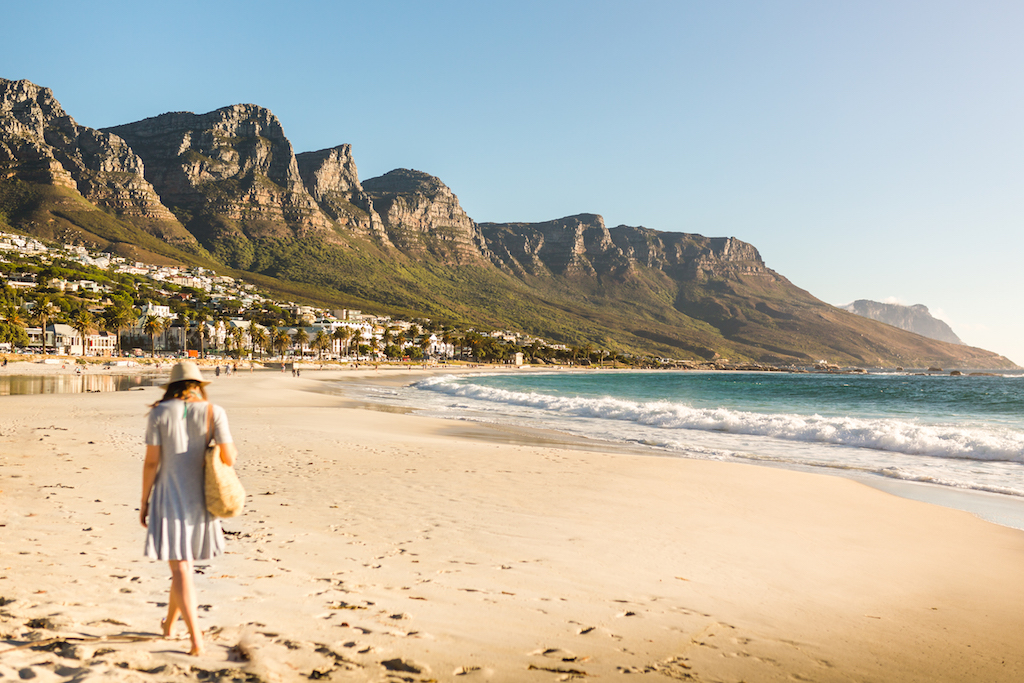
    the return, cape town, toby israel, beach

    We have traveled far. We have met dragons. We have shed the layers of ourselves, and now we put them back on. Now we return, full of questions.

    We have said hello to the unknown and moved beyond it. We have touched secrets and tasted their blessings on our tongues, our skin, our hearts.

    One thing is certain. There is no turning back.


    Beach Photos Used with Permission from A Different Story Studio

  • Microadventure in Costa Rica: 3 Snippets of Daily Life

    Microadventure in Costa Rica: 3 Snippets of Daily Life

    Whether I’m hopping continents or battling insects in my jungle house, life is always some kind of a wild ride… or a microadventure!

    These days, I’m not moving around much. Between organizing events, being a full-time masters student, and working on the amazing NuMundo platform, I haven’t had time for big travel.

    And I feel pretty great about that, because every day is already an adventure.

    I read an article once about microadventure that meshed perfectly with my own vagabondish philosophy. According to Alastair Humphreys, microadventures are “short, simple, local, cheap—yet still fun, exciting, challenging, refreshing and rewarding.” I would expand that definition even beyond planned experiences; to my mind, a microadventure occurs anytime we approach a situation with a spirit of “I am here,” “anything can happen,” and “might as well play in the rain.”

    Travel, adventure, exploration—they’re not about taking that one “trip of a lifetime.” In fact, if we only make one grand tour and then spend the rest of our lives in mundane monotony, I think we’ve lost the plot…

    microadventure, costa rica

    Below are a few microadventurous snippets of pura vida, Costa Rica style. I hope you will try slipping on on some adventure-colored glasses and looking at your own days through a similar lens:

    Trickster Monkey

    A post shared by Toby Israel (@tobyintheworld) on

    There is one particular monkey who likes to play in the banana tree just outside my porch. One day, I ran to see what was happening when I heard him thrashing around through the palms, then watched as he tore all the white petals off the top of the purple banana flower, then nonchalantly dropped them to the ground one by one. ]

    I don’t think he wanted to eat them, was only making trouble. The monkey thrashed away just as loudly as he had come, and I was left laughing to myself about the absurdity of the scene.

    Insect Wars

    A post shared by Toby Israel (@tobyintheworld) on

    “Can this kill me?” I’ve never asked this question so often before, but the diversity of small and threatening wildlife that appears in my jungle house is really unprecedented. One night a baby scorpion appears on my cutting board when I turn my back for a minute. The next, a freaky, sneaky-quick spider flashes along my wall. And the next? Could be a millipede in my shoe, a black widow spider under my table, or an army of ants in my sink. I check my shoes before putting them on. I catch and release bugs, whose names I’ll likely never know, on a daily basis.

    weird bugs, microadventure, costa rica

    When I think or write about living in attunement with nature, this is the part I always conveniently omit. I don’t like these critters—especially when they fly up my nose or bite my ankles, but I do coexist with them. And then, these bugs are the part I conveniently omit when I talk about how much I love living alone. No one is going to deal with the dead lizard, the spider eggs, or the creepy flying creature if I don’t. But that is a good thing.

    Sunday Morning Gratitude

    gratitude, hammock, costa rica, microadventure

    Sunday morning hammock time. I’ve managed to crawl out of bed without my dreams, which slipped away too quickly. I thought about going down to the river after a long rainy season hiatus, but my body is calling for a slower start. I sit in my hammock and catch the sun through my eyelashes.

    Jungle mornings. It will be hard to live in a city again. Wake up to birds, green-tinged sunlight catching the steam rising from my tea, yellow-flowering bushes pushing their noses up against the porch screen—and sometimes raccoon creatures too. Sure, the spiders and lizards and stupid flying beetles win some battles, but if the war is to live a good life, then I think I’m winning.

    Gratitude—for this home, this body this earth, this opportunity to honor it all by living. I don’t write about it every day, but it is always there. The roadblocks don’t even register against the generosity of it all. It is a blessing, this steam rising in the sun. It is a blessing, this exuberance of birdsong. It is a blessing, this gentle rocking, this skin, this heartbeat, and this one, and this. It is a blessing.

    A post shared by Toby Israel (@tobyintheworld) on


    On my way to Guatemala this afternoon—will report back with tales of Lake Atitlan, Cosmic Convergence, and anything else microadventure… or macro! 🙂

  • On Growing Wings & The Value of Figuring It Out for Yourself

    On Growing Wings & The Value of Figuring It Out for Yourself

    wings

    I have the clearest memory of asking my father for help tying my shoes.

    I was sitting on the bottom step of our unfinished basement—I must have been around four years old—trying to remember something about a rabbit and a hole. And there was my father, who already had all the knowledge I needed about shoelaces and rabbits; he could help me.

    But instead he said, “You can tie your shoes yourself.”

    And I did.

    Maybe that memory is real. Maybe my mind constructed it out of dozens of memories like it. I don’t think it matters.

    My parents pushed me to “tie my own shoes” throughout my childhood in countless ways, large and small. It’s one of the gifts for which I’m most grateful. Without a doubt there is a fine balance between holding a child’s hand and pushing them out into the world alone. I have no idea what that balance is—one of many reasons I’m not a parent.

    As an adult, I’ve made a religion of self-sufficiency. Perhaps I’ve taken it to too much of an extreme, but that is what I have done. Solo travel, distance walks, one-way flights to countries where I know nobody, constant seeking for edges—my own, and the world’s…

    Some people are adrenaline junkies. The Unknown gives me my high.

    When I moved to Cape Town for the first time in early 2016, I didn’t know anyone there. I came with a name—a friend of a friend—and an address. When I found out that the house I’d already paid a deposit on was nowhere near the center of the city, I hitchhiked my way to climbing gyms, dance classes, and cozy cafes until I figured out the informal shared taxis.

    Would it have been easier to have friends, family, or resources at my disposal, ready to give me rides, show me the ropes of a chaotic transport system, and introduce me to new friends? I’m sure it would have—but then, would I have learned as much?

    I’m a firm believer that we grow fastest and fly farthest when we push ourselves well beyond our comfort zones. Experience has taught me a key paradox to traveling (and living) in a state of discovery: To thrive outside our comfort zone, we must trust, absolutely, that we can thrive outside our comfort zone. But to truly believe in our capacity for flight, we have to fly.

    In essence:

    “We have to continually be jumping off cliffs and developing our wings on the way down.” — Kurt Vonnegut

    Now, there are a few key elements to this jumping-off-cliffs-and-growing-wings business…

    First, that balance. We are none of us an island, as a wise writer once said, more or less. For every cliff we jump off alone, there may well be another to whom we say, “not today,” and third on which we find a companion to hold our hand on the way down. Balance.

    Second, support. While my parents were teaching me to tie my own shoes, they were also giving me love and support every step of the way. I am blessed to know that my family and friends are always there, ready to cheer me on when I fly, or pick me up if I take any knocks on the way down. Family, friends, community—a support system, even if we never call on it, makes it so much easier to jump.

    Third, will. You could argue that personality or background determine our ability to grow wings, and I would disagree with you. While stubbornness is my dominant personality trait, and I don’t like following directions, I have met so many others far more resourceful than I, of every possible personality type and cultural background. I don’t believe it is personality; it’s will. Tautological though it may sound, to figure it out for yourself, you have to want to figure it out for yourself.

    To grow wings, you have to grow wings.

    Easy?

    Wrong question. It’s possible, and that’s really all we need to know.

    Happy flying!


    Many thanks to a good friend here in Costa Rica, whose conversation on this subject pushed me to articulate what exactly I think about it!

  • But Still: A Short Story on the Wisdom of Trust

    But Still: A Short Story on the Wisdom of Trust

    “Trust no one,” the wise ones said.

    Deep-lined faces, milk eyes clouded with all the memories of all the misfortunes of all the ages, they hummed with knowledge of the world’s evils and ills.

    “But why?” the innocent ones asked.

    Smooth smooth skin, crystal eyes free of such heavy knowing, they saw only beauty — believed in the bright spark glowing in all the souls of all the bodies of all the beings around them.

    “Take heed,” the wise ones replied. “Once, we were like you, crystal eyes and silk skin and child hearts untouched by sorrow. But now, but now, but now, but now…” the fragments of harsh lessons learned echoed in that mournful “but now.

    The innocent ones began to look around them with more caution.

    The knife-edge teeth of the sharks — who had once been their friends and accomplices in underwater adventures — suddenly inspired fear. The midnight eyes of hawks and gulls — who had once delighted the children with their dramatic displays of flight — now reflected frightened stares.

    The highest branches of the oldest trees — once safe refuges of friendship and warmth — revealed the word Danger writ into the grooves of their bark.

    The knowing, the knowing, the knowing — it descended upon the children like a milky white shroud, swirling thoughts of evils and ills in once-clear minds, and soon it was they who echoed the mournful tales of the ancient wind and rocks around them:

    But now, but now, but now.

    Yet, not all the children bowed before the knowing and donned the severe cloud eyes of the wise ones.

    No, there were the other ones too, and when the wise ones said Trust no one and the innocent ones asked But why, these last few held up a hand for quiet and called softly, “Wait.”

    And some of the innocent ones stopped to listen.

    The other ones continued, “Once, we were like you, crystal eyes and silk skin and child hearts untouched by sorrow. Now, our eyes, our backs, our hearts, too, carry all the memories of all the misfortunes of all the ages. Our skin, too, carries knowing in every pore.

    Yes, the world will knock you down, cheat you, hurt you, lie to you and disappoint you. You will not be innocent forever; the wise ones speak true…”

    And then, milk eyes creased in child heart smiles, and the other ones echoed the joyful melody of the waves and the sky and the mountains around them:

    “… But still, but still, but still, but still —

    the spark you see in all the souls of all the bodies of all the beings is there.

    But still, but still, but still —

    Trust anyway.”

    trust


    Originally published at Rebelle Society.

  • What to Do with a 10-Hour Train Ride

    What to Do with a 10-Hour Train Ride

    I’ve done that thing again.

    That thing where I look at plane tickets, look at train tickets, enter all available data into an elaborate equation (something like, Value = Adventure / Cost + Adventure x Time + Cost/Environmental Cost) and decide to take the ten-hour train.

    Again.

    You see, adventure counts twice in my calculations… and I value my time a bit differently.

    So I’m sipping on free hot water (having exhausted my ten-hour snack supply in just over seven hours), watching an obstinately rainy day pass me by—all the way from Vermont to Philadelphia.

    It’s not a bad day for a train ride, I have to admit. The sky is a study in gray. Wisps of cloud catch in green hills, blur the horizon, put me to sleep.

    I wake up quickly; I think my feet are getting frostbite. I set up camp in the cafe car. Consider diving into a pile of work. Think the better of it. Return to staring out at the nondescript, along-the-tracks landscape.

    I’ve taken so many absurdly long train, bus, and ferry rides, keeping count lost all meaning a long time ago. Barcelona to London: Why go in two hours when you can take two days, via Paris and the Chunnel? Tangier to Barcelona: What fun is the plane when a thirty-hour boat ride gets you 100% there? Stockholm to Turku: Thirteen hours and no regrets! Goa to Kolkata: In hindsight, maybe forty hours was a a bit long…

    A love of slow travel, a desire to lighten my footprint whenever possible, and a stubborn resistance to doing things the easy way all feed into these choices.

    But I realize that whiling away an entire day—or more—on a train doesn’t come without practice. I haven’t forgotten my astonishment at my fellow passengers in Nepal, where I took some of my first twelve-hour bus journeys. They put me to shame, doing nothing for the entire journey, never complaining, and maintaining perfect serenity during the hours of touch-and-go traffic leaving Kathmandu Valley.

    And so, if you have a ten-hour train journey ahead of you, or another trip just as daunting, I’d like to offer a few of my favorite activities to help you pass the hours:

    1. People watch. This activity could, without exaggeration, occupy all ten of those hours, especially when coupled with eavesdropping. The man in the seat behind me telling another passenger how he never learned how to read words, only concepts. The woman across the aisle discussing, at length, a petty workplace drama. The endless procession of human faces, voices, expressions—mundane and extraordinary at once. Yes, one could certainly people watch for ten hours.
    2. Crochet, or otherwise make things. When I traveled from Philadelphia to Miami by train in 2013, I spent about four hours of the thirty-hour odyssey crocheting a hat for a particularly odd and impressively drunk character sharing the cafe car with me. Activities that occupy the hands but leave the mind free to wander are ideal for long trips.
    3. Read. Bring a fresh book you know you’ll love. The longer the better. This time I brought The Wayfinders by Wade Davis, and it enthralled me. If you’d happily sit on the couch with a good book all day, you can stop reading right now; your ten hours are sorted.
    4. Write. Whether or not you’re a writer is beside the point. Write down observations, stream of consciousness, the funny things people said while you were eavesdropping. These words may serve some purpose later on, or you may never look at them again. Also not the point.
    5. Make lists. If you can’t think of anything else to write, there are always lists. I happen to love lists—the way they sit uselessly on my desktop after I make them, their satisfying list-ness, the irrational sense of efficiency I feel when writing them. Maybe you’ll be equally entertained by this activity… or maybe not.
    6. Eat. On travel days, I drop any preferences or pretenses I usually have about food. Today I feasted on cherries and leftovers, but sometimes it’s chocolate and chips. While normally I wouldn’t advocate for eating out of boredom, long train (or bus, or ferry) rides are a special exception. Entering a liminal space, free from the normal constraints of time and metabolic physics, is one of the advantages of traveling this way after all.
    7. Work. Just kidding—travel days aren’t work days! Be it a lack of reliable wifi or the soporific rattling of tracks, these journeys don’t usually support much work. But if you need to get things done, there’s certainly time.
    8. Do nothing. Nothing nothing nothing. Stare out the window and daydream about mountains that hold up the sky. Close your eyes and turn the rocking of the train into music. Lean back, put your hands in your lap, and just sit there. I think we could all do with a little more nothing in our days. A ten-hour train ride is a good place to start.

    Additional uses of time that may inspire you: listening to music, meditating, talking to strangers, walking up and down the aisles, stretching, deleting old files off your phone, gobbling fresh air in the areas between coaches…

    Think that just about covers it!


    How do you pass a long journey? Please share your favorites with me!

  • How to Go Out Alone (& Not Hate It)

    How to Go Out Alone (& Not Hate It)

    It’s 2009, and I’m eighteen. Paris is home for the year.

    It’s a chilly night in early winter. Ten or eleven o’clock. I’ve just gotten off the metro somewhere in the center of the city.

    Buzz. Buzz. The text messages, which don’t yet reach underground, arrive in a flurry. “Can’t make it.” “Running late. Might bail.” “May come later. Not sure.”

    Well shit. I’m not going in there alone. My first instinct is to flee right back the way I came.

    But then I glance at the bar—warmly lit wood and brass, clientele dressed in the ultra-chic black uniform of the city—and my natural stubborn streak takes over.

    So what if no one else is coming? It’s Friday night, and it took me forty-five minutes to get here. I’ll be damned if I go home without at least checking out the scene.

    I open the door. Step into the warm light. Rest an elbow on the narrow wooden bar. Order a glass of wine—white, I think.

    The clamor of several dozen voices reaches my ears at once. I absorb it as I sip my wine, but before long someone strikes up a conversation with me, and my focus narrows to just one. I practice my French. Find that it comes easily with strangers, without pressure. Somehow I find myself at a table with a dozen young people from the south of France. Celebrating a birthday—I think.

    The evening flows, and I leave for home many hours later, glowing with perverse satisfaction more than anything. I went out alone, and it didn’t suck. So there, world!


    I’ve been meaning to write this piece for years. All credit goes to the friend who asked me last week what I did about going out alone when I travel: Thank you for reminding me.

    That night in Paris was, in a way, a pivotal moment in my solo travel career. It’s one thing to hop on a train alone, sightsee alone, or even eat at a restaurant alone. We might do all of these things with ease, yet panic at the thought of entering a bar or club without backup. And by “we” I mostly mean “we women,” as that is the experience I feel I can speak to.

    Why? Why is this the impassable limit of independence?

    Well, first off, we’ve had it drilled into our heads that this simply is not done. That old fear rhetoric strikes again. Creepy guys, lechy guys, drunk guys; social stigma, weird looks, pitying stares; feeling lonely, awkward, unpopular, uncomfortable—

    Ahhh stop! Forget it. Let’s never go out alone. We’re convinced. Right?

    No! Let’s go out alone, because, as usual, reality is better than our imagination—and certainly better than our nightmares.

    I went to bed that November night in Paris feeling empowered. “Not sucking” may seem like a low bar for an evening out, but when we’re conditioned to expect utter disaster from any solo foray into social adventures, “not sucking” is actually high achievement.

    In the years since, I’ve often gone to pubs, live shows, dance clubs, bars, and festivals alone. Sometimes I even—gasp—prefer it. Story for another time.

    going out alone, dance, dancing

    I think the “how” of going out alone is fairly self-explanatory, but I’d break it down something like this:

    > No expectations/low expectations. If you’ll happily go home disappointed, a nice evening out is a pleasant surprise.
    >> Stay sober-ish. Obvious. Safety in self-possession, especially if you’re trying the solo adventure thing.
    >> Stay open—to possibility, to people, to surroundings. There’s potential in everything.
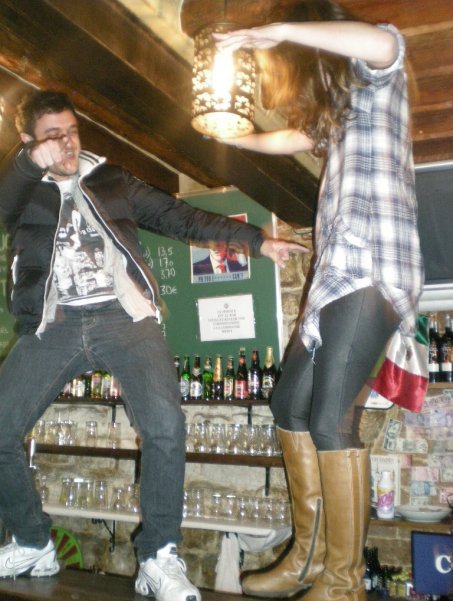
    >> But be prepared to deflect all the kinds of creepy. Welcome to the world. Books are excellent shields. So are crazy-arm, spinning-jumping dance moves.
    >> Just open the damn door and go in.

    Worst case scenario? It’s terrible, you go home, and you can blame me later for even suggesting such a thing.

    Best case scenario? You learn that you truly can do anything, because you’re a badass, and life isn’t as scary as everyone tells you.

    Cheers!

  • The Wild Song and Where to Find It

    The Wild Song and Where to Find It

    Seek. Wildness.

    The signals have been clear for a while now. Years. This is one of the most important things we can do in our overly sanitized, regimented, domesticated world.

    This is the wordless impulse that drives me ever further into the waves, the mountains, the physical and spiritual frontiers of the man-made. That galvanizes me to push the limits of my body, break past the boundaries of my known experience. This is the imprecise call that sent me on a vision quest, on an 800-kilometer trek across Spain, and next on a week-long journey into the wilderness of northern Greece.

    There is a song; I believe we all know it, whether we recognize it or not. It sounds like the sun on pine trees and tastes like bold green and smells like an almost-forgotten dream. It instructs us to seek wildness.

    Every so often, I try to do its bidding.

    If you have the slightest interest in eco-restoration or rewilding, I highly recommend a book by environmental writer George Monbiot called Feral. In it, he imagines a world—perhaps utopic, but nonetheless exhilarating—which is not free of humans, but free of human arrogance. In this world, elephants and lions, wolves and bears once again roam their natural habitats in Europe. In this world, human beings have relinquished the delusion of mastery and allowed a far wiser, far older system of order to reestablish.

    In that world, we wouldn’t need to seek out wild places, because they would exist in abundance. Perhaps the same would be true of our internal landscapes…

    In the meantime, however, it is not always so easy to immerse in wildness. That is why I am traveling to the mythic, mystical island of Samothraki to participate in a Wild Wandering School run by my good friend Casparo Brown.

    There I hope to learn a few more of the words to the wild song that so enchants me.

    But I’m not writing this post out of self-congratulatory narcissism (that’s what mirrors are for). I am writing in the hope that you will stop, for a moment, and listen.

    That song—the one that sounds like pine and tastes like green and smells like a lost past… you don’t have to travel so far to hear it. Sure, the wild places in our world are harder and harder to reach, but the ones within haven’t gone anywhere.

    I hear that wild song in un-self-conscious dance. In play. In getting lost. In risk. In fear. In hunger. In wonder.

    If you listen, maybe you will hear it too.

    Seek wildness.

    Put down the screens, the structure, and the insipid sterility for a minute and close your eyes. Underneath the rules ripples a harmony far wiser, far older than you or me.

    If you listen, maybe you will hear it.

  • 7 Hardcore Life Lessons Travel Teaches Faster

    7 Hardcore Life Lessons Travel Teaches Faster

    Travel is a relentless teacher.

    There are no bathroom breaks, no question and answer sessions, and no weeks off for study or review.

    We jump in, and there we are. We learn on the fly, or we fall on our face. Or, we fall, and then we learn to fly.

    Whatever the order of events, we learn, and we learn fast when we get out there. These are a few of the life lessons I’ve found travel teaches fastest:

    1. Let Go of Expectations.

    That time you think you bought an apple pastry at the Finnish supermarket, but when you bite into it the orange mush inside is anything but apple—and it might be tuna fish. The time you order the cheapest thing on the menu at a rural Kenyan restaurant, and of course it turns out to be beef tongue. When you board your train to Rome, and find out you’re heading to Geneva…

    Yes, life is full of surprises; never more so than when we don’t speak the local language, or are in too much of a hurry to ask questions. At some point, I realized I’m more surprised when I do get what (or where) I wanted than when I don’t.

    Welcome the unexpected.

    2. Eat the Food.

    I’m not vegetarian, gluten-free, paleo, vegan, low-fat or high anything else. While I’ve met many brave souls who stick to their dietary restrictions while on the road, I’ve learned it’s a hell of a lot easier (and maybe healthier) to eat whatever’s available. Not to mention unique culinary-cultural experiences don’t usually follow our rules. I frequently choose to eschew the privilege of choice (the eschewing of which, yes, is a privilege in of itself) in favor of honoring a friend’s hospitality or sampling a street snack I’ve never seen before.

    Eat the food. Maybe we regret it the next morning, but in the balance, it’s worth it.

    3. Be Flexible.

    Would you sleep in a boat? Would you sleep on a coat? Would you sleep on the floor? Would you sleep while they snore? It’s not Dr. Seuss; it’s a night in the life of a traveler. Parks, boats, train hallways, packed dirt, wooden pallet, moldy shack, noisy dorm—if you can name it, I’ve probably slept there.

    Flexibility is a skill, not an inbred talent, and one which I’ve cultivated over many years. Be it food, sleeping quarters, hygiene or travel arrangements, I’ve learned—had no choice but to learn—flexibility is king of the travel kingdom.

    Travel will teach us to be flexible like a ballet class on steroids.

    4. The World is your Toilet.

    Lest this be misconstrued, I’m not suggesting you relieve yourself in your friend’s bedroom or the public gardens. Rather more in the vein of number three, we don’t always get to be picky about our WC. London city street at three a.m.? Hey, everything’s closed, and the next bus is an hour away. Edge of a Himalayan field? The alternative is the middle of the village road.

    Bottom line: we can’t be prissy about where we piss, and sometimes we have to get creative.

    5. Technology Won’t Save You.

    Sure, Google Maps is super handy for getting from point A to B in a new city, but it has never helped me get back when my phone dies. I’ve seen enough power blackouts and internet outages to firmly believe we can never rely on technology. It may disappear without warning—or it may not be useful once we drop far enough off the map.

    We have to be resourceful—without any resources.

    6. People Will.

    When you’re outside the service zone, a friendly shepherd will give you directions, and he and his three dogs and two dozen goats will accompany you for the next kilometer of your journey. When you’re stranded on the side of the road, well-meaning strangers will (usually) stop and pick you up.

    When emergency strikes, technology won’t save us, but the human beings around us will.

    7. No Fear.

    When I said yes to a stranger’s invitation to dinner in Nepal, she became a friend, and her family’s hospitality gave me one of my most memorable experiences of the trip. Jumping on another friend’s motorcycle for a two-day ride from Mustang to Pokhara tied it for first. Wherever I go, I try to say yes to every (reasonable) opportunity.

    Not everyone will agree with my “yes-woman” policy, but I stand by it. From hitchhiking to midnight swims, and mountain climbs to backstreet wanders, it has led me to a treasure trove of adventures—and no regrets.

    In short: leave fear behind, along with the high heels. Where we’re going, we won’t need them.


    What did I miss? Please share your travel-taught lessons—I’d love to hear them!

    ***

    Originally published on elephant journal.