Category: Adventure

  • The Girl Who was Afraid of Everything—Fiction

    The Girl Who was Afraid of Everything—Fiction

    The Girl Who Was Afraid of Everything.

    (A break from the usual—story time!)

    ***

    Once there was a girl who was afraid of everything.

    She lived on a tropical island of fearsome forests surrounded by cavernous seas. All the other islanders lived for adventure, it seemed, but not her.

    She watched the towering ocean waves rolling toward her, and gasped at the audacity of the swimmers who danced in the roar of the surf, bodies like slippery eels.

    Hugging her knees at a safe distance on the beach, the girl said to herself, “I could never do that.”

    As the children of the island dove, jumped, and spun into a thundering waterfall, the girl dipped her toes in the pool below and shivered with fright.

    “I could never do that,” she thought again.

    She hovered at the edge of the forest that bordered the village and peered through the trees. The hunters chased great beasts on foot, leaping tree roots and serpents with ease and clutching arrows in their teeth.

    The girl sucked in her breath at the sight and shook her head with finality as she whispered, “I could never do that.”

    And so the days turned into months turned into years, and the girl became a young woman. Still she was afraid of everything. The other young men and women of the island made fun of her, and she withdrew ever deeper into her fearful heart.

    One day, all the young people of the village ran off to play in the waves. A storm was brewing, and each wanted to prove their mettle. Only the girl stayed behind. She sat on a rock, drawing patterns in the dust, and an old, old woman came to sit beside her.

    “What’s wrong?” asked the old woman.

    “Everyone has gone to play in the waves, and I am all alone,” said the young woman.

    “Why don’t you go with them then?”

    “Oh, I could never do that.”

    “Do you want to?”

    “I… I don’t know. I never thought about it.”

    And indeed, she never had, so fixed she had been in her certainty that it was impossible.

    “Well,” said the old woman, “perhaps you should ask the others how it is they manage to do what you believe you never could.”

    And that is what the young woman did.

    She went to the swimmers and asked, “Oh swimmers, tell me how you can be so brave to swim like slippery eels in such big waves. Are you not scared?”

    They laughed. “Of course we are scared, little sister,” they said, “but we must swim.”

    Next she went to the divers and asked, “Oh divers, please tell me how you can be so fearless to dive without hesitation into such a big waterfall. Are you not scared?”

    They laughed. “Of course we are scared, little sister. But we must dive.”

    Finally, the young woman went to the hunters and asked, “Oh warriors, please tell me how you can run after such big beasts. Are you not scared?”

    They laughed. “Of course we are scared, little sister. But we must hunt.”

    She had a lot to think about.

    And so she sat on her rock at the edge of the village, and she thought. And thought. And thought. And thought. And this is what she decided:

    “If the swimmers must swim, and the divers must dive, and the hunters must hunt, perhaps everyone has something they must do, which, when they find it, makes them brave. Perhaps I too have something I must do, and when I find it, I will not be afraid.”

    Soon after, a terrible drought struck the island. The oldest of the villagers could not remember its equal. The fruit in the trees withered in the sun and fell like stones, and the crops in the gardens shriveled and disappeared like smoke. The river dried up to a trickle, and the waterfall ceased to thunder. The people began to starve.

    Now, there is something I have not told you about this island.

    While the islanders were daring and brave and courageous and fearless, while they could swim and dive and hunt with abandon, and though they were happy, they could not love. From the youngest boy to the oldest woman, it was, they believed, quite impossible. Legend had it that this love business was far more perilous than any wave, or rock, or beast.

    But, the legend went on, one would be born amongst them who would be braver than all the rest, who would not be afraid of loving, and who would save their island from destruction when calamity struck.

    The young woman who was afraid of everything (formerly the girl who was afraid of everything) watched her neighbors starving and the crops failing and the river drying up to a trickle. She watched these things, and she listened to the prophecy and the legends that issued from parched, ancient lips, and she retreated deep into her fearful heart. Deeper than she had ever gone.

    And there, beneath the fear, she discovered something she had not expected. Something that was not fear. Something that moved and flowed and had no bottom.

    As she touched this mysterious well at her core, it spilled over and fell onto the cracked earth. She opened her eyes and looked at the blurred scene before her.

    And… she… loved.

    She loved the village, and the villagers. She loved the jungle, and the beasts. She loved the river and the waterfall, the ocean and the beach. She loved the island, the earth, the sky…

    … and so the prophecy came to pass.

    With her love, the woman ended the drought. The skies opened, the rains came, and the island prospered for a long, long time.

    And she never stopped loving, the woman who was afraid of everything except that most perilous of nature’s inventions. She grew old, and still she loved.

    Whenever a young, fearful villager asked her how she could be so brave as to love, when all around her believed it to be impossible, and was she not scared (and they asked her this often), the woman who loved laughed and laughed.

    “Of course I am scared,” she would answer, “but I must love.”

    ***

    Previously published on Rebelle Society.
  • When You Don’t Want to be Friendly and Open and Curious

    When You Don’t Want to be Friendly and Open and Curious

    That’s okay. It’s normal. Go ahead and hermit.


    I stare resolutely out the window of my Uber at the windy Cape Town day, quite determined to see that any attempts at conversation die a quick death.

    As our fellow hostel guest in Matosinhos (northern Portugal), a kind man from Tokyo determined to talk about marijuana at length, engages my friend in discussion about alternative cures for cancer, I stare resolutely at my book, quite determined to leave the onus of politeness on her.

    A talkative-looking chap sits down next to me at a cafe. I pretend not to speak English, or Portuguese, or French, or Spanish…I stare resolutely at my coffee cup, quite, determined to be Russian for the next hour or so.

    Surprised?

    I write so much about openness in travel, without giving any stage time to its inevitable counterpart: closedness.

    I think I’ve touched on this before, but never really delved into it: No one can be “on” all the time.

    For permanent vagabonds, this can be a slow realization. After all, aren’t curiosity, openness, and willingness to engage the key ingredients to meaningful travel experiences? Sure, but then, so is balance.

    I love my alone time. Fiercely. I am probably less social, less inclined to long chats, and less of a people person than you are (and I don’t know who is reading this).

    I write often about kindness, talking to strangers, being open to the world—and rarely about selfishness, ignoring talkative strangers, and withdrawing from the world.

    But balance, right?

    Lest you mistakenly conclude after reading my blogs that one must always be friendly, happy, and socially-inclined in order to travel, let me assure you: I’m not.

    After all, how else would I get so many articles written?

    Someone once told me that I like the idea of people more than I actually like people, and he was probably right. Humans are so fascinating! Culture, language, food, stories—I love it, and I want to soak it all in…50-90% of the time. The other 10-50%, I really cherish my own company (another key ingredient for solo travel), and I don’t want to share it.

    Balance.

    For those naturally inclined to solitude, there’s a spider-web-fine line—at which you may choose to stare resolutely while seeking to avoid conversation—between comfortable, uncompromising introspection, and exhausting, unrelenting openness. And if you can dangle from that line by your toes, in an incredible feat of mental acrobatics, you just might find the recipe for richly balanced, joyful adventure.

    Maybe your travel soup will have some of the same ingredients as mine:

    > Ample time to read, write, yoga, and think
    > Bizarre and fascinating interactions with strangers
    > Learning experiences of all variety
    > Wordless (heart-centered) communication with people and spaces
    > Silence in abundance
    > Dancing and other movement in abundance
    > Kindness
    > Selfishness
    > Outward-focused curiosity
    > Introspective curiosity
    > Creative exploration
    > Physical adventure

    So happy travels, and happy soup-making—I hope you’ll find just the right balance.

    Please share your favorite ingredients if I’ve forgotten any!


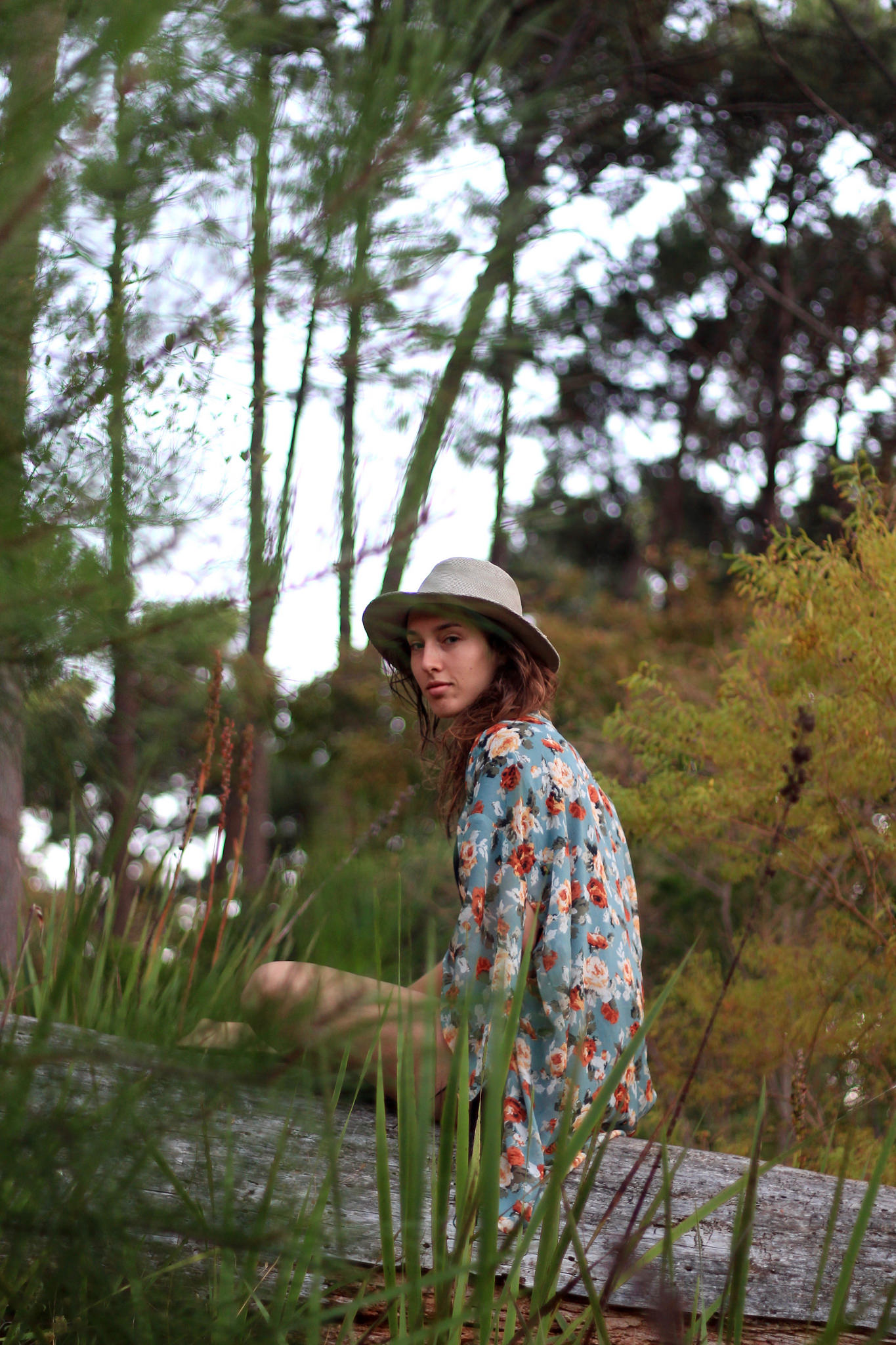
    Photo Credit: Zen Monkey Photography

  • The Rough and Wrinkled Side of Adventure

    The Rough and Wrinkled Side of Adventure

    Sunday, 23 April. Porto, Portugal.

    Welcome to the world of unplanned adventure.

    It’s messy. It’s unphotogenic. It’s wild-ish.

    It’s kind-hearted French tourists warning you that you’re being followed (you know already) and offering to accompany you wherever you need to go (you’re touched).

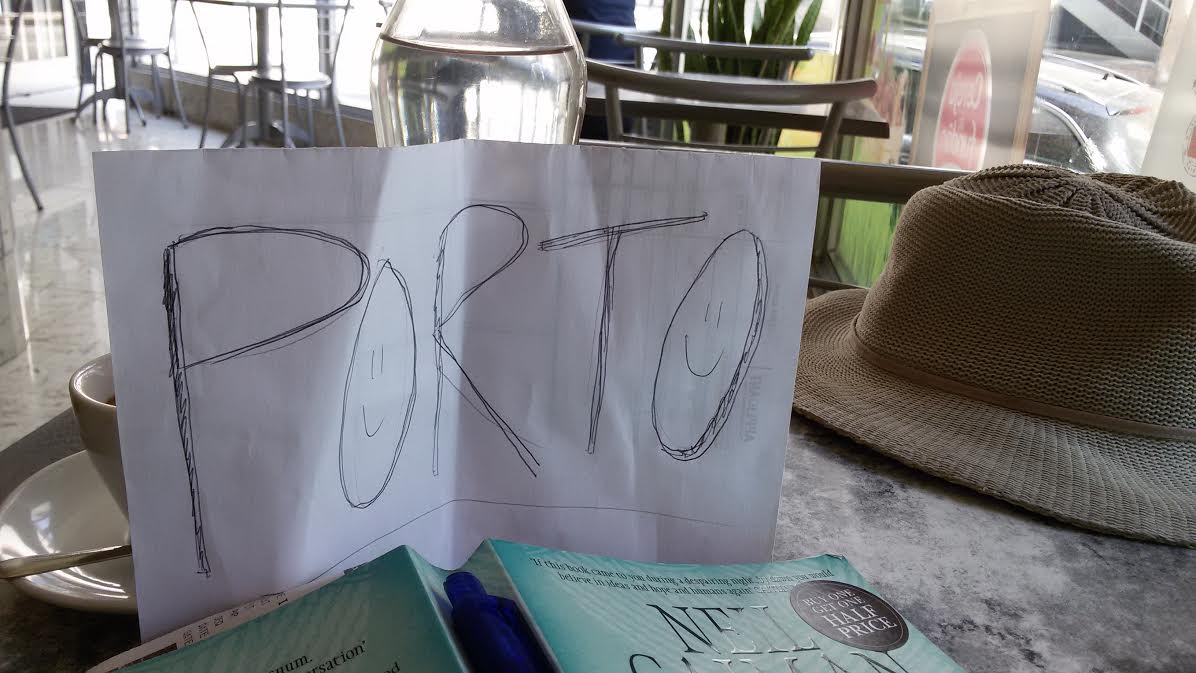
    It’s hastily scribbled hitchhiking signs, crumpled and smoothed out again. It’s sloppy smiley faces in the O’s of Oporto. It’s red eyes after too much dancing in other people’s clouds of smoke, and not enough sleep. It’s aching feet and dirty jeans.

    It’s strange people chasing after you in the street to tell you they like your hat.

    It is so far from glamorous that any Instagram post on the matter seems discordant.

    It’s empty coffee cups and chipped tiles, half-formed impressions flitting in and out of your mind. It’s improvised, individual, and in flux, but not quite indescribable. It’s sauerkraut and beets for dinner, because the Russian supermarket is the only one open on Sunday evening.

    It is chaotic. It is alive. It is enlivening.

    Welcome to the world of rough, messy, unplanned and unplannable adventure.

    It’s not just on the other side of the world (though it’s here, too). It’s in your backyard—as long as there’s dirt. It’s in your dreams—as long as there are dragons. It’s in every crumpled page, wild dance, and imperfect human encounter that appears in the archives of your life.

    And isn’t it beautiful?

  • The Strangeness

    The Strangeness


    “There are no foreign lands. It is the traveler only who is foreign.” — Robert Louis Stevenson

    Sorry, Robert Stevenson, on two counts. First, I still haven’t actually read any of your books, but I swear they’re on my list. Second, I’m going to have to disagree with you on that lovely and popular quote of yours.

    Because I’m starting to think that there are only foreign lands. That nothing is, after all, familiar or domestic. That when we spend a portion of time “abroad,” away from what was once home or something like it, we realize that “home” is just as strange, just as illogical, just as arbitrary as all the rest.

    ***

    The sun is out in uncharacteristic force, and as I walk down the street in Chelsea, London, it reflects back at me with a grin off a row of tall, identical apartment buildings.

    The walls are spotlessly white. The streets are free of garbage. The public transit runs seamlessly.

    I have just arrived this morning from Cape Town, South Africa. And as I am coming to expect when I jump continents, I’m slightly bewildered by everything… The old lady in a mauve pantsuit and Ugg boots pushing her walker with one hand and holding her mauve hat with the other. The young men wearing shorts and T-shirts (whereas I have just pulled my down coat out of storage). The utter politeness of traffic on Kings Road.

    Politics and economics, on the other hand, run parallel. Xenophobia and poor economic choices rule the day, here as much as elsewhere.

    I digress. It is the strangeness that lingers with me today, and which I would attempt to describe. The slight eeriness of one of the places I consider a home base. A flutter in my stomach as I amble along the too-neat lanes and study the too-same rows of pretty buildings.

    London.

    London, where I stay for free. London, where I have friends, a climbing gym membership, and a regular cafe, supermarket, and aerial dance studio.

    London, where I don’t need a map.

    London, where I keep coming back, although I can never quite decide if I even like the place.

    As I do in Cape Town, I have a community here. And so I return again and again, such that it has become familiar, evan banal, to visit.

    Except, not this time. This time, it is the sense of strangeness, not of homecoming, that strikes me first. The roads too straight, the people too well dressed, the pavement too clean, the attitude of the entire city just a bit too…deferential.

    As spring unfurls in the flowering magnolia trees and the underdressed pedestrians, London opens her arms to me, and I hardly recognize her.

    This, too, is a foreign land.

    And if this is foreign, then nowhere—nowhere is anything but.

    Why talk about this strangeness? This foreignness of the formerly familiar?

    “This is our tragedy….our fictions are killing us, but if we didn’t have those fictions, maybe that would kill us too.” ― Salman Rushdie

    It’s critical to acknowledge the inescapable quality of strangeness in a world brimming with fearful people seeking security in the familiar. People who genuinely believe there is a “right” way to build a city, be in a city, be a city.
    There is no right way.
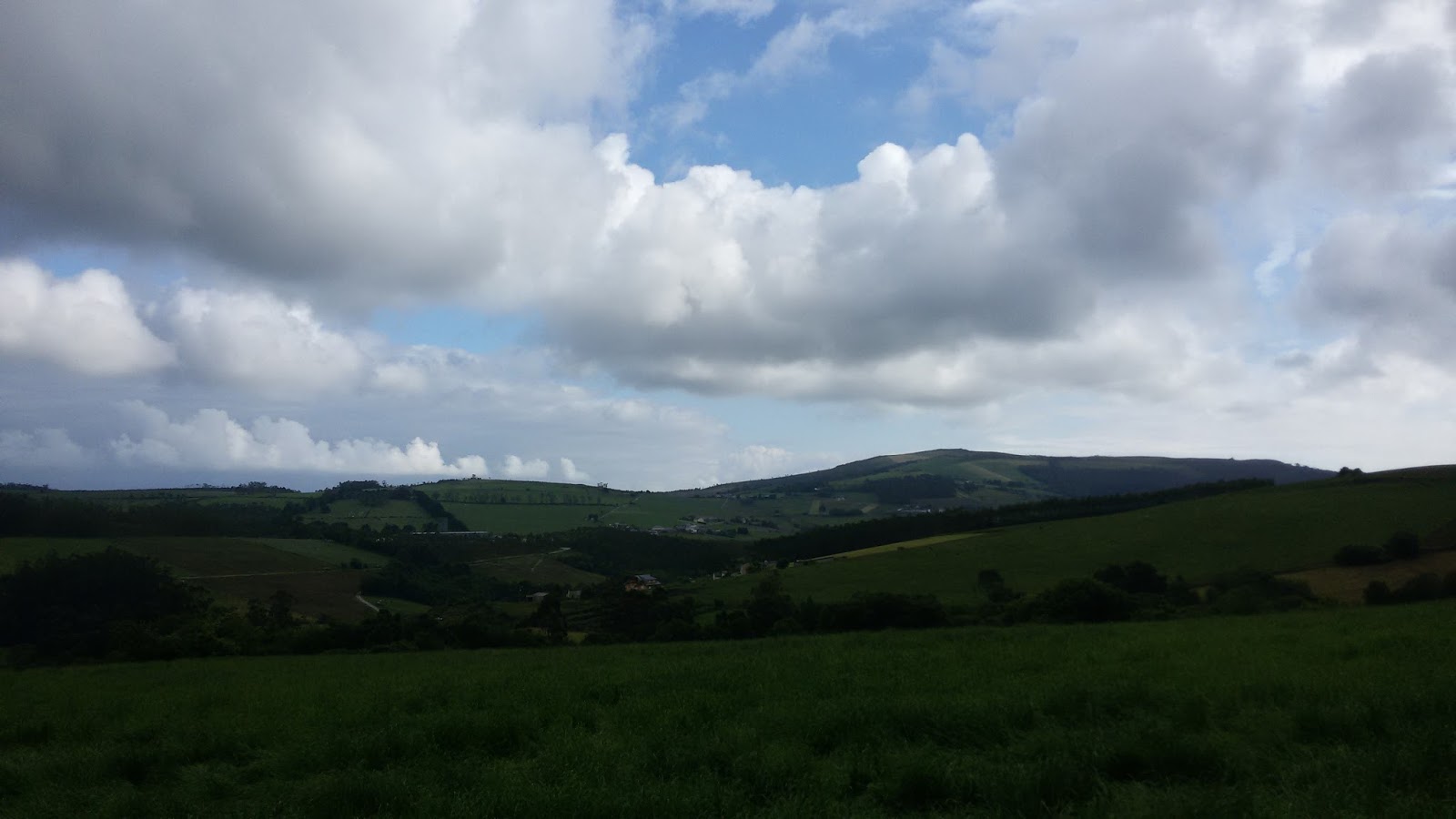
    There is no “standard” from which all other lands digress in various degrees of foreignness. Such a standard is fiction, and it divides us.
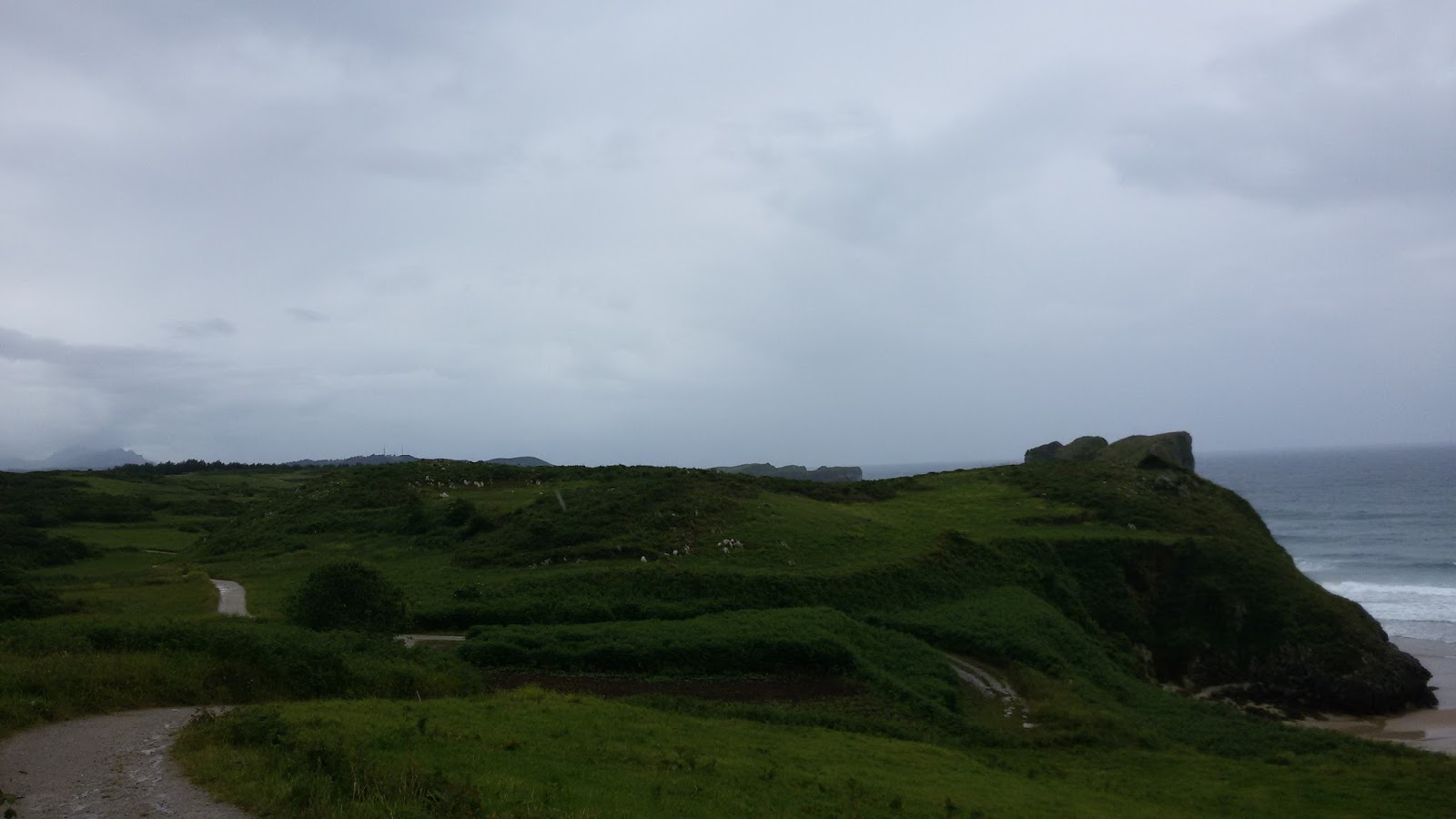
    Perhaps the truer statement is this:

    All lands are foreign, and it is us, only us, who are the same—everywhere.

  • The Wild-Tame Peculiarity of Safari (and 10 Wild Photos)

    The Wild-Tame Peculiarity of Safari (and 10 Wild Photos)

    Sabi Sand Game Reserve, Mpumalanga, South Africa

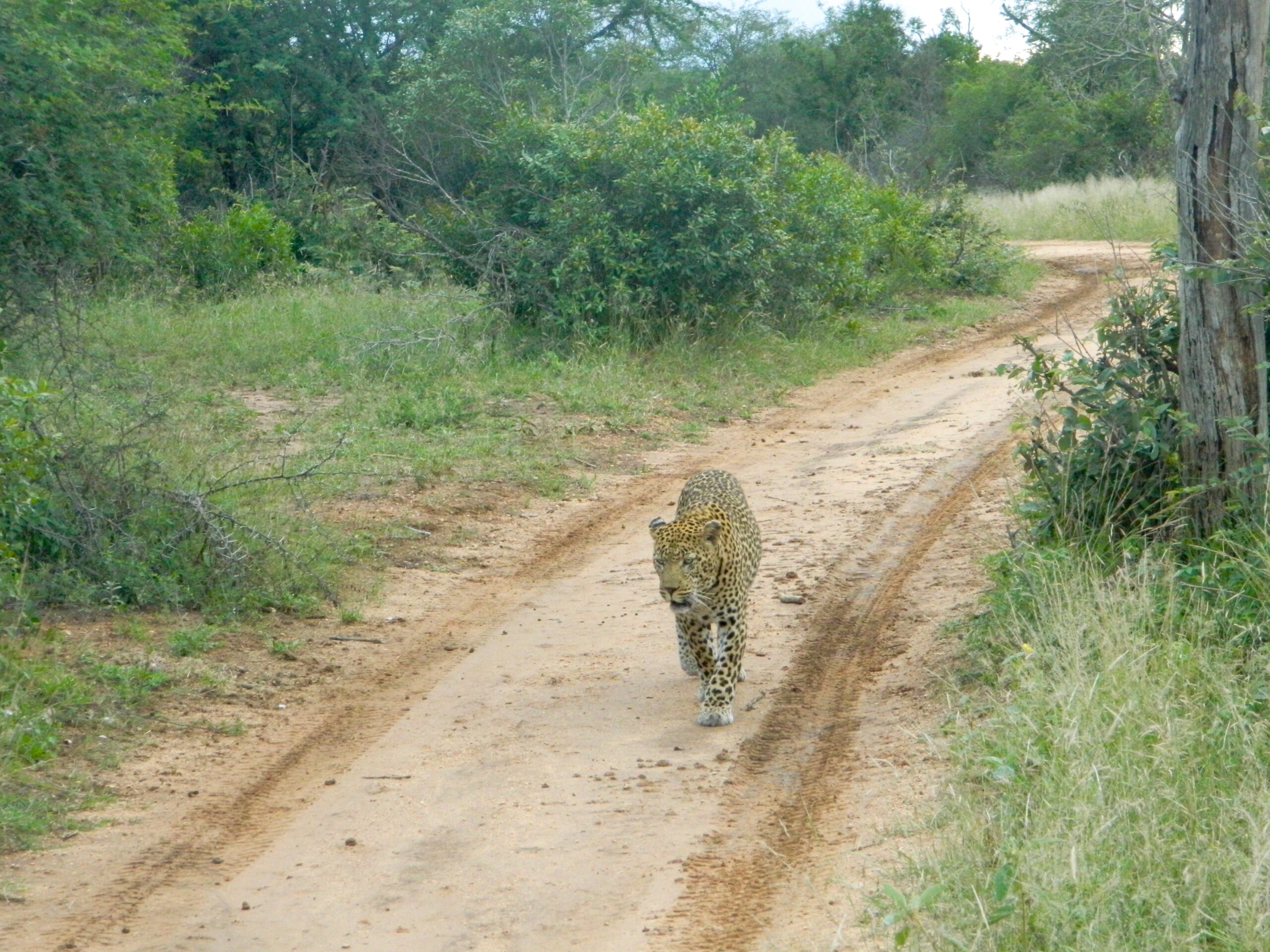
    A male leopard wakes from his nap and stretches lazily.

    Three safari cars—Land Rovers, I think—have parked just meters away.

    The leopard yawns, stretches again, and begins to move.

    His eyes are amber-grey, and he gives us only the briefest of disinterested sidelong glances before deciding to ignore us entirely and amble along the road. He remains impervious as the three cars crisscross his path to allow their passengers optimum angles—a bizarre new animal behavior pattern to which he and many other species in the bush appear wholly adapted.

    At one point he passes so close to my side of the car that I can see the individual hairs that make up his spots and the supple play of muscle beneath his skin.

    ***

    There is something both bizarre and breathtaking about finding yourself within hand’s reach of a wild animal and knowing that you’re safe.

    That is the wild-tame peculiarity of safari. Or, at least, of my safari.

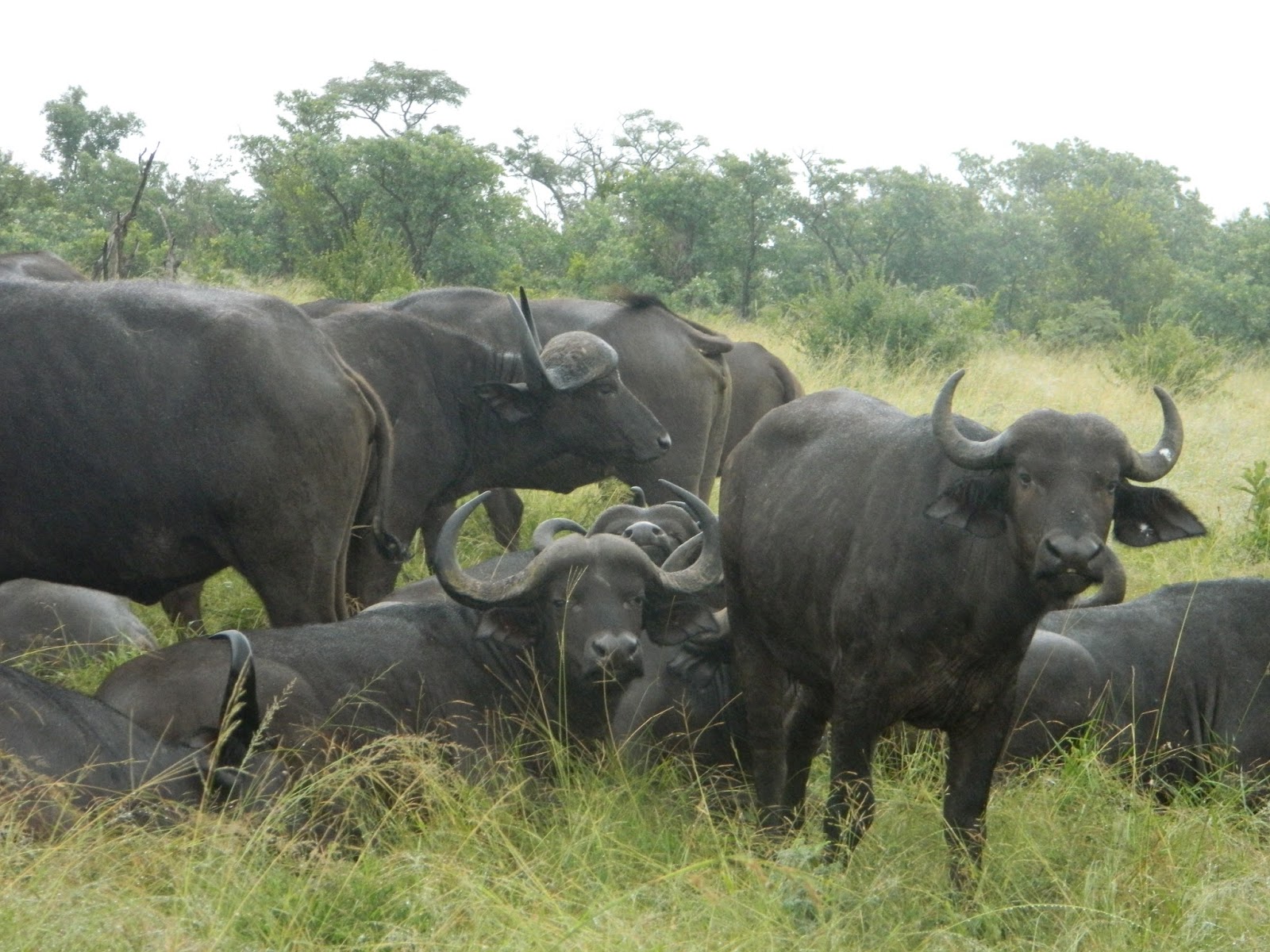
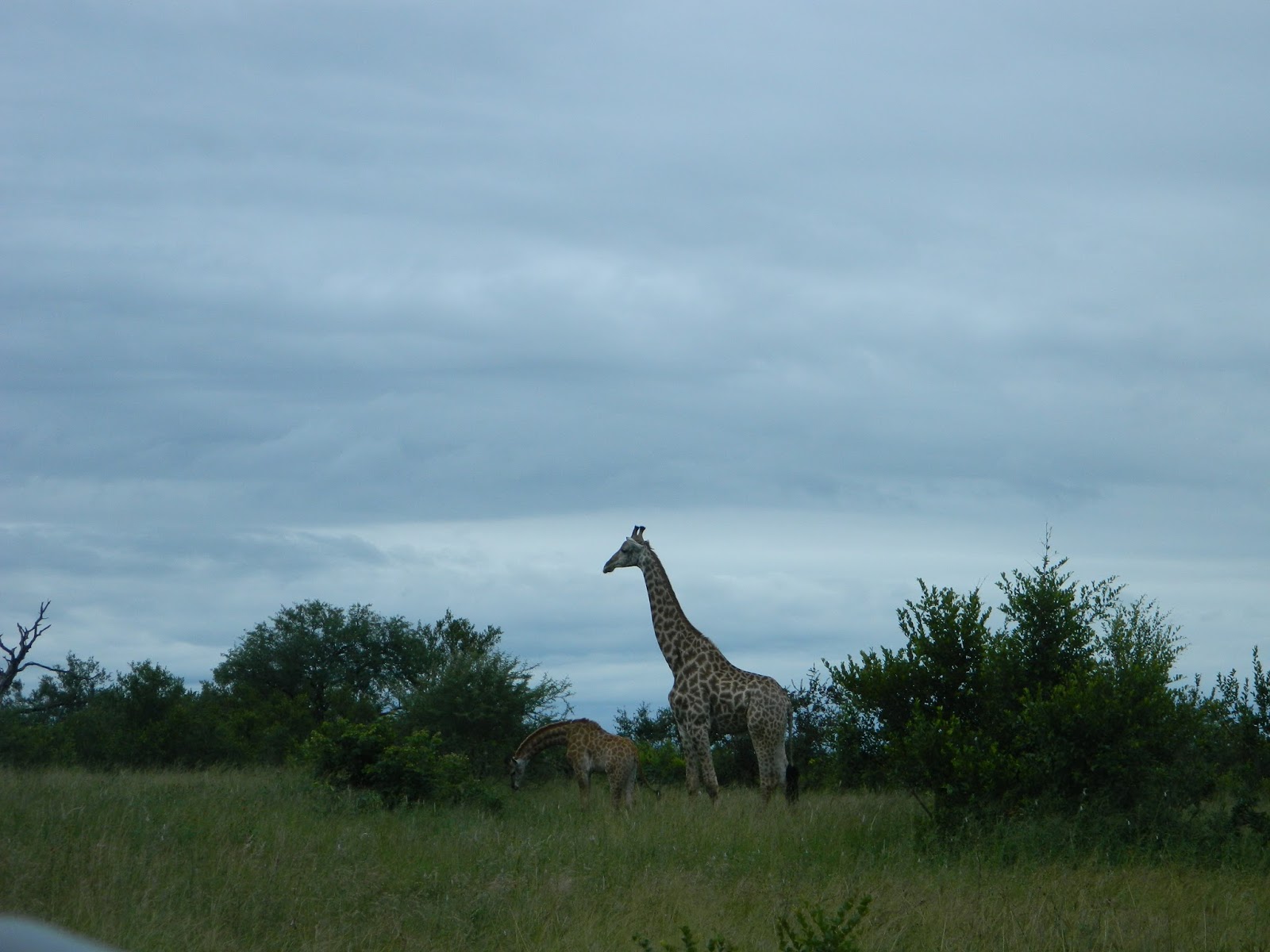
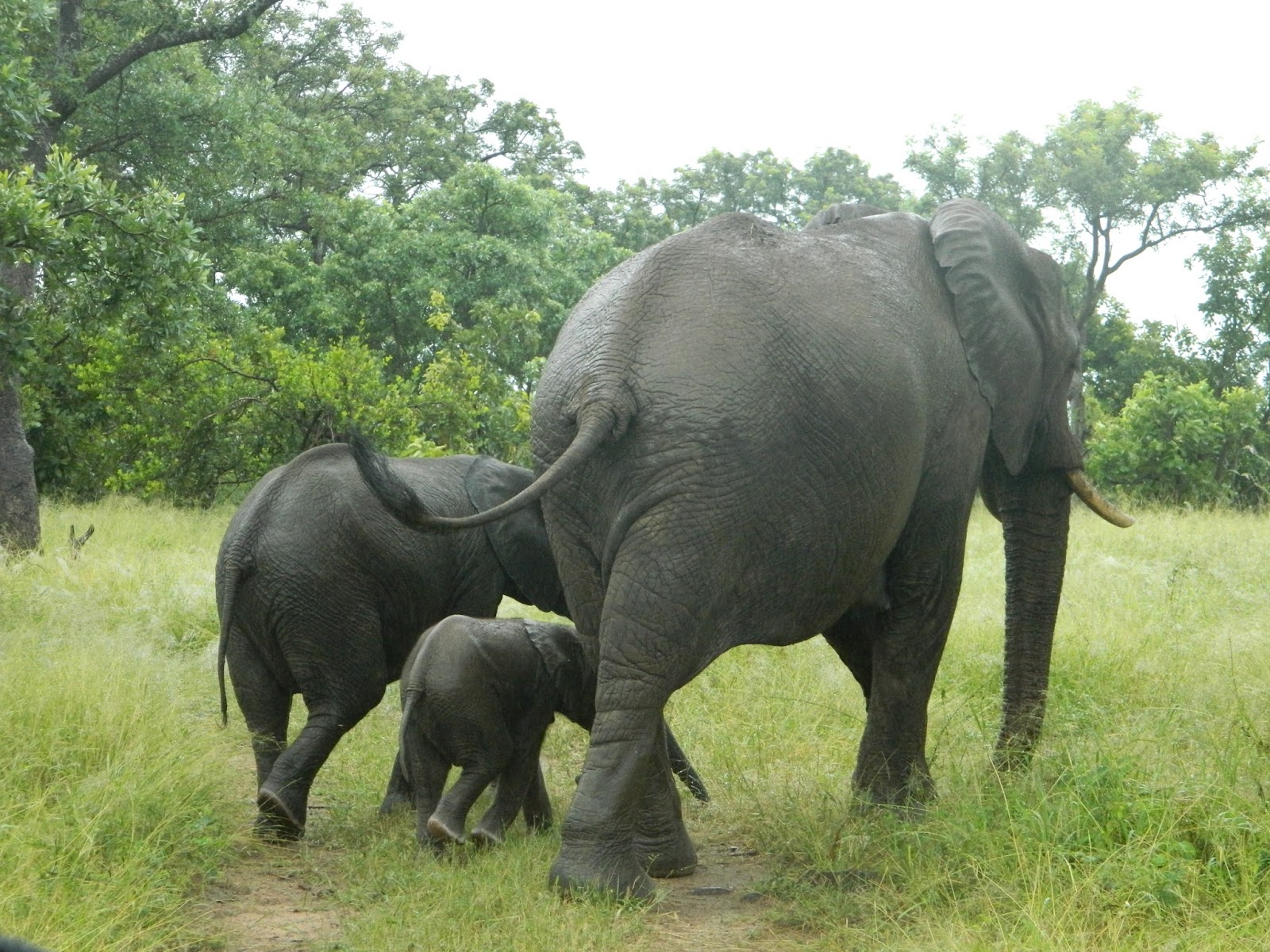
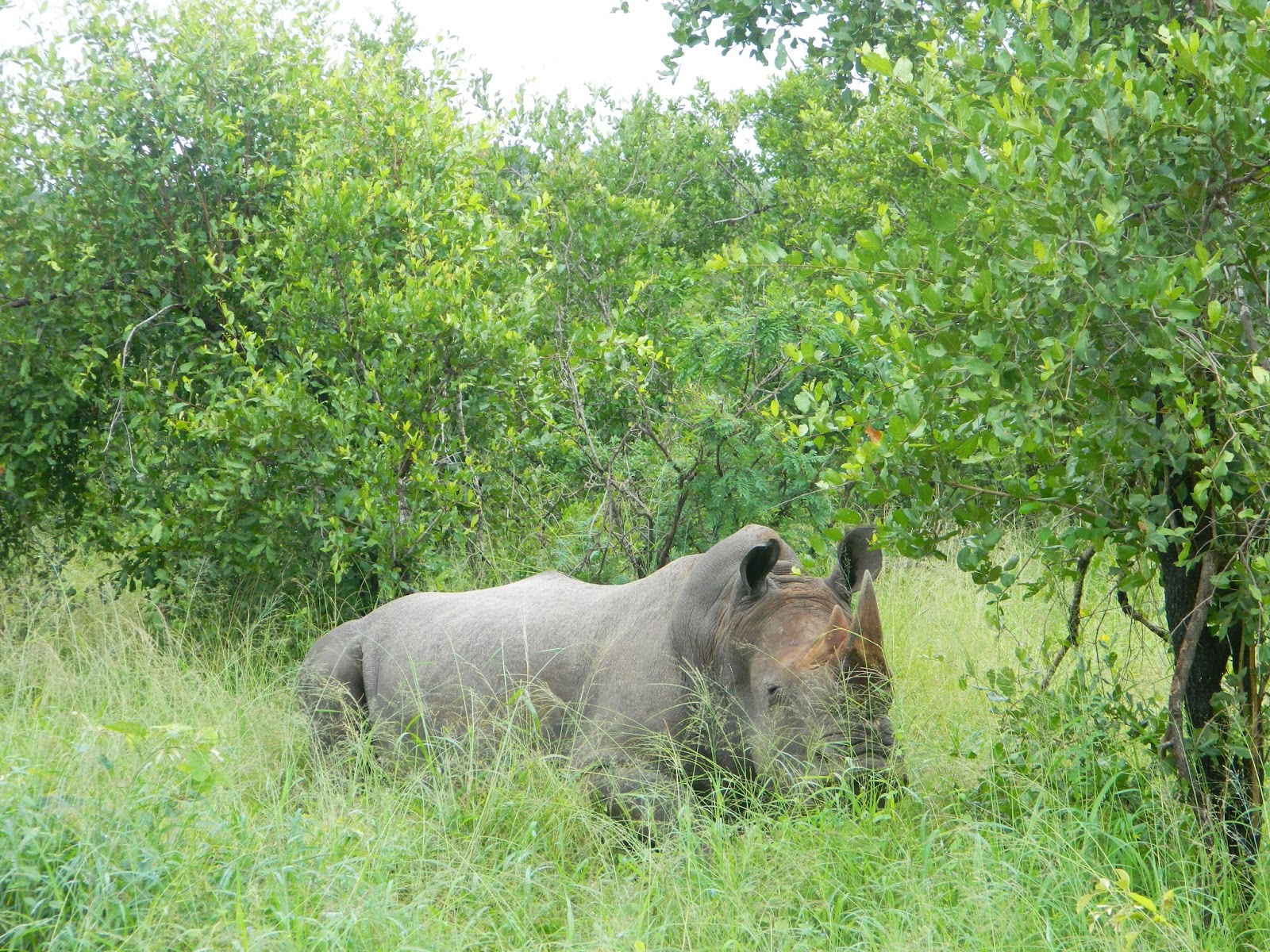
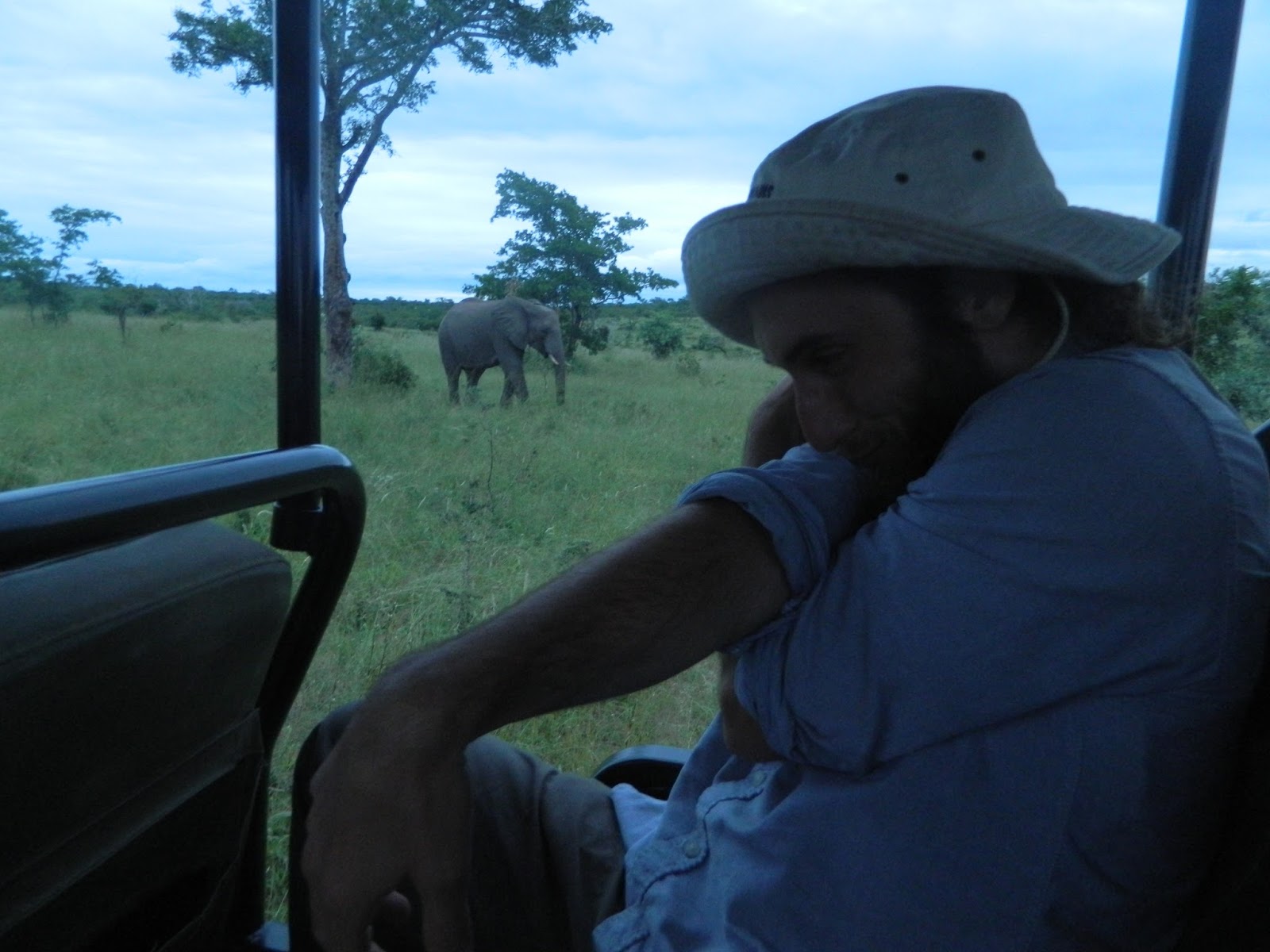
    Over the course of three days, my family and I found ourselves nose-to-nose with elephants, zebra, giraffes, leopards, and lions, thanks to the skill of our third-generation guide and the collaboration of the game reserves. We observed hippos, white rhinos, hyenas, and vultures from just a couple meters away.

    The sheer size, power, and wildness took my breath away—and it made me wonder about this paradoxical dynamic whereby wild animals accept wacky, camera-toting tourist behavior as the norm and an ecological system seems to evolve to accommodate it.

    Predator and prey alike enjoy the ease of travel on dirt roads cut for the convenience of safari trucks. A mother leopard defends her cubs against hyenas as you would expect, but observes our approach with indifference. Some—though not all—impala (a species of adorable antelope) fail to shy away at the no-longer-alien sounds of car engines and human voices.

    One thing is certain: This industry is a boon for the anti-poaching efforts across the safari-regions of the African continent. It brings revenue to places that desperately need it, and government protection to the wild animals responsible for it.

    Perhaps even more important, it has the potential to raise awareness about and appreciation for species and environments slipping into endangerment or collapse. A key element of environmental protection not to be underestemated.

    I hope to share more as I learn more, but in the meantime, here are some “up close and personal” photos of the wild animals that allowed us to share their space:

    Mama leopard with cubs.
     
    Fun fact: A herd of zebras can also be called a dazzle.


    “They look at you like you owe them money.” — Unknown, on water buffaloes
    No introduction needed.
    Who wants to go for a swim?
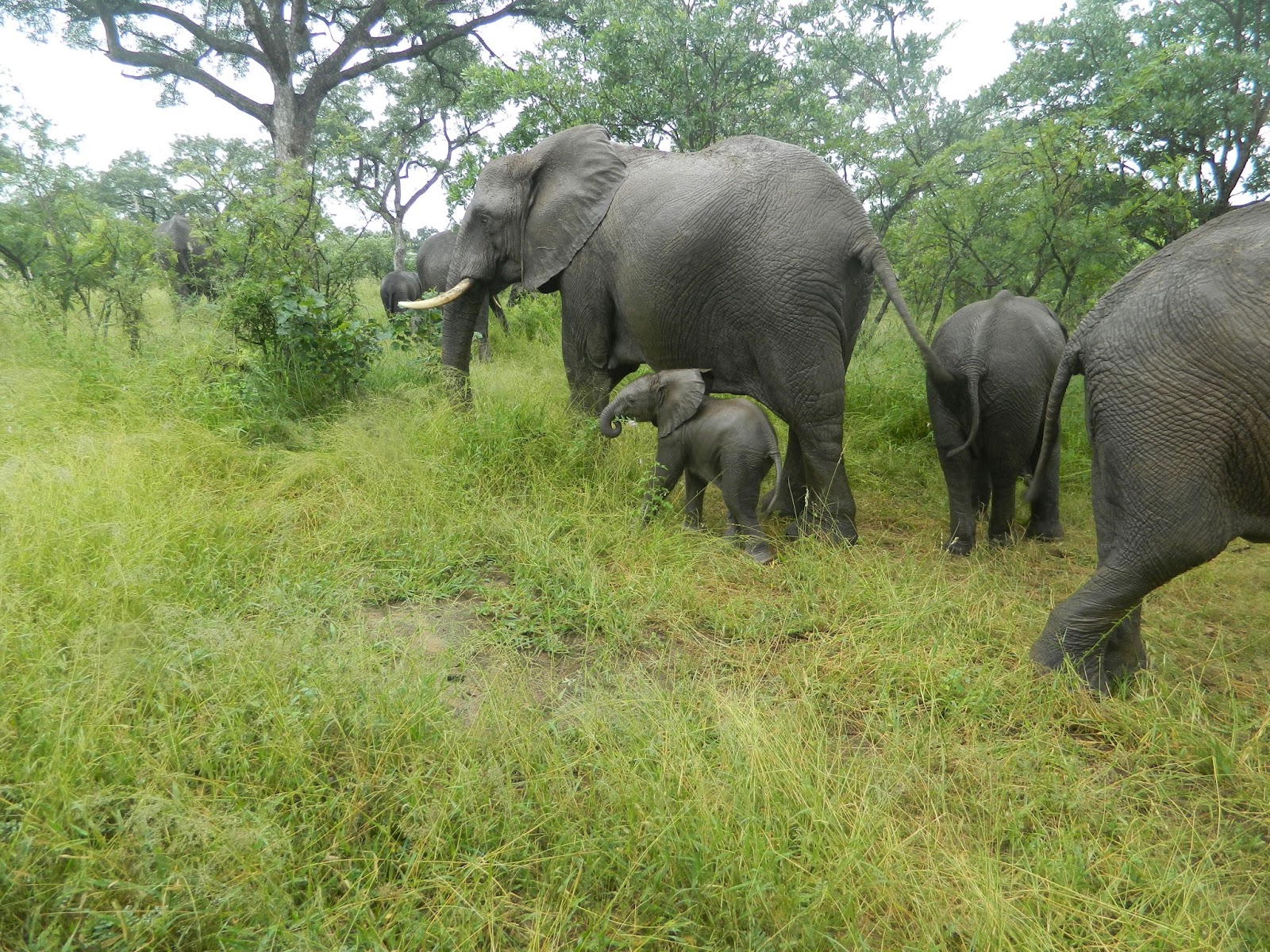
    So many elephants!
    The animal that evolution seems to have forgotten.
     
    My brother, the rarest of the wild animals.
  • 12 Ways to Move/Travel to a New City/Country Where you Don’t Know Anyone—and Totally Rock It

    12 Ways to Move/Travel to a New City/Country Where you Don’t Know Anyone—and Totally Rock It

    I write about venturing into the unknown often.

    You might say it’s my favorite theme—in life and in art. You could say it’s my greatest fear—in love and in travel. You could say it is a subject so rich and fascinating it proves an inexhaustible source of meaning and poetry.

    You could say any of those things, and you would be right.

    Ah, the not-knowing…it is terrifying, exhilarating, life-affirming indeed. But maybe you want a bit more practicality and a bit less poetry; maybe you have concrete travel plans on the horizon (even tenuous possibilities or dreams), and poetic rambling philosophizing isn’t helping all that much. I get that.

    I drop myself into cities and countries where I know no one on a regular basis. I enjoy the challenge and the freedom, but I also forget that this is a practice like any other, and may seem somewhat inaccessible at first. I want to demystify it.

    The following suggestions stem from my years of solo traveling. I don’t necessarily follow them all for every trip, but one could in theory. I believe each one has a deep potential to cushion the fall into unknown territory.

    1. Reach out to friends and acquaintances.
    A simple “Do I know anyone in _____?” on Facebook can yield unexpected results. This method has found me friends (and often couches) in otherwise totally anonymous destinations from Prague and Montenegro to Berlin, Sicily and more.

    2. Mine for connections.
    Social media is a multifaceted beast, but it really comes in handy for certain kinds of travel. Asking my Facebook friends (and sometimes blog followers), “Does anyone have any connections in ___?” in the past has found me a house to rent in Cape Town, a Shabbat dinner in Paris, a yoga teaching gig in Zanzibar and so much more. The more I travel, the more this network grows—exponentially, it would seem. Couchsurfing is another amazing resource for making connections for friends and couches both.

    3. Be bold—ask questions.
    Every piece of information we could possibly need is available on the ground. No need to read travel forums, or even look up directions (although by all means do both if it sets your mind at ease). Depending on where I am in the world, there are metro maps, info centers, or throngs of aggressive taxi drivers at every possible port of arrival. Barring that, the local person sitting next to me on the bus/plane/train/ferry is usually an excellent resource.

    4. Get Lost and Like It.
    I have developed an impressive habit of always going the wrong way first. If it’s straight, I go left. If it’s left, I go right. I then employ method #3, ad infinitum, to take the longest route possible to my intended destination (thank you, legs). Getting lost is a common consequence of going in blind; even if we don’t like it, we can bring our sense of humor along for the walk.

    5. Set up a work trade.

    While it is 100% possible (and yes, fun and exciting) to just go explore a new place and find your way upon arrival, I have often found more depth and connection through work exchanges. Websites like wwoofing, workaway and helpx are just a few of many platforms for finding interesting, short-term placements abroad. Working or volunteering is, in my experience, one of the most effective ways to integrate into a community and create my place in the formerly unfamiliar. It is also an incredibly practical resource for information.

    6. Set up an Airbnb.
    If, like me, you need to work while you wander (or, also like me, you don’t want to commit to too much socializing), but still want an entree into local community, Airbnb is unparalleled. Set your price, browse your options, and choose a host who seems interesting. I’m still in contact with several of my Airbnb hosts, and owe unique memories (like tasting the best chocolate gelato in the whole world) to them.

    7. Keep up with hobbies.
    I always carry two extra pairs of shoes with me: dance and climbing. Dancing tango in Kenya, salsa-ing in Berlin and climbing in Cape Town, I’ve connected with people I never would have met otherwise. Same goes for surfing in Morocco and hiking in Spain. Those are my passions; follow yours, and you’ll find your people—anywhere.

    8. Become a regular.
    There is something uniquely grounding in being a regular customer (in a cafe, restaurant or even corner store)—in simply being recognized. When our default mode is anonymity, feeling seen, known, familiar offers a powerful sense of place. Especially when I have a few weeks or months somewhere, I find myself accumulating these “regular” spots. Though utterly departing from all known routine is a key—even necessary—element of travel for me, glimpses of familiarity within the unknown provide welcome—even necessary—moments of respite.

    9. Let go of should’s.
    I believe having a mile-long checklist of “must sees” and “must dos” limits potential for spontaneous discovery. I tend to get a decent amount of touristing in when I visit a new place, but I try not to force it. Excursions happen organically—often with new friends—when I genuinely want to do them, and not because I feel like I’ll be failing at travel if I don’t.

    10. Cook.
    My experience of travel altered hugely when I started to prepare a lot of my own meals (just as I used to when I lived in one place). Not all, of course, since tasting local cuisines is hands down the best part of traveling, but many. Wandering local markets, I’ve honed new language skills, felt rooted in my home-of-the-moment, and saved serious money. Choosing an Airbnb with a kitchen facilitates this, as does staying with friends. Cooking a beautiful meal has long been my favorite way to thank my hosts for their hospitality.

    11. Talk to strangers.
    They’re not scary—usually. When they are creepy, it’s usually pretty clear to my intuition. Strangers are typically one of three things: treasure troves of insider information, friends you haven’t met yet, or an excellent story for later. Instructions for talking to strangers: eyes up, shoulders down, words out.

    12. When all else fails, fail.
    I have days—sometimes weeks—where my social self goes into hibernation, my patience drops to zero, and the challenge of the unknown shifts from exhilarating to tiresome. When that happens, I take time to write, read, call friends and family, and simply be. No one can be “on” all the time. This lifestyle of exploration and discovery has curves and cycles, just like any other. These moments of pause make the adventure all the richer.
     
    May your journeys be—yours.

  • Johnny Cash and Slow Travel

    Johnny Cash and Slow Travel

    8:15 a.m. Self-Service Restaurant “Mediterraneo.” Grandi Navi Veloci ferry from Tangier to Barcelona.

    I look up from my breakfast—a somewhat sad assortment of boxed orange juice, cold croissant and drinkable cappuccino—and observe the other diners. Some are in groups or pairs. Many are young Moroccan families. Many are alone.

    Of this last group, few are doing anything (checking phones, or even reading). They’re just sitting there, drinking coffee, looking around. For some reason it reminds me of Johnny Cash’s famous response when asked for his definition of paradise:

    “This morning, with her, having coffee.”

    I’m not even a particular Johnny Cash fan, but something about that phrase—or more, the slowness it implies—fits this mood.

    People choose to travel by ferry (around thirty hours from Tangier to Barcelona, rather than two or three by plane) for many reasons. The slightly cheaper cost. The relative ease and comfort of sleeper cabins and lots of space to roam. The vaguely romantic allure of faded, Titanic-style old world luxury.

    And—I suspect—some people choose it for the slowness.

    Sitting in a deck chair for hours watching the boat’s trailing wake. Pacing the endless red-carpeted hallways, hands skimming smudged brass banisters, stepping inside and outside and inside again with no special aim.

    Sitting there, drinking coffee, looking around.

    Because there’s nothing better to do. Because the boat will get there—slowly—and we have time. Because, just like Johnny Cash, we recognize that the smallest moments contain the whole universe—if we slow down enough to dwell there for a while.

    For me, that is the essence of slow travel: dwelling in a moment while everything shifts around us, knowing that we’re on our way.

    Another reason to take the ferry: They have puppies!!! (If you’re lucky…)
  • Zen & the Motorcycle Passenger

    Sorrento Coast,  Italy

    (Mom, you’ll want to skip this one.)
    The headlights of oncoming cars are a blur as we race down the center line of the autostrada (highway) from Sorrento to Napoli. I settle into the peculiar flow of this navigating traffic as we weave in and out.
    Yellow lines, black sky, breathe in, breathe out.
    Yellow lights, black tires, breathe in, breathe out.
    Accelerate, brake. In. Out.
    It’s just me (passenger-monkey) and my friend (driver-pilot). Fear hopped off this train hours ago, and I’ll tell you why.
    ***
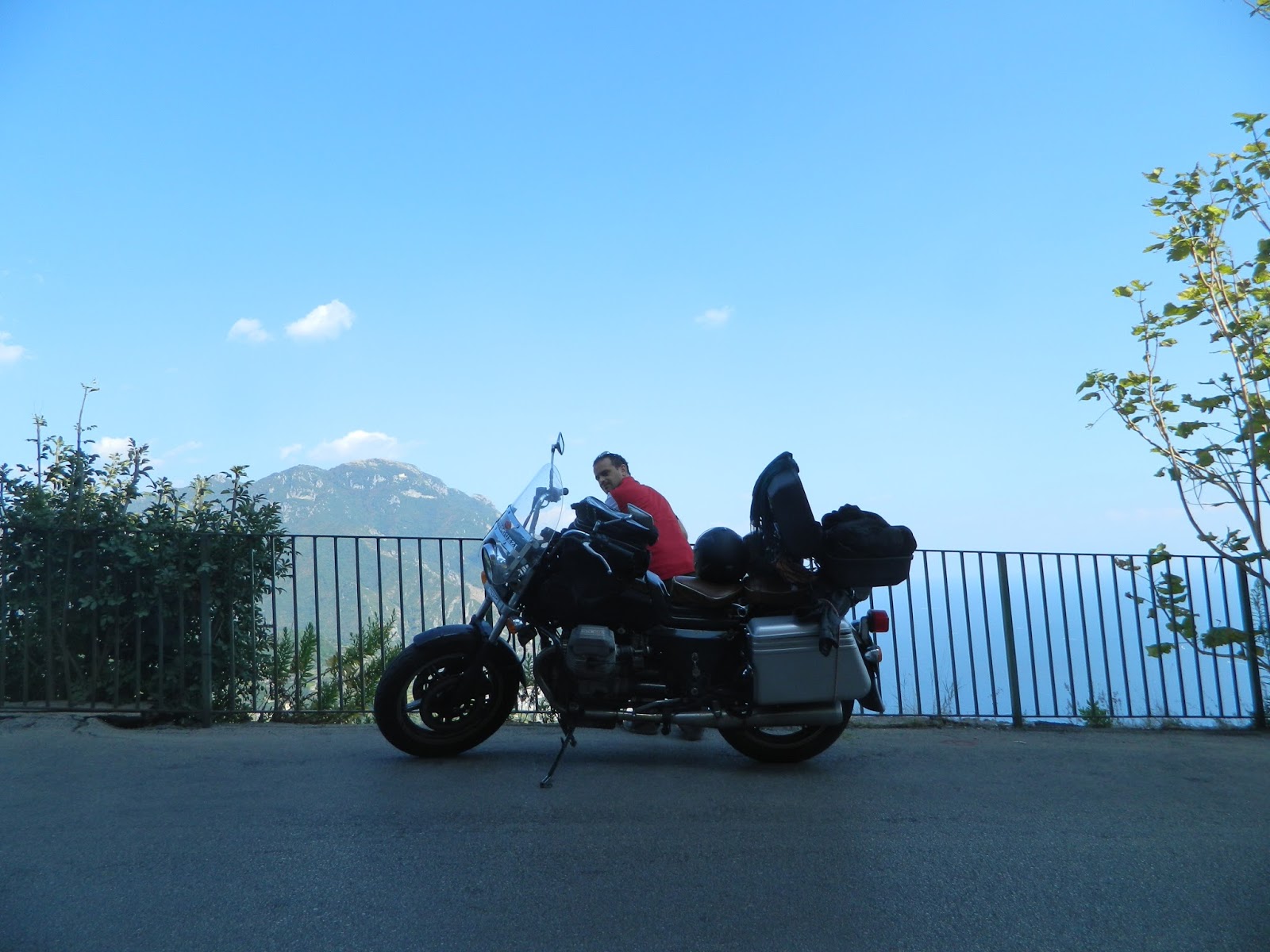
    È stata una giornata bellissima. It was a gorgeous day. Perfect. My friend met me with his vintage motorcycle at the Salerno train station (a half-hour train ride from Napoli), and we (along with seemingly every Italian ever on this last weekend of summer) set off for the Amalfi Coast.
    The fresh wind in my face balanced the hot sun as we followed hairpin turns opening onto one dazzlingly beautiful vista after another. The hum (or, more accurately, roar) of the engine blended with the waves and the wind, and conversation was sparse. The sky turned to dusty rose, orange, teal as we rounded past Amalfi and up the Sorrentino coast at sunset.
    I must have contemplated my death a hundred times that day.
    I usually do when I travel as a motorcycle passenger, and I don’t think it’s morbid. There is a quality of zen to this process of that renders it uniquely compelling for me.
    There’s the, “oh shit, this is dangerous” moment, followed by the, “there’s nothing I can do to change my vulnerability in this situation” realization, culminating in (temporary) total surrender to the inalterable fact of my own mortality.
    Then a sudden acceleration and, “oh shit,” and we begin again. As the minutes or hours blur on, I slowly stop picturing the many gruesome ways in which this could end badly, my pulse slows, and my shoulders relax. Once that last ripple of fear smooths out, I ender a space of zen acceptance—it’s pretty blissful there.
    If you’re thinking I sound nuts, allow me to ask you a question:
    How often, in your day-to-day life, do you contemplate your own mortality?
    If you’re a healthy, well-enough-off human, I’m guessing it’s not all that often. And yet, we are all mortal; we are all helplessly vulnerable to myriad risks. We all walk a fine line between life and death all the time.
    We are all on a precipice.
    ***
    That yellow double line of a Napoletano highway, framed by black sky and black asphalt, is only a metaphor, no more and no less terrifying than the reality we all face. Every day.
    The magic of this motorcycle zen is not the “added risk.” Rather, it (and surely a thousand other activities) forces me to reckon with the transience always enveloping me—always enveloping us—and to breathe in, breathe out, and enjoy the view.
    ***

    I took a video so you could catch a view, too!

     
  • The Intoxicating Unknown, and Solitude

    The Intoxicating Unknown, and Solitude

    The plane lands with a jolt. Rolls to the gate. Shuts off the engines.

    You and the other passengers file off the aircraft. Through the terminal. Past immigration. Baggage Claim. Customs.

    You step outside into a country where you know no one.

    Perhaps you don’t speak the language. The air is different. Heavy and humid. Or maybe cold and sharp. Your nose catches new smells and catalogues them as memories—later, this will be a remembered place.

    Welcome. You have just crossed into a vast field of unknowns.

    Is it terrifying—or exhilarating?

    Someone asked me recently if it ever gets lonely, this solo traveling.

    There are many answers to that question. I’m having a bit of deja vu, because I think I’ve offered some of them before (maybe in this, or this), but I have something new to say about it today.

    Basically, no, I don’t.

    I have experienced dozens of iterations of the above scenario—arriving by air, land or sea—and for me it is always exhilarating. That is, in part, why I will fly from Rome to Agadir, Morocco at the end of September—to spend six or seven weeks in a place where I know nobody.

    While I love traveling with or visiting friends (and do so often), I crave the spaciousness that only comes with solitude. Maybe you do too.

    Nothing can replicate it. It arrives the moment we leave every known thing behind us. Hug our loved ones goodbye outside the airport. See our traveling companion to the train station, then turn back to a foreign city alone. Click “complete payment” on a one-way ticket for one.

    Solitary spaciousness arrives when face the forest, the mountains, the desert—whatever our alluring yet frightening place may be—with a pack on our shoulders and uncertainty in our chest, knowing that no one is coming with us this time.

    Does that scare you? It probably should. There are monsters in the forests, the mountains and most of all the cities. But more than that—more than that there are monsters in our hearts and minds.

    I believe that is what people fear most of all when they fear setting out to travel alone. There is the external risk, of course, but I suspect loneliness—ourself facing ourself—instills greater terror.

    Why don’t I ever get lonely, then? I’m not actually sure, not entirely. Maybe I do, but it no longer scares me, and so I call it solitude instead of loneliness. I do know this:

    Our comfort zone expands every time we step outside of it and thrive there. There is nothing more intoxicating, full of life and purpose, than entering the unknown territory alone.

    So go.

    “The cave you fear to enter holds the treasure you seek.”

  • This Is Why We Walk—Maybe

    This Is Why We Walk—Maybe

    spain, camino, walk

    Ancient Practice in the Modern Landscape


    Sixteen kilometers of open road. No turns. No twists.
    The trees are thick on either side, and I’m grateful for the shade they provide. The road tilts up, then drops down again. Relentless.
    It is my third-to-last day on the Camino del Norte. My legs are already tired, my feet already sore. I have walked already ten kilometers when I begin this section of road.
    Normally, there are trails, or a dirt edge to walk on at the least. Not today.
    The occasional car speeds past. They will arrive at the end of the road in minutes.
    The road is hard. Straight. Empty.
    Relentless.

    ***

    I’ve said it before: traditions have a way of reviving themselves.

    We as humans are wired for ritual. We seek it, gravitate toward it and cling to it, and when we don’t find it the world suffers.

    It has been theorized that there is a cross-cultural link between lack of ritual and conflict. Or, to put it positively, ritual is a necessary component of conflict resolution. That’s a longer discussion I’d love to have with you personally.

    If this gravitation is (as theorized) a response to a lack of ritual in modern society, the wild success of trends like yoga and meditation would arguably be the same. I believe that tendency to seek meaning through practice has everything to do with the recent resurgence of interest in the Camino—and other pilgrimage.

    The juxtaposition of this ancient journey with the modern landscape through which it now passes fascinated me from start to finish.

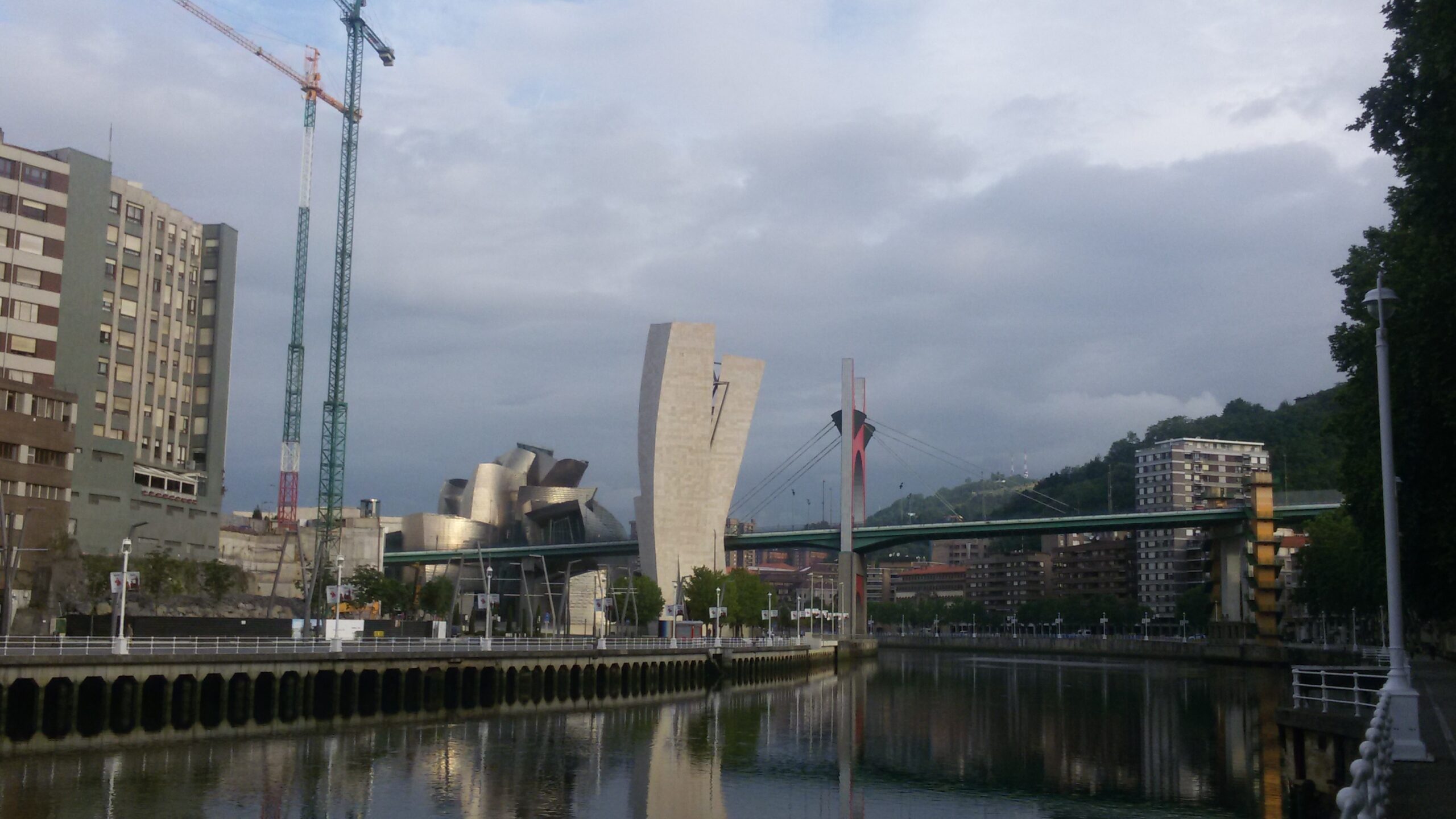
    What does it mean to walk a centuries-old trail alongside a six-lane highway? Beside a railroad track? Through a buzzing city like Bilbao?

    How does the addition of asphalt, smartphones, gortex and wifi change the experience? Enhance it? Devalue it?

    If you change everything—the trappings, the clothing, often the landscape, the food, the language, the Road itself—but keep the journey, is it still the same Camino?

    I’m inclined to say yes—in spirit.

    If you take a human body, give it artificial limbs, blood transfusions, organ transplants—replace everything, say—do you still have the same person?

    Your answer may depend on whether or not you believe in a consciousness, a soul, a Self (call it what you will) that is greater than the sum of all its parts.

    If you change every piece of the Camino, from the culture around it and the people walking it to the very structure and environment of the journey, what remains the same?

    In my opinion, it is the spirit of the journey. It is the seeking, the act of walking, that has somehow drawn us across history to follow the same path.

    And you can lament the omnipresence of wifi or cell service, you can dismiss the validity of smartphone navigation, you can wax poetic about the good old days when pilgrims carried nothing but a skein of water and the cloaks on their backs…but to what end?

    This is our world.

    There is asphalt that wears down our joints. There are trains that travel many times faster than our feet. There is social media and multiculturalism and sturdy trekking gear.

    One thing has not changed.

    Us.

    We still walk on two feet (when we choose).

    We still require food and water to survive—for now.

    We still seek—relentlessly—to create meaning in our lives.

    That is why, I believe, an ancient rite like the Camino de Santiago still makes sense. In spite of this modern world and modern landscape. Maybe because of it.

    It is not just possible, but perhaps necessary to walk the same paths we have walked for centuries. Maybe that connection is the ritual we’re seeking.<

    What do you think?

  • Did You Find What You Were Looking For? (Camino Reflections, Part 10000)


    My last visit to London, in July of this year, I had dinner with a former classmate. We had taken “Intro to Buddhism” together.
    I didn’t know it then, in my first semester at Middlebury College, but many themes from that course would wind their way through the following years of my life.
    Over our glasses of red wine—Merlot, I think—I recounted a memory of that class that stands out from the rest. It’s funny, sometimes, what ends up sticking in our minds.
    Someone had asked our professor if he wanted to reach enlightenment—if that’s what he was seeking.
    He had answered softly (he always spoke softly):

    “I’m not so interested in enlightenment. I’m interested in the possibility of expanding my awareness.”

    Maybe this is unhelpful, and maybe I’ve spent too much time around Buddhist philosophy, but this is what I have to say in answer to that oft-repeated question, “Did you find what you were looking for.”

    No.

    Longer answer: 

    I wasn’t looking for anything, so I doubt I would find it. That’s the difference between a trip and a journey—only one has a destination.
    I found no thing on my Camino journey. Nothing. I did not have any epiphany. My life did not change.
    If you set out walking (meditating, praying, anything) in search of enlightenment, I think you will be disappointed.
    And that’s not depressing; it’s inspiring. It is exhilarating, this not knowing. It is enthralling, this seeking-but-not-finding. It is magnetic, this grey in-between-ness of no-thing—neither empty of wisdom nor full of answers.
    If “no” is not a satisfying response, I’m sorry, but it’s the only one I’ll give—at least for now.
    No, I did not find what I was looking for.
    I wasn’t looking for, you see.
    Something on the same subject I wrote about halfway through the Camino, in a moment of clarity:

    “Will I come back wiser?” asked my ego. 

    I don’t know, my more honest self replied. I think I’d be the last to know.Do any of us come back “wiser” from anything? 

    I have my doubts. 

    I will come back with bigger calves from walking and stronger shoulders from carrying my pack. 

    This is certain. 

    I will carry in my heart thirty peaceful mornings where dawn breaks over still meadows, and the wind whispers a song only I can hear. 

    This is certain.

    I’m not interested in finding. The beauty is in the in-between.

    ***
  • Pilgrimage Today—It’s Still Relevant

    Pilgrimage Museum, Santiago de Compostela, Galicia, Spain

    I placed the noise canceling headphones over my ears, and an ancient melody flowed straight to my soul.
    It was my foodsteps—hundreds, thousands of them—plucked from a harp. It was the daily rhythm of walking made song.
    I stood at that display in the Pilgrimage Museum for a long time, and I listened to some of the recordings of the Resonet Musica Antiga group more than once. Recreated from sheets music in the Cathedral’s archives and reconstructed medieval instruments, the music might have run through my head at a distance.
    But somehow it didn’t. Somehow it connected.
    I arrived in Santiago on Friday, July 1, 2016. That Friday marked the culmination of a month of walking across Northern Spain (approximately 800 kilometers) begun in the vague interest of “seeking.”
    (We can talk about what I “found” once I figure that out—story for another day.)
    Pilgrimage is an ancient phenomenon. Historians have found evidence of its occurrence in Mesopotamia, Vedic India and ancient Egypt. Wherever it appears in human history, it follows the same principle: an outward, often arduous journey serving as an allegory for the spiritual path.
    Since the alleged discovery of the remains of Saint James (one of the Twelve Apostles) in the ninth century, Santiago—and its cathedral—has been one of the most important pilgrimage sites in the world. It is said that the Camino de Santiago—the Way to Santiago, and there are many—is a metaphor for the trail marked by the Milky Way across the sky. Again, a physical manifestation of a metaphysical path.
    That sounds heady and outmoded, right?
    Wrong.
    In the last decade, traffic on the Camino Frances (the most popular route) has surged into the thousands. Clearly, the ancient tradition still resonates. And lately, its popularity is growing fast.
    Just as ritual will always revive itself and traditions will be reborn, pilgrimage is finding its place in the modern world.
    The scallop shell, long worn as an insignia by peregrinos walking to Santiago, now hangs from my backpack, too. Symbol of water, life and healing, it is as timeless, endlessly resonant, as it is timeworn.
    These themes are eternal:

    WanderingSeekingThe JourneyWalkingLooking to the SkyWalking upon the Earth
    Questioning 

    The WarriorThe SeekerThe Scholar [1]

    As I listened to those modern recordings of centuries-old music, I heard my experience translated—so precisely—into sound. I walked a path that thousands, perhaps millions, had walked before me, and though the asphalt beneath my feet and electric lights in the distance were new, the the experience had somehow been the same. [2]

    That, in short, is why pilgrimage is still deeply relevant today.

    ***

    [1] The Warrior, The Seeker and The Scholar are the three archetypes represented by Saint James.
    [2] Sadly I have not been able to find the same recordings anywhere online. This is the closest I could find, but you may have to visit the Pilgrimage Museum in Santiago to hear the music I’ve described:
    Youtube video
    ***

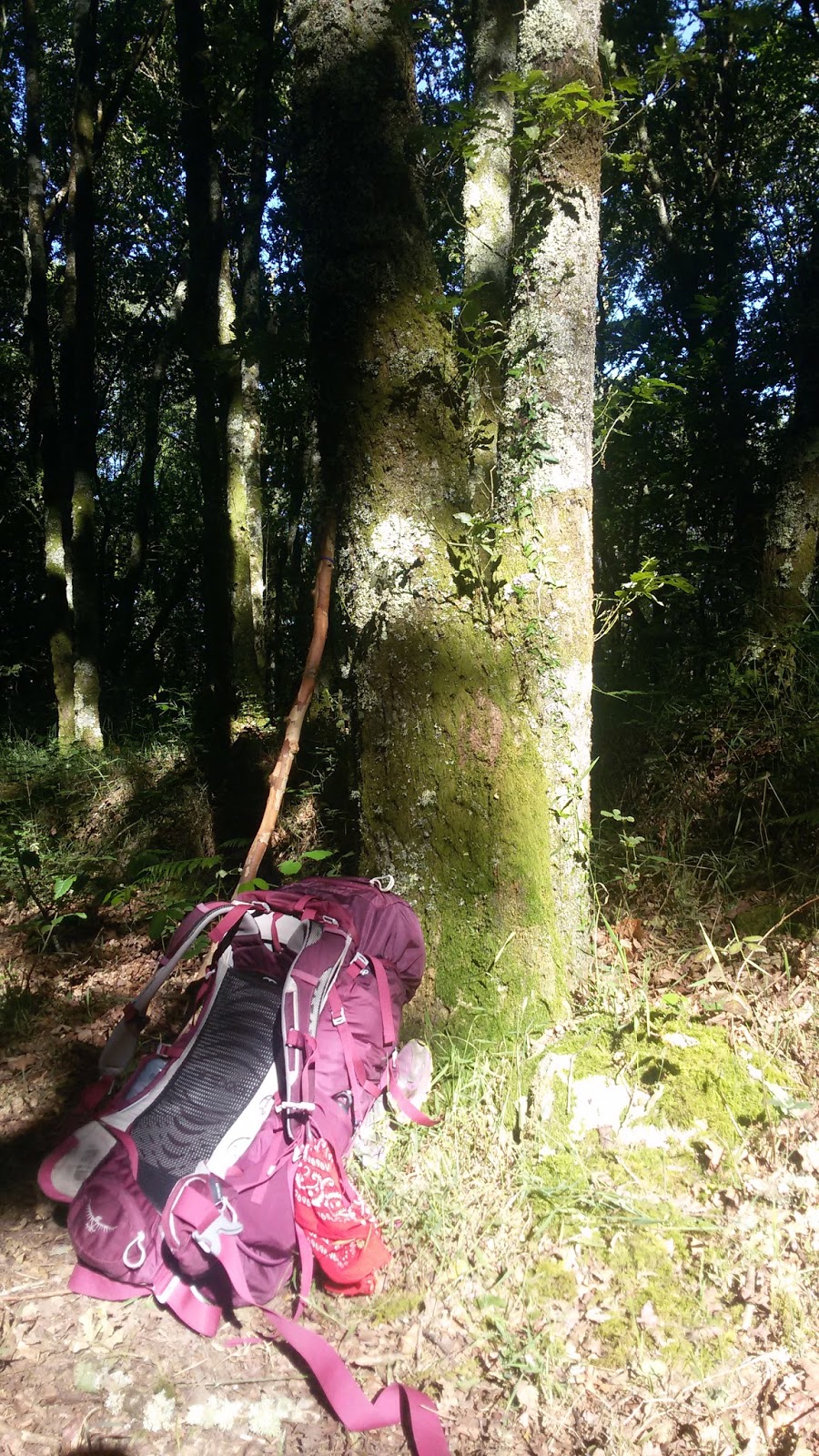
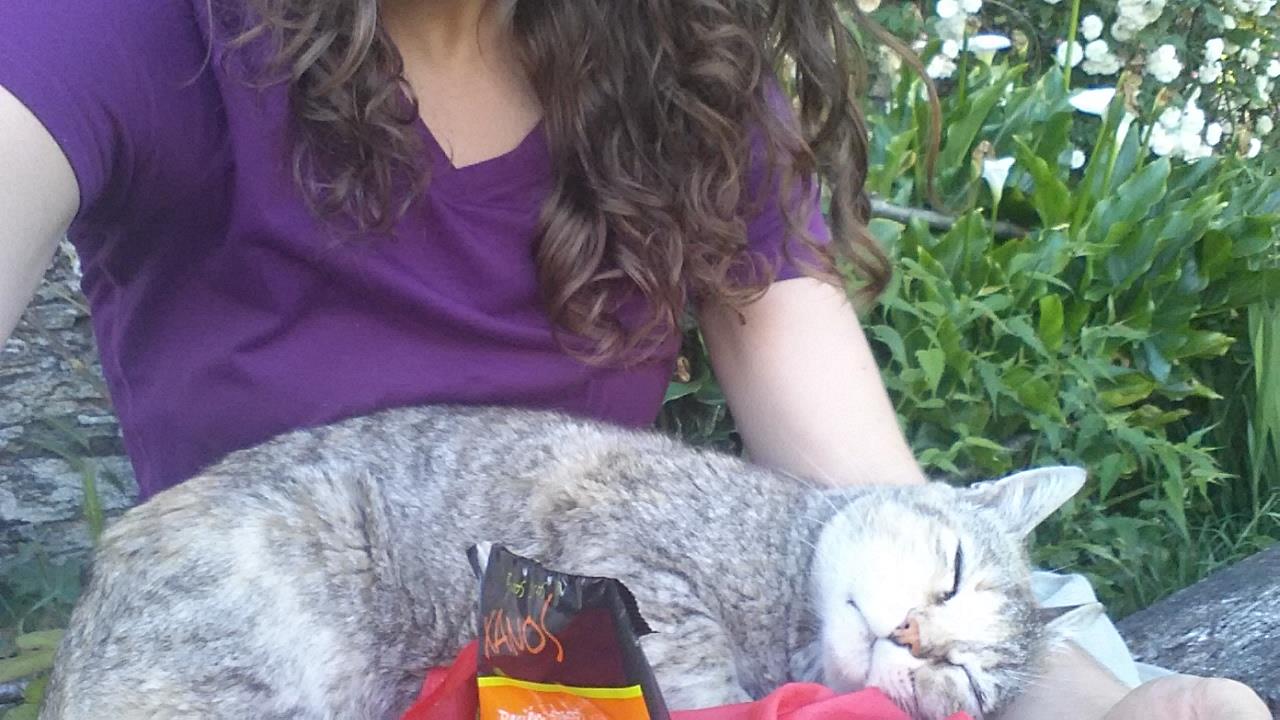
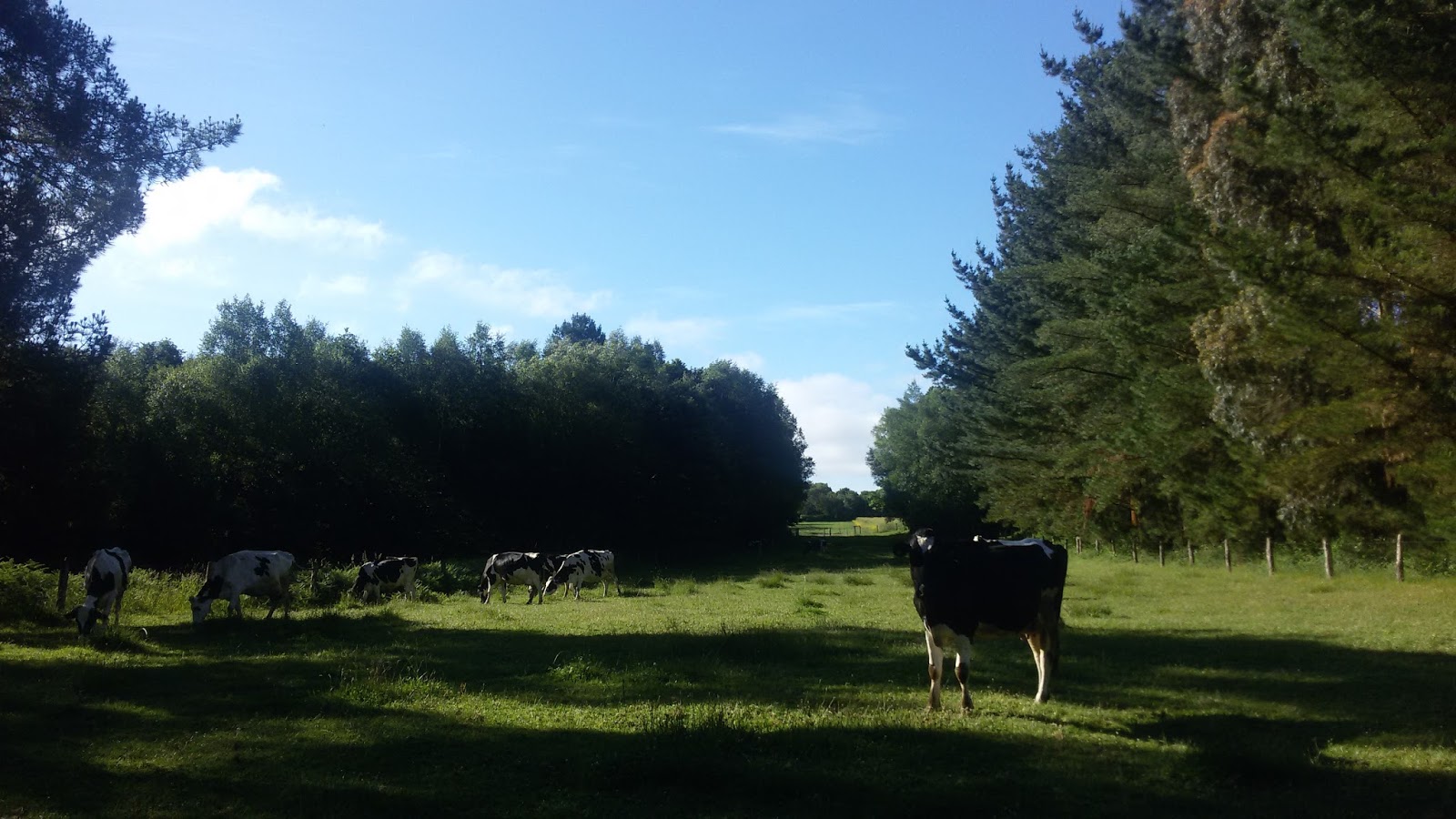
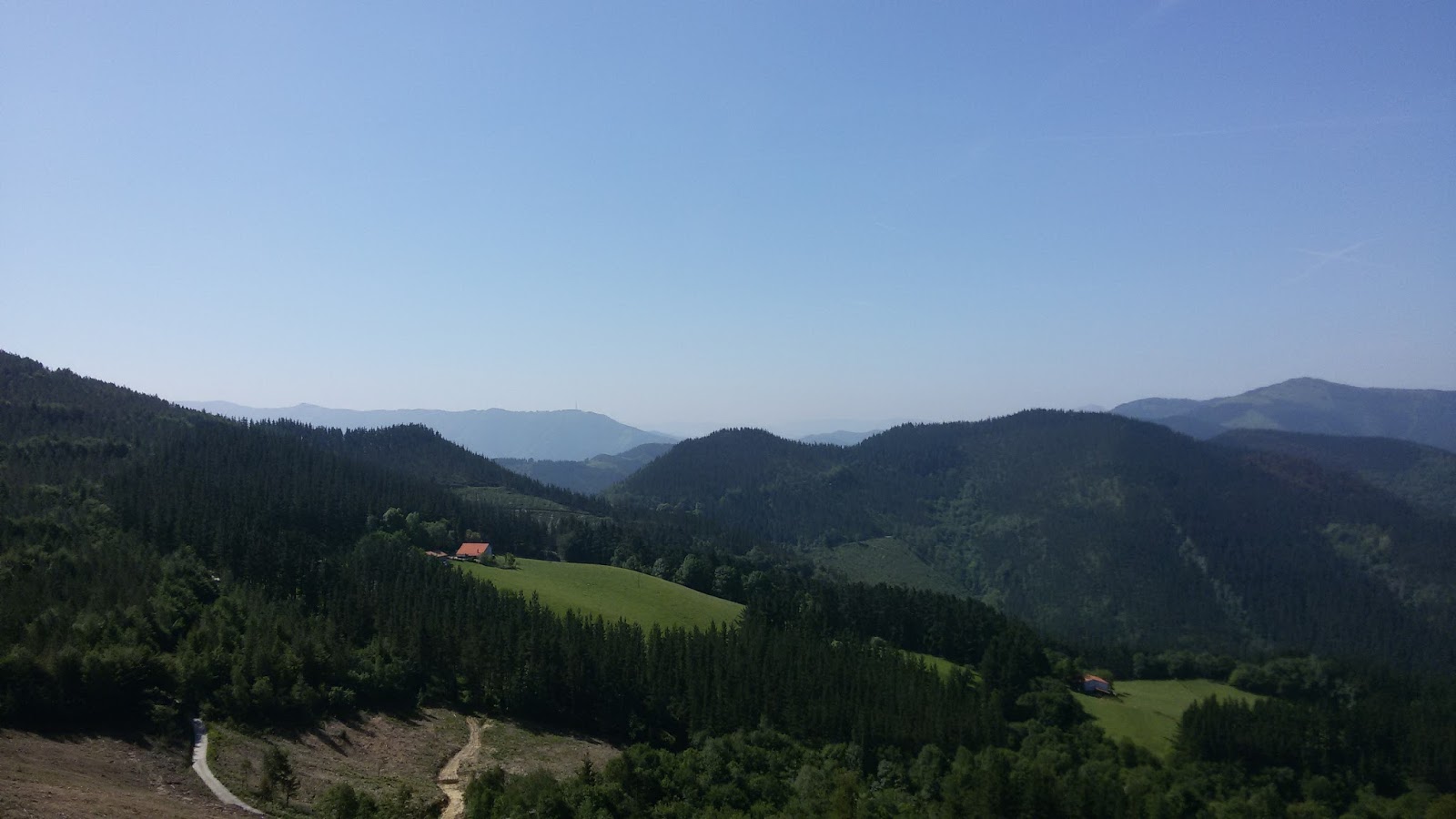
  • The Camino de Santiago in 100 words and 27 Untouched Pictures

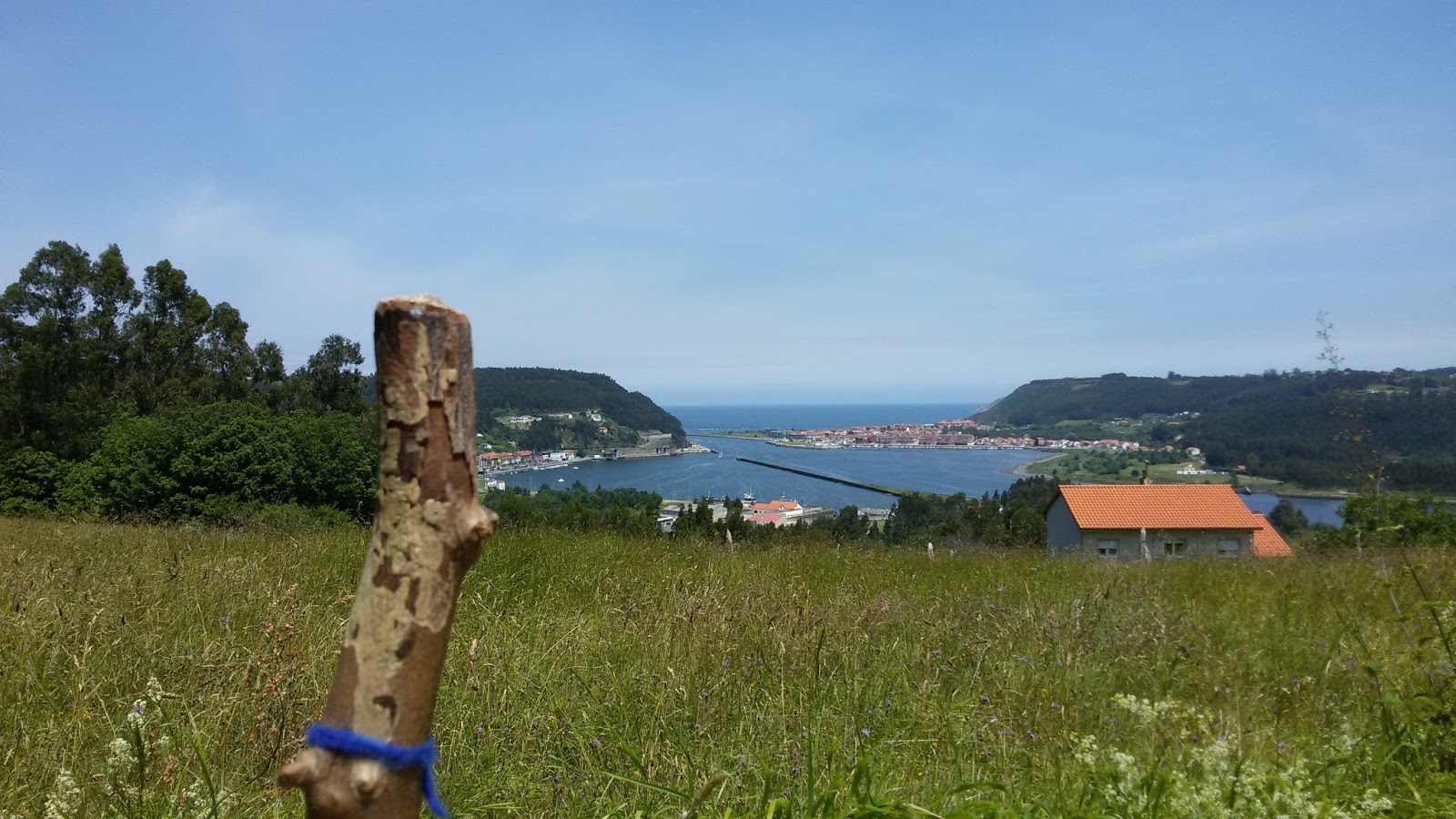
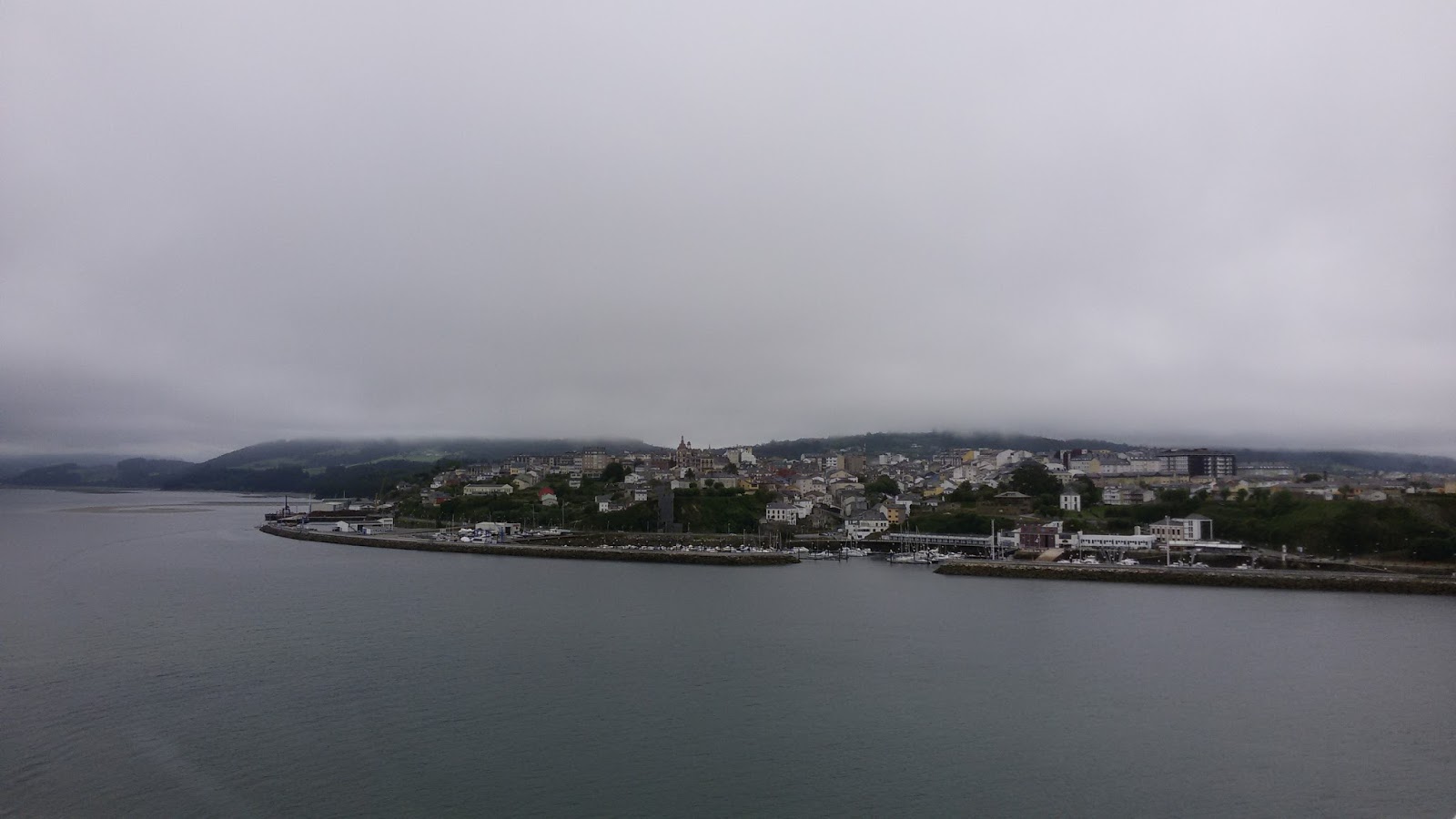
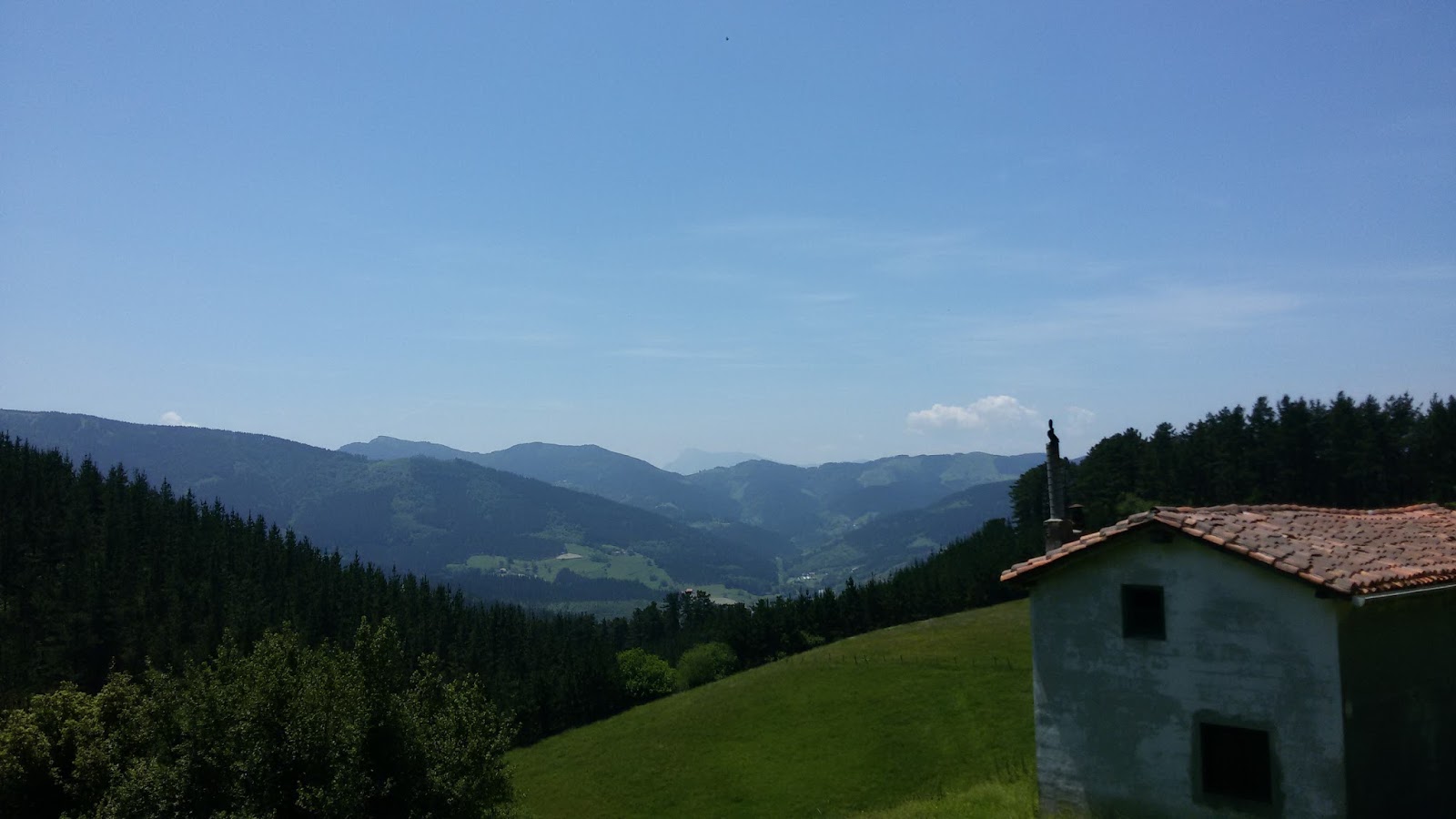
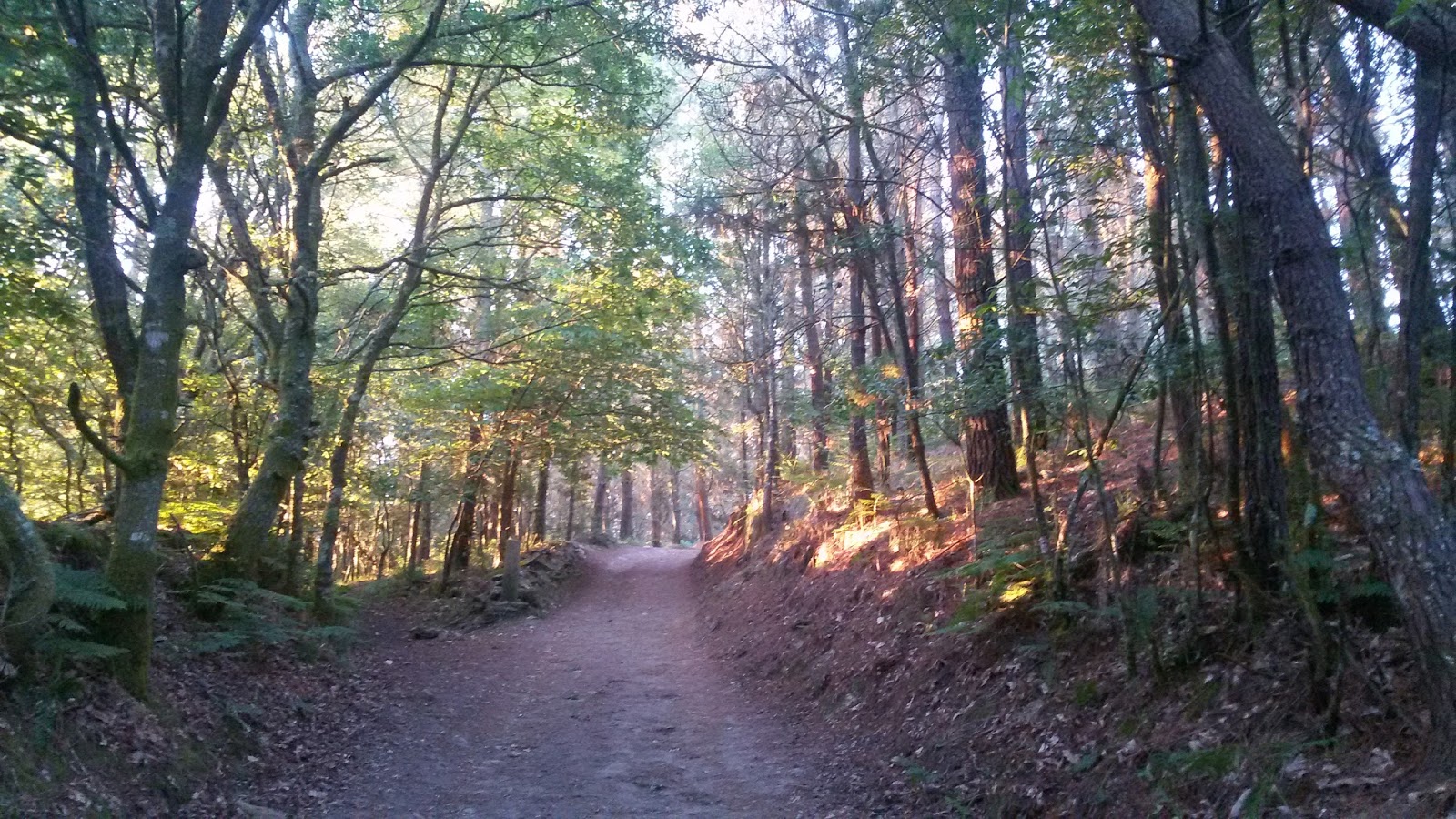
    When I set out for the San Sebastian (my starting point for the Camino del Norte) at the start of June, I decided not to take my camera with me.
    Too heavy. Too much of a burden. Too unnecessary.
    Then came the bright idea to take only one to two (smartphone) photos per day throughout my thirty-day walk. To capture what captured my heart, without being a slave to documenting the journey—that was the idea.
    And I think it worked pretty well. On average, I took two pictures a day—sometimes none, sometimes three—and while the result is not comprehensive, I believe it is in some way representative of those days.
    I have selected twenty-seven of those sixty photos and paired them with lines from a brief stream of consciousness I wrote one day to summarize the experience of walking the Camino. The collection below is not chronological, and it isn’t complete, but I think it is more true than a complete, chronological photo diary could ever be.

    ***
    Walking. 
    Walking in mud, in rain, 
    in grass; 
    on gravel, asphalt, 
    bridges stone, wood, paved; 
    at first light, 
    at last light, 
    under clear skies 
    and into fading sunsets.
    Waking beneath stars in freezing meadows, 
    waking in a village whose name already evades recollection.
    Glossy maps,  
    cafe chairs, 
    Spanish words that somehow make sense.
    Bare feet,
    dirty feet, 
    tired and sore feet.
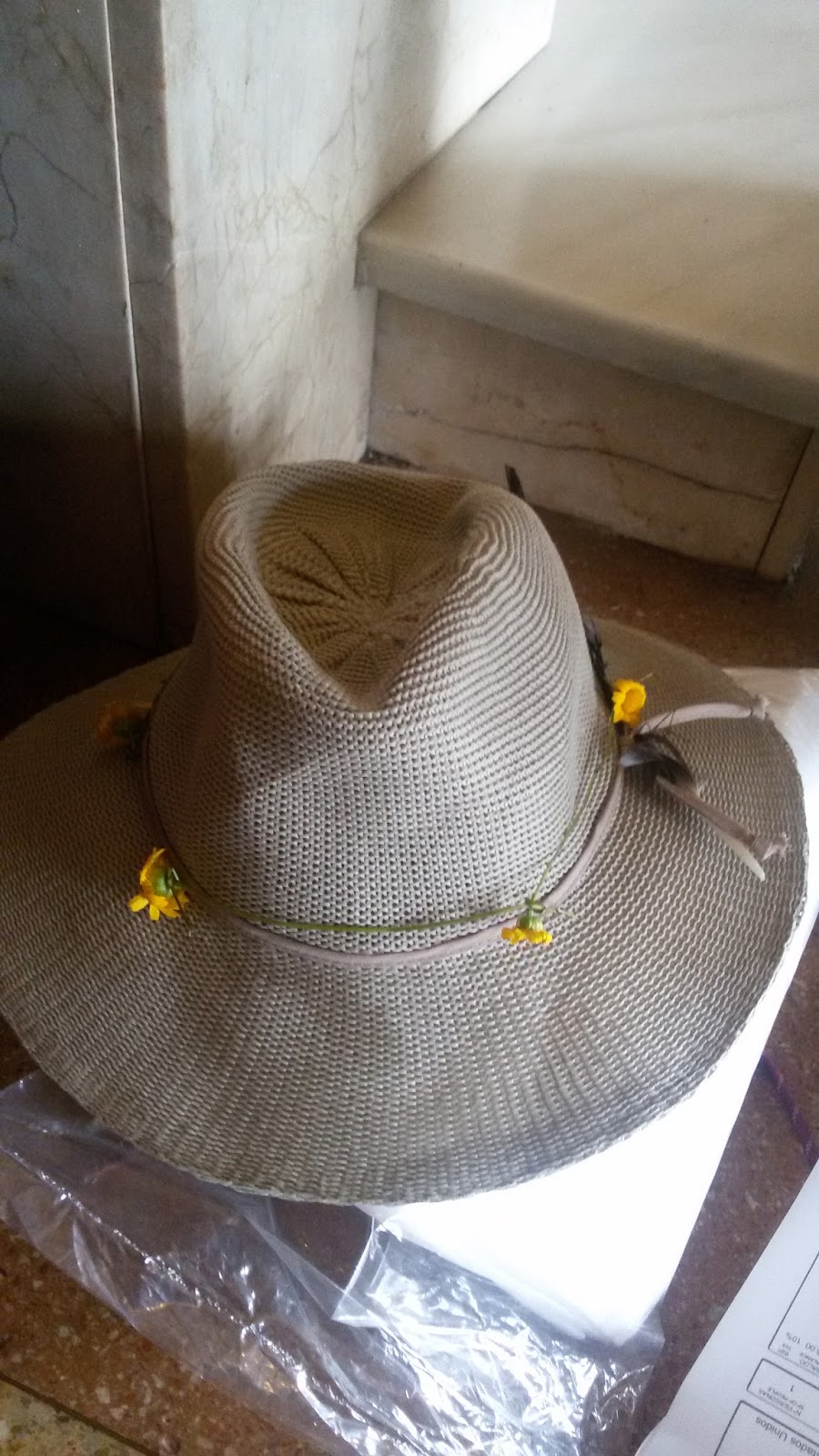
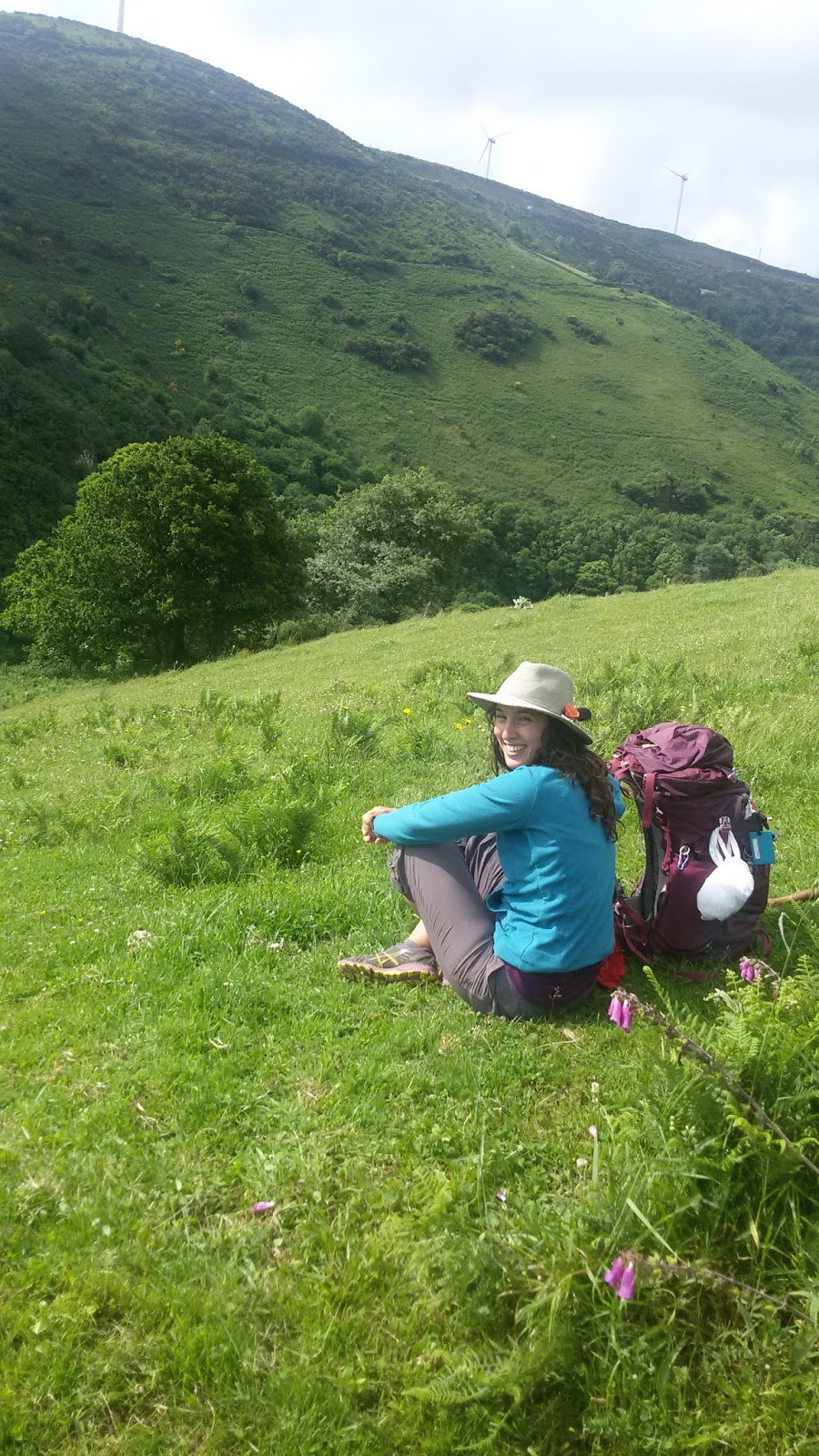
    The same hat every day, always a different flower in it.
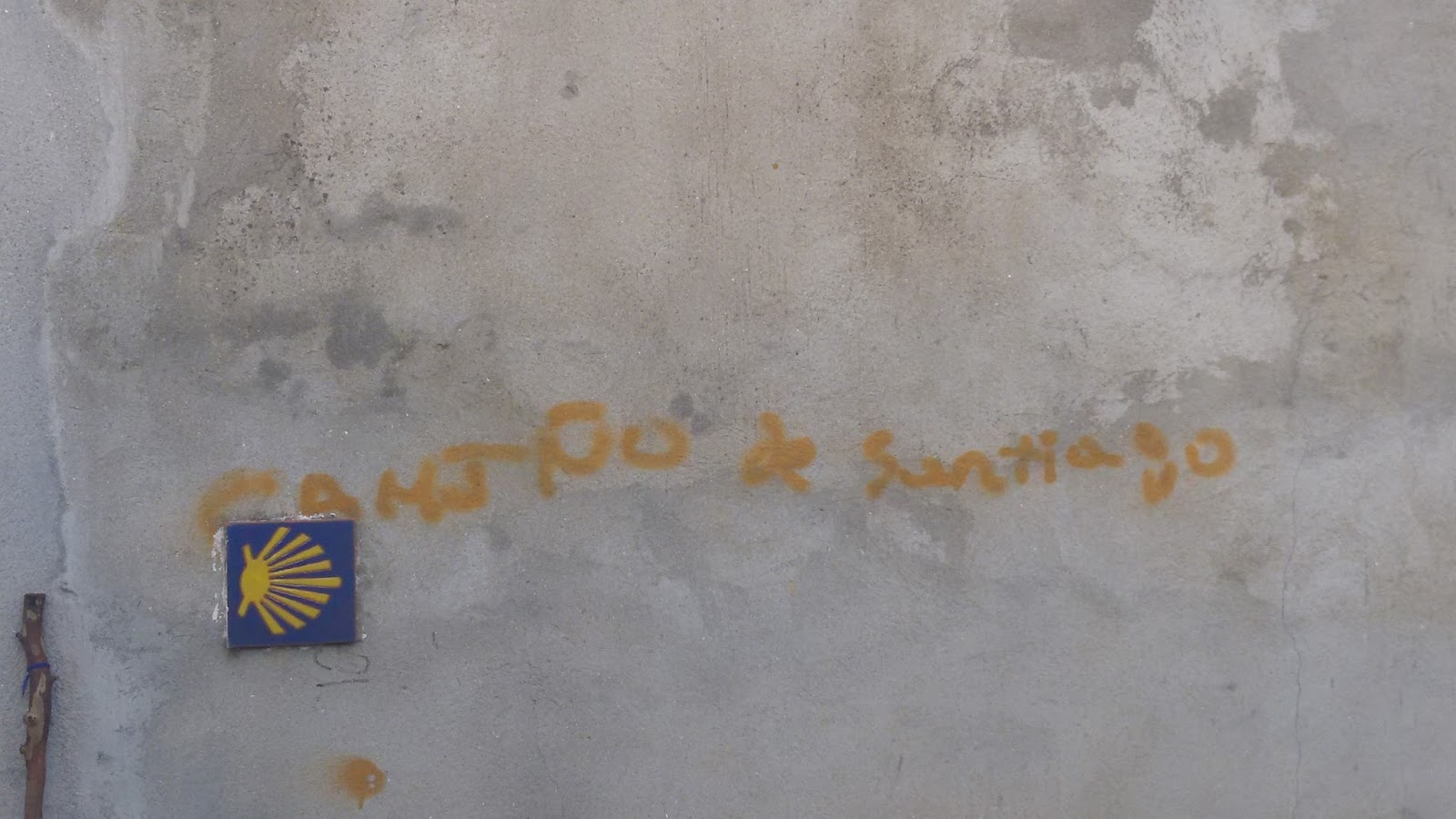
    Yellow arrows, yellow arrows, yellow arrows.
    The path ahead. 
    Sleep that comes without invitation. 
    Absence of thought.
    Peace of 
    single-minded activity. 
    Never boring. 
    Seashells. 
    The way forward. 
    Yellow arrows.

    ***

    The Camino in Short: 

    Walking. Walking in mud, in rain, in grass; on gravel, asphalt, bridges stone, wood, paved; at first light, at last light, under clear skies and into fading sunsets. Waking beneath stars in freezing meadows, waking in a village whose name already evades recollection. Glossy maps, plastic cafe chairs, Spanish words that somehow make sense. Bare feet, dirty feet, tired and sore feet. The same hat every day, always a different flower in it. Yellow arrows, yellow arrows, yellow arrows. The path ahead. Sleep that comes without invitation. Absence of thought. Peace. Single-minded activity. Never boring. Seashells. The way forward. Yellow arrows.

    ***

    About

  • Welcome to the World: First Post-Camino Reflections and Impressions.

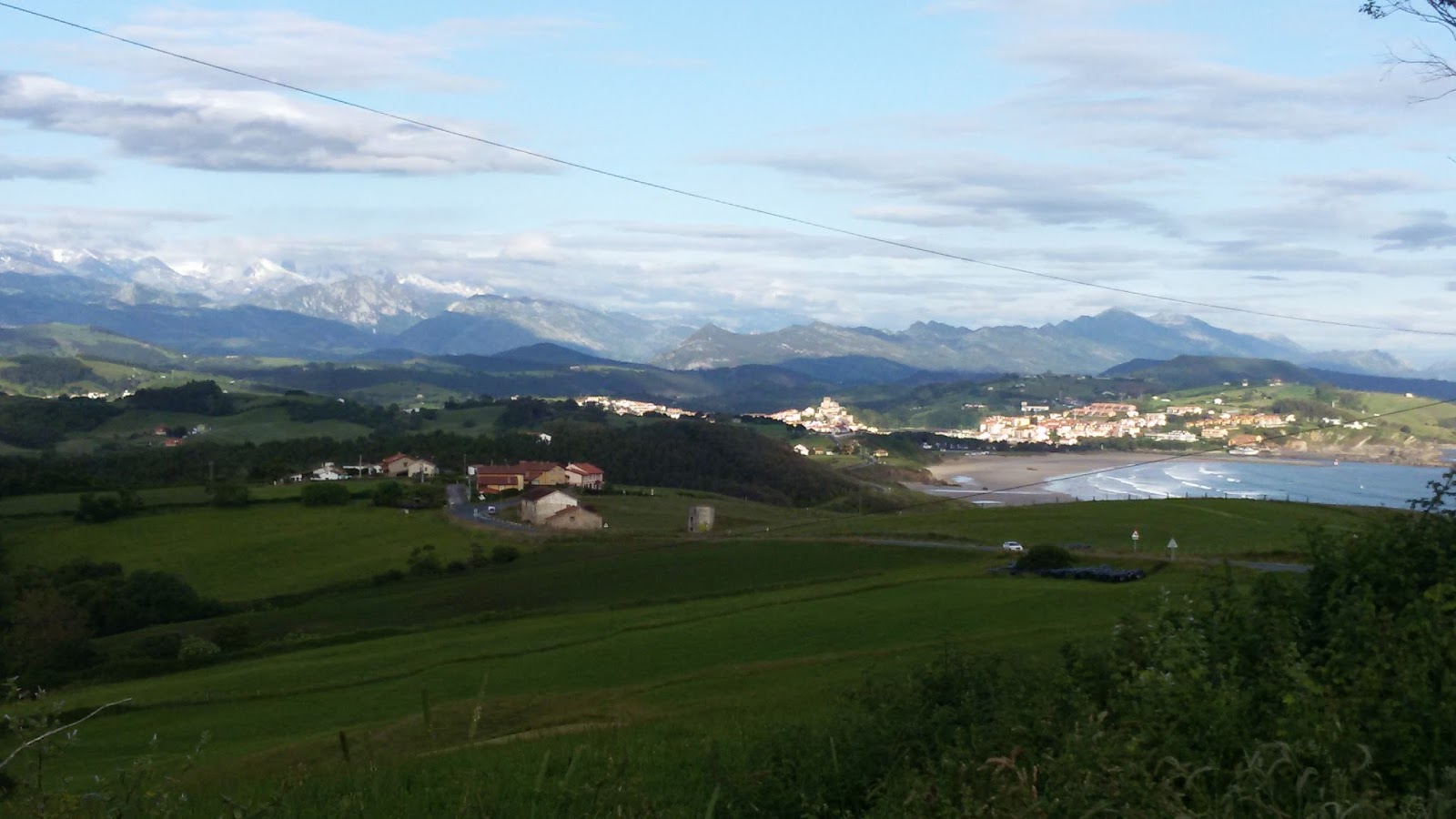
    Sunrise over Bolibar, Basque Country, after an accidental four a.m. start time.
    High heels tap-tapping on the pavement. SALE signs in every storefront. The familiar turning on sound of my shiny laptop that I haven’t heard in a month. 
    Not one single “hola, peregrina!”* as I pass crowds of strangers in the streets.
    Walking through central London is quite the “welcome” to the world. But arriving in London town on this beautiful July day, that’s just what I’ve done, scallop shell hanging from my backpack, dusty shoes on my feet and cool breeze on my face.
    While many reflections are sure to follow, here are the first thoughts I’ve had since officially “returning” from my journey:

    I’m damn proud of what I’ve just done.
    Estimates vary from 795 to 863 kilometers (San Sebastian to Santiago de Compostela), but whichever way you hang it, that’s a long walk. I’m proud of these legs that have put up with unplanned 35-kilometer days, these feet that have weathered blisters and mysterious swelling without (much) complaint, this brain that has learned passable Spanish in four weeks. While part of me was underwhelmed by my accomplishment and tempted to understate it, another part of me felt like turning around in the street and shouting, “Look what I did!”
    I really want others to know that they can do it too.
    Over the past month, I have heard of or personally encountered pilgrims on horseback, bicycle (“bicigrinos”) and wheelchairs; overweight men, non-athletic girls and heavy smokers; young children, women in their seventies and everything—everything—in between. Think you can’t do the Camino? I think you can.
    Being a pilgrim is a privileged way to experience another place—maybe the most privileged.
    Never have I been so utterly accepted in my travels, nor my purpose and my role so completely understood. As a pilgrim (as opposed to a traveler/tourist/visiter/all the other things I have been), I found local people exceptionally welcoming, caring, understanding and accommodating. The people of Northern Spain have happily put up with my (and thousands of other pilgrims’) poor language skills, smelly clothes, abysmal navigation and overall cluelessness as we passed through their homes. It was a privilege to be received so kindly.
    I’ll miss it.
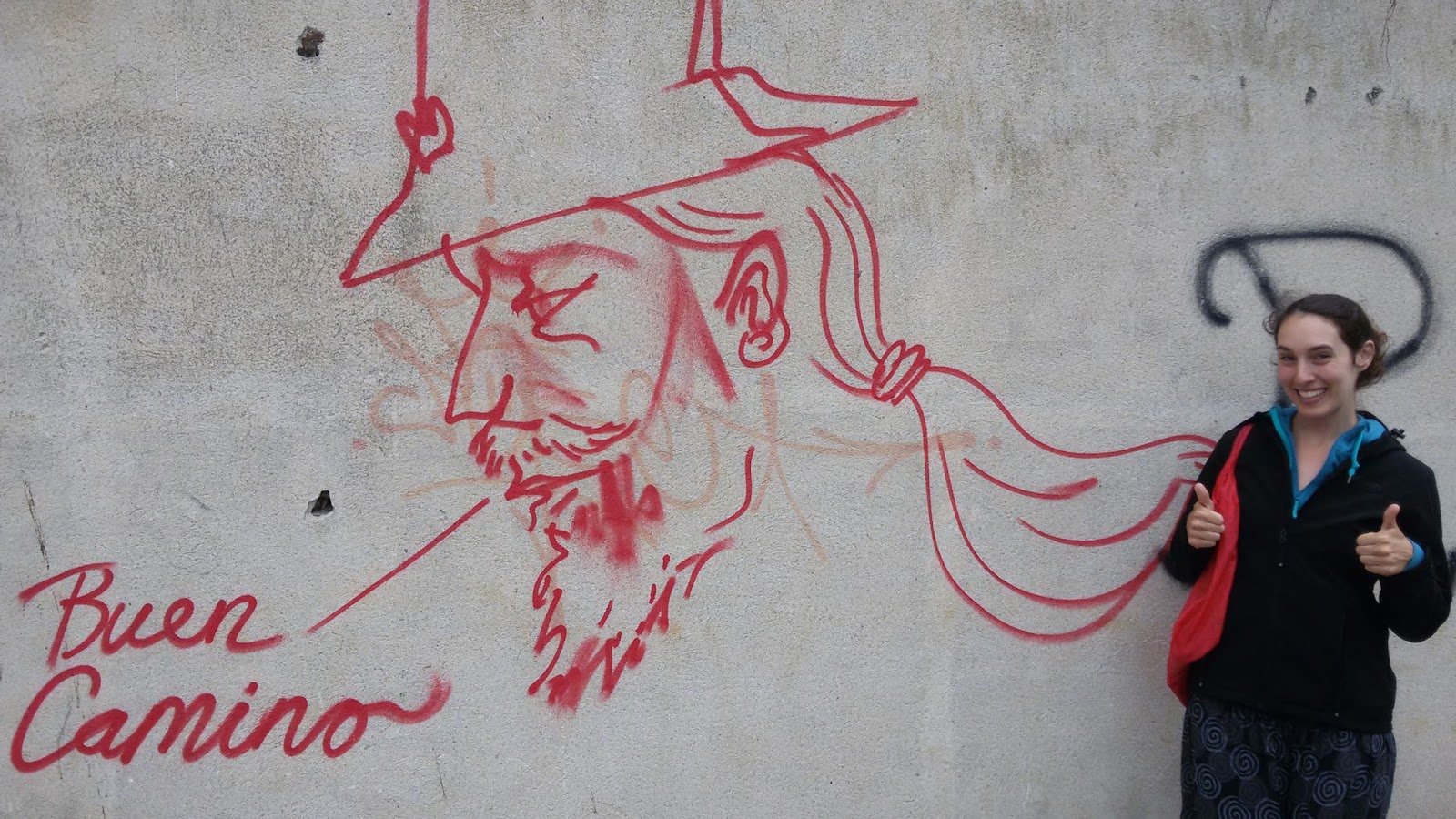
    Backpack, staff, sturdy shoes and scallop shell. The trappings of the modern day pilgrim are different from those of our predecessors, but nonetheless unmistakeable. On a daily basis I received unsolicited directions and support from passerby. From farmers in their fields, cyclists whizzing by and cars on the road, shouts of “Hola, peregrina!” and “Buen Camino!” were common and comforting. To be so firmly rooted in a fixed purpose, and to have that role understood and supported by the community, infrastructure and even landscape around you is a rare gift. Though difficult to describe, pilgrimage as a state of being was an unparalleled experience, and I will miss it.
    I definitely don’t know what I’ve learned yet.
    Deep thoughts? Rare. More common: “My feet hurt.” “I’m hungry.” “Why is the sky still spitting at me?” “Ooohhh, that’s a pretty mountain.” “Cows are funny.” “Goats are funny.” “Hehe, sheep are really, really funny.” “Ooohhh, pretty horses.” “Hmm, my feet still hurt.”
    You get the idea. Even more common: “…  …  …” Clear mind. That was the best part. So, I don’t know yet what the big lessons were—but I’m sure they’re in there.
    But everything was perfect and exactly how it needed to be.
    There’s no “right” way to do the Camino. Everyone will walk at different paces, stop different places and learn different lessons. And that’s exactly as it should be. I’m still entirely in the processing phase of my return, but I know one thing for certain about my journey: It was perfect.


    *Peregrino(a) is the Spanish word for “pilgrim.”
    ***

    Some bonus awesomeness: Check out my friend and fellow pilgrim, Margaret’s inspiring campaign, WALKING FOR WOMEN WITH BREAST CANCER IN TIMOR-LESTE – HALIKU.

    ***

    I expect to be writing a fair bit in the coming weeks and months about the Camino, so if there’s anything in particular you want to hear about, please let me know!

  • Off to the Camino… Travel Update and See You Later!

    On Sunday, June fifth (yes, that’s tomorrow), I will close my laptop. I will put it on a shelf, and I will not see it again for a month. I will put two pairs of pants, three shirts and a sleeping bag into my backpack, and I will head to San Sebastian in the Northeast of Spain.

    I’ve been waiting for this day for a while now.

    I need a vacation, yes. I need a total break from society—also yes.

    But it’s more than that. It always is.

    The Camino de Santiago has been on my list for awhile now. (It’s not a bucket list. I like to call it my, “Do These Things as Soon as Possible List.”)

    I don’t know why I want to do it, just like I don’t know why I want to travel the Trans-Siberian Railway, ride on horseback across Mongolia or sail the seven seas (all on my list). Except, I know that it calls to me; I know that adventure is my way of searching—of seeking.

    I know that a search need not have an object—that it is the act of searching that matters—sometimes…


    ***

    So, that’s about it. I’m not packing my camera, so I’m sorry to say I may not have many beautiful pictures to show for this trip at the end of the month. I also haven’t decided how much, if at all, I’ll stay connected. I may be updating here over the next month—or I may not. If not, I’ll be back in a month with a whole lot of stories to tell. See you then! 🙂