Category: Nature

  • Pure Light, Pure Life: A Costa Rica Snapshot

    Pure Light, Pure Life: A Costa Rica Snapshot

    At the edge of Ciudad Colón, Costa Rica, in 6 am light

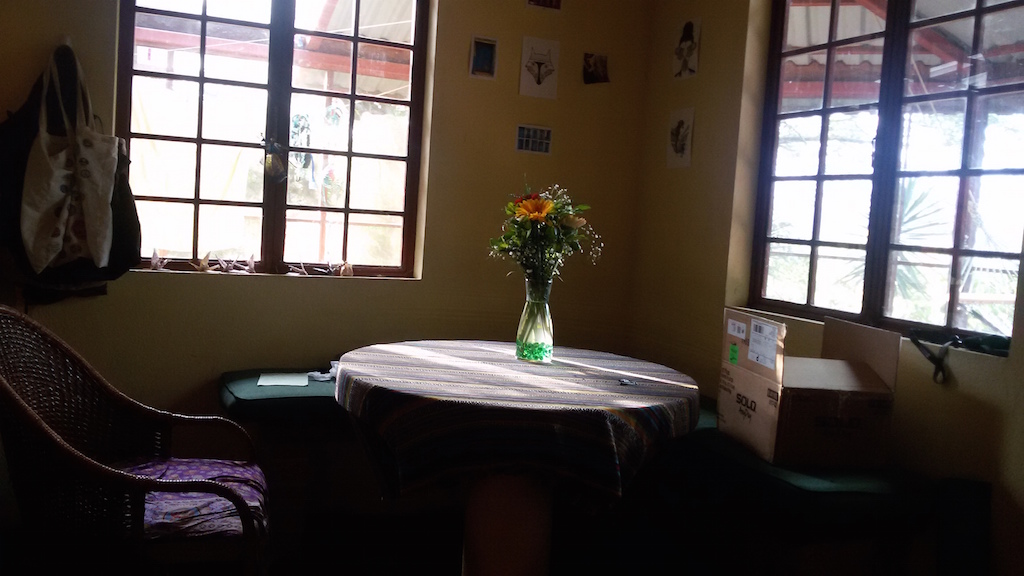
    The light falling through my windows at 6 am cleans the sleep from my eyes.

    I study how it falls on the striped tablecloth, on the laundry hanging on the porch, on the dishes in the rack by the sink, now dry.

    This light has weight. Depth. And levity.

    As I walk through it to bring my compost to the pile at the edge of my yard, the light transforms the ordinary into magic. Last night’s rain glistens on blades of grass, hibiscus flowers, palm fronds. The air itself breathes, infused with life, illuminated.

    The mossy track up the hill to the road could lead anywhere, in this light.

    Portals could appear around the bend, elves could shimmy down the velvety rays, and I would not be surprised.

    This 6 am, 7 am, 8 am clarity washes away the dark and the rain and the heaviness of the night before. It redeems the incessancy of the September rains. One could take flight in it; its very existence defies the gravity of the season, washes the soul, and lifts the spirit, suspending it in lush, velvet lucidity for the rest of the day.

    And this 6 am tableau expands to touch all the senses. Birdsong rides upon the coattails of the light, insisting that all who hear it enter into the day. It is more effective than any alarm. Moths who stumbled inside at midnight, addled by electric bulbs, buzz now at the windows, anxious to rejoin the jungle. Close behind the birdsong sings the scent of dawn—wet earth and drip-drying branches—with the promise of a fresh beginning.

    Amnesiac mornings, yesterday forgotten.

    And within the light that trails the birdsong that carries the wet earth smell, a prescience of the daytime heat to come. Already, nighttime chill begins to dissolve. Cool tiles underfoot raise goosebumps, and the air is just brisk enough that one feels compelled to carry a sweater, which will be obsolete within hours.

    Finally, the taste of 6 am light—because sunlight like this has flavour just as it has weight… dark green, a little bit dusty, rich and smooth on the tongue like homemade whipped cream. Or sweet and bright like ripe pineapple. Or tart and effervescent like good champagne.

    It lingers. Leaves an impression.

    A post shared by Toby Israel (@tobyintheworld) on

    Pure life, this light.

    But I don’t think there is anything particularly rare about it. Surely you could find light like this—uplifting and exquisite and soft to the touch—anywhere. Not only in Costa Rica. Not only in the jungle.

    I think, though I have no proof, that we can find this light whenever we open space to it. When we slow down our mornings to hear it, deepen our gaze to observe it, stick out our tongue to taste it…

    Sunlight everywhere reaches out its fingertips, nudges the soul to take wing, offers prayers for a velvet, amnesiac morning.

    Pure life—

    Not a destination, but a way of beginning.

  • “Smile As You’re Dancing.” Thoughts for Those Seeking to Rewild

    “Smile As You’re Dancing.” Thoughts for Those Seeking to Rewild

    I first published this piece well over a year ago on Rebelle Society.

    Since, I have gone much deeper into my exploration of rewilding. Back from my week in the Greek wilderness with The Wandering Wild School, I am still in the process of unpacking my experience.

    In the meantime, I offer you this:

    rewilding, rewild, moon

    Rewild

    Hello, old friend. It has been a lifetime since last we spoke.

    You thought you lost me, but I was only resting.

    Now, I am back—and stronger.

    The roar of the earth has shaken me—awakened from my complacency—I find compromise a cage that may no longer contain me.

    So now, old friend, it is time for you to remember:

    The cruel wind of barren peaks in your nostrils.
    The hot sands of a wild beach between your toes.
    The swirling ice of mountain lakes upon your skin.
    Beneath your chest—unruly, irrepressible passion.

    Think again of what you known:

    Monsoons have kissed your face;
    Ancient moss has cradled your feet;
    Iridescent seas have caressed your body;
    And you have made love to the sun—

    Old friend, do you remember yet? Has my voice called up your recollections?

    You are the tiger in the forest, and I am the ferocity in your jaws.
    You are the hawk in empty skies, and I am the space within your bones urging you to fly.
    You are the serpent at the heart of the world, and I am the knowing in your blood.
    You are fire, and from your immolation I rise.

    Do you recognize me now?

    I am the wildness inside.
    And it is time for you to remember. To reclaim. To return. To revive.
    To rewild.

    Jump again from moving buses;
    dive again to swirling depths;
    rise again from your own ashes;
    die again a hundred deaths.

    For the wildness inside you will never perish;
    I only tire, then surge afresh.
    I am the heartbeat that called you to the forest;
    don’t you hear me beneath your chest?

    Go into the mountains, and give your breath to the wind.
    Go into the wilderness, and surrender your fury to the sands.
    Go into the ocean, and bow your head to those waters.
    Go into the empty blue, and free your self of your fetters.

    Smile as you’re dancing;
    smile as you dream.
    Smile the smile of a creature released;
    smile a smile with power in its seams.

    Old friend, you never lost me; my pulse is still your own.
    I am the wildness inside—now do you remember my song?

    Touch your finger to your wrist.
    Feel how we have grown.
    Catch my reflection in every surface.
    Let me carry you home.


    Originally published on Rebelle Society.

    Photo Credit: [1] Casparo Brown of The Wild Wandering School; [2] Sea Eyemere

  • The Wild Song and Where to Find It

    The Wild Song and Where to Find It

    Seek. Wildness.

    The signals have been clear for a while now. Years. This is one of the most important things we can do in our overly sanitized, regimented, domesticated world.

    This is the wordless impulse that drives me ever further into the waves, the mountains, the physical and spiritual frontiers of the man-made. That galvanizes me to push the limits of my body, break past the boundaries of my known experience. This is the imprecise call that sent me on a vision quest, on an 800-kilometer trek across Spain, and next on a week-long journey into the wilderness of northern Greece.

    There is a song; I believe we all know it, whether we recognize it or not. It sounds like the sun on pine trees and tastes like bold green and smells like an almost-forgotten dream. It instructs us to seek wildness.

    Every so often, I try to do its bidding.

    If you have the slightest interest in eco-restoration or rewilding, I highly recommend a book by environmental writer George Monbiot called Feral. In it, he imagines a world—perhaps utopic, but nonetheless exhilarating—which is not free of humans, but free of human arrogance. In this world, elephants and lions, wolves and bears once again roam their natural habitats in Europe. In this world, human beings have relinquished the delusion of mastery and allowed a far wiser, far older system of order to reestablish.

    In that world, we wouldn’t need to seek out wild places, because they would exist in abundance. Perhaps the same would be true of our internal landscapes…

    In the meantime, however, it is not always so easy to immerse in wildness. That is why I am traveling to the mythic, mystical island of Samothraki to participate in a Wild Wandering School run by my good friend Casparo Brown.

    There I hope to learn a few more of the words to the wild song that so enchants me.

    But I’m not writing this post out of self-congratulatory narcissism (that’s what mirrors are for). I am writing in the hope that you will stop, for a moment, and listen.

    That song—the one that sounds like pine and tastes like green and smells like a lost past… you don’t have to travel so far to hear it. Sure, the wild places in our world are harder and harder to reach, but the ones within haven’t gone anywhere.

    I hear that wild song in un-self-conscious dance. In play. In getting lost. In risk. In fear. In hunger. In wonder.

    If you listen, maybe you will hear it too.

    Seek wildness.

    Put down the screens, the structure, and the insipid sterility for a minute and close your eyes. Underneath the rules ripples a harmony far wiser, far older than you or me.

    If you listen, maybe you will hear it.

  • The Wild-Tame Peculiarity of Safari (and 10 Wild Photos)

    The Wild-Tame Peculiarity of Safari (and 10 Wild Photos)

    Sabi Sand Game Reserve, Mpumalanga, South Africa

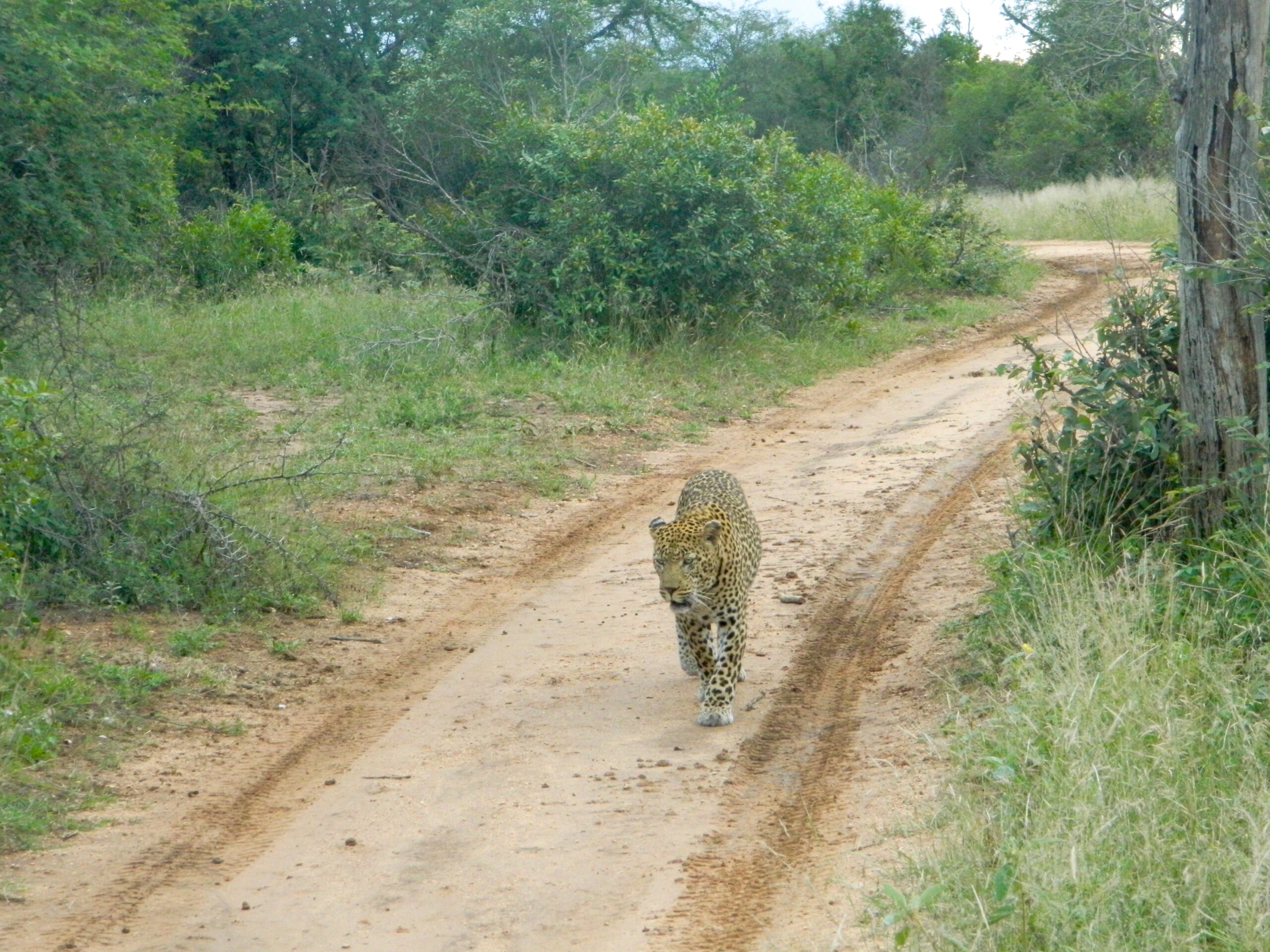
    A male leopard wakes from his nap and stretches lazily.

    Three safari cars—Land Rovers, I think—have parked just meters away.

    The leopard yawns, stretches again, and begins to move.

    His eyes are amber-grey, and he gives us only the briefest of disinterested sidelong glances before deciding to ignore us entirely and amble along the road. He remains impervious as the three cars crisscross his path to allow their passengers optimum angles—a bizarre new animal behavior pattern to which he and many other species in the bush appear wholly adapted.

    At one point he passes so close to my side of the car that I can see the individual hairs that make up his spots and the supple play of muscle beneath his skin.

    ***

    There is something both bizarre and breathtaking about finding yourself within hand’s reach of a wild animal and knowing that you’re safe.

    That is the wild-tame peculiarity of safari. Or, at least, of my safari.

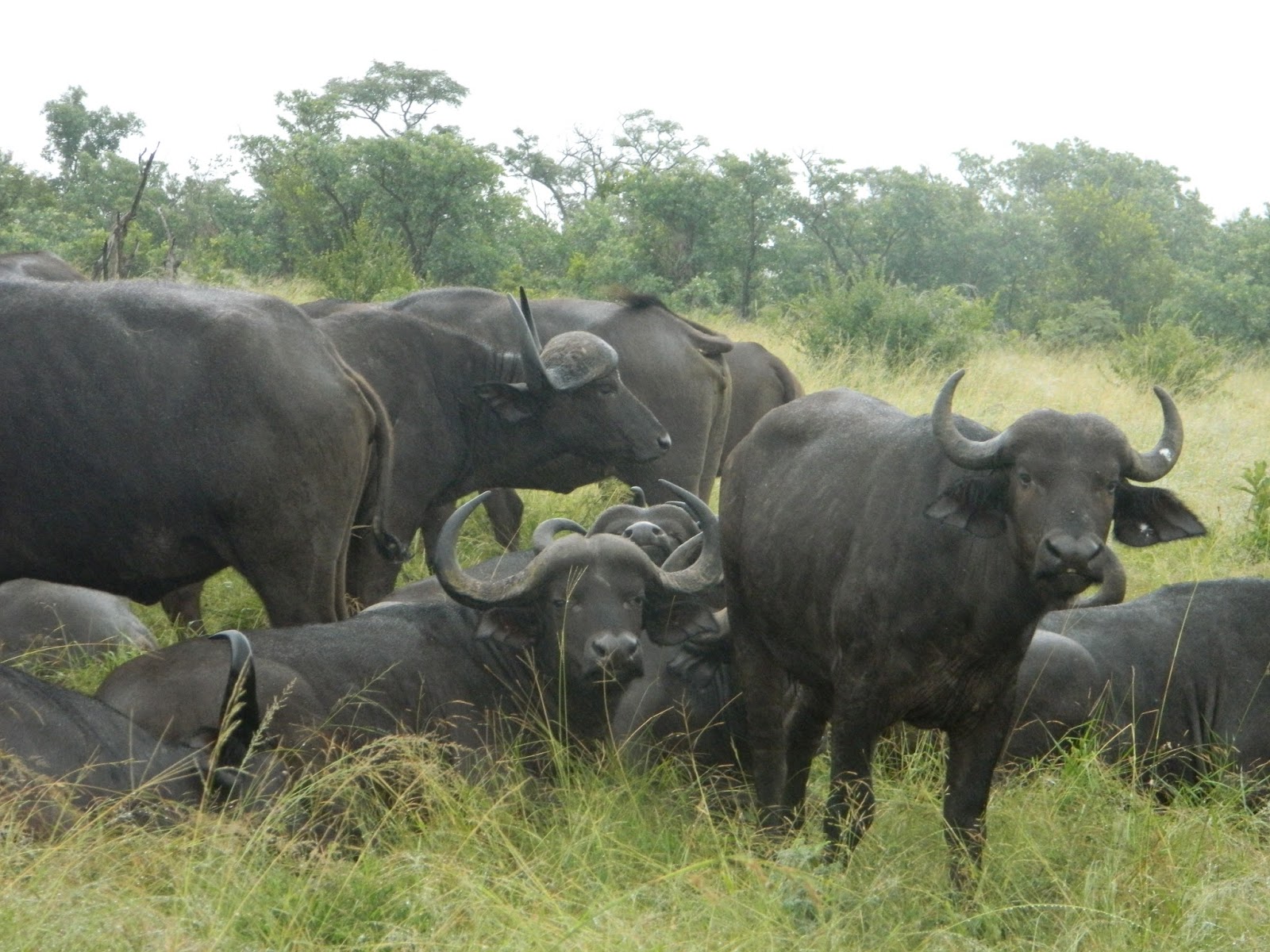
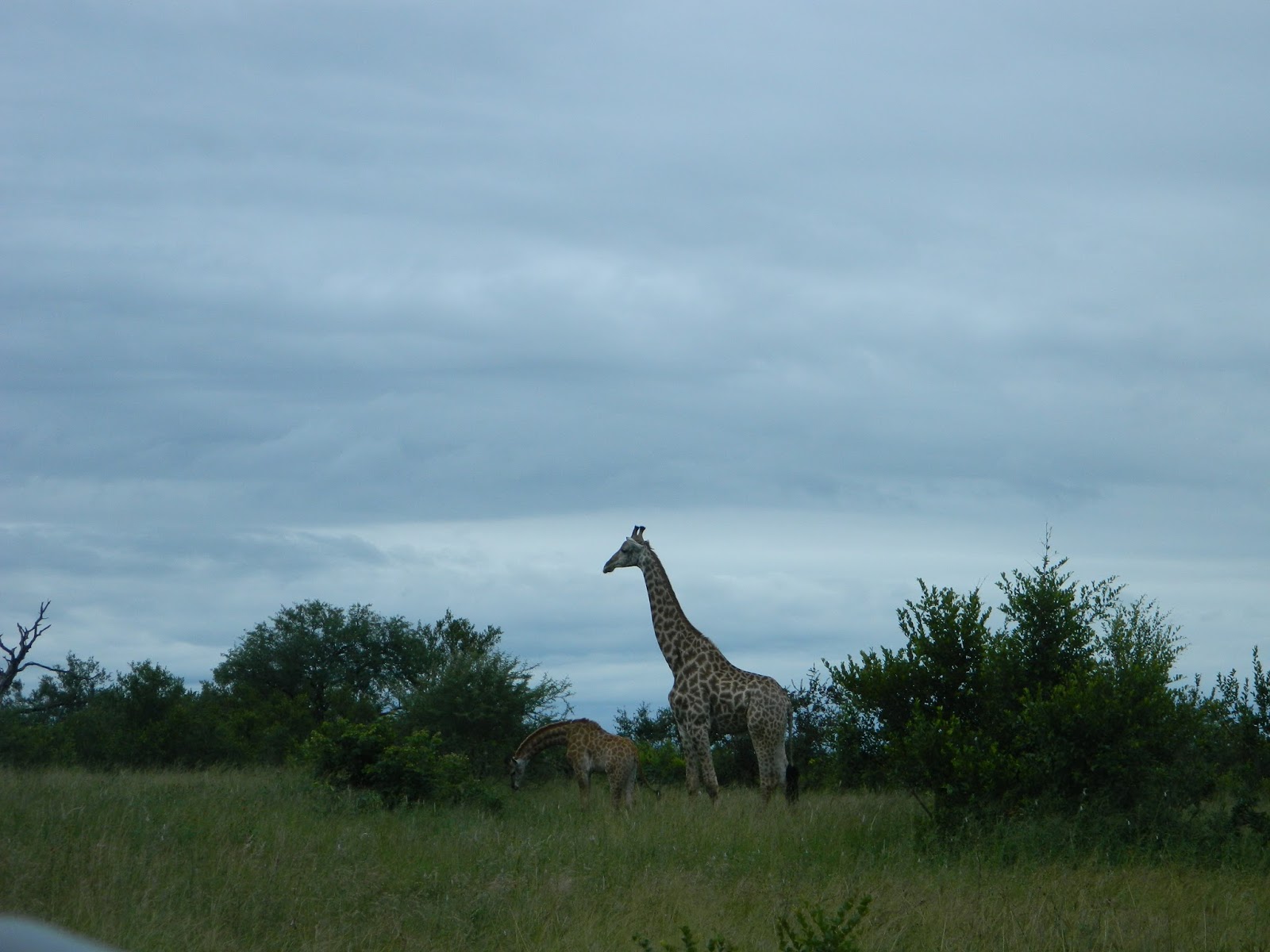
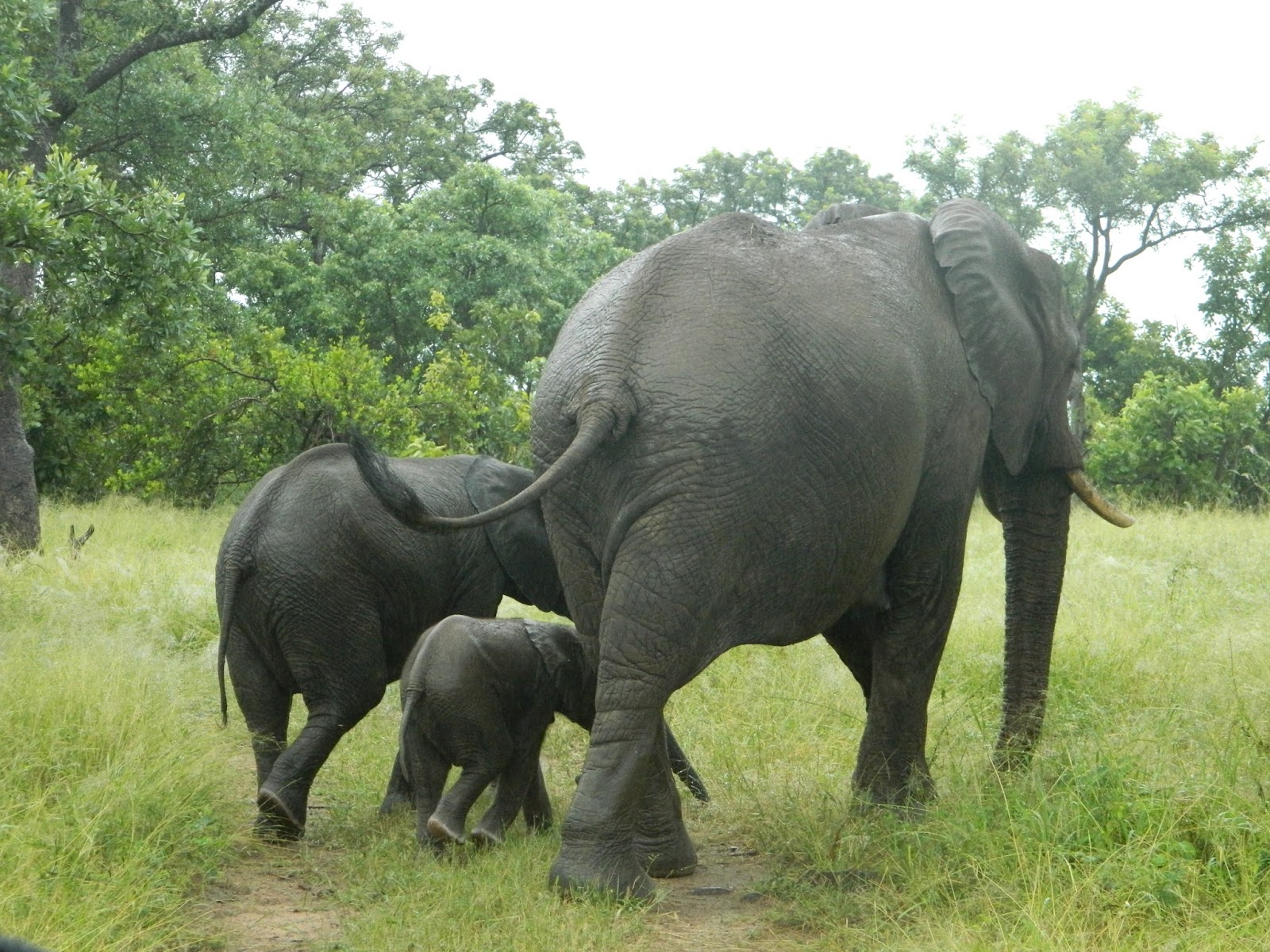
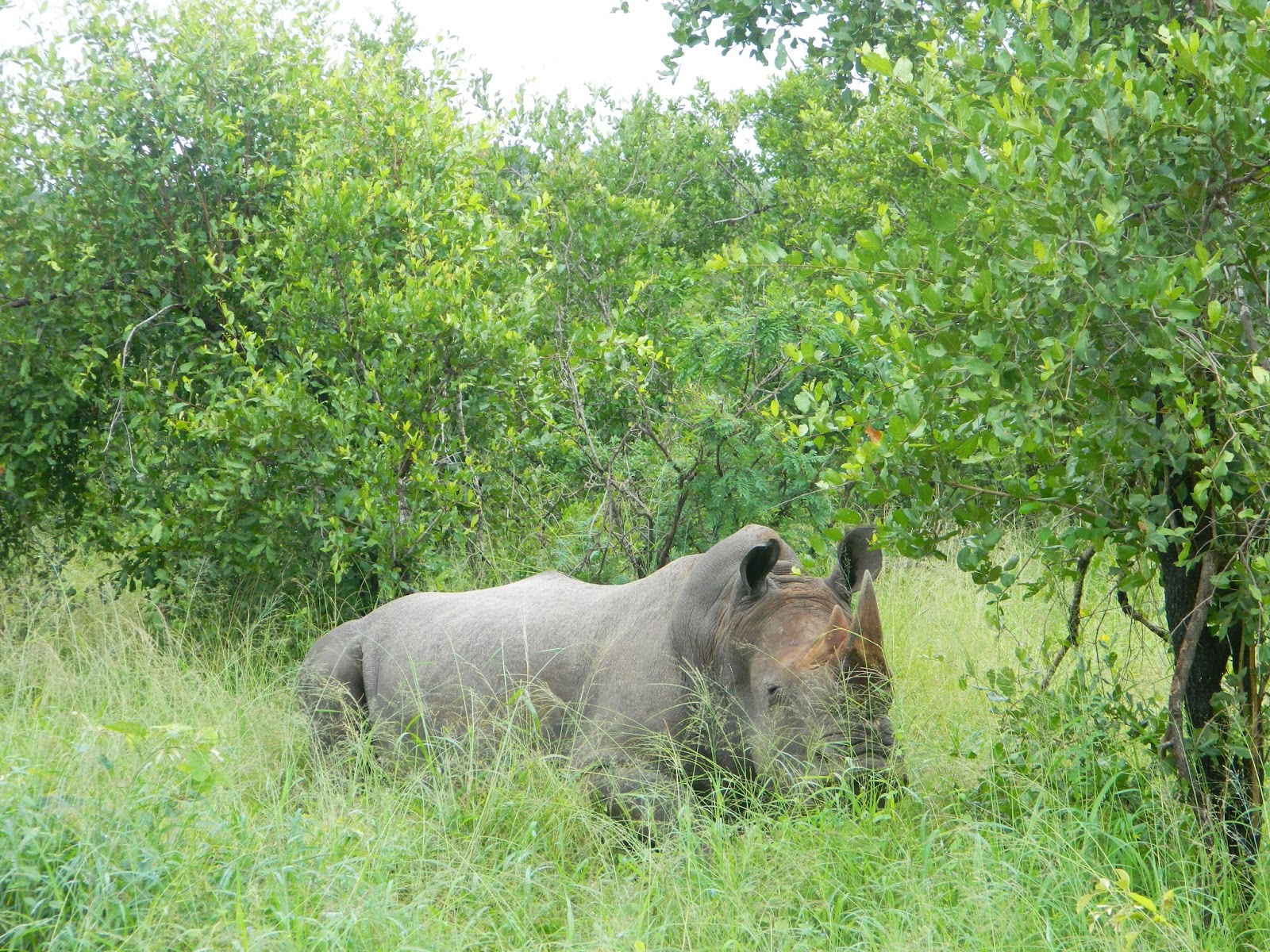
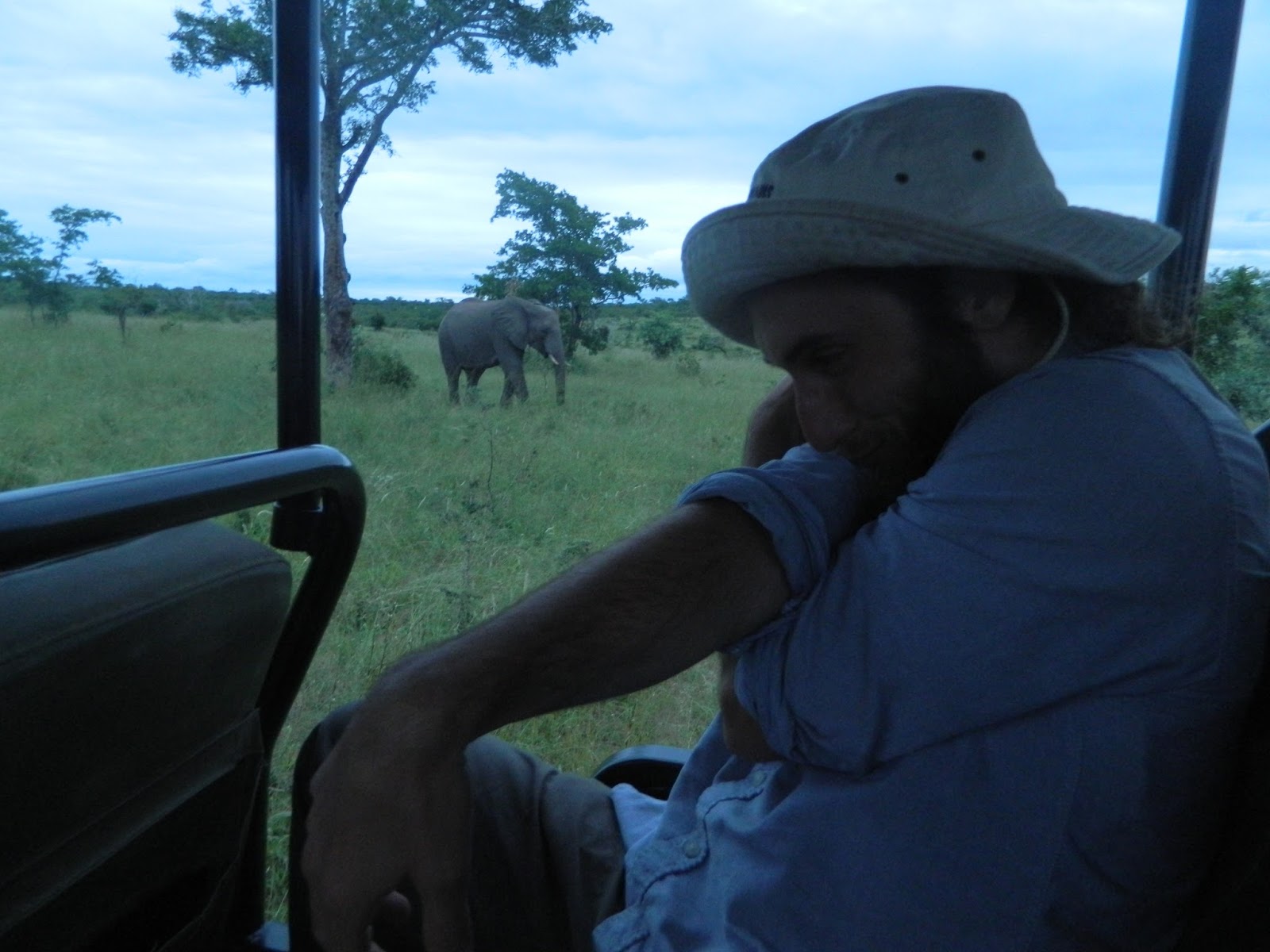
    Over the course of three days, my family and I found ourselves nose-to-nose with elephants, zebra, giraffes, leopards, and lions, thanks to the skill of our third-generation guide and the collaboration of the game reserves. We observed hippos, white rhinos, hyenas, and vultures from just a couple meters away.

    The sheer size, power, and wildness took my breath away—and it made me wonder about this paradoxical dynamic whereby wild animals accept wacky, camera-toting tourist behavior as the norm and an ecological system seems to evolve to accommodate it.

    Predator and prey alike enjoy the ease of travel on dirt roads cut for the convenience of safari trucks. A mother leopard defends her cubs against hyenas as you would expect, but observes our approach with indifference. Some—though not all—impala (a species of adorable antelope) fail to shy away at the no-longer-alien sounds of car engines and human voices.

    One thing is certain: This industry is a boon for the anti-poaching efforts across the safari-regions of the African continent. It brings revenue to places that desperately need it, and government protection to the wild animals responsible for it.

    Perhaps even more important, it has the potential to raise awareness about and appreciation for species and environments slipping into endangerment or collapse. A key element of environmental protection not to be underestemated.

    I hope to share more as I learn more, but in the meantime, here are some “up close and personal” photos of the wild animals that allowed us to share their space:

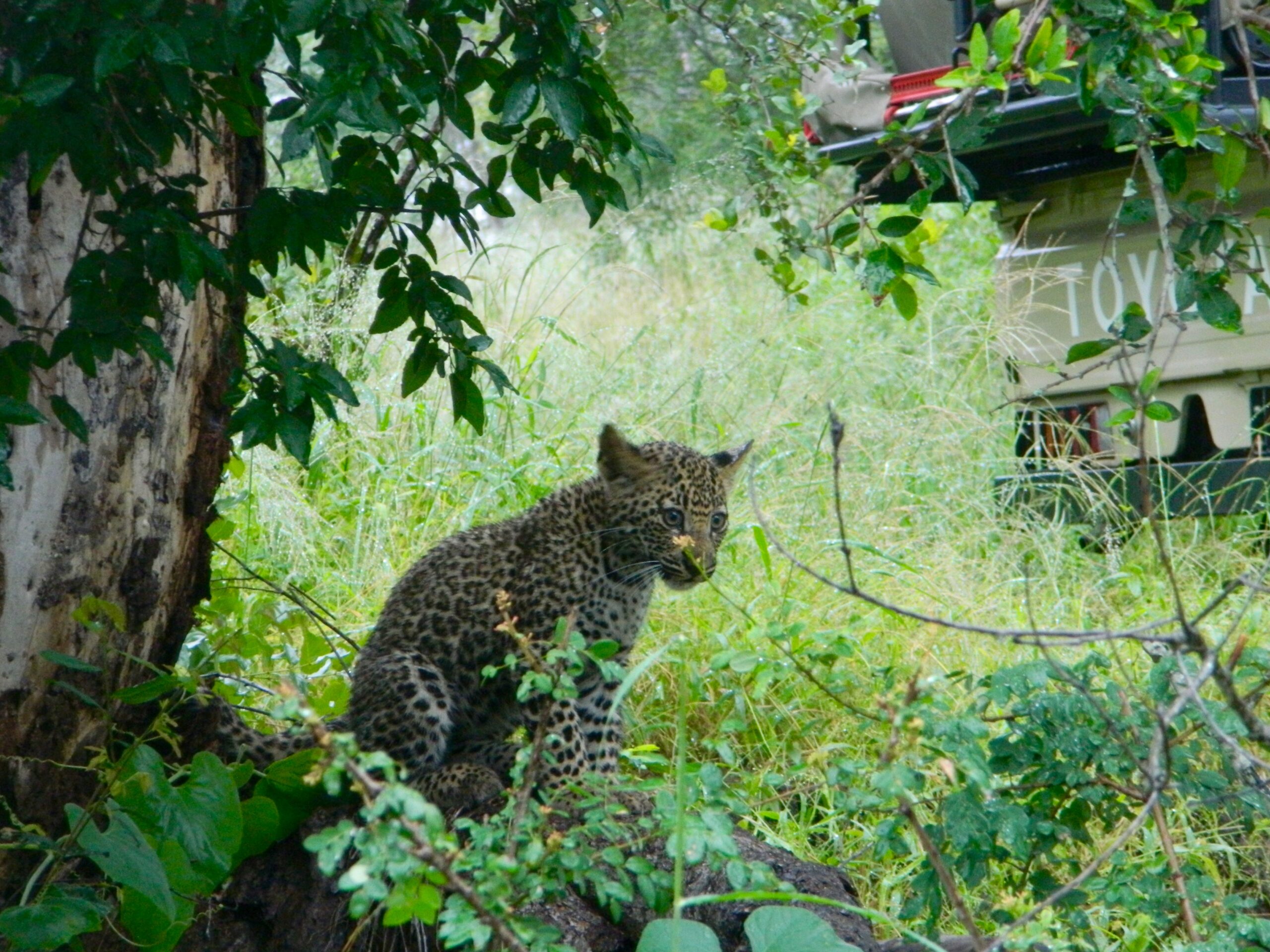
    Mama leopard with cubs.
     
    Fun fact: A herd of zebras can also be called a dazzle.


    “They look at you like you owe them money.” — Unknown, on water buffaloes
    No introduction needed.
    Who wants to go for a swim?
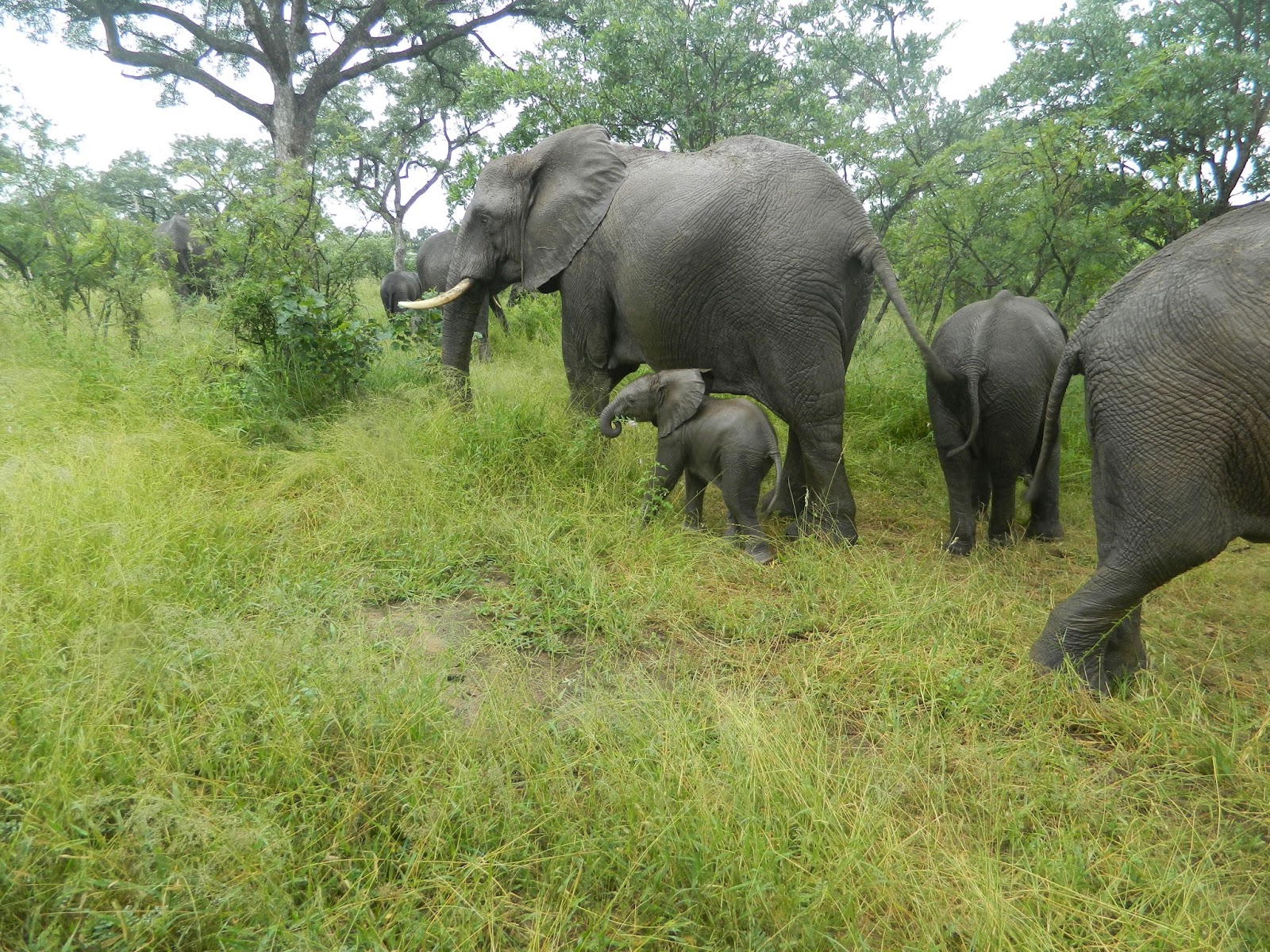
    So many elephants!
    The animal that evolution seems to have forgotten.
     
    My brother, the rarest of the wild animals.
  • This is What Conscious Travel Looks Like

    This is What Conscious Travel Looks Like

    I wrote this for a masters application, but I think it’s worth sharing with more than a few admissions officers! What follows is an incomplete, but nonetheless important, analysis of the social, political and environmental issues facing the growing international tourism industry—and what we can do about them…

    ***

    The tuk-tuk driver is angry. The passengers are drunk. Instigating.

    They don’t want to pay. Too much. A crowd of other drivers and tourists collects around the ugly scene. It’s past midnight.

    The situation nearly escalates to blows before friends of the passengers pay for them, and the tuk-tuk driver withdraws, hardly pacified. A bitter tasted remains in the air as the crowd disperses.

    Everything wrong with a global, multi-billion dollar industry comes to a head in these few moments. Economic disparity. Cultural ignorance. Tension: between tourist and local. Competition: between local and local. Anger: everywhere.

    In several years I have witnessed an excess of these scenarios; it is difficult to choose just one.

    Tourism is the fastest-growing industry worldwide, surpassing oil, agriculture and automobiles. Many economies already depend on it, and more will join their ranks as the global middle class continues to expand, nurturing a growing curiosity about other people and other places. International tourist arrivals are forecasted to reach 1.8 billion annually by 2030—up 66% from their current levels.

    If anyone thinks tourism is a frivolous area of concern, now would be the time to think again. The industry has a far-reaching impact, touching environmental, social and political sectors with long, insistent fingers.

    Now, there are meaningful, constructive, sustainable and mutually beneficial ways for tourism to develop in a community, and then there is everything else.

    Unsustainable tourism looks like luxury hotels in Zanzibar that truck in their drinking, washing and toilet water from the mainland (the island was never made to support such population density), and then flush it into the no-longer-so-pristine Indian Ocean. Unethical development looks like private tour companies in Shanghai that exploit local peoples—foreign tour operators organizing for tourists and expats to visit local homes, schools and community centers in order to offer clients an “authentic” experience, yet forgetting to allow those local communities the privilege of self-representation. Economically-damaging tourism looks like property costs rocketing in Cape Town—rendering the cost of living in the city prohibitively expensive to most South Africans, while European visitors happily pay top-euro for short-term rentals.

    I have observed all of these trends up close. Working in media and travel, I regularly witness the negative impact of tourism—and the narratives around it—on local communities. I observe traditions warped to a narrow, outsider’s view of what they should be; competition for American dollars festering amongst former friends; natural havens destroyed by overeager and under-planned development; real, complex history and conflict glossed over by an appealing portrait of tropical paradise.

    Initiatives in sustainable tourism, ethnotourism, slow travel and community-driven tourism are numerous and promising, however.

    As I see it, for the travel industry to move forward—toward promoting cross-cultural understanding, integration and peace, and away from perpetuating disparity, conflict and ignorance—it must proceed in the following ways:

    >> Industry professionals must empower local communities to represent themselves—their stories, traditions, spiritual practices and identities—and move the typical industry narratives far beyond the usual stereotypes and generalizations. Words like “authentic,” “real,” and “untouched”—frequently used in marketing by tourists, professionals and locals alike—must be scrutinized for the rigid cultural portraits they propagate and the complexities they belie.

    >> Local communities must leave space for multiple storylines, idiosyncrasies and complexity to coexist. The wealthy, privileged male perspective commonly embodied by local leaders in tourism is not the only one. Creating space for female voices, religious and ethnic minorities, and other less favored stories to be heard—diversifying tour guides, business owners, service industry professionals and marketing materials—will be a crucial element of inclusive development.

    >> Both local communities and industry professionals must seek to integrate education, interaction and meaningful connection to place wherever possible. It is not enough to gloss over conflict and offer an artificial, romanticized image of a place and its history and people. Moving beyond one-line summaries and fantasized, fetishized representations of otherness, we begin to foster true cross-cultural awareness.

    >> Foreign visitors must seek out experiences of cultural exchange and learning. The power of asking questions, listening (with open ears and closed lips), and maintaining an open mind and heart cannot be exaggerated. Good intentions are not enough; tourists have tremendous power to change industry standards by demanding sustainability, social justice and cultural awareness from the industry they fuel.

    In addition, growing numbers of Chinese and African tourists—both domestic and international—are introducing a new demographic into the industry, with all the challenges that entails. Any initiative in sustainable, socially conscious travel must take into account the varied cultural norms and values of a shifting clientele. Working to understand the market they wish to influence, industry professionals will better develop it to positive effect.

    Lastly, in particularly conflict-prone regions such as Israel and Palestine or post-conflict regions like Bosnia and Herzegovina, it is crucial to take into account the intersection of political events—past and present—and international tourism. Much as one might try, a visit to a foreign country does not occur in a vacuum. The political climate and history of a place are unavoidably relevant to the foreigner, impacting as they do the development of the tourism sector, the on-the-ground experience of the visitor, and the very identities with which one interacts. Moreover, the foreigner acts as a mirror and ambassador, influencing, at the micro level, global awareness and perception of a given place. Given these considerations, we cannot underestimate the power of 1.8 billion people moving around the globe to reflect and influence political, social and cultural dynamics.

    The responsibility for further development lies not only with industry professionals, nor only with local communities or foreign visitors. Indeed, only with a concerted effort from all three sides will this massive modern entity act as a positive force for understanding, tolerance and harmony.

    ***

  • The Camino de Santiago in 100 words and 27 Untouched Pictures

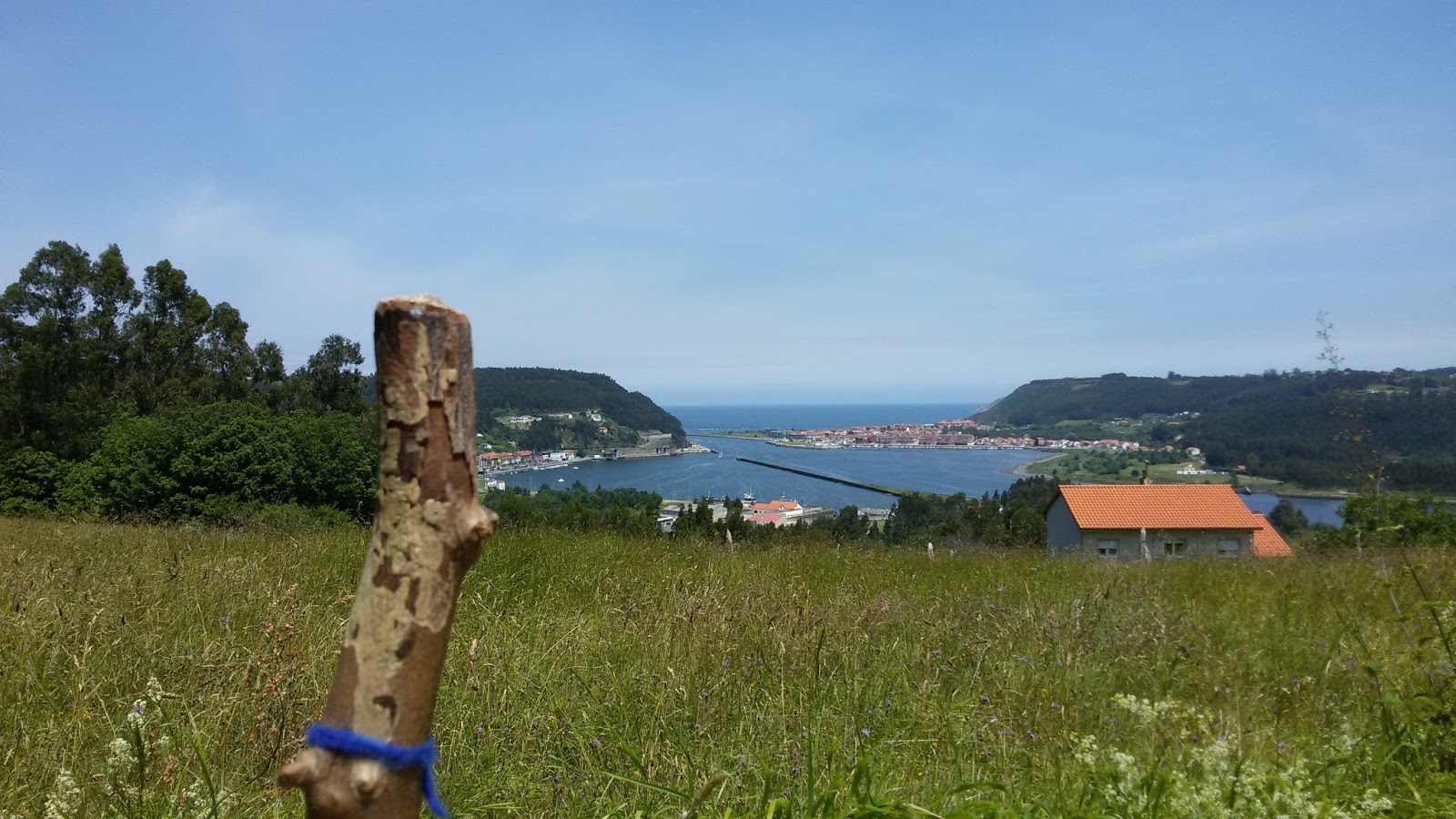
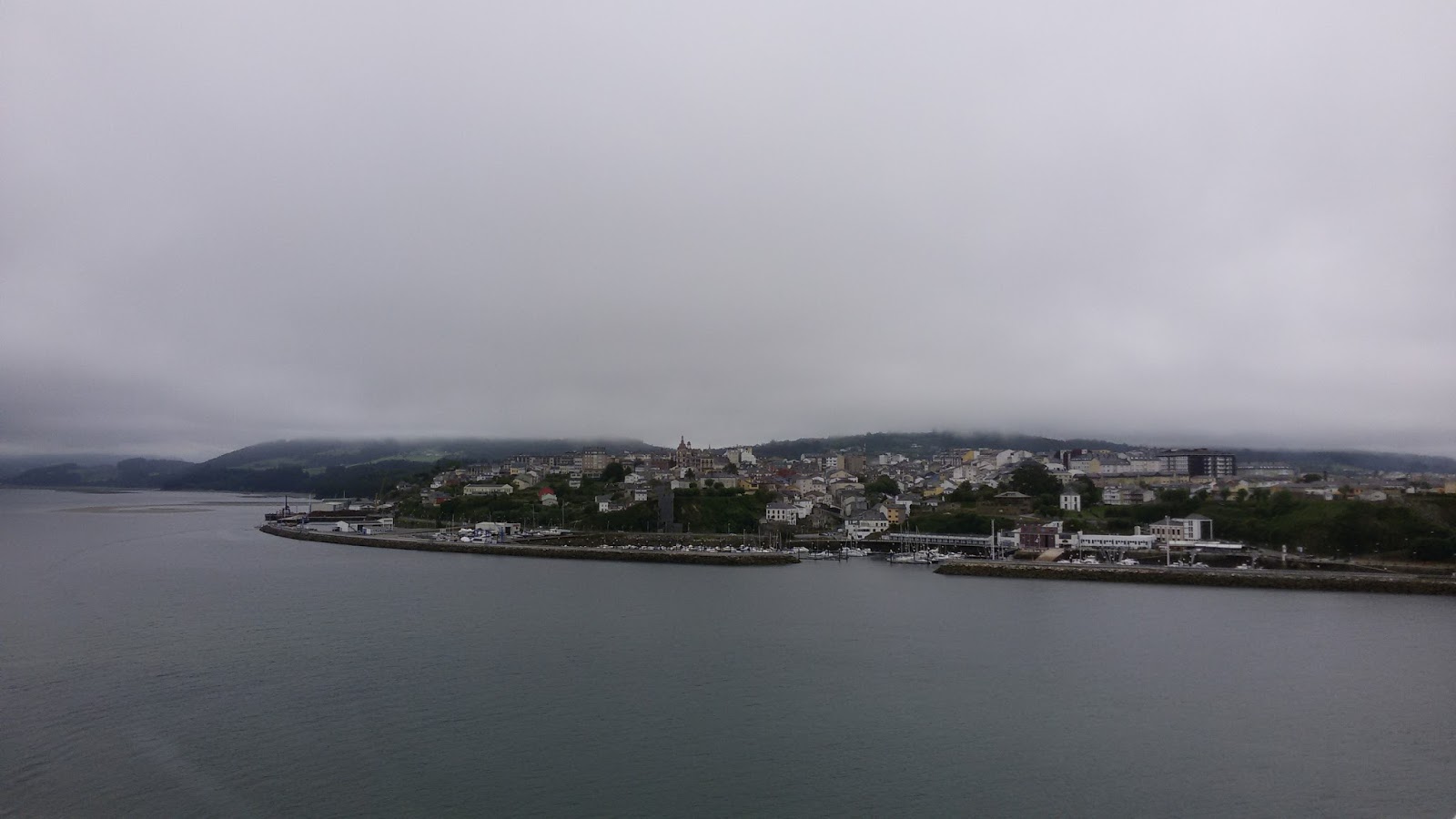
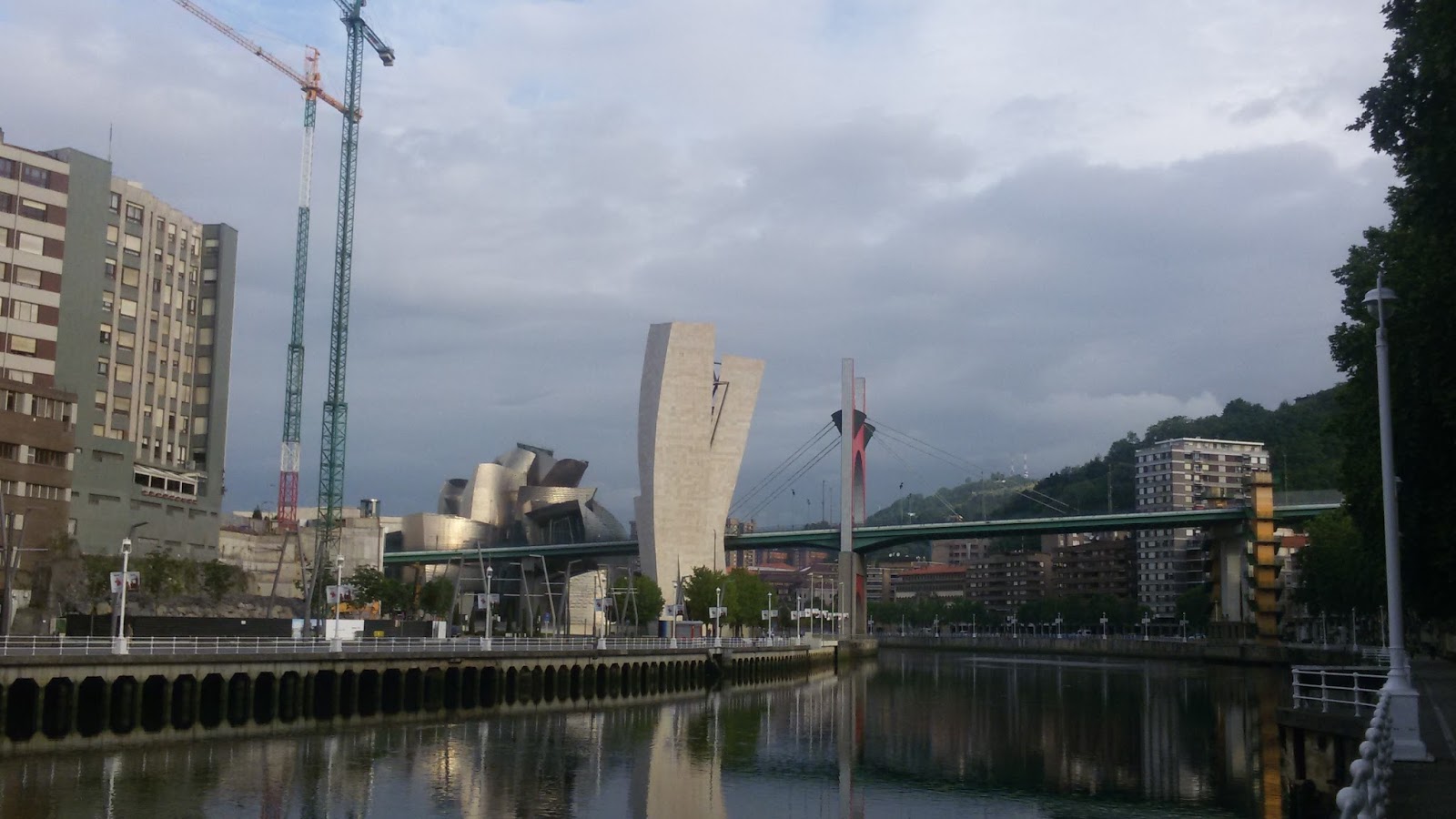
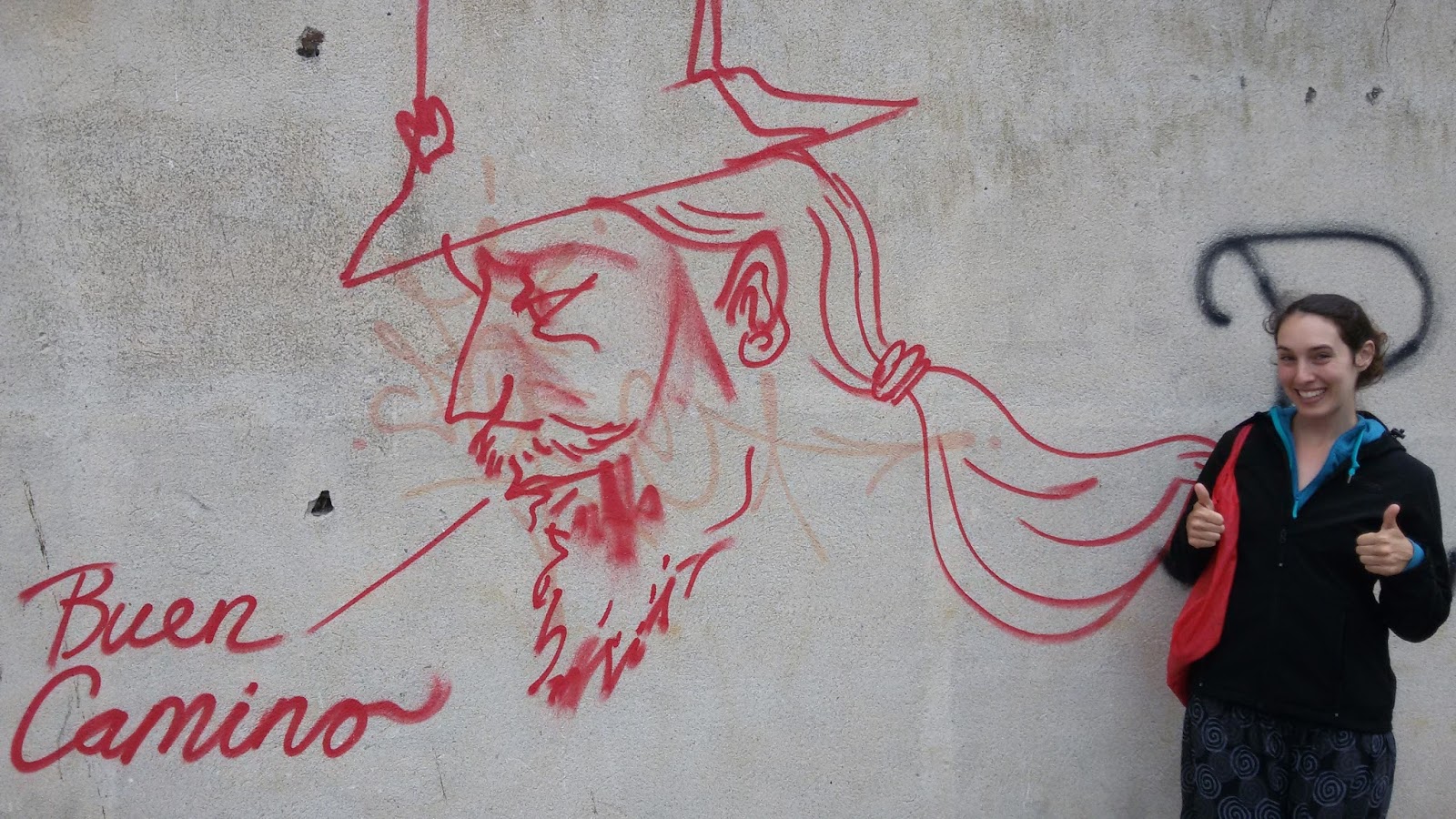
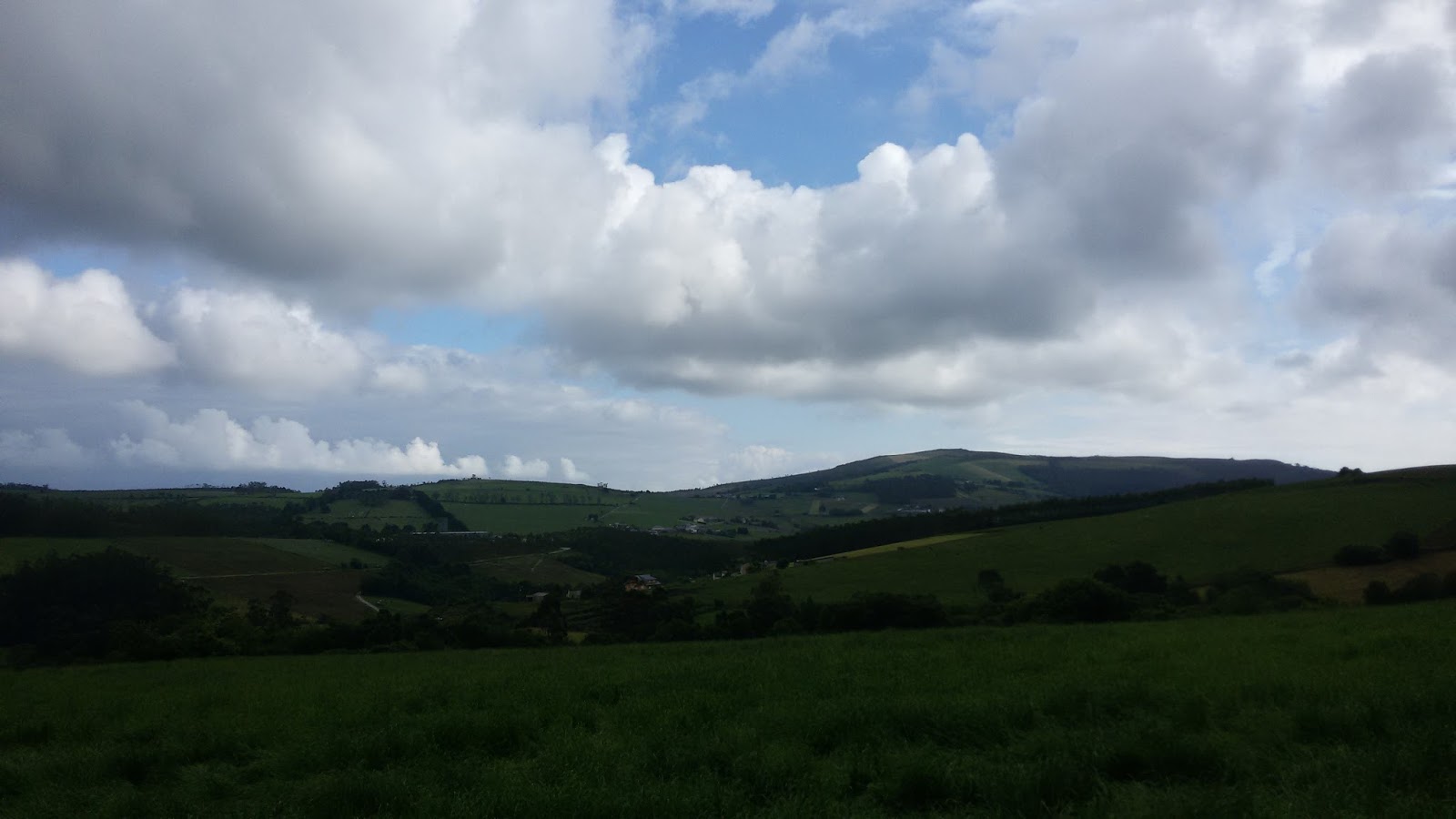
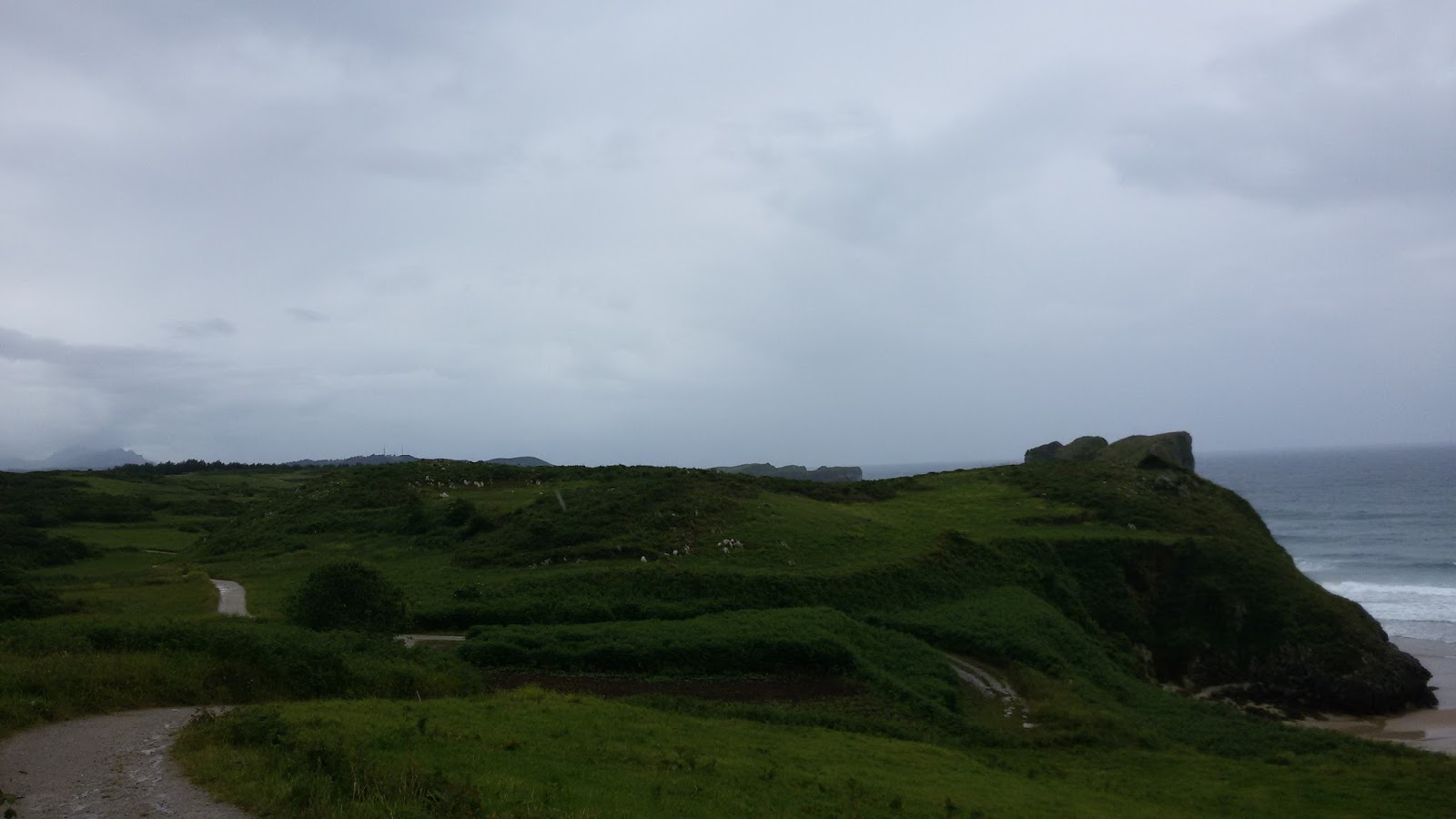
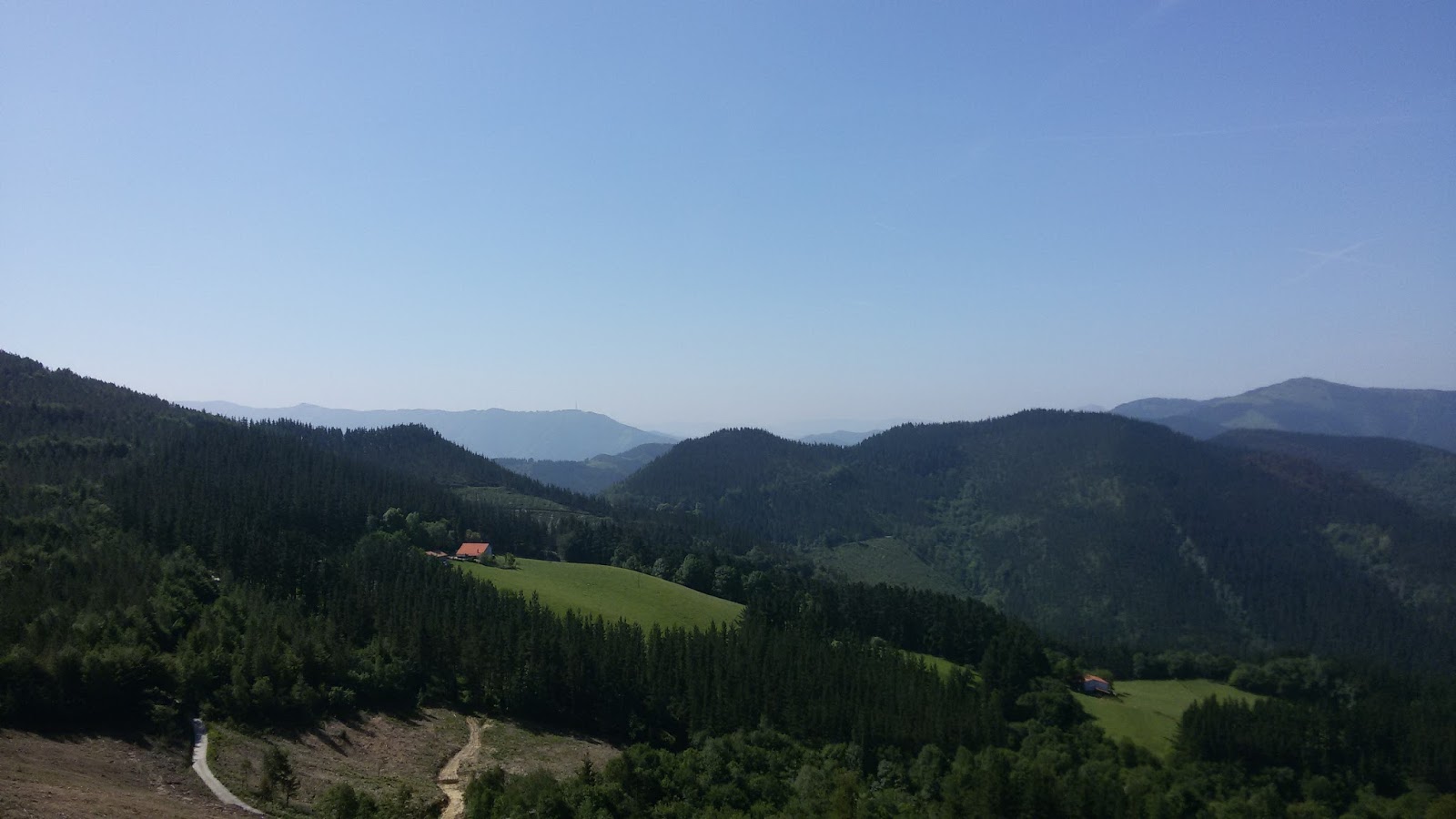
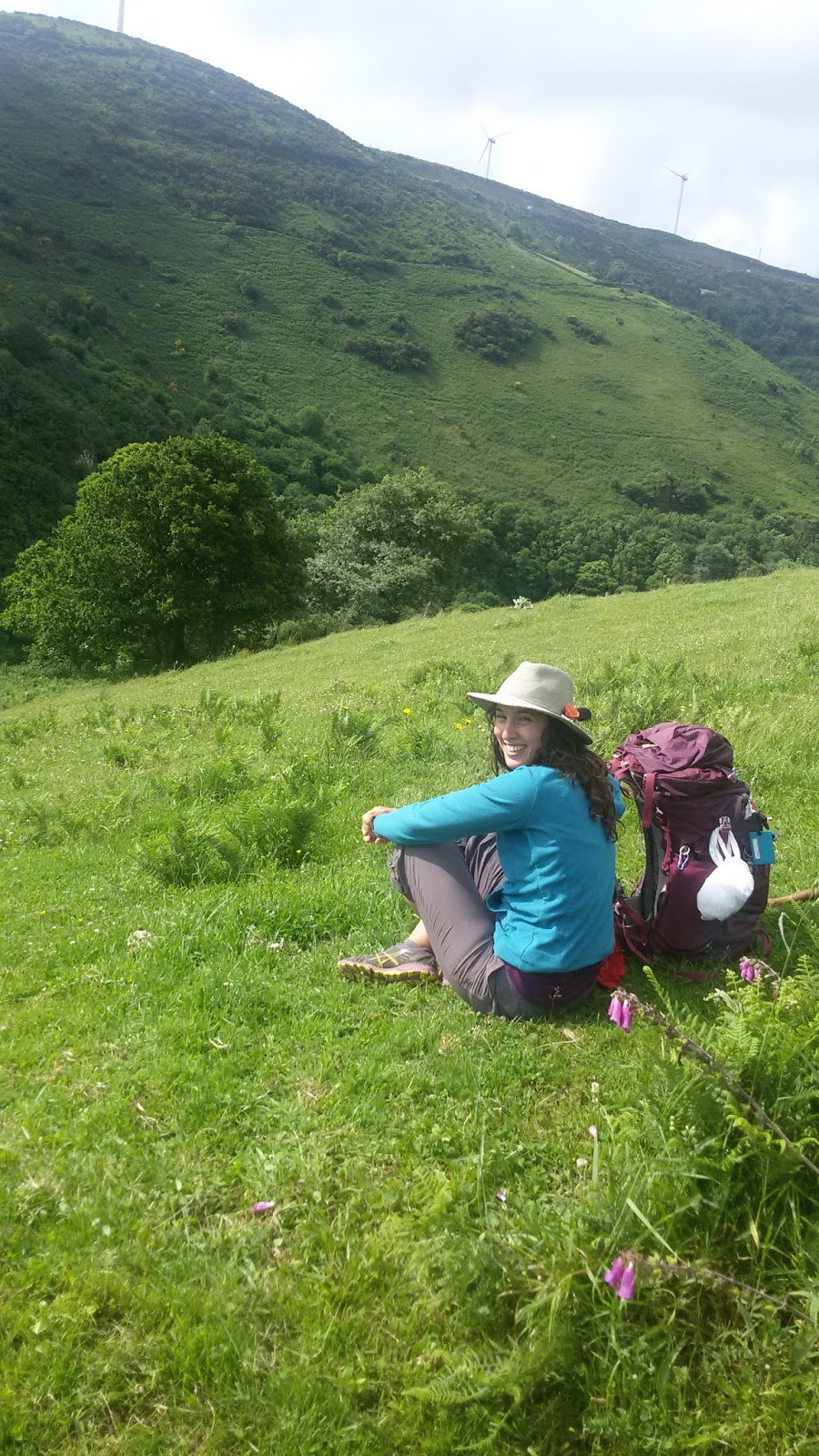
    When I set out for the San Sebastian (my starting point for the Camino del Norte) at the start of June, I decided not to take my camera with me.
    Too heavy. Too much of a burden. Too unnecessary.
    Then came the bright idea to take only one to two (smartphone) photos per day throughout my thirty-day walk. To capture what captured my heart, without being a slave to documenting the journey—that was the idea.
    And I think it worked pretty well. On average, I took two pictures a day—sometimes none, sometimes three—and while the result is not comprehensive, I believe it is in some way representative of those days.
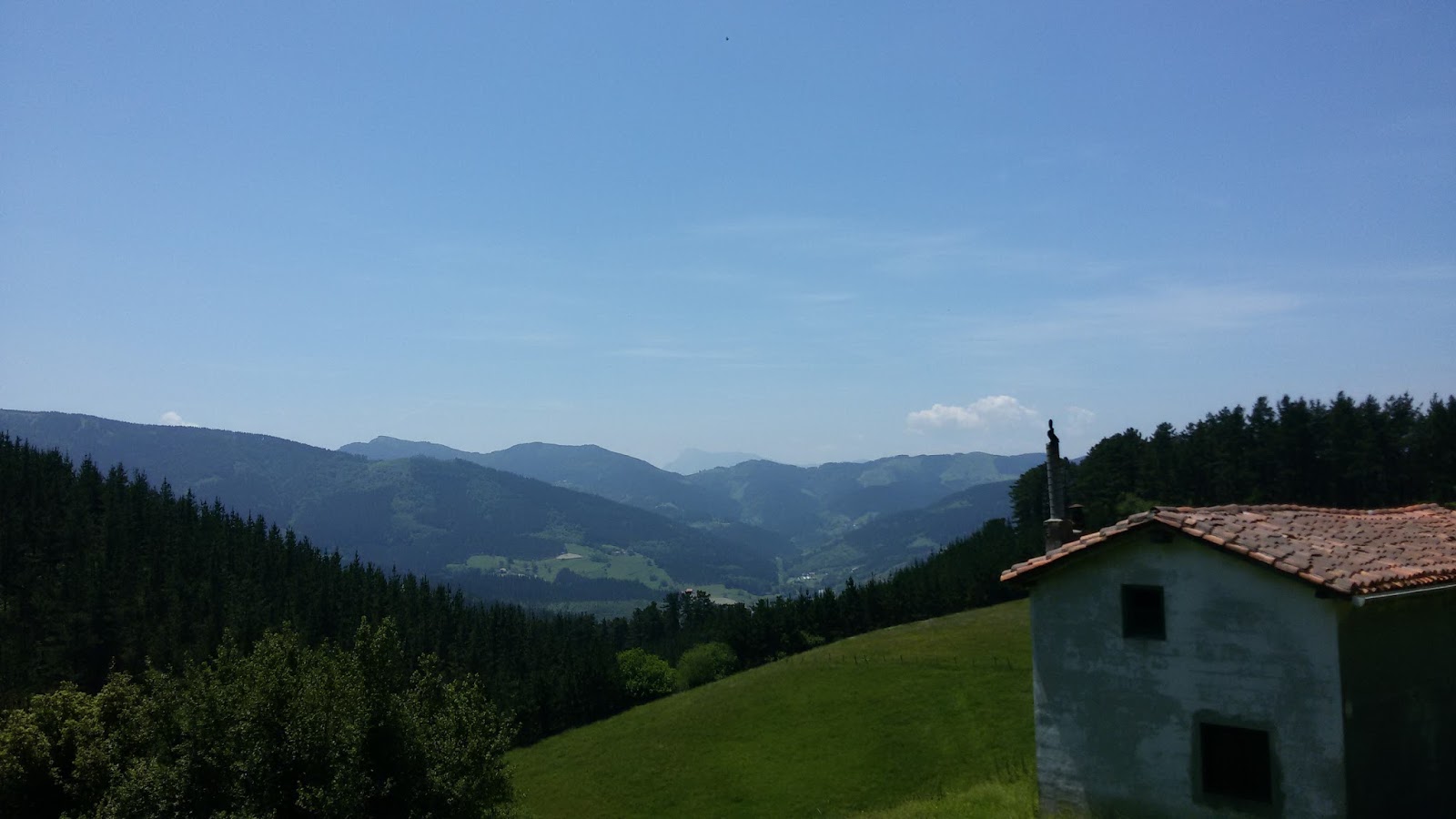
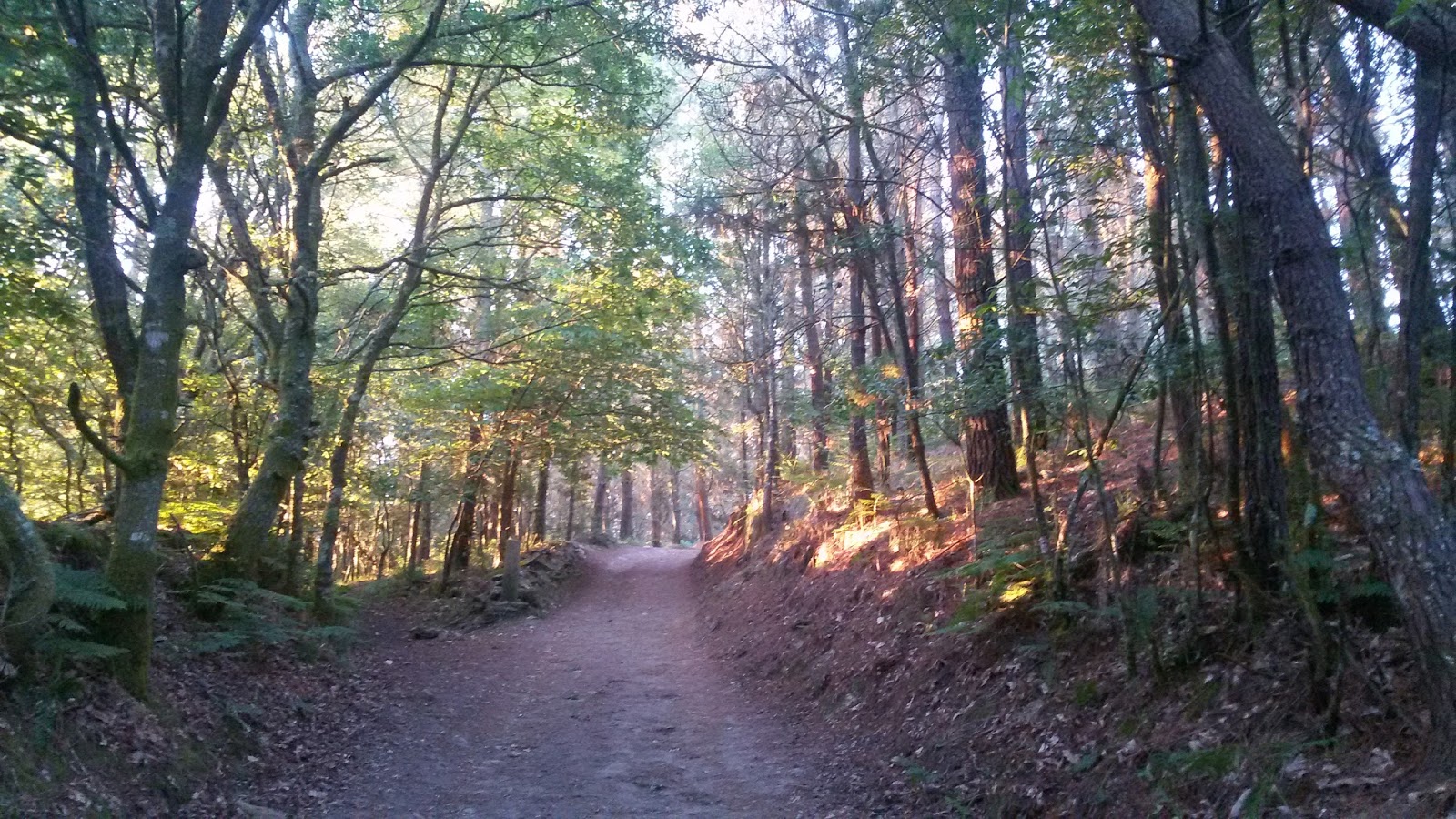
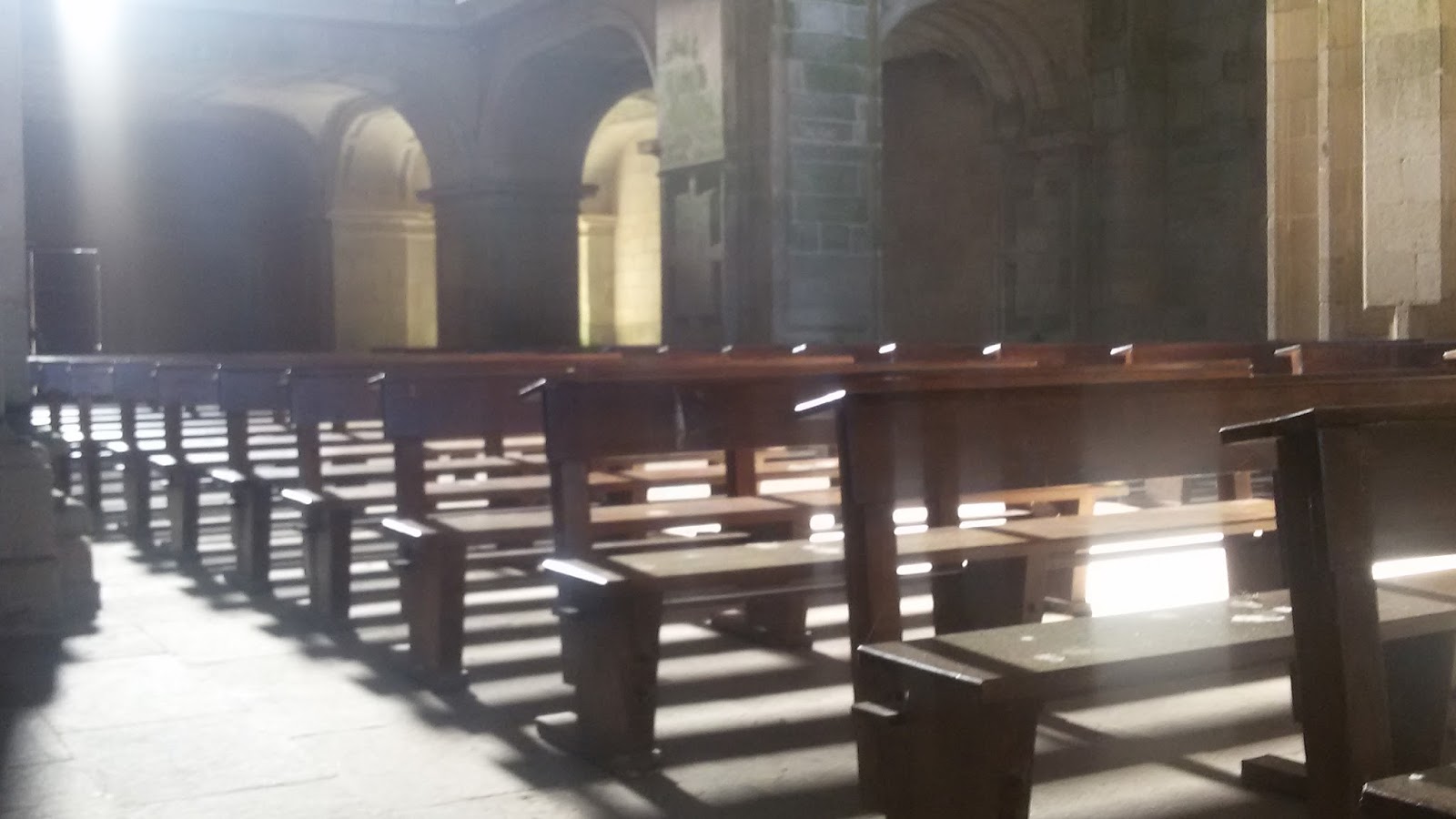
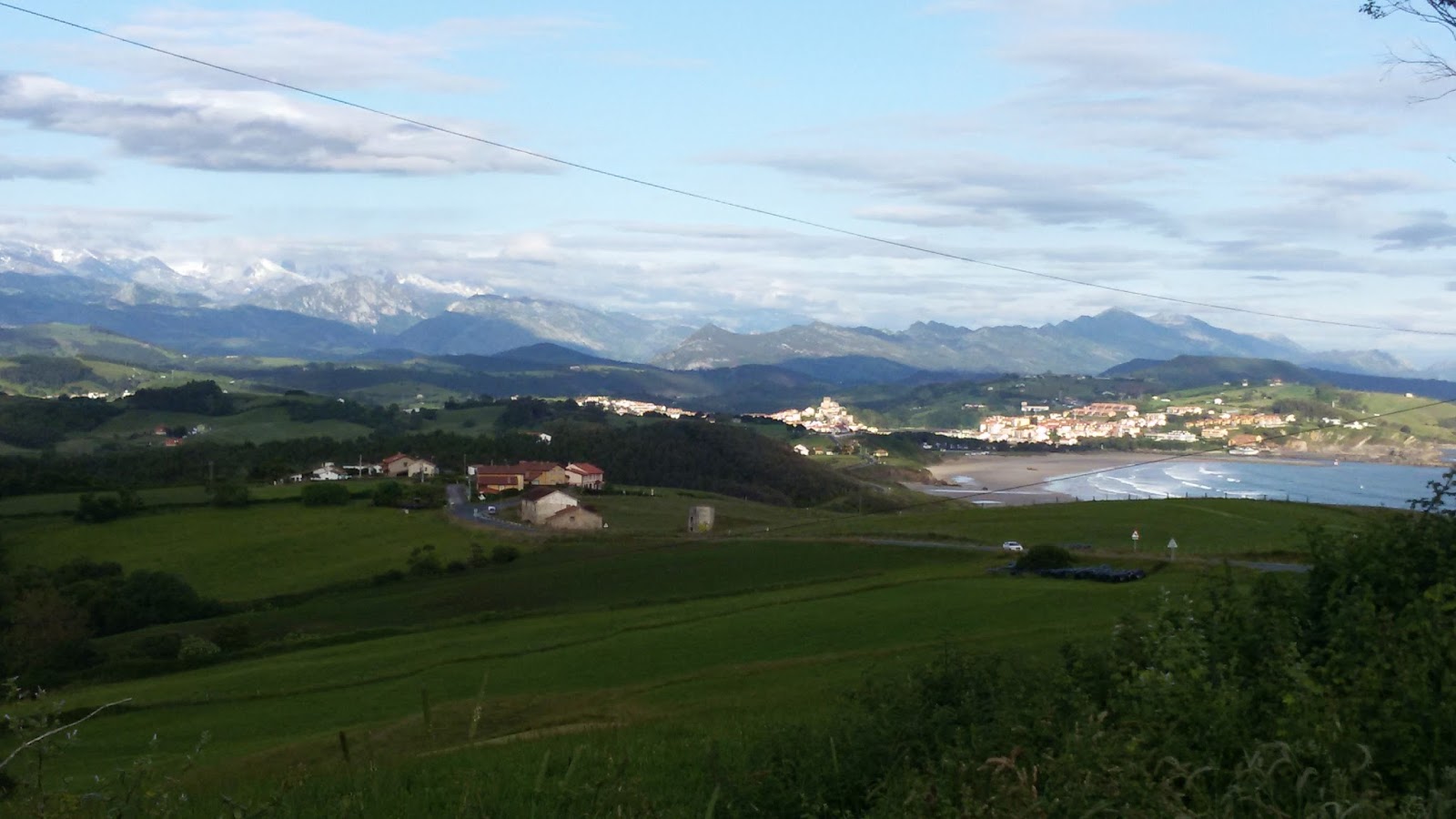
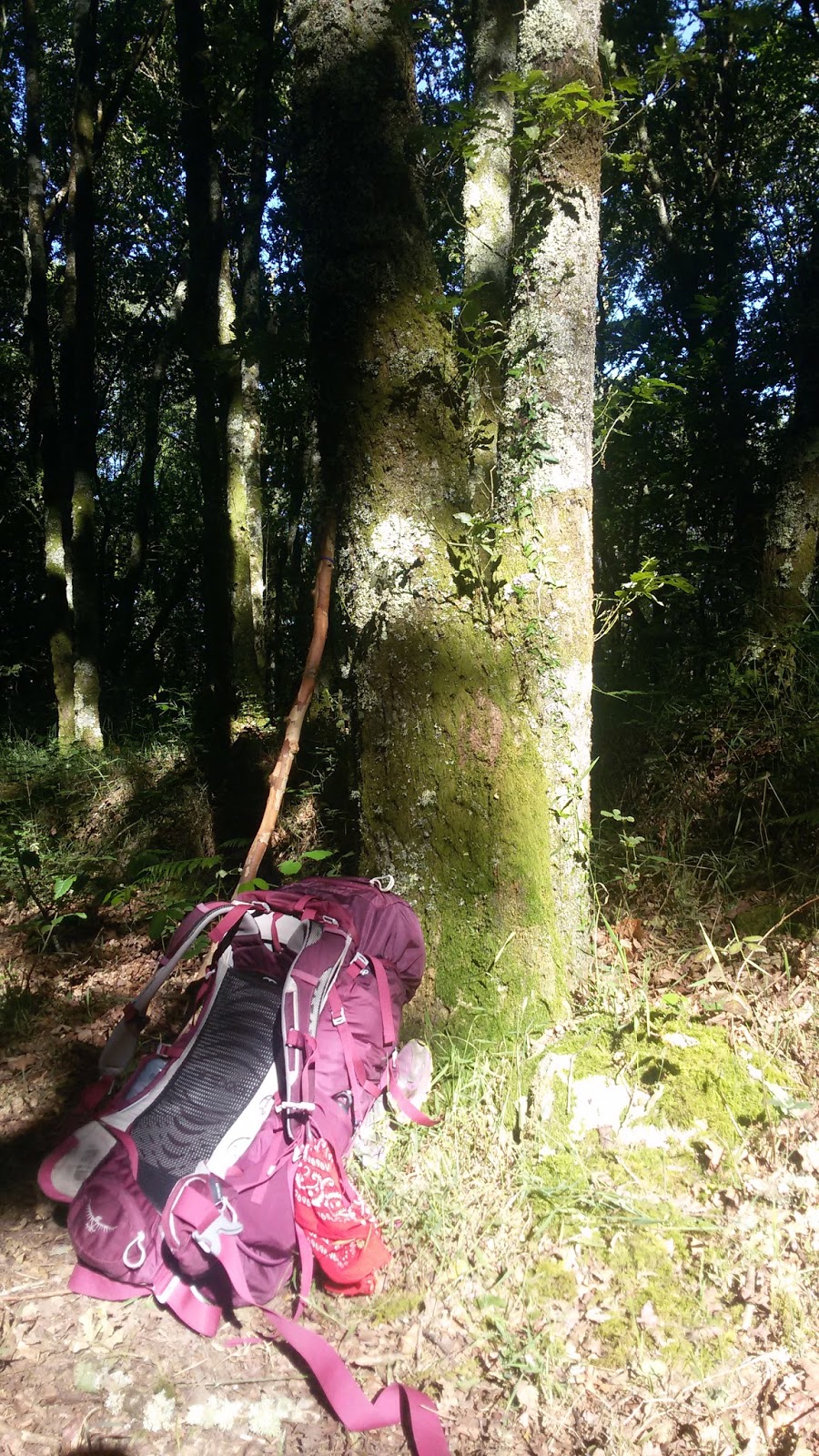
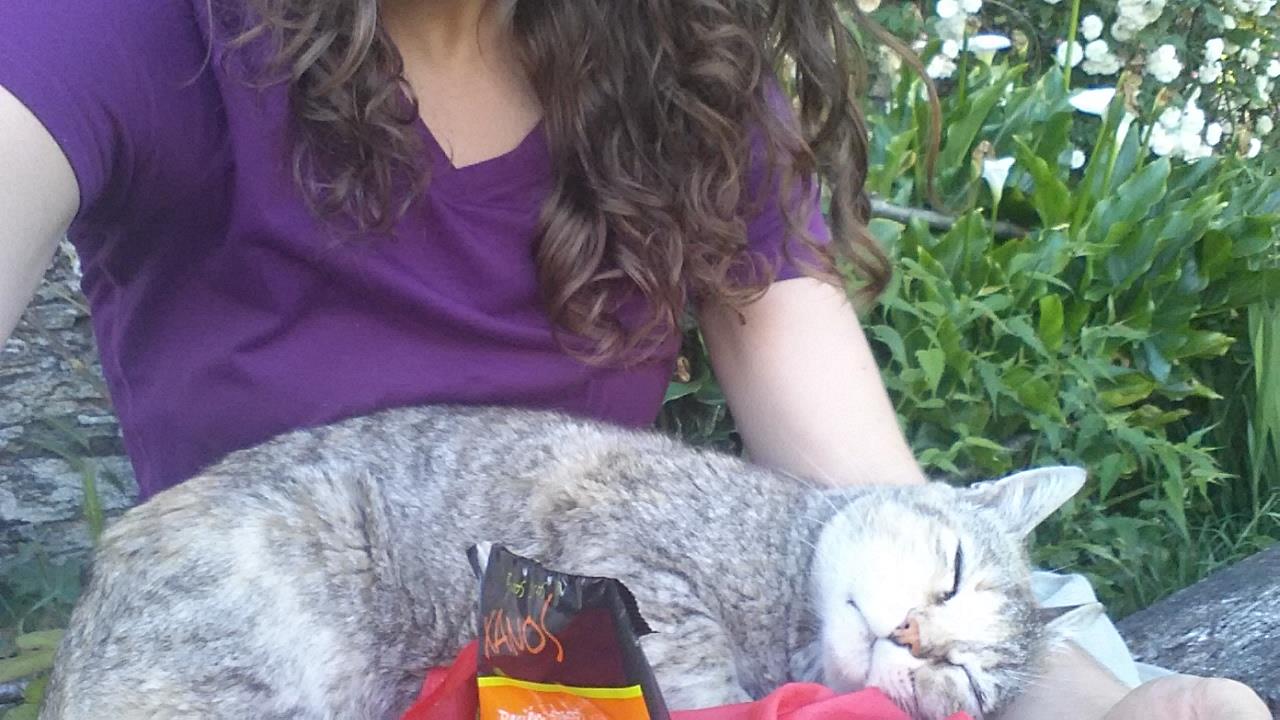
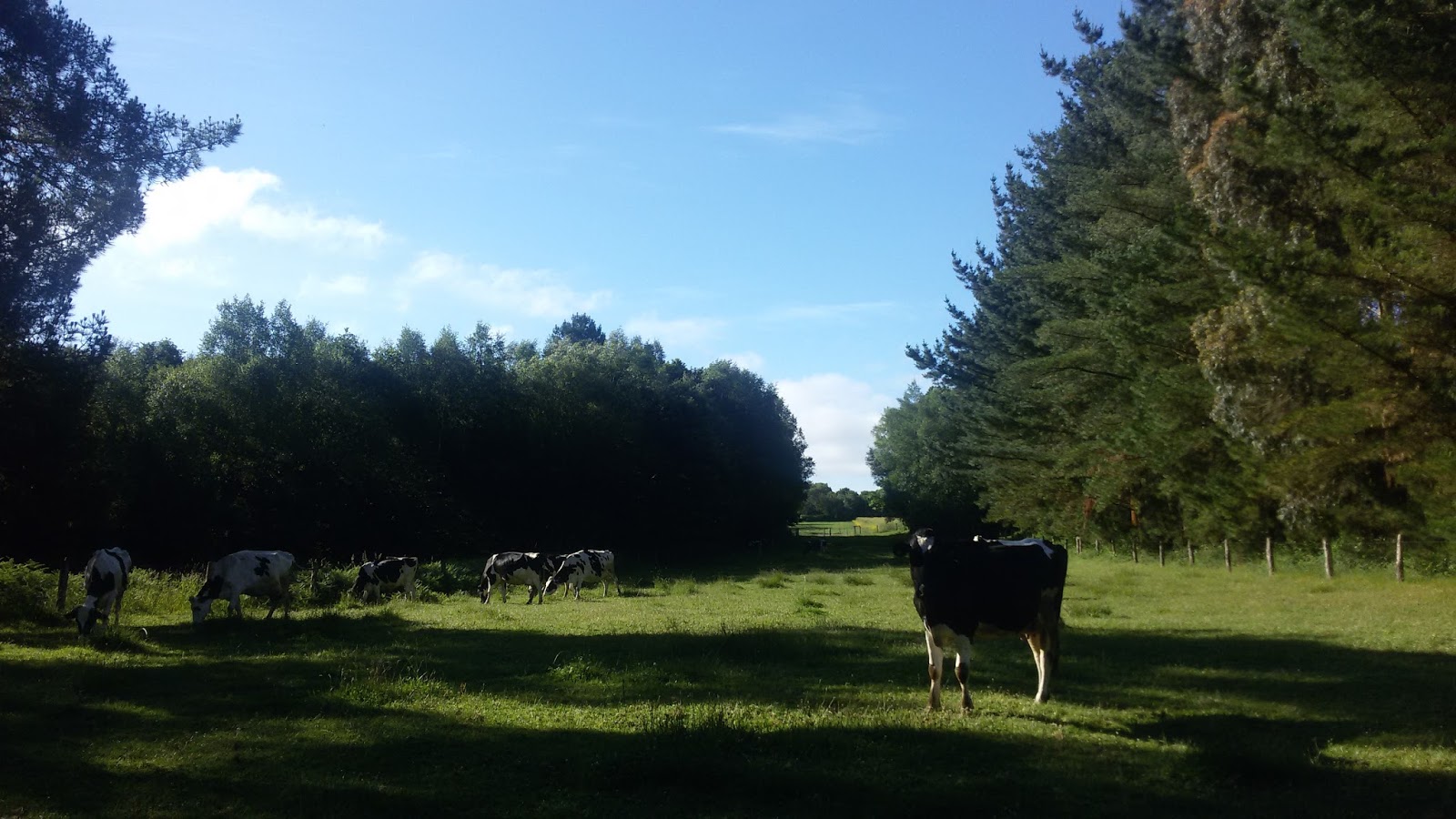
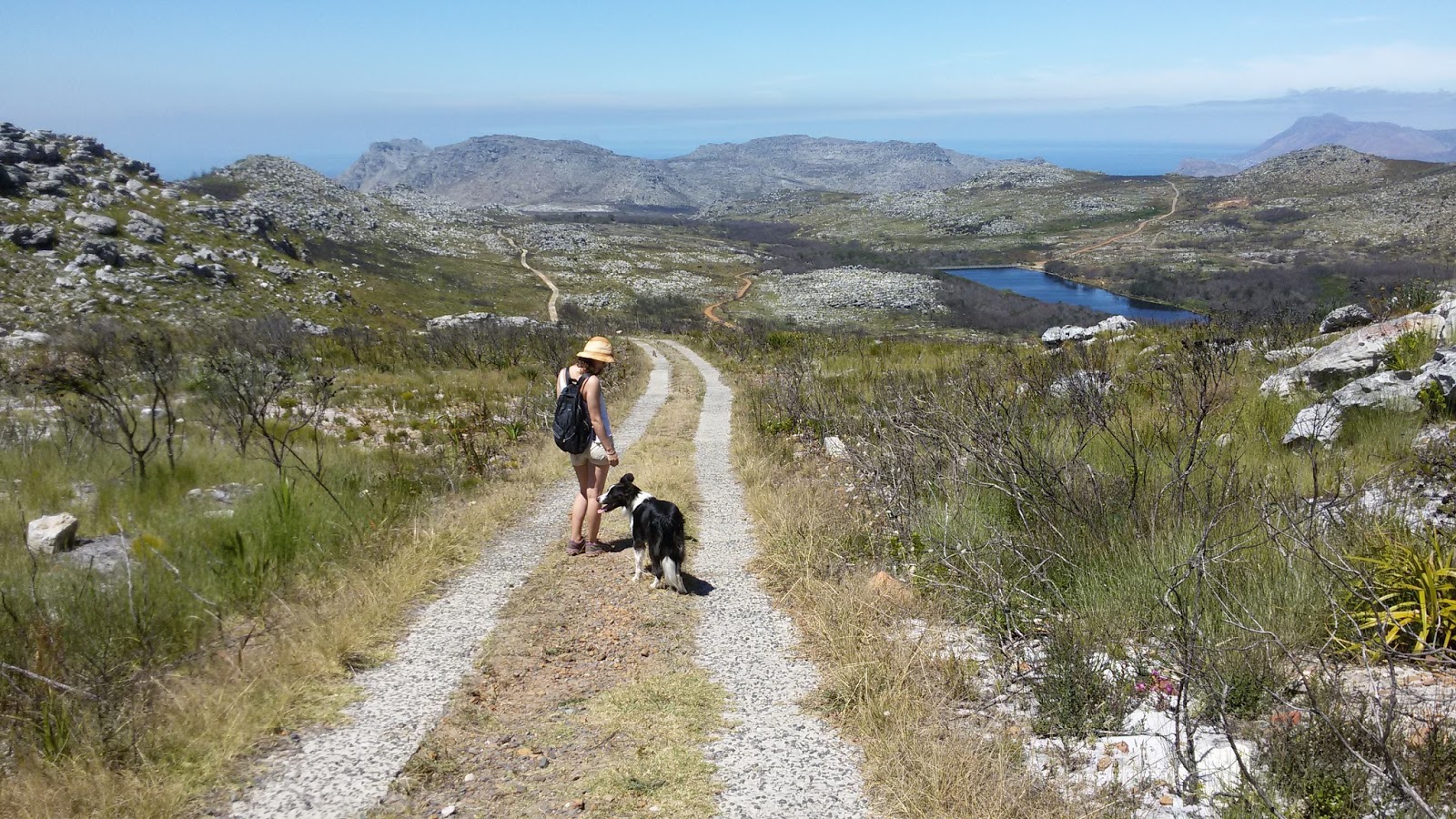
    I have selected twenty-seven of those sixty photos and paired them with lines from a brief stream of consciousness I wrote one day to summarize the experience of walking the Camino. The collection below is not chronological, and it isn’t complete, but I think it is more true than a complete, chronological photo diary could ever be.

    ***
    Walking. 
    Walking in mud, in rain, 
    in grass; 
    on gravel, asphalt, 
    bridges stone, wood, paved; 
    at first light, 
    at last light, 
    under clear skies 
    and into fading sunsets.
    Waking beneath stars in freezing meadows, 
    waking in a village whose name already evades recollection.
    Glossy maps,  
    cafe chairs, 
    Spanish words that somehow make sense.
    Bare feet,
    dirty feet, 
    tired and sore feet.
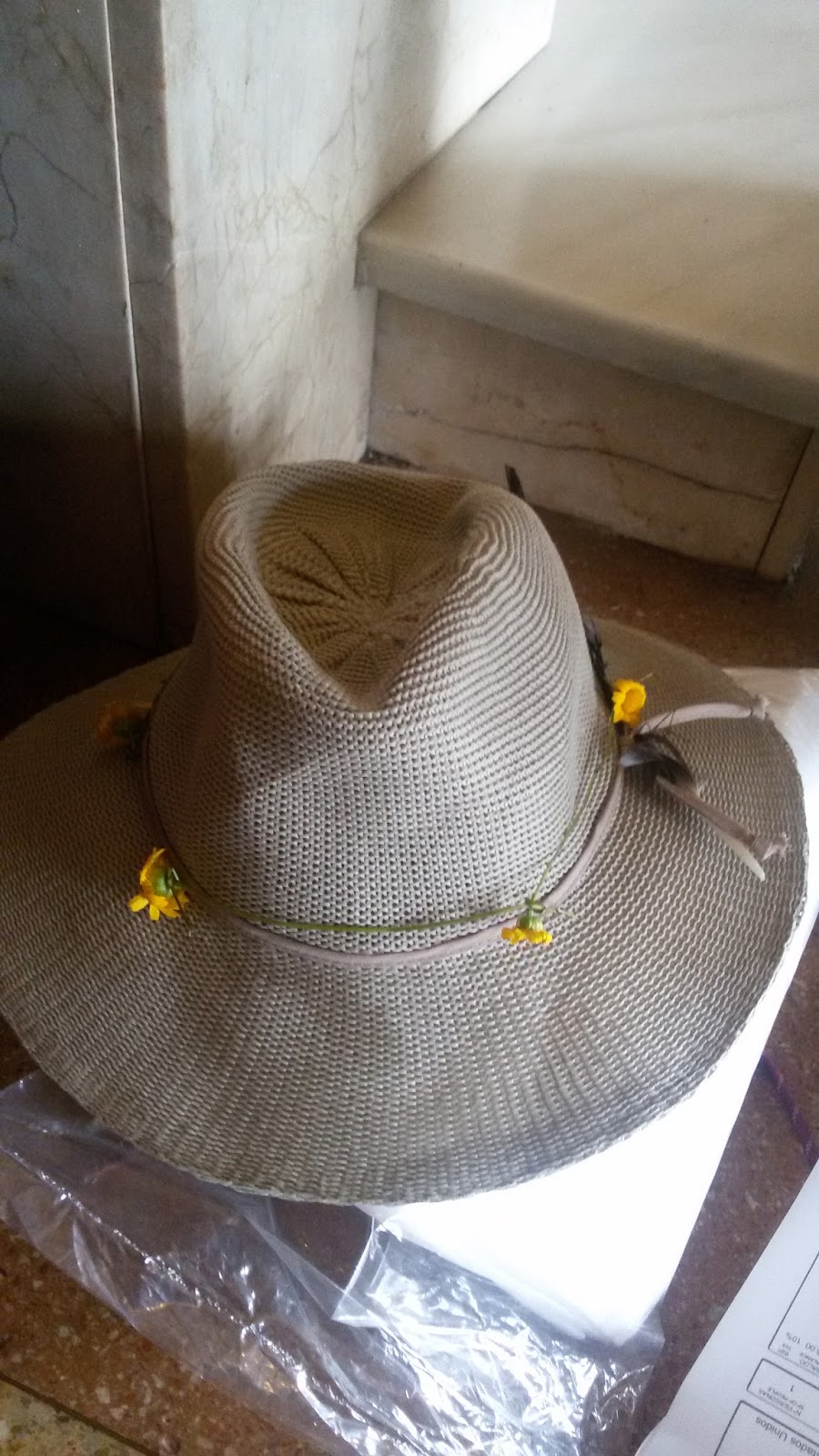
    The same hat every day, always a different flower in it.
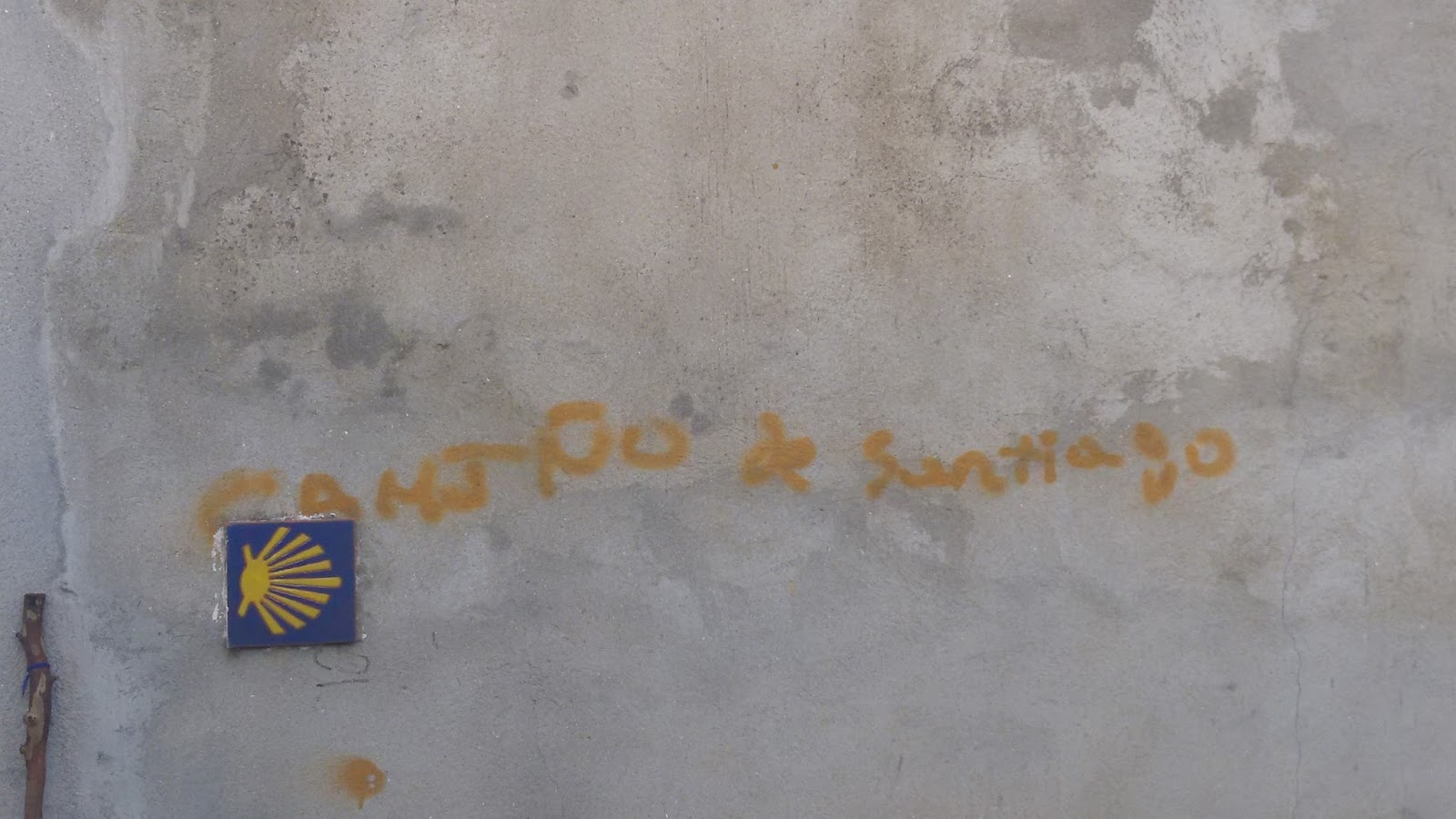
    Yellow arrows, yellow arrows, yellow arrows.
    The path ahead. 
    Sleep that comes without invitation. 
    Absence of thought.
    Peace of 
    single-minded activity. 
    Never boring. 
    Seashells. 
    The way forward. 
    Yellow arrows.

    ***

    The Camino in Short: 

    Walking. Walking in mud, in rain, in grass; on gravel, asphalt, bridges stone, wood, paved; at first light, at last light, under clear skies and into fading sunsets. Waking beneath stars in freezing meadows, waking in a village whose name already evades recollection. Glossy maps, plastic cafe chairs, Spanish words that somehow make sense. Bare feet, dirty feet, tired and sore feet. The same hat every day, always a different flower in it. Yellow arrows, yellow arrows, yellow arrows. The path ahead. Sleep that comes without invitation. Absence of thought. Peace. Single-minded activity. Never boring. Seashells. The way forward. Yellow arrows.

    ***

    About

  • Off to the Camino… Travel Update and See You Later!

    On Sunday, June fifth (yes, that’s tomorrow), I will close my laptop. I will put it on a shelf, and I will not see it again for a month. I will put two pairs of pants, three shirts and a sleeping bag into my backpack, and I will head to San Sebastian in the Northeast of Spain.

    I’ve been waiting for this day for a while now.

    I need a vacation, yes. I need a total break from society—also yes.

    But it’s more than that. It always is.

    The Camino de Santiago has been on my list for awhile now. (It’s not a bucket list. I like to call it my, “Do These Things as Soon as Possible List.”)

    I don’t know why I want to do it, just like I don’t know why I want to travel the Trans-Siberian Railway, ride on horseback across Mongolia or sail the seven seas (all on my list). Except, I know that it calls to me; I know that adventure is my way of searching—of seeking.

    I know that a search need not have an object—that it is the act of searching that matters—sometimes…


    ***

    So, that’s about it. I’m not packing my camera, so I’m sorry to say I may not have many beautiful pictures to show for this trip at the end of the month. I also haven’t decided how much, if at all, I’ll stay connected. I may be updating here over the next month—or I may not. If not, I’ll be back in a month with a whole lot of stories to tell. See you then! 🙂
  • De-Nile, and other Ugandan States

    Last week, I visited friends in Jinja “Source of the Nile” Uganda and stayed with them at the lodge they manage.
    Between playing sharks and mermaids with their two beautiful children, drinking excessive amounts of African tea laced with ginger, feasting on their restaurant’s famous ribs (had to be a bad Jew for a day before heading to Israel for Passover!), practicing yoga poolside and working full time, there wasn’t much time for sightseeing.
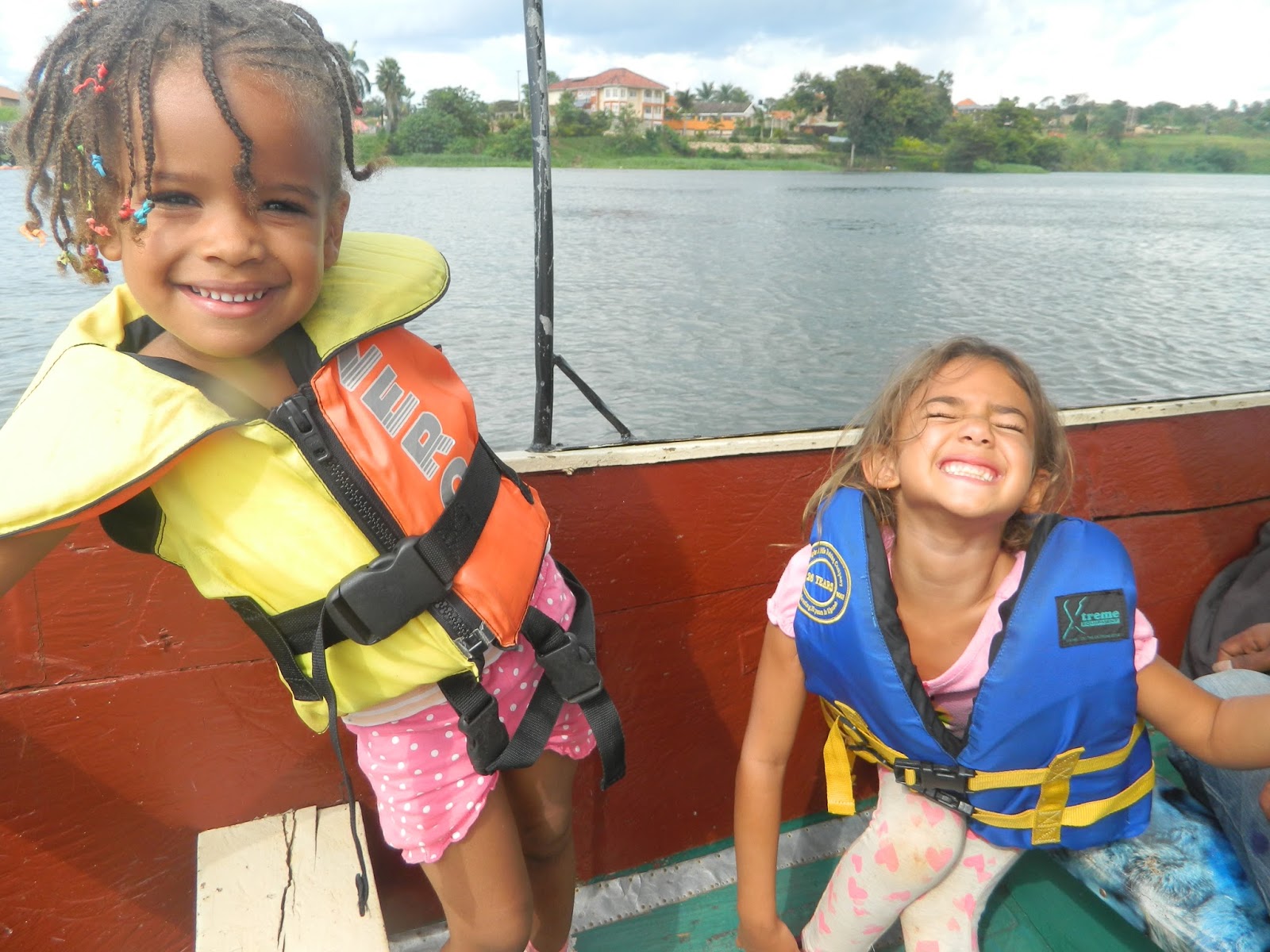
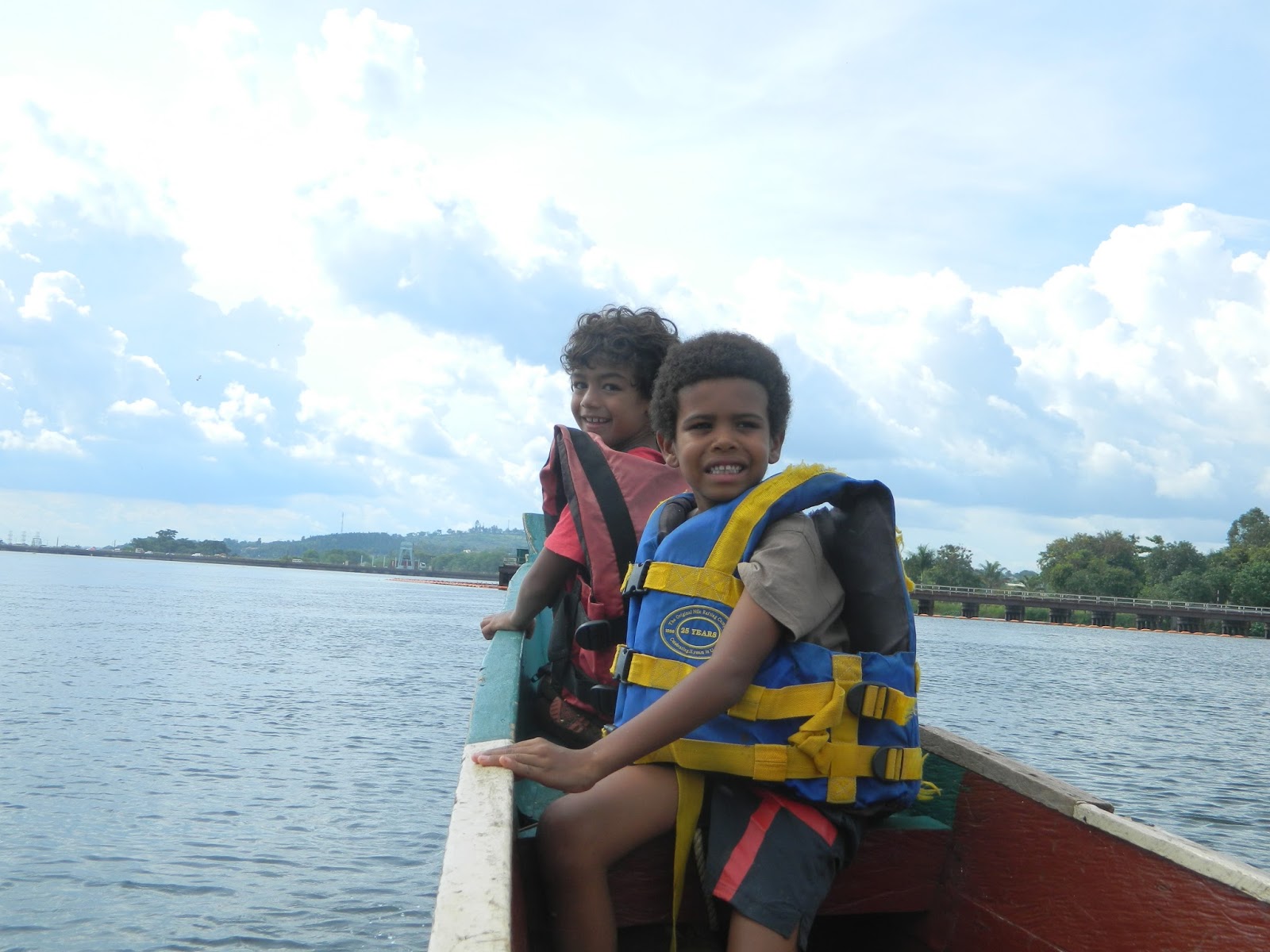
    So, for my last day in town, all of us—plus a few extra kids and friends—hopped on a boat to check out Lake Victoria, some wildlife, and the infamous source of the Nile.

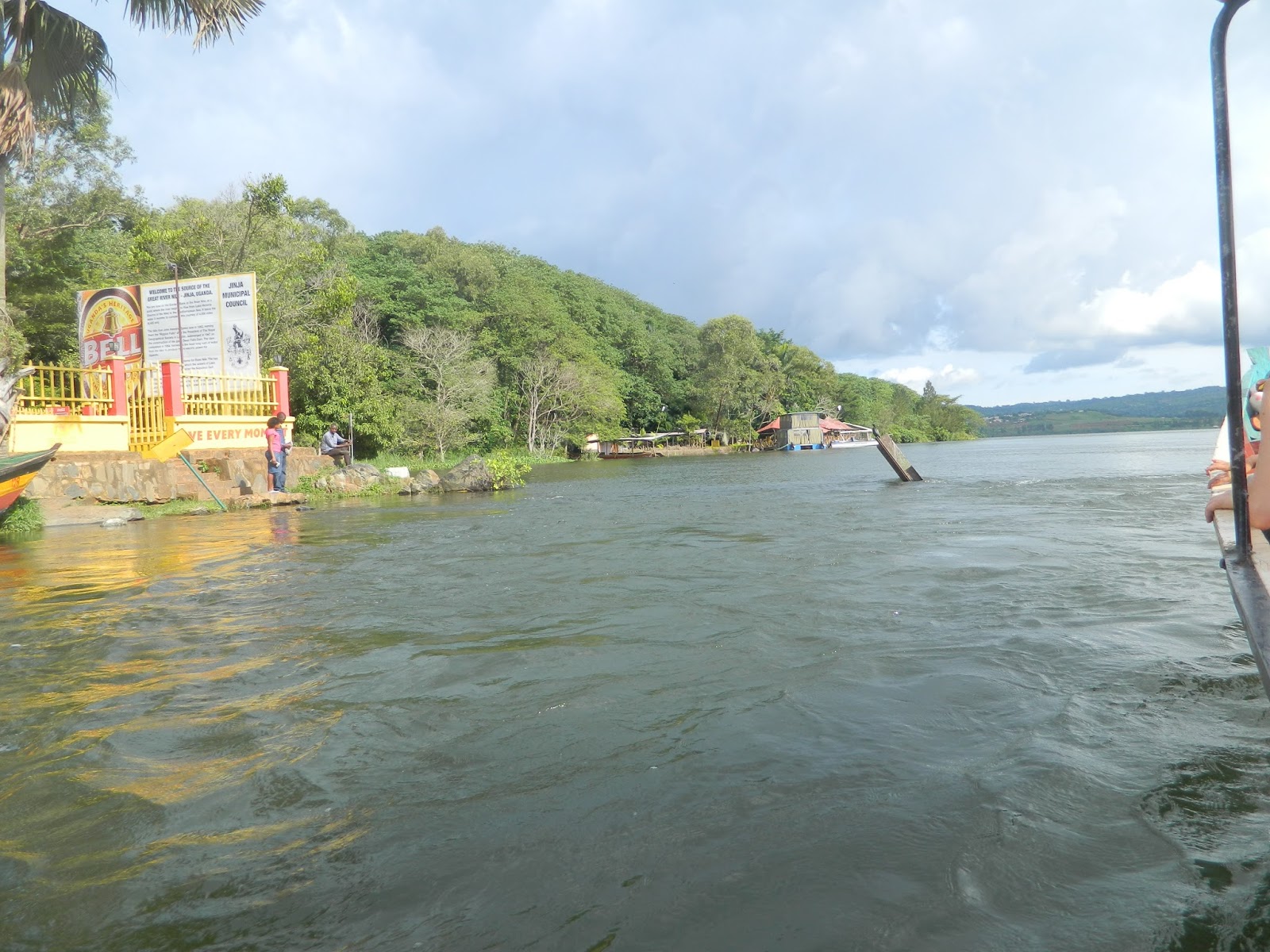
    Jinja lay claim to an impressive 5-meter column of water springing from the river’s start at the edge of Lake Victoria. The world class rapids along this following stretch attracted droves of adventure seeking tourists, fueling an industry of rafting and whitewater kayaking.
    On August 3rd, 1858, an avidly adventurous Englishman named John Hanning Speke “discovered” the source of the Nile, although it wasn’t until after his death that his claims were finally verified. Our guide, however, pointed out the exact spot from which Speke first spotted it.
    A few minuscule drops of rain excepted, it was a perfect afternoon for a boat ride. We observed vibrant-hued kingfishers and bee-eaters, ungainly pelicans and a particularly ugly vulture-type bird whose name I’ve forgotten, monitor lizards, otters and more.
    When we neared the source of the Nile and our gaze followed our guide’s finger between two small Islands, I already knew what to expect:

    The construction of two hydroelectric dams downriver in 2012 quickly turned the wild origins into the Nile into the still lovely—but rather more staid—river that meandered past my tent:

    The full ecological (and economic) implications of this shift remain to be seen.
    In classic irony, we had to run generators at the lodge for nearly two days when the power cut out. (Rumor has it Uganda is selling all that juicy new electricity from the dams to neighboring Kenya.)
    The car ride home hosted a 45-minute game of “I Spy,” in which I participated as a laughing spectator to the shenanigans of three rowdy kids (two small, and one grown up). Back in Entebbe airport in Kampala the following day, I studied a bevy of glossy banners promoting the #PearlOfAfrica’s lush green landscapes, diverse wildlife and smiling inhabitants.

    Juxtaposing those lustrous landscapes and straightforward hashtags, I am struck now—as I so often am—by the depth of the gray space between simple facades and complex realities. Fraught with tensions, ironies, vibrancy and intensity as they are, I’ll always choose the latter.

    ***


  • Other Words for Turquoise

    Over the last week, I have been struggling to find other words for what has always been one of my favorite colors: turquoise.
    As I help to write new website content for a Zanzibari hotel, and as I research other accommodations in the industry, I am struck by the dearth of alternatives. Hundreds of hotels, lodges, hostels and villas, and all any of us can come up with is, “the warm, turquoise waters of the Indian Ocean.”
    Really? I mean, I love turquoise—the color, the word, the evocative sound of it—but there must be more creative ways to describe this coast.
    The following words are officially out, for overuse: stunning; warm; turquoise; aquamarine; tropical blue; island blue; exquisite.
    Not to say the Indian Ocean isn’t all of those things… only, words begin to seem trite when used in such limited permutations.
    The ocean here is truly a bevy of hues, none of them simply blue. When the tide is out, there is a short stretch of water a few shades lighter than teal, then a wide bay of deep and surprising periwinkle, tapering into indigo at the meeting point with the sky—azure fading to white. Throughout this vocabulary test of colors emerge hints of sea green (a color none can replicate, it is mined from the ocean depths to fill a gap between green and blue). And at the border between every pair lie colors without names, achingly beautiful blues never seen before that moment and never to appear again.
    Everything changes with the sun, of course. In the rain, add a few shades of grey to every hue. In full sun, the color at the horizon brightens to sparkling sapphire. The faraway depths become a cobalt seasoned by saltwater. The shallows at high tide almost insist upon the label of “turquoise,” yet if you look very closely you will find each and every shade from the imperfect white of the surf to the navy-black of the shadows. And in-between, a spectrum of blues, named and unnamed, which, lacking more and better words, we call turquoise.
    Are there other words for turquoise? Undoubtedly. Can any one of them truly describe the explosion of color that laps at these shores? Unlikely.

    And so, I am back where I began, watching the warm, turquoise waters of the Indian Ocean recede with the tide. Any other words I chose would be equally insufficient.
    Bonus: Massive double rainbow spotted last week!
  • Before the Rains

    ***
    We are at the very edge of the rainy season here in Kenya… This is what it feels like. (All photos taken yesterday at the Gede Ruins and nearby beach in Watamu.)

    ***

    Before the rains come, the air grows thick—
    Cough syrup thick
    Wool hat thick
    Toffee thick—
    and clings to me like an extra layer of skin.

    The heat becomes heavy—
    Oppressive like chains
    Lethargic like city traffic in the summertime
    Slow like the honey melting of sunset—
    Fattening itself on the waterless days, weeks and months.

    Before the rains come, the animals appear—
    One by one
    Two by two—
    Frogs and lizards, ants and spiders, and all manner of creatures seek shelter,
    Dragging the storms behind them.

    Palm fronds and mangrove branches sigh a warning in the waning breeze:
    The rains will come
    The skies will clear
    The world will turn to water overnight.
    These are the rains in which some civilizations have crumbled and others have risen, they murmur.

    Before the rains come, the clouds gather to promise change—
    Air thick like honey
    Heat heavy like wool—

    We hold our breath to hear them, hovering in wait for the gift of a new season.
    ***
  • Kilifi in Words


    [“Kilifi in Pictures” coming soon!]

    I have been in Kilifi, Kenya now for over 3 weeks. I think some (word) snapshots are overdue…

    Kilifi lies 3.6 degrees south of the equator on the north coast of Kenya. Despite what the U.S. and other governments would have you think, most of the coast here is very safe and very calm—even though it is majority Muslim (Sarcasm. Please catch the sarcasm.)—statistically much safer than Nairobi.

    Sunrise and sunset both occur sometime around seven o’clock. I only seem to hear the call to prayer at four in the afternoon, though I know it happens five times a day. Most mornings at seven an outraged cacophony of clucking erupts from one of the bird pens; the dogs, too, rise to a frenzy at the taunting of crows.

    The roots of mangroves along Kilifi Creek are as so many riddles, twisted mysteries temporarily revealed at low tide. The crabs seem at home there in their world of slick sideways and salt-cured dark.

    The water is brine-y and calm. Everything about Kilifi, in fact, seems quieter than Diani. The dogs more mellow; the beach less windy; the locals who spend time there less aggressive. The Distant Relatives Ecolodge is a lush experiment in permaculture and sustainability. Sawdust composting toilets and resident chickens immediately show that this is not your typical backpackers.

    The fingers of my right hand sport small gashes from my daily work on a recycled glass mosaic on the outdoor pizza oven. Tired of smashing glass and working with cement, I will switch to painting an indoor mural tomorrow.

    Pineapple juice drips down my arms as I lounge on Musafir’s (a traditional Arabic/Swahili ship) unfinished deck. A volunteer sings in Italian as he empties buckets of water overboard—a twice-weekly task, as cotton fills the gaps between boards. We are far enough from shore that no flies would dream of making the journey out. The tide rises, approaching the roots of the first mangrove trees on shore.

    I come to the beach often to write, resting in the welcoming arms of one of the trees. Kilifi inspires peace and creativity, movement and poetry… that, I believe, is plenty.

    ***
  • Waiting For The Invisible, Part III

    I think I could write about autumn forever. Something about this turning of the season insists on words. I would like to complete the series I began at the start of the summer, ‘Waiting for the Invisible’ (though who knows, there may be more to come), on the process of planting and growing and mostly waiting…

    The invisible has made itself known in a brilliant display of flowering trees, fruit-bearing plants, and a startling array of greens. Now, so soon, it begins again to slip beneath the Earth’s surface. Exuberant vines shrink and fade to brown; trees begin to shake themselves free of their leaves, laying a blanket down upon their roots; and the flowers drop their petals and turn inward, arming themselves against the coming cold.
    Though we still have hot, Indian Summer days like today, which bewilder us with the promise of a winter-less year, the brisk nights and turning leaves belie the charade. Autumn lurks in the corners, and at her heels, Winter.
    As the summer picked up, gardening mostly lost out to other, more insistent commitments in my week. The weeding got away from me, until I could no longer where the paths had once lain. My cucumbers foundered in poor soil, and the squash—I forgot to check the squash, so I don’t know…
    You could say I forgot to wait for the invisible to fully unveil, and like an unwatched pot, summer came to a boil while my back was turned, my attention elsewhere.
    Soon, a crackling carpet of brown will cover the evidence. The lively communities that kept me company these past months will settle once more to a nearly inaudible hum underground. The creature who rummages each night in the compost pile will go into hibernation (or maybe not… I can’t be sure since I don’t know what he is, or if his kind hibernates!).
    The invisible, irrepressible clamor of life and green and growth will have come and gone, and I don’t know that I will be any the wiser for the waiting.

    But I will remember its exuberance. I will know, next time, that whether I wait and watch or not, heeded or not, the invisible will wake and unfurl and rise again.
    ~
  • I Went on a Vision Quest and All I Brought Back Was…

    At exactly 3:00pm today, I passed the “Town of Middlebury” sign on Route 7.
    I’m back.
    Though it will be days, weeks, or perhaps months before I begin to understand the last ten days, I wanted to share with you my first impressions. A selection (hodge podge) of thoughts and verses from my journal. Some spiritual, but more not.
    I will be recording more organized second, third and fourth impressions in the coming weeks, but I think this might actually provide a more visceral glimpse of my experience.
    I could sum it up by saying nothing happened. Or everything happened. Reality is probably somewhere in between. But I would rather share the journey…
    On Wednesday, September 17, the night before my departure, it takes me hours to fall asleep. Hours upon hours upon hours.
    Thursday, September 18
    I am searching for the cause of my searching.
    Angelina Jolie and Brad Pitt made guest appearances in my dream. Really?
    Friday, September 19
    It is becoming clear that I brought far too many books to fill very little down time. (I packed a stack of ten…)
    Saturday, September 20
    I have decided to leave behind my camera (Sorry, that does mean no pictures), and my yoga mat. I have a feeling I won’t need them…
    I am leaving behind the known. Soon I will begin (or continue!) to walk my path into being. Yes!
    Sunday, September 21
    Today, I found my place of power (location for my solo time: 4 days and 4 nights). I hope. It is a solid 45 minutes, maybe more, from base camp… a little bit apprehensive about the walk out after four days of fasting. Close to the shore (Lake Sommerset, Southern VT), but back into the woods a little ways, and in a lovely circle of young trees that sing back to the wind.
    [Frog is making me laugh, trying to be so stealthy as he walks past my sleeping bag.]
    Today is Monday, September 22
    How many kinds of blue have passed before my eyes today, rippling across the lake? Could I name them all? Aquamarine. Periwinkle. Turquoise. Navy. Sky reflected in lake blue. Blue within and upon blue. What do we call that? Sky blue. Royal blue. Midnight blue. Blue that flutters in the wind. Blue that reaches beneath the surface. Blue that reflects a sudden bit of sunlight and sparkles. Do we have names for so many kinds of blue?
    Broken trees and branches are guiding me through the woods today.
    Sometime this afternoon it hit me: Shit, days are really long.
    Today is Tuesday, September 23
    I just spent the entire morning doing absolutely nothing. I’ve been lying on the rocks trying to take in as much sun as possible. The sun is hot, but the air is cold—I’ve had to keep rotating to keep warm. I feel no desire to do any ritual right now, no restlessness… I could do with a slightly more comfortable “do nothing” spot, though.
    No matter what, I’m telling myself, I will come out of this stronger, and knowing myself better—for that alone it will be worthwhile.
    [I’m hungry at this moment.]
    The sun may not have set yet, but I am ready for bed, and to move on to the next day. I let my stomach know that we still had 2.5 more days until food—best not to dwell on it.
    Waiting for Dusk
    As the water turns from shimmering teal to gray,
    And the last drops of sunlight fade from sight,
    I am here, waiting for dusk.
    She gathers herself—slowly, slowly—
    One wispy purple shroud at a time,
    Like the longest dimmer in the world, lowered without haste.
    And still I am here, waiting for dusk.
    The wind never tires, but my body asks for rest;
    The birds chatter on, and the flies collect around my tarp—
    The sky holds on stubbornly to blue,
    As I rest here, waiting for dusk.
    [Definitely still hungry. Dreaming about breakfast Saturday morning!]
    Today is Wednesday, September 24
    When I finally rise, the sun is already high in the sky, and the last wisps of fog glide silently across the water until they vanish. Soon, they will be only a ghostly memory. Now, the lake is a perfect mirror with foggy edges, and the grass along the shore sparkles with dew, iridescent.
    I have never felt so much doubt. I don’t feel any different; still have no idea why I’m here, what I’m trying to find. My mind holds on stubbornly, along with my stomach, to normalcy.
    My journey thus far, from Mother Earth’s perspective (abridged)
    I saw here wandering through my forest, so lost.
    I heard her cry out for guidance, but she will find her way.
    I listened as she lamented her doubt, her lost-ness to Tree, to Rock and to Lake.
    The brown leaves on which she sat carried them to me.
    I heard, but I did not answer…
    Maybe I will appear to her in spectacular fashion. Maybe not.
    This journey she finds herself on—the truth and vision and clarity she seeks—
    Well, it is all within her, and I can only play a supporting role.
    When she learns this, she will be ready to meet me.
    For then, it will no longer matter.
    Today is Thursday, September 25 (Last day of solo time)
    I want a fucking steak.
    (On the last night of a quest, many people choose to stay up from sundown to sunrise in something called a purpose circle. Inadvertently marooned on my chosen spot, far from my sleeping bag and other gear, I managed to stay up all night. Not because I wanted to in the end, but because I couldn’t make it back in the dark, and because I would have turned into a popsicle if I didn’t keep moving!)
    On the night of Friday, September 26, back in my tent and with food in my belly, I wrote this about the experience:
    The Darkest Night
    Strange calls rise up across the water, break this eternal quiet.
    A faint light hums at the horizon, taunting me with the thought of dawn, but that is far away still.
    There is no moon, this night.
    There is no rest, this night. No respite in sight.
    Icy dew falls heavy upon the earth, chills me to the bone.
    Geese honk through the sky, in a hurry to get where they’re going.
    I, too, am desperate to return.
    I, too, have called, unanswered, too long. Slowly my voice fades from song.
    I know there will be no more fire, this night.
    Any warmth must be my own.
    This is the darkest night, and nothing will break it but dawn.
    But I don’t see that Light has been there all along,
    Because it was right before my own eyes.

     I don’t know exactly what I learned or what I am bringing back from my time away, but I intend to find out.
    ~
  • Animals Who Think They Are People

    I can’t believe I never got around to posting these. I spent a good chunk of my 2012-2013 travels photographing animals who seemed to really believe they were people. One part photos of animals standing on things in entertaining ways; one part dogs being dogs, goats being goats, etc; these photos never fail to make me chuckle.

    Something about this rooster standing on a motorcycle is so delightful. These roosters really want to go for a joy ride, but they can’t find their keys!

    “I could have sworn I tucked them in here somewhere.” “Dammit Bob, it’s always something with you!”

    Dogs are notorious for thinking they are people.

    “Who? Me? I’m not a dog. Nope, no dogs here.”

    This dog really wants to go to school, but they won’t let him in.

    And this dog is still waiting for his meal to be served.
    “Um, excuse me? I think you forgot something.”

    This monkey may or may not think he is a person, but he knows he is pulling one over on that silly lion.

    “I sit on your head, lion!”
    And last but not least, my favorite travel photo, which I have definitely posted before, deserves to join this list: a goat riding a cow.
    I hope you enjoy these moments of classic animal behavior as much as I do!
    ~
  • Waiting for the Invisible, Part II

    (I promised lots of pictures this time…)

    Watermelon flower. I think I am a little bit in love with these plants.

    It’s official, there is nothing invisible about my garden now. Two strapping zucchini vines are nearly two feet tall, competing with the flowers I didn’t know were already planted there. Tomatoes have turned from green to orange. Red is just around the corner. The turnips that I don’t want to eat and will probably give away are pushing round white haunches out of the earth. Even the watermelon vine (Yes, watermelon in Vermont!) displays one tiny fruit the size of my pinky nail, and several flowers. The haricots vert, too, are in bloom, with the scrawny beginnings of green beans dangling beneath.

    Teeny tiny baby watermelon!

    Soon we will be enjoying fiori di zuccha (zucchini flowers), stuffed with cheese and fried, fresh tomatoes and basil warm from the sun, and… something with turnips. (Maybe I will grow to love turnips.) Here they are, round two of garden photographs:

    Purple basil flowers. I hear you are supposed to clip them, but they’re too beautiful!

    Oh turnips, what will I do with you?

    Tomato before.
    Tomato now.
    Zucchini before.
    Zucchini now.
    The haricots vert survived the rabbits, hedgehogs and foxes!

    I hope you enjoy these as much as I do! Check back for Part III.
    ~