Tag: adventure

  • Boundary Skills 101 for Festivals—& Life

    Boundary Skills 101 for Festivals—& Life

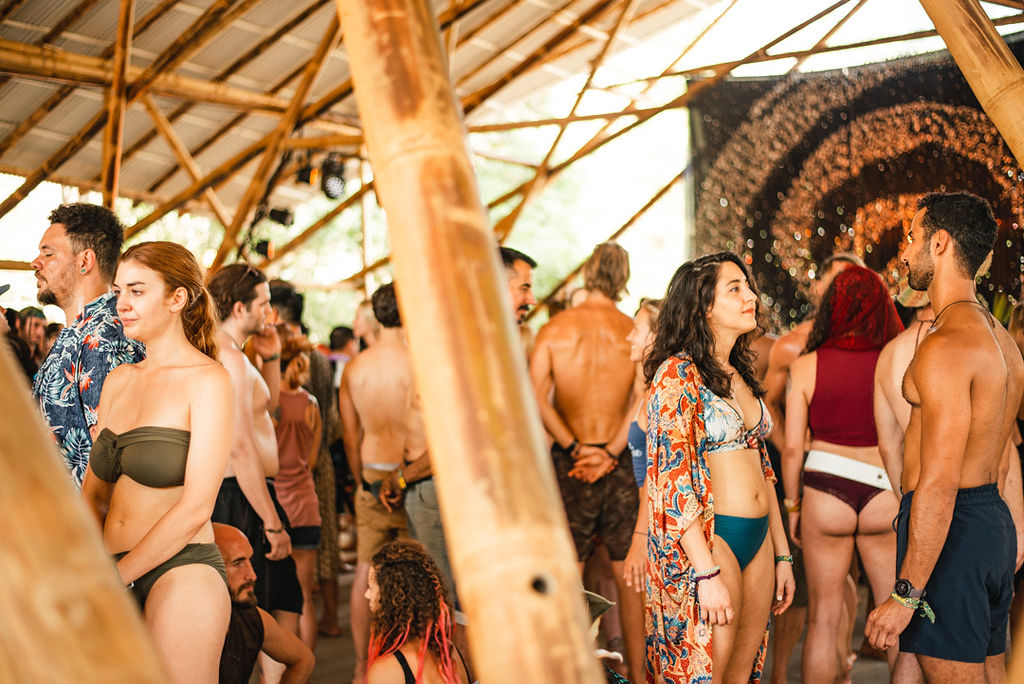
    Empowerment Self-Defense at Envision Festival, Costa Rica, 2023 | Photo Credit: Hestia Photograph Experience

    Heading to any festivals this year? Brush up on your boundary skills before you go to make it the most integrated, aligned and FUN experience possible!

    The motto of my holistic self-defense project, Mujeres Fuertes Autodefensa, is “Find your NO. Live your YES.” I believe that when we understand our boundaries and have the tools to express them (and defend them if necessary) we are better equipped to fully embody our “yes”—to live with openness and curiosity, and to enjoy deep connection, pleasure, and play.

    Festivals are unique spaces for exploration, expanding limits, and broadening comfort zones. This is a wonderful thing, as long as we go into them with self-awareness, a working understanding of consent, and a toolbox full of tools for staying safe.

    It is my wish that every festival-goer, dancer, lover, and seeker be able to experience the magic of these spaces feeling secure and confident in their safety and agency. To that end, below I will share 6 tools for boundary setting and assertive communication. I hope they will empower your festival journey—and your day-to-day life!

    Before we dive in, remember: 

    1. Boundaries are personal. No one else gets to tell you where yours are… and vice versa.
    2. Boundaries can change. It is okay and totally normal to want one thing one day, and something different the next. You get to decide how and when your boundaries shift, always.
    3. It depends on context. Your boundaries may be different with different people or in different spaces or situations, and again, that’s okay and normal!
    4. It is never too late to set a boundary. You can always let someone know a minute, hour, or year later that they crossed a line.
    5. You are responsible for communicating your boundary, but not for how other people react to that. Usually the people who react negatively to your boundaries don’t want you to have any.
    6. There are always (at least) two sides to consent. Try to treat other people’s boundaries the way you would like yours to be treated.
    7. When in doubt, trust your gut. If it feels wrong, unsafe, or undesired, it is.

    6 Boundary Setting Tools for a Safe & Expansive Festival Experience

    1. Listen to Your Intuition. 

    We often internalize the social conditioning that everyone else knows more about our boundaries and our bodies than we do. In fact, we know very well when a situation is unsafe and, conversely, when we can relax and settle. Intuition is the soft, quiet voice that whispers in your gut, “Yes.” “No.” “This way, not that way.” “Danger.” “All clear. The trick is learning to listen, and then trust that voice. 

    Intuition warns us when a person, place or situation is potentially dangerous. It may feel like tightness in the chest or belly, shaking in the hands or legs, buzzing in the forehead, or a general sense of tension or closing in. And, it will guide us to know when to trust new friends or dive into “risky” adventures. That may feel like openness in the chest, relaxation or softness in the belly or jaw, or a general feeling of leaning in. The more we heed these signs and engage with our intuitive mind, the sharper it will become.

    1. Be Aware.

    Awareness is key for staying and feeling safe, no matter where we are. Staying conscious of our environment—no need for stress or tension—not only helps us to identify danger or risk well before it becomes an emergency; it also can help us get oriented in a new environment, observe more details and beauty along our journey, and enjoy our adventure with full-bodied presence. As we rely more and more heavily on technology for navigation and communication, we may feel the urge to check our phones frequently, even at festivals. But the best thing to do is keep your eyes up, phone away, and look and act like you are confident and at ease.

    Alert body language communicates to the outside world that you are confident and aware (and you are). And, it sends a message to your own brain and body that you are not afraid to take up space, increasing your self-confidence and security at a cellular level.

    The Power Stance, Mujeres Fuertes Handbook
    1. Say No.

    Remember, you have a right to set the boundaries that feel good to you, no explanation required. With the crowds and stimulation of a festival environment, sometimes you need to say “no” to a dance, a hug, or any number of other invitations. It can be a “no” with a smile, or a “no, but thank you so much.” However, if the message isn’t getting across with gentle, polite communication, sometimes you have to be more assertive: “I said no,” on repeat, with an even, low tone of voice and confident posture, usually gets results.

    “No” is a complete sentence, requiring neither apology nor explanation. Do not fall into the trap of negotiating over your no, or you will end up spending time and energy on conversations, situations, and people you don’t actually want. Of course you can apologize or explain if you want to. The point, as I am constantly reminding students in my self-defense classes, is that it is a choice, not an obligation.

    1. Be a Broken Record. 

    When dealing with harassment—unwanted touch, flirtation, or other behavior—a similar technique works well. Choose one line (e.g. “I don’t want to talk right now.” “Do not touch me.” “Leave me alone.”) and stick with it. It is hard to argue or manipulate past stolid repetition. Be a broken record, repeating your one, assertive line until the person gets the message. There is no need to shout or get defensive unless the harasser becomes more threatening.

    A low, even tone, confident body language, and a refusal to enter into any negotiations (but why? Come on… I’m just being nice, etc.) can put a stop to a lot of unwanted behaviors. Even in festival spaces, where consent culture tends to be dominant and the vibes are high, it is good to be prepared to neatly end unwanted interactions or uncomfortable, potentially unsafe situations.

    1.  Name and Transform It. 

    An alternative strategy involves “naming” the behavior we want to change or stop. This is one of my favorite techniques. We first name the behavior (e.g. “Your hand is on my leg.” “You’re staring at me.” “You’re following me.”) without questions or qualifications. Questions invite response, denial, or negotiation. In a dangerous or uncomfortable situation, we don’t want to start a conversation or argue over the facts; we just want to make the necessary changes to feel safe. 

    After naming the behavior, we demand the change we wish to see (e.g. “Stop touching me.” “Leave me alone.”) without feeling obliged to ask nicely or say please. If once is not enough, we can return to repetition until the message lands.

    I love this technique for several reasons. First, it leaves no room for doubt; we both know what’s going on here, and we’re not going to argue over that. Second, it alerts any bystanders to the situation. Finally, it clearly states a boundary: “You’re doing this. I don’t want you to. Stop.” If the behavior persists, we then know a person does not respect our boundaries or care about our needs.

    1. Don’t be Afraid to Get Loud.

    If the situation calls for it, you may also want to turn up the volume. Yelling has been shown to prevent as many as 50% of assaults against women. The voice is a powerful self-defense tool. To yell effectively, be sure to use your belly—singers, actors, and public speakers will already know how to do that—to protect your vocal chords and bring more power and resonance to your voice. 

    I encourage trying this at home! Grab a few friends, blast some music, and practice shouting “NO!” as loud as you can. Remember to yell from your center; it can be helpful to keep your hands on your belly as a tactile reminder when practicing.

    Boundary Skills for Festivals—& Life (on YouTube)

    Youtube video
  • The Floating Pirate Community you always wanted to Join is Real… & it has a Name

    The Floating Pirate Community you always wanted to Join is Real… & it has a Name

    Musafir is more than a ship. She’s an ideal—a vision and symbol of another way of life.

    Those who built her and those who meet her find themselves swept up by the singularity of her story.

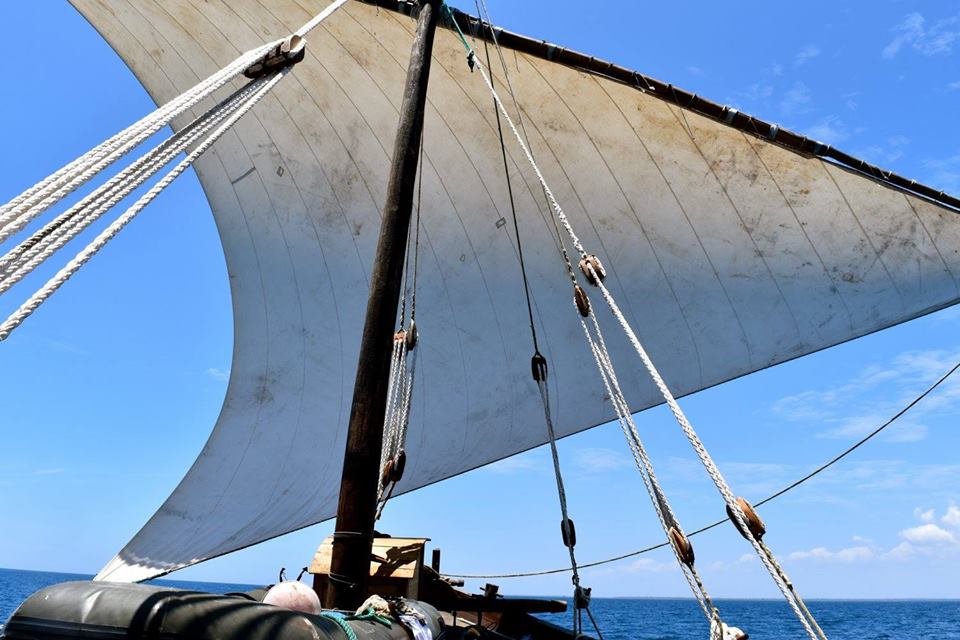
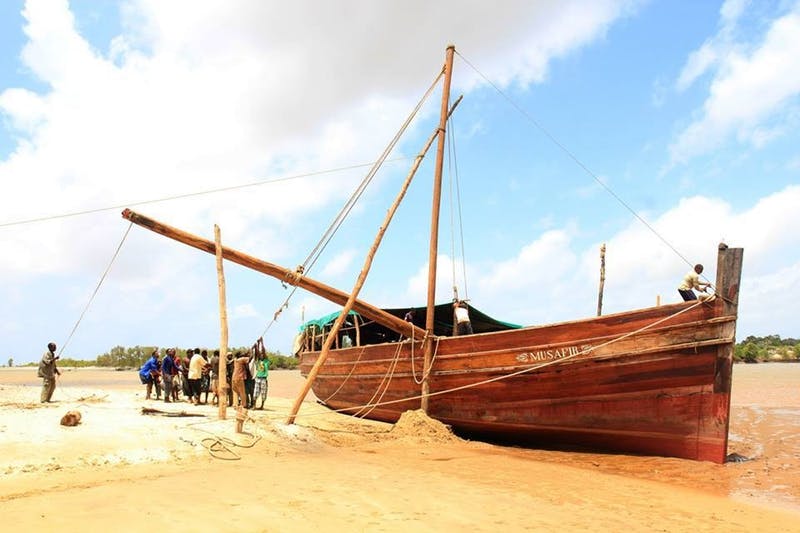
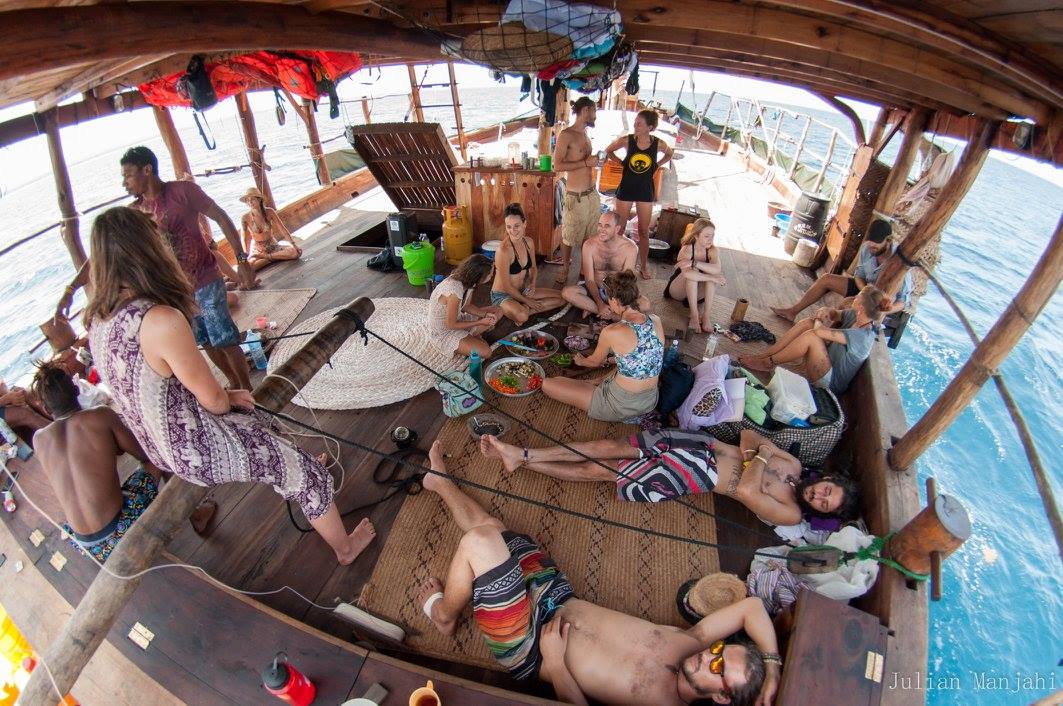
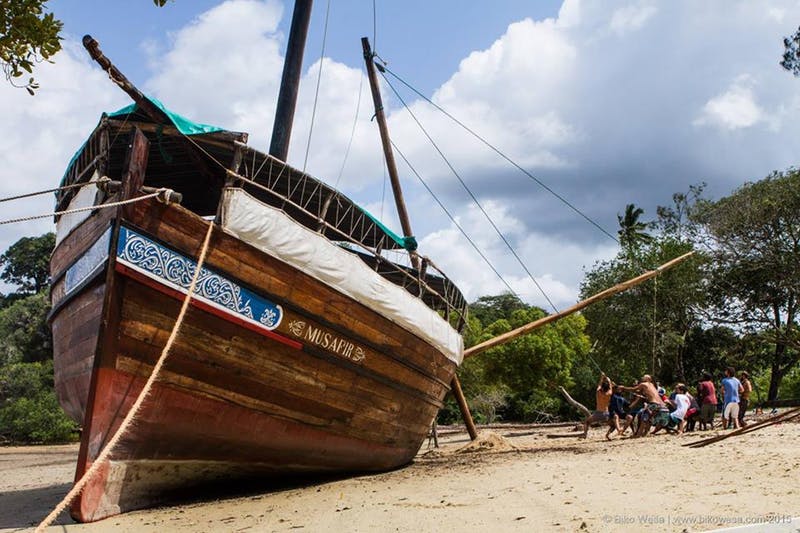
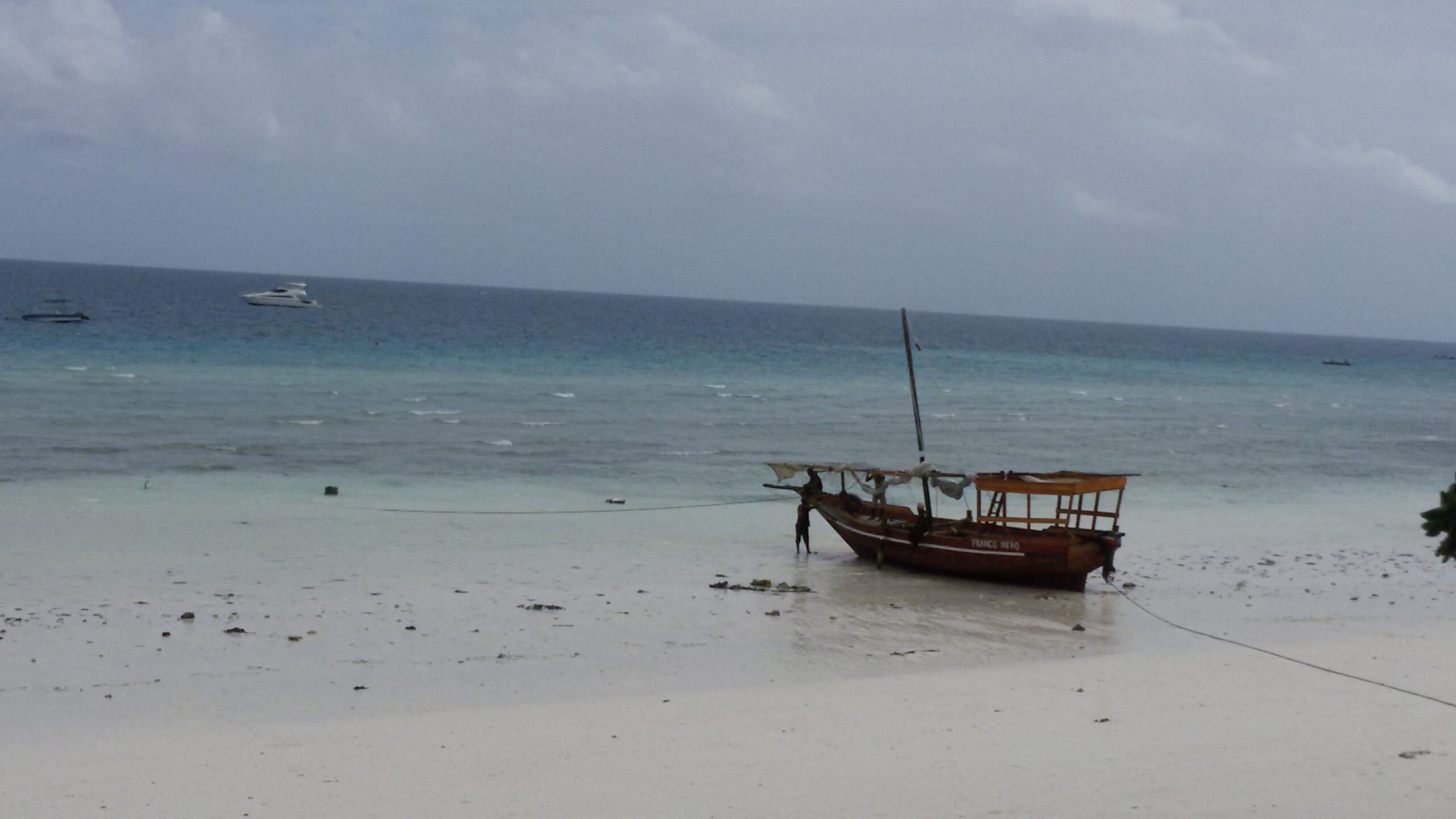
    Musafir—or Msafr in Ki-Swahili—is Arabic for traveler. And indeed, the soul of the 70-foot (21-meter) dhow is travel. When I met her in early 2015, she lay at anchor in Kilifi Creek, on the North Coast of Kenya. Just 3.6 degrees south of the equator, Kilifi rests in equal proximity to the chaos of Mombasa to the south and the ancient port town of Lamu to the north, yet remains utterly tranquil.

    During my two months in Kilifi, I visited the nearly-finished vessel often.

    sailboat, dhow, musafir, distant relatives, toby israel

    The approach to Musafir required a two-minute swim, or a one-minute kayak ride, through calm saltwater. At the boat’s hull, the water glowed a brilliant green as though illuminated by the vessel itself.

    Louis, a 30-year-old Frenchman from Burgundy who arrived in Kenya in September 2011, rested on board, a feather in his dreadlocks and a worn pair of shorts around his narrow hips. He had been building the Musafir for three and a half years.

    Work on the deck had begun only a week prior to my arrival, and a jumble of boards—some secure, others less so—sprawled before him. From several beams a collection of items hung: one hammock; woven baskets; a blue glass evil eye; a shard of mirror; solar lights; and a Kenyan flag.

    The mirror reflected the bright afternoon sun as Louis spoke:

    “It was the idea of freedom that called to me. The idea of doing something else. That’s why I started traveling, because I saw that this life that was suggested to me was not exciting. I think with this vehicle [Musafir] we can send a message somehow to the world. Not screaming it loud, you know, but by touching people pole pole [slowly in Ki-Swahili], showing that another way is possible. And if you follow your dream, even if you think “no, it’s impossible,” it’s possible.”

    Louis, along with an Italian man named Paolo, is one of the project’s “initiators.”

    kenya, sailing, dhow, kilifi, musafir, numundo, transformational travel

    In theory, however, “the boat belongs to whoever is on board.”

    He laughs and adds, “Me I’m just the Chai Wallah. My job on board will be to make chai and coffee. Just now, you know there are so many other jobs to do and no one else is around to do them.”

    The project relies on donations, crowdfunding, and—above all—the resources of those who have devoted their lives to actualizing it. Louis, Paolo and many volunteers repeatedly poured their savings into building costs.

    Historians differ on the exact origins of the dhow (a broad category encompassing many particular models). Some declare it Arab in origin, while others trace its roots as far as ancient China. A lateen sail and long, narrow hull differentiated the dhow from its Mediterranean kin. Many were constructed in Kerala, South India, known for the quality of its timber. Until Vasco da Gama’s arrival to Africa in the 15th century, wooden pegs and coconut rope—not nails—held the vessels together.

    Kipini has long been a notorious hub of expert Swahili construction, and thus a natural, far-off-the-beaten-path starting point. Musafir made its maiden voyage from Kipini to Kilifi (more accessible and less isolated) in November of 2014. In four days, she traveled 75 nautical miles, carrying fifteen passengers, a goat who would not see the end of the journey, and several chickens who would.

    Musafir, which, more precisely, is a jahazi (a Lamu-style dhow), is held together by copper nails rather than coconut rope. A few power tools for sanding and drilling assisted her construction, and she will eventually have an engine, too. However, Badi (the fundi, or master ship-builder), largely employed traditional techniques.

    Cotton canvas sail; old wood from Kipini; axes and sweat.

    musafir, boat, dhow, sailing, kenya, africa, adventure travel

    Building a boat of this size by hand is an endeavor few would undertake, but those involved agree that their labor adds inimitable depth.

    Louis elaborates, “Does it have soul? Does it have a special energy added to it? I think it does… Day after day of work, you start to know every piece, every nail. It makes it totally unique. You can be sure there won’t be two dhows like this in the world.”

    Dhows once traversed the Indian Ocean, sailing along the Arabian and East African coasts, and following the monsoon winds all the way to India and back. They carried dates from Basra, curved daggers from Muscat, gold and ivory, carved chests, spices and mangrove poles—and ideas. The dhow enabled the exchange of languages, people and ideas as well as goods.

    Likewise, Musafir will transport stories, goodwill, and possibly trade items. When the traveler and its travelers make port, “the vision is to have this exchange of culture—learning from communities and doing what we can to fill any specific needs.”

    Louis, Paolo and others made an exceptional effort to integrate into their temporary homes. They learned Ki-Swahili and befriended the Kilifi men who spend vast swathes of time cleaning the nearby beach. They drank mnazi (coconut palm wine) and worked closely with local experts.

    Cross-cultural understanding, they have understood, is an integral component of modern-day travel. Along the Swahili Coast—a vibrant blending of deep Islamic roots and centuries of Bantu, Arab and Indian influence—such insight requires time and complex awareness.

    musafir, distant relatives, pirates, community, travel, africa, toby israel

    What could inspire a group of unconnected people from around the globe to live and work together towards a common goal? It’s not the physical ship, though many involved love to be at sea. More than anything, it is the promise of freedom.
    Dario, a volunteer from Sicily, explained,

    “I think it appeals to people who are curious, adventurous… and who have a little craziness around, because it’s not a safe environment. I fell in love with the idea. To travel, to have access to any country. There are no roads, you know; you are just thinking where to go and you go.”

    Travel represents both a means and an end. For these Musafiri, there is no “after” in sight—only oceans and journeys to discover.

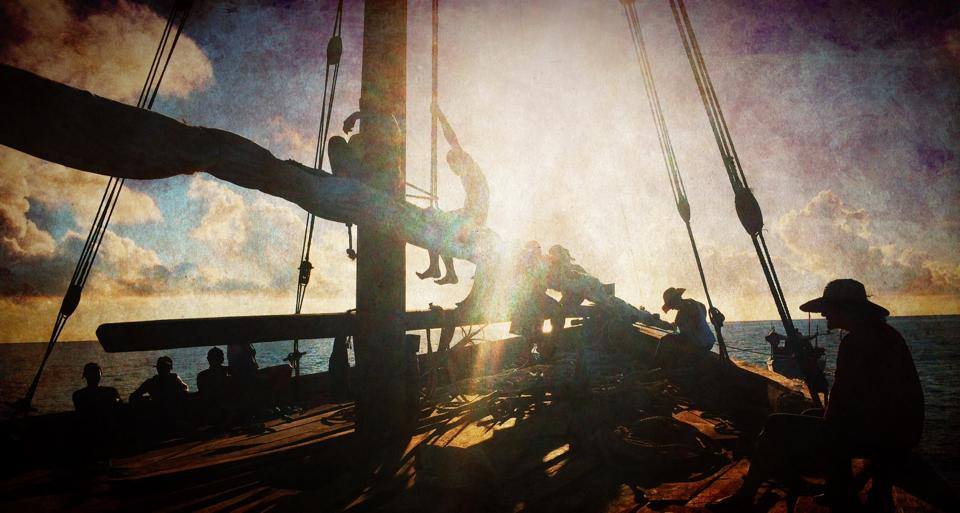
    Dario peeled a mango with a recycled blade and spoke over the snapping of the green tarp overhead as the wind churned and the light became hazy with the setting sun.

    “Musafir is about traveling,” he says. “It’s about life. It’s about getting to know new cultures, new people. It’s about growing, because while you travel across the globe you’re able to learn many, many things that can be illuminating. It’s about helping out as well. It’s an idea that can amuse people, because if you think about building a 70-foot sailing boat in order to travel around the world, wow, it’s a bit of a crazy idea. But eventually… You’re sitting on it. The boat floats. We’re here talking about it. So it’s a project that shows that if you really want something, you can do it.”

    To leave the ship, I could either climb down the rope ladder on her port side or jump into the warm waters of Kilifi Creek. The inimitable Distant Relatives Ecolodge was only a five-minute walk away. Their eclectic blend of earthy vibes and tropical hospitality served as a base for the Musafir team, as well as myself, for some time.

    musafir, kenya, kilifi, distant relatives, transformational travel


    When Louis and Paolo first arrived in Kipini, many of the villagers regarded them with suspicion.

    Why did they live in poverty while spending large sums on Musafir’s construction? Why wouldn’t they use the finished ship to turn a profit? With their long hair and beards, the villagers concluded, the men must be undercover Mossad or CIA agents come to spy on them.

    The answer to these questions, however, was and is simple:

    Musafir is not a business. She is a message.

    Dario concluded, “It’s important as well to come down here and understand what it means to take part in such a big project. It’s very challenging, and it’s wonderful in itself. It teaches you a lot—shows you great beauty.”

    For those who dreamt her into being, Musafir is a message of freedom and unity. She is a lesson in perseverance and an example of a way of life not yet lost to the world.

    When she sets sail, a traveler’s soul will go with her.


    Anyone inspired by this project has several options. One can, if the fit is right, sign on as a volunteer for several months. Alternately, one may support the project financially by donating here.


    Originally published on NuMundo’s Transformational Times. 

  • Wanderlusters: Running Away Doesn’t Work. (But Run Anyway!)

    Wanderlusters: Running Away Doesn’t Work. (But Run Anyway!)

    Originally published at elephant journal—7 September, 2016.

    This is fun.

    I’m going through some old writings in anticipation of a possible project or two, and as always, it is a fascinating adventure to chat with my former self.

    And while I’m not currently in the wildest of wanderlusting phases (actually, I’m solidly planted in Costa Rica for at least another 6 months while I cultivate events and retreats here), I still think this is some pretty good advice.

    For you, wanderlusters:

    wanderlusters, toby israel, travel light

    Hello, my name is Toby Israel, and I am an adventure addict and wanderlust junkie.

    And no, I’m not sorry.

    I won’t lie to you. What everyone tells you is true: you can’t run away from your issues. Nope, doesn’t work.

    Every sadness, heartache, loss, fear and insecurity has trailed me down the road of my nomadic life, following my sandy footprints like unwanted travel companions. If my heart were a backpack, you could not lift it onto your shoulders, so full it is of loves and lives. These things do not simply vanish into an Instagram-ready snapshot captioned, “Let that sh*t go.” Oh, no. Did you really think it would?

    Vagabonding, as I like to call it, has never solved a single problem. Not a crumbling relationship. Not a fear of heights. Not a longing for security.

    Indeed, “running away” is an empty promise. Walking off into the sunset, guitar slung across your back, Sufjan Stevens illogically emanating from the empty fields—I mean, come on, I can hardly write it, it’s so cliché.

    Here’s the thing: running “away” may be impossible—but beautiful, wise wanderlusters, you should run anyway.

    Run as far and as hard as you can.

    Run with purpose. Run with laughter. Run with mad, passionate glee.

    You’ll know when it’s time to stop—or you won’t, in which case you’ll keep running.

    Wandering isn’t a cure, but it is (I believe) a path.

    If that path calls to you, sowing iridescent oceans and unfamiliar cobble-stoned streets in your dreams, then honor the call. (If it really calls to you though, you don’t need me or anyone to tell you that.) Wandering won’t fix you, but it could uncover your self to your self.

    wanderlusters, toby israel, travel

    Would I have ever jumped off a 152-meter bridge had I not chased the magical yeti of adventure, facing a fear of heights in the process? Would I have hitchhiked 6,000 kilometers across Europe had I not answered my call and started to run? Would I have healed my heart had I ignored the balm of open skies and fresh wings—instead staying earthbound and numb in the familiar places I once called home?

    Maybe. Probably not. And I’d have far fewer stories to show for it.

    Sorry, but I am not sorry. I am every damn cliché you could write about the wandering millennial seeker roaming the world for years on end—and I am exquisitely filled with joy about it.

    Sometimes, we have to come back, go home, stay still to “find ourselves”—but maybe, just maybe, sometimes we’re waiting to be found at the end of a bungee cord, the top of a mountain, the last hour of an 800-kilometer trail. Wouldn’t it be a shame not to go and see?

    Remind me then, what is this thing I’m supposedly running away from? I cannot see it, for I am too busy testing my wings.


    Hey, feeling wanderlusty? Check out my upcoming retreats in Costa Rica and come hang out in paradise for a while! 😉

  • Choose Power: A Dream-Inspired Thought Experiment

    Choose Power: A Dream-Inspired Thought Experiment

    It’s been a wildly busy month, and though sharing something here has been on my to-do list every week, it just keeps getting pushed to the bottom. So as not to fall into the habit of not posting, I thought I would share this short thought experiment.

    About a month ago, I dreamt about a bus that wouldn’t stop. The more I yelled at the driver, the more he seemed to ignore me. I watched with growing panic as my destination disappeared behind me on the highway, until it became just a speck.

    But finally, the bus did stop. I thought I was angry… the driver was outraged! “Who are you?” He shouted. “Who are you to tell me to stop?”

    Hmmm.

    And so here is my thought experiment about choices and power and surrender and control:

    A post shared by Toby Israel (@tobyintheworld) on

    The bus is moving, and none of us gets to decide when we get off.

    Angry? Too bad, the wheels are still turning.

    Sad? You’re not the only one, but there are no breaks (…and no brakes) on this ride.

    Confused? Join the club—no one’s been down this road before.

    The bus is moving, and you don’t get to choose when it stops. The driver is deaf to your shouts of “slow down!” and “hurry up!”

    But don’t think that means you don’t have any power.

    You have all the power.

    You choose whether to yell or laugh. You get to decide to make a scene when the familiar vanishes in the distance—or to sit down and soak in the wild frontiers.

    You, and only you, determine how you react to the bumps, flat tires, detours and accidents.

    So someone stomped through with dirty boots. That’s alright too. Or maybe, for a few minutes, it’s not alright at all. Be angry. Be sad. Be confused. But then remember that you don’t have to be. Their dirty boots don’t have to be your problem.

    You still have power over you.

    Even though the driver doesn’t listen, your heart will. So tell it sweet things, always.

    A post shared by Toby Israel (@tobyintheworld) on

  • Microadventure in Costa Rica: 3 Snippets of Daily Life

    Microadventure in Costa Rica: 3 Snippets of Daily Life

    Whether I’m hopping continents or battling insects in my jungle house, life is always some kind of a wild ride… or a microadventure!

    These days, I’m not moving around much. Between organizing events, being a full-time masters student, and working on the amazing NuMundo platform, I haven’t had time for big travel.

    And I feel pretty great about that, because every day is already an adventure.

    I read an article once about microadventure that meshed perfectly with my own vagabondish philosophy. According to Alastair Humphreys, microadventures are “short, simple, local, cheap—yet still fun, exciting, challenging, refreshing and rewarding.” I would expand that definition even beyond planned experiences; to my mind, a microadventure occurs anytime we approach a situation with a spirit of “I am here,” “anything can happen,” and “might as well play in the rain.”

    Travel, adventure, exploration—they’re not about taking that one “trip of a lifetime.” In fact, if we only make one grand tour and then spend the rest of our lives in mundane monotony, I think we’ve lost the plot…

    microadventure, costa rica

    Below are a few microadventurous snippets of pura vida, Costa Rica style. I hope you will try slipping on on some adventure-colored glasses and looking at your own days through a similar lens:

    Trickster Monkey

    A post shared by Toby Israel (@tobyintheworld) on

    There is one particular monkey who likes to play in the banana tree just outside my porch. One day, I ran to see what was happening when I heard him thrashing around through the palms, then watched as he tore all the white petals off the top of the purple banana flower, then nonchalantly dropped them to the ground one by one. ]

    I don’t think he wanted to eat them, was only making trouble. The monkey thrashed away just as loudly as he had come, and I was left laughing to myself about the absurdity of the scene.

    Insect Wars

    A post shared by Toby Israel (@tobyintheworld) on

    “Can this kill me?” I’ve never asked this question so often before, but the diversity of small and threatening wildlife that appears in my jungle house is really unprecedented. One night a baby scorpion appears on my cutting board when I turn my back for a minute. The next, a freaky, sneaky-quick spider flashes along my wall. And the next? Could be a millipede in my shoe, a black widow spider under my table, or an army of ants in my sink. I check my shoes before putting them on. I catch and release bugs, whose names I’ll likely never know, on a daily basis.

    weird bugs, microadventure, costa rica

    When I think or write about living in attunement with nature, this is the part I always conveniently omit. I don’t like these critters—especially when they fly up my nose or bite my ankles, but I do coexist with them. And then, these bugs are the part I conveniently omit when I talk about how much I love living alone. No one is going to deal with the dead lizard, the spider eggs, or the creepy flying creature if I don’t. But that is a good thing.

    Sunday Morning Gratitude

    gratitude, hammock, costa rica, microadventure

    Sunday morning hammock time. I’ve managed to crawl out of bed without my dreams, which slipped away too quickly. I thought about going down to the river after a long rainy season hiatus, but my body is calling for a slower start. I sit in my hammock and catch the sun through my eyelashes.

    Jungle mornings. It will be hard to live in a city again. Wake up to birds, green-tinged sunlight catching the steam rising from my tea, yellow-flowering bushes pushing their noses up against the porch screen—and sometimes raccoon creatures too. Sure, the spiders and lizards and stupid flying beetles win some battles, but if the war is to live a good life, then I think I’m winning.

    Gratitude—for this home, this body this earth, this opportunity to honor it all by living. I don’t write about it every day, but it is always there. The roadblocks don’t even register against the generosity of it all. It is a blessing, this steam rising in the sun. It is a blessing, this exuberance of birdsong. It is a blessing, this gentle rocking, this skin, this heartbeat, and this one, and this. It is a blessing.

    A post shared by Toby Israel (@tobyintheworld) on


    On my way to Guatemala this afternoon—will report back with tales of Lake Atitlan, Cosmic Convergence, and anything else microadventure… or macro! 🙂

  • But Still: A Short Story on the Wisdom of Trust

    But Still: A Short Story on the Wisdom of Trust

    “Trust no one,” the wise ones said.

    Deep-lined faces, milk eyes clouded with all the memories of all the misfortunes of all the ages, they hummed with knowledge of the world’s evils and ills.

    “But why?” the innocent ones asked.

    Smooth smooth skin, crystal eyes free of such heavy knowing, they saw only beauty — believed in the bright spark glowing in all the souls of all the bodies of all the beings around them.

    “Take heed,” the wise ones replied. “Once, we were like you, crystal eyes and silk skin and child hearts untouched by sorrow. But now, but now, but now, but now…” the fragments of harsh lessons learned echoed in that mournful “but now.

    The innocent ones began to look around them with more caution.

    The knife-edge teeth of the sharks — who had once been their friends and accomplices in underwater adventures — suddenly inspired fear. The midnight eyes of hawks and gulls — who had once delighted the children with their dramatic displays of flight — now reflected frightened stares.

    The highest branches of the oldest trees — once safe refuges of friendship and warmth — revealed the word Danger writ into the grooves of their bark.

    The knowing, the knowing, the knowing — it descended upon the children like a milky white shroud, swirling thoughts of evils and ills in once-clear minds, and soon it was they who echoed the mournful tales of the ancient wind and rocks around them:

    But now, but now, but now.

    Yet, not all the children bowed before the knowing and donned the severe cloud eyes of the wise ones.

    No, there were the other ones too, and when the wise ones said Trust no one and the innocent ones asked But why, these last few held up a hand for quiet and called softly, “Wait.”

    And some of the innocent ones stopped to listen.

    The other ones continued, “Once, we were like you, crystal eyes and silk skin and child hearts untouched by sorrow. Now, our eyes, our backs, our hearts, too, carry all the memories of all the misfortunes of all the ages. Our skin, too, carries knowing in every pore.

    Yes, the world will knock you down, cheat you, hurt you, lie to you and disappoint you. You will not be innocent forever; the wise ones speak true…”

    And then, milk eyes creased in child heart smiles, and the other ones echoed the joyful melody of the waves and the sky and the mountains around them:

    “… But still, but still, but still, but still —

    the spark you see in all the souls of all the bodies of all the beings is there.

    But still, but still, but still —

    Trust anyway.”

    trust


    Originally published at Rebelle Society.

  • What to Do with a 10-Hour Train Ride

    What to Do with a 10-Hour Train Ride

    I’ve done that thing again.

    That thing where I look at plane tickets, look at train tickets, enter all available data into an elaborate equation (something like, Value = Adventure / Cost + Adventure x Time + Cost/Environmental Cost) and decide to take the ten-hour train.

    Again.

    You see, adventure counts twice in my calculations… and I value my time a bit differently.

    So I’m sipping on free hot water (having exhausted my ten-hour snack supply in just over seven hours), watching an obstinately rainy day pass me by—all the way from Vermont to Philadelphia.

    It’s not a bad day for a train ride, I have to admit. The sky is a study in gray. Wisps of cloud catch in green hills, blur the horizon, put me to sleep.

    I wake up quickly; I think my feet are getting frostbite. I set up camp in the cafe car. Consider diving into a pile of work. Think the better of it. Return to staring out at the nondescript, along-the-tracks landscape.

    I’ve taken so many absurdly long train, bus, and ferry rides, keeping count lost all meaning a long time ago. Barcelona to London: Why go in two hours when you can take two days, via Paris and the Chunnel? Tangier to Barcelona: What fun is the plane when a thirty-hour boat ride gets you 100% there? Stockholm to Turku: Thirteen hours and no regrets! Goa to Kolkata: In hindsight, maybe forty hours was a a bit long…

    A love of slow travel, a desire to lighten my footprint whenever possible, and a stubborn resistance to doing things the easy way all feed into these choices.

    But I realize that whiling away an entire day—or more—on a train doesn’t come without practice. I haven’t forgotten my astonishment at my fellow passengers in Nepal, where I took some of my first twelve-hour bus journeys. They put me to shame, doing nothing for the entire journey, never complaining, and maintaining perfect serenity during the hours of touch-and-go traffic leaving Kathmandu Valley.

    And so, if you have a ten-hour train journey ahead of you, or another trip just as daunting, I’d like to offer a few of my favorite activities to help you pass the hours:

    1. People watch. This activity could, without exaggeration, occupy all ten of those hours, especially when coupled with eavesdropping. The man in the seat behind me telling another passenger how he never learned how to read words, only concepts. The woman across the aisle discussing, at length, a petty workplace drama. The endless procession of human faces, voices, expressions—mundane and extraordinary at once. Yes, one could certainly people watch for ten hours.
    2. Crochet, or otherwise make things. When I traveled from Philadelphia to Miami by train in 2013, I spent about four hours of the thirty-hour odyssey crocheting a hat for a particularly odd and impressively drunk character sharing the cafe car with me. Activities that occupy the hands but leave the mind free to wander are ideal for long trips.
    3. Read. Bring a fresh book you know you’ll love. The longer the better. This time I brought The Wayfinders by Wade Davis, and it enthralled me. If you’d happily sit on the couch with a good book all day, you can stop reading right now; your ten hours are sorted.
    4. Write. Whether or not you’re a writer is beside the point. Write down observations, stream of consciousness, the funny things people said while you were eavesdropping. These words may serve some purpose later on, or you may never look at them again. Also not the point.
    5. Make lists. If you can’t think of anything else to write, there are always lists. I happen to love lists—the way they sit uselessly on my desktop after I make them, their satisfying list-ness, the irrational sense of efficiency I feel when writing them. Maybe you’ll be equally entertained by this activity… or maybe not.
    6. Eat. On travel days, I drop any preferences or pretenses I usually have about food. Today I feasted on cherries and leftovers, but sometimes it’s chocolate and chips. While normally I wouldn’t advocate for eating out of boredom, long train (or bus, or ferry) rides are a special exception. Entering a liminal space, free from the normal constraints of time and metabolic physics, is one of the advantages of traveling this way after all.
    7. Work. Just kidding—travel days aren’t work days! Be it a lack of reliable wifi or the soporific rattling of tracks, these journeys don’t usually support much work. But if you need to get things done, there’s certainly time.
    8. Do nothing. Nothing nothing nothing. Stare out the window and daydream about mountains that hold up the sky. Close your eyes and turn the rocking of the train into music. Lean back, put your hands in your lap, and just sit there. I think we could all do with a little more nothing in our days. A ten-hour train ride is a good place to start.

    Additional uses of time that may inspire you: listening to music, meditating, talking to strangers, walking up and down the aisles, stretching, deleting old files off your phone, gobbling fresh air in the areas between coaches…

    Think that just about covers it!


    How do you pass a long journey? Please share your favorites with me!

  • How to Go Out Alone (& Not Hate It)

    How to Go Out Alone (& Not Hate It)

    It’s 2009, and I’m eighteen. Paris is home for the year.

    It’s a chilly night in early winter. Ten or eleven o’clock. I’ve just gotten off the metro somewhere in the center of the city.

    Buzz. Buzz. The text messages, which don’t yet reach underground, arrive in a flurry. “Can’t make it.” “Running late. Might bail.” “May come later. Not sure.”

    Well shit. I’m not going in there alone. My first instinct is to flee right back the way I came.

    But then I glance at the bar—warmly lit wood and brass, clientele dressed in the ultra-chic black uniform of the city—and my natural stubborn streak takes over.

    So what if no one else is coming? It’s Friday night, and it took me forty-five minutes to get here. I’ll be damned if I go home without at least checking out the scene.

    I open the door. Step into the warm light. Rest an elbow on the narrow wooden bar. Order a glass of wine—white, I think.

    The clamor of several dozen voices reaches my ears at once. I absorb it as I sip my wine, but before long someone strikes up a conversation with me, and my focus narrows to just one. I practice my French. Find that it comes easily with strangers, without pressure. Somehow I find myself at a table with a dozen young people from the south of France. Celebrating a birthday—I think.

    The evening flows, and I leave for home many hours later, glowing with perverse satisfaction more than anything. I went out alone, and it didn’t suck. So there, world!


    I’ve been meaning to write this piece for years. All credit goes to the friend who asked me last week what I did about going out alone when I travel: Thank you for reminding me.

    That night in Paris was, in a way, a pivotal moment in my solo travel career. It’s one thing to hop on a train alone, sightsee alone, or even eat at a restaurant alone. We might do all of these things with ease, yet panic at the thought of entering a bar or club without backup. And by “we” I mostly mean “we women,” as that is the experience I feel I can speak to.

    Why? Why is this the impassable limit of independence?

    Well, first off, we’ve had it drilled into our heads that this simply is not done. That old fear rhetoric strikes again. Creepy guys, lechy guys, drunk guys; social stigma, weird looks, pitying stares; feeling lonely, awkward, unpopular, uncomfortable—

    Ahhh stop! Forget it. Let’s never go out alone. We’re convinced. Right?

    No! Let’s go out alone, because, as usual, reality is better than our imagination—and certainly better than our nightmares.

    I went to bed that November night in Paris feeling empowered. “Not sucking” may seem like a low bar for an evening out, but when we’re conditioned to expect utter disaster from any solo foray into social adventures, “not sucking” is actually high achievement.

    In the years since, I’ve often gone to pubs, live shows, dance clubs, bars, and festivals alone. Sometimes I even—gasp—prefer it. Story for another time.

    going out alone, dance, dancing

    I think the “how” of going out alone is fairly self-explanatory, but I’d break it down something like this:

    > No expectations/low expectations. If you’ll happily go home disappointed, a nice evening out is a pleasant surprise.
    >> Stay sober-ish. Obvious. Safety in self-possession, especially if you’re trying the solo adventure thing.
    >> Stay open—to possibility, to people, to surroundings. There’s potential in everything.
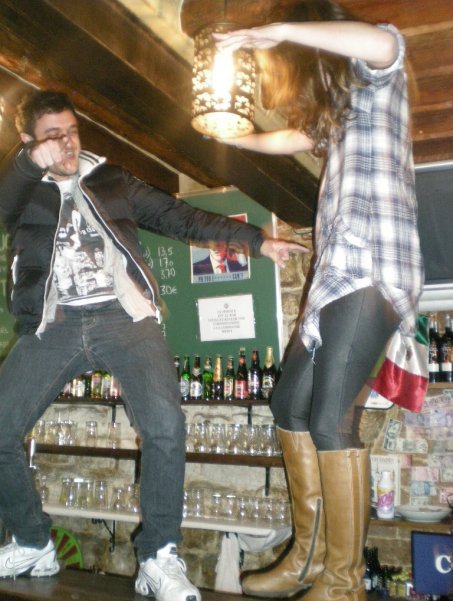
    >> But be prepared to deflect all the kinds of creepy. Welcome to the world. Books are excellent shields. So are crazy-arm, spinning-jumping dance moves.
    >> Just open the damn door and go in.

    Worst case scenario? It’s terrible, you go home, and you can blame me later for even suggesting such a thing.

    Best case scenario? You learn that you truly can do anything, because you’re a badass, and life isn’t as scary as everyone tells you.

    Cheers!

  • The Girl Who was Afraid of Everything—Fiction

    The Girl Who was Afraid of Everything—Fiction

    The Girl Who Was Afraid of Everything.

    (A break from the usual—story time!)

    ***

    Once there was a girl who was afraid of everything.

    She lived on a tropical island of fearsome forests surrounded by cavernous seas. All the other islanders lived for adventure, it seemed, but not her.

    She watched the towering ocean waves rolling toward her, and gasped at the audacity of the swimmers who danced in the roar of the surf, bodies like slippery eels.

    Hugging her knees at a safe distance on the beach, the girl said to herself, “I could never do that.”

    As the children of the island dove, jumped, and spun into a thundering waterfall, the girl dipped her toes in the pool below and shivered with fright.

    “I could never do that,” she thought again.

    She hovered at the edge of the forest that bordered the village and peered through the trees. The hunters chased great beasts on foot, leaping tree roots and serpents with ease and clutching arrows in their teeth.

    The girl sucked in her breath at the sight and shook her head with finality as she whispered, “I could never do that.”

    And so the days turned into months turned into years, and the girl became a young woman. Still she was afraid of everything. The other young men and women of the island made fun of her, and she withdrew ever deeper into her fearful heart.

    One day, all the young people of the village ran off to play in the waves. A storm was brewing, and each wanted to prove their mettle. Only the girl stayed behind. She sat on a rock, drawing patterns in the dust, and an old, old woman came to sit beside her.

    “What’s wrong?” asked the old woman.

    “Everyone has gone to play in the waves, and I am all alone,” said the young woman.

    “Why don’t you go with them then?”

    “Oh, I could never do that.”

    “Do you want to?”

    “I… I don’t know. I never thought about it.”

    And indeed, she never had, so fixed she had been in her certainty that it was impossible.

    “Well,” said the old woman, “perhaps you should ask the others how it is they manage to do what you believe you never could.”

    And that is what the young woman did.

    She went to the swimmers and asked, “Oh swimmers, tell me how you can be so brave to swim like slippery eels in such big waves. Are you not scared?”

    They laughed. “Of course we are scared, little sister,” they said, “but we must swim.”

    Next she went to the divers and asked, “Oh divers, please tell me how you can be so fearless to dive without hesitation into such a big waterfall. Are you not scared?”

    They laughed. “Of course we are scared, little sister. But we must dive.”

    Finally, the young woman went to the hunters and asked, “Oh warriors, please tell me how you can run after such big beasts. Are you not scared?”

    They laughed. “Of course we are scared, little sister. But we must hunt.”

    She had a lot to think about.

    And so she sat on her rock at the edge of the village, and she thought. And thought. And thought. And thought. And this is what she decided:

    “If the swimmers must swim, and the divers must dive, and the hunters must hunt, perhaps everyone has something they must do, which, when they find it, makes them brave. Perhaps I too have something I must do, and when I find it, I will not be afraid.”

    Soon after, a terrible drought struck the island. The oldest of the villagers could not remember its equal. The fruit in the trees withered in the sun and fell like stones, and the crops in the gardens shriveled and disappeared like smoke. The river dried up to a trickle, and the waterfall ceased to thunder. The people began to starve.

    Now, there is something I have not told you about this island.

    While the islanders were daring and brave and courageous and fearless, while they could swim and dive and hunt with abandon, and though they were happy, they could not love. From the youngest boy to the oldest woman, it was, they believed, quite impossible. Legend had it that this love business was far more perilous than any wave, or rock, or beast.

    But, the legend went on, one would be born amongst them who would be braver than all the rest, who would not be afraid of loving, and who would save their island from destruction when calamity struck.

    The young woman who was afraid of everything (formerly the girl who was afraid of everything) watched her neighbors starving and the crops failing and the river drying up to a trickle. She watched these things, and she listened to the prophecy and the legends that issued from parched, ancient lips, and she retreated deep into her fearful heart. Deeper than she had ever gone.

    And there, beneath the fear, she discovered something she had not expected. Something that was not fear. Something that moved and flowed and had no bottom.

    As she touched this mysterious well at her core, it spilled over and fell onto the cracked earth. She opened her eyes and looked at the blurred scene before her.

    And… she… loved.

    She loved the village, and the villagers. She loved the jungle, and the beasts. She loved the river and the waterfall, the ocean and the beach. She loved the island, the earth, the sky…

    … and so the prophecy came to pass.

    With her love, the woman ended the drought. The skies opened, the rains came, and the island prospered for a long, long time.

    And she never stopped loving, the woman who was afraid of everything except that most perilous of nature’s inventions. She grew old, and still she loved.

    Whenever a young, fearful villager asked her how she could be so brave as to love, when all around her believed it to be impossible, and was she not scared (and they asked her this often), the woman who loved laughed and laughed.

    “Of course I am scared,” she would answer, “but I must love.”

    ***

    Previously published on Rebelle Society.

  • Some Things I Like (About Travel)

    Some Things I Like (About Travel)


    Lisbon, Portugal. Saturday afternoon, somewhere far from the city center.

    I like this cafe, edged in fading sunlight, that flanks a nondescript park.

    I like sitting by myself and soaking in unknown smells that will soon be memories.

    I like following conversation like it’s music, unaware of any meaning beyond what I can discern from the melody.

    I like sitting on the metro and not understanding a word anyone says.

    I like struggling to understand basic signage.

    I like not being sure whether the sign on the door says “push” or “pull.”

    I like ordering from a menu at random.

    I like not being sure which way to look before crossing the street…and then checking both ways twice, just to be safe.

    I like when buildings surprise me by speaking, and streets by staying silent.

    I like uneven cobblestones, and I like parts of cities no one tells you to go to because they are boring.

    I like when a bus ride is an adventure; a walk around the block a quest.

    I like feeling out of place.

    I like blending in and feeling like I’ve gotten away with something.

    I like when it’s not too easy.

    I like when nothing can be taken for granted.

    Most of all, I like getting lost in the unfamiliar, which renders humility not a choice, but an inevitable outcome.

    It is good to be back here.

  • The Wild-Tame Peculiarity of Safari (and 10 Wild Photos)

    The Wild-Tame Peculiarity of Safari (and 10 Wild Photos)

    Sabi Sand Game Reserve, Mpumalanga, South Africa

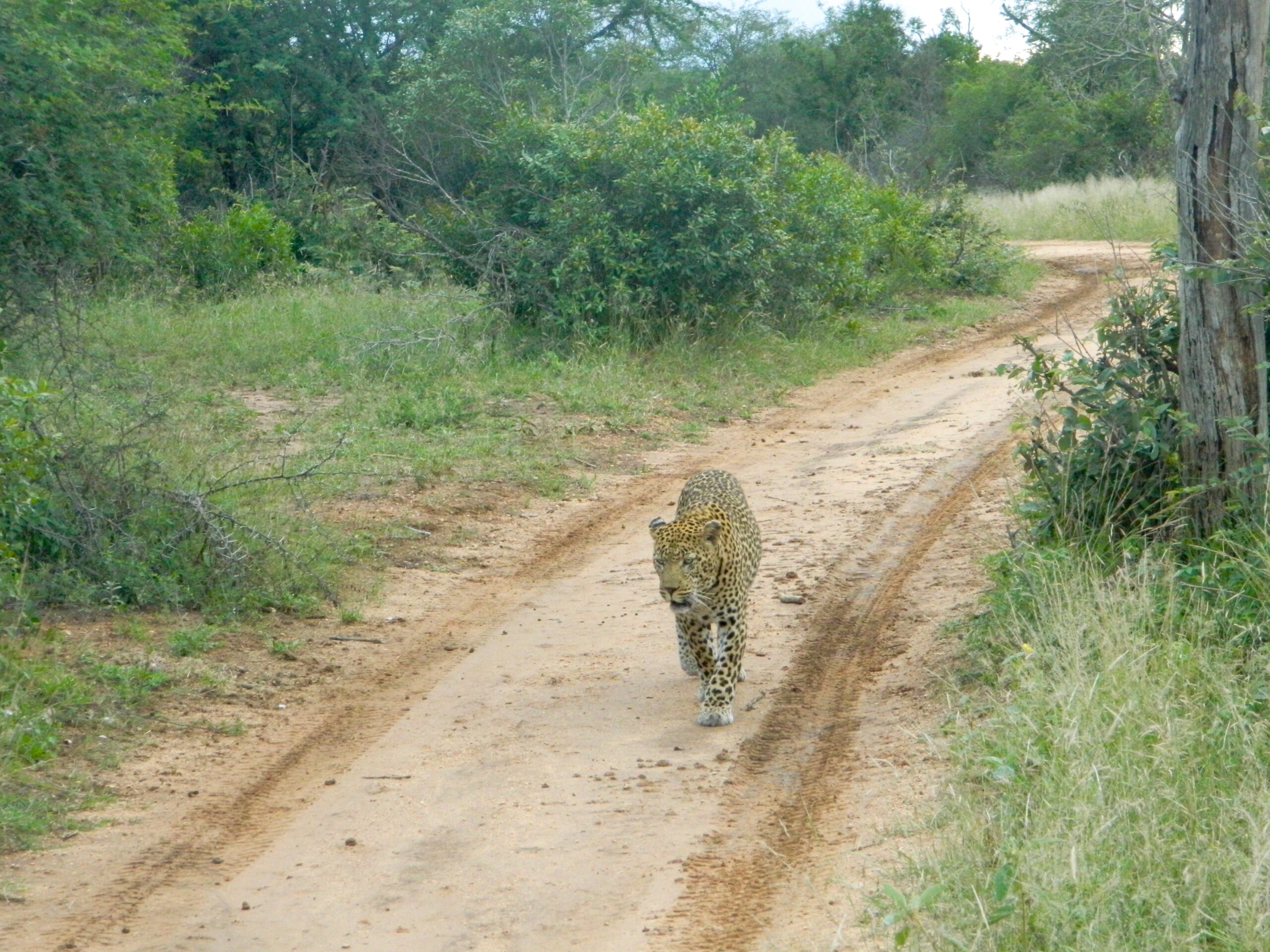
    A male leopard wakes from his nap and stretches lazily.

    Three safari cars—Land Rovers, I think—have parked just meters away.

    The leopard yawns, stretches again, and begins to move.

    His eyes are amber-grey, and he gives us only the briefest of disinterested sidelong glances before deciding to ignore us entirely and amble along the road. He remains impervious as the three cars crisscross his path to allow their passengers optimum angles—a bizarre new animal behavior pattern to which he and many other species in the bush appear wholly adapted.

    At one point he passes so close to my side of the car that I can see the individual hairs that make up his spots and the supple play of muscle beneath his skin.

    ***

    There is something both bizarre and breathtaking about finding yourself within hand’s reach of a wild animal and knowing that you’re safe.

    That is the wild-tame peculiarity of safari. Or, at least, of my safari.

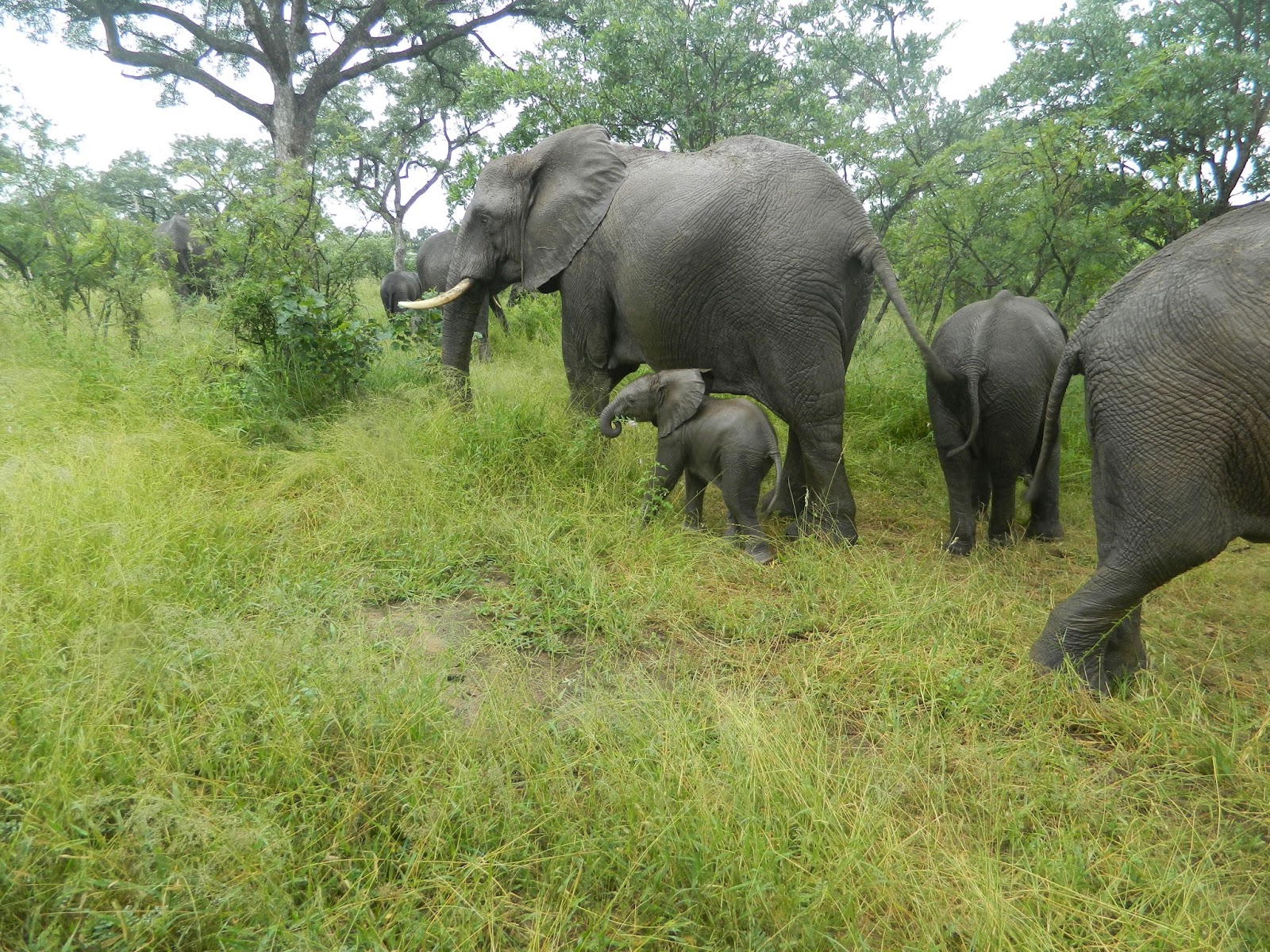
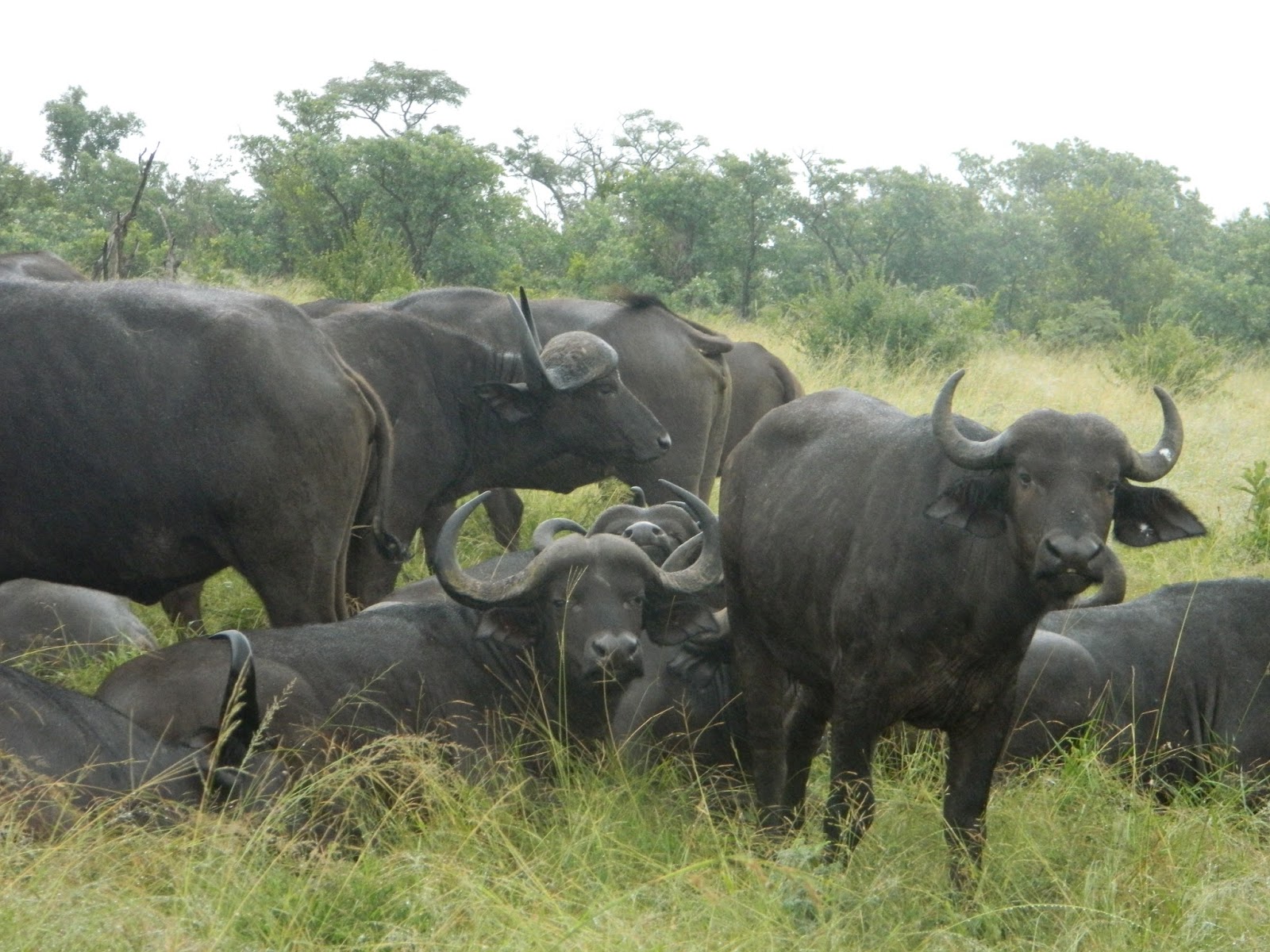
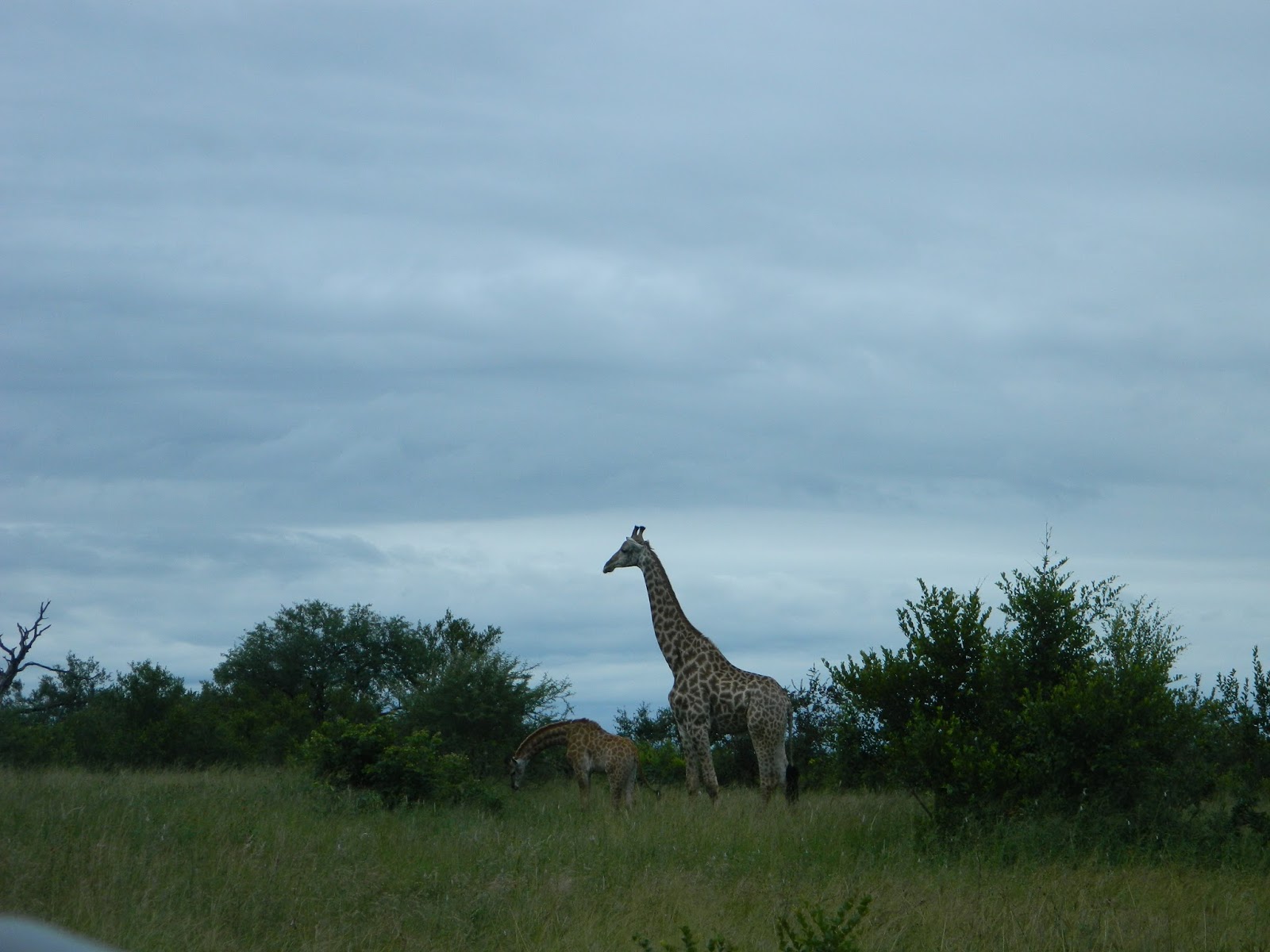
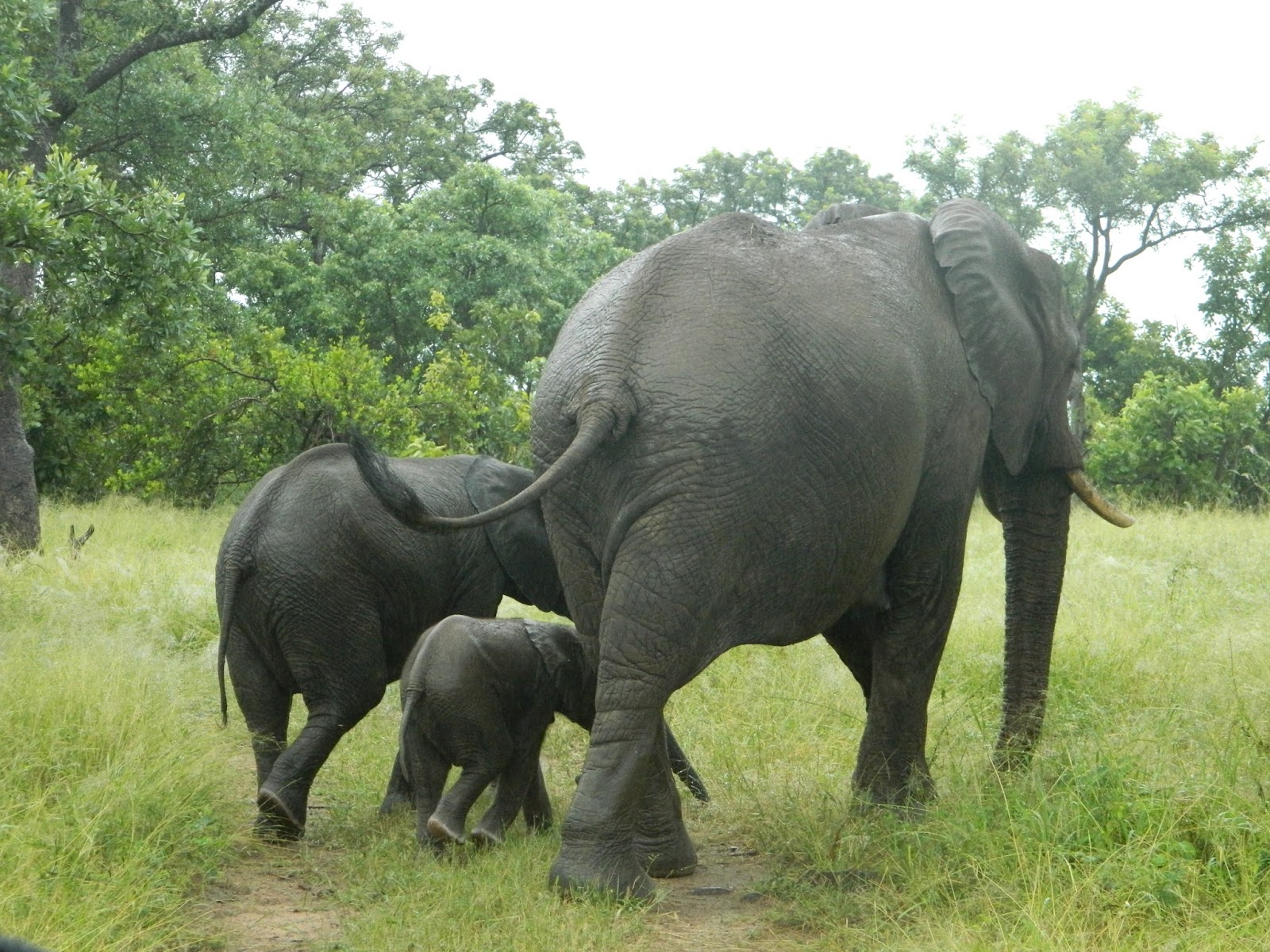
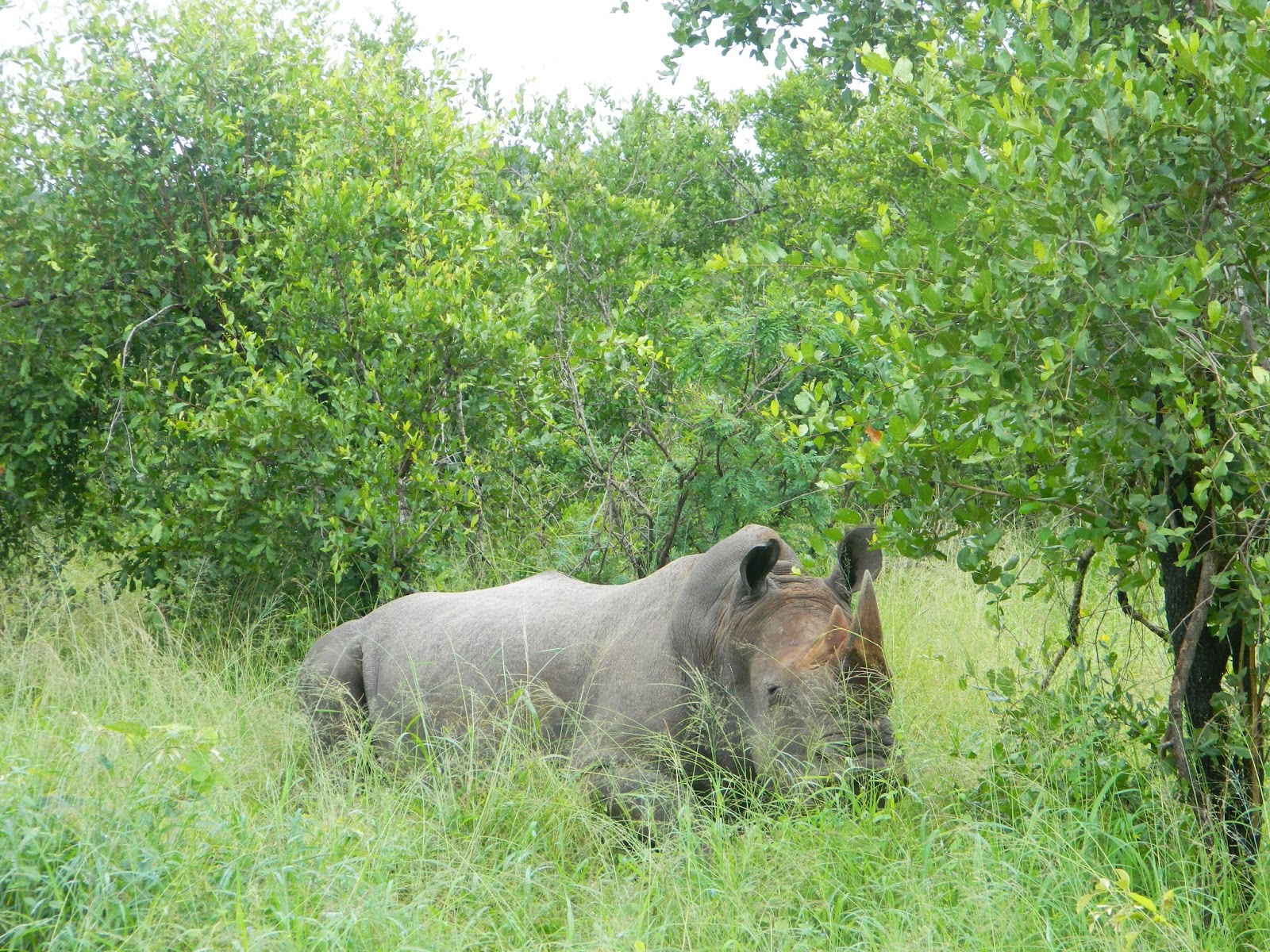
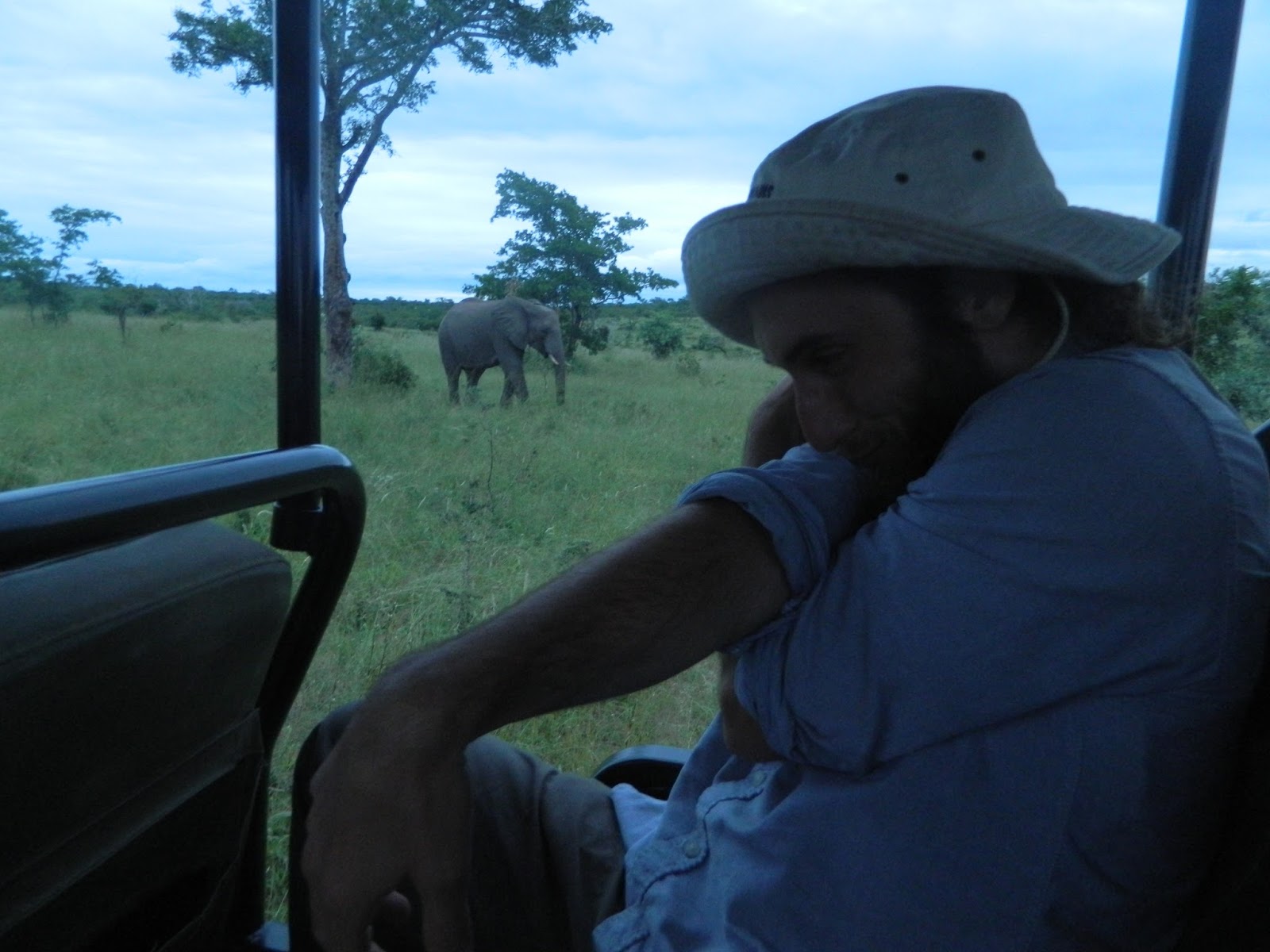
    Over the course of three days, my family and I found ourselves nose-to-nose with elephants, zebra, giraffes, leopards, and lions, thanks to the skill of our third-generation guide and the collaboration of the game reserves. We observed hippos, white rhinos, hyenas, and vultures from just a couple meters away.

    The sheer size, power, and wildness took my breath away—and it made me wonder about this paradoxical dynamic whereby wild animals accept wacky, camera-toting tourist behavior as the norm and an ecological system seems to evolve to accommodate it.

    Predator and prey alike enjoy the ease of travel on dirt roads cut for the convenience of safari trucks. A mother leopard defends her cubs against hyenas as you would expect, but observes our approach with indifference. Some—though not all—impala (a species of adorable antelope) fail to shy away at the no-longer-alien sounds of car engines and human voices.

    One thing is certain: This industry is a boon for the anti-poaching efforts across the safari-regions of the African continent. It brings revenue to places that desperately need it, and government protection to the wild animals responsible for it.

    Perhaps even more important, it has the potential to raise awareness about and appreciation for species and environments slipping into endangerment or collapse. A key element of environmental protection not to be underestemated.

    I hope to share more as I learn more, but in the meantime, here are some “up close and personal” photos of the wild animals that allowed us to share their space:

    Mama leopard with cubs.
     
    Fun fact: A herd of zebras can also be called a dazzle.


    “They look at you like you owe them money.” — Unknown, on water buffaloes
    No introduction needed.
    Who wants to go for a swim?
    So many elephants!
    The animal that evolution seems to have forgotten.
     
    My brother, the rarest of the wild animals.
  • Johnny Cash and Slow Travel

    Johnny Cash and Slow Travel

    8:15 a.m. Self-Service Restaurant “Mediterraneo.” Grandi Navi Veloci ferry from Tangier to Barcelona.

    I look up from my breakfast—a somewhat sad assortment of boxed orange juice, cold croissant and drinkable cappuccino—and observe the other diners. Some are in groups or pairs. Many are young Moroccan families. Many are alone.

    Of this last group, few are doing anything (checking phones, or even reading). They’re just sitting there, drinking coffee, looking around. For some reason it reminds me of Johnny Cash’s famous response when asked for his definition of paradise:

    “This morning, with her, having coffee.”

    I’m not even a particular Johnny Cash fan, but something about that phrase—or more, the slowness it implies—fits this mood.

    People choose to travel by ferry (around thirty hours from Tangier to Barcelona, rather than two or three by plane) for many reasons. The slightly cheaper cost. The relative ease and comfort of sleeper cabins and lots of space to roam. The vaguely romantic allure of faded, Titanic-style old world luxury.

    And—I suspect—some people choose it for the slowness.

    Sitting in a deck chair for hours watching the boat’s trailing wake. Pacing the endless red-carpeted hallways, hands skimming smudged brass banisters, stepping inside and outside and inside again with no special aim.

    Sitting there, drinking coffee, looking around.

    Because there’s nothing better to do. Because the boat will get there—slowly—and we have time. Because, just like Johnny Cash, we recognize that the smallest moments contain the whole universe—if we slow down enough to dwell there for a while.

    For me, that is the essence of slow travel: dwelling in a moment while everything shifts around us, knowing that we’re on our way.

    Another reason to take the ferry: They have puppies!!! (If you’re lucky…)
  • Zen & the Motorcycle Passenger

    Sorrento Coast,  Italy

    (Mom, you’ll want to skip this one.)
    The headlights of oncoming cars are a blur as we race down the center line of the autostrada (highway) from Sorrento to Napoli. I settle into the peculiar flow of this navigating traffic as we weave in and out.
    Yellow lines, black sky, breathe in, breathe out.
    Yellow lights, black tires, breathe in, breathe out.
    Accelerate, brake. In. Out.
    It’s just me (passenger-monkey) and my friend (driver-pilot). Fear hopped off this train hours ago, and I’ll tell you why.
    ***
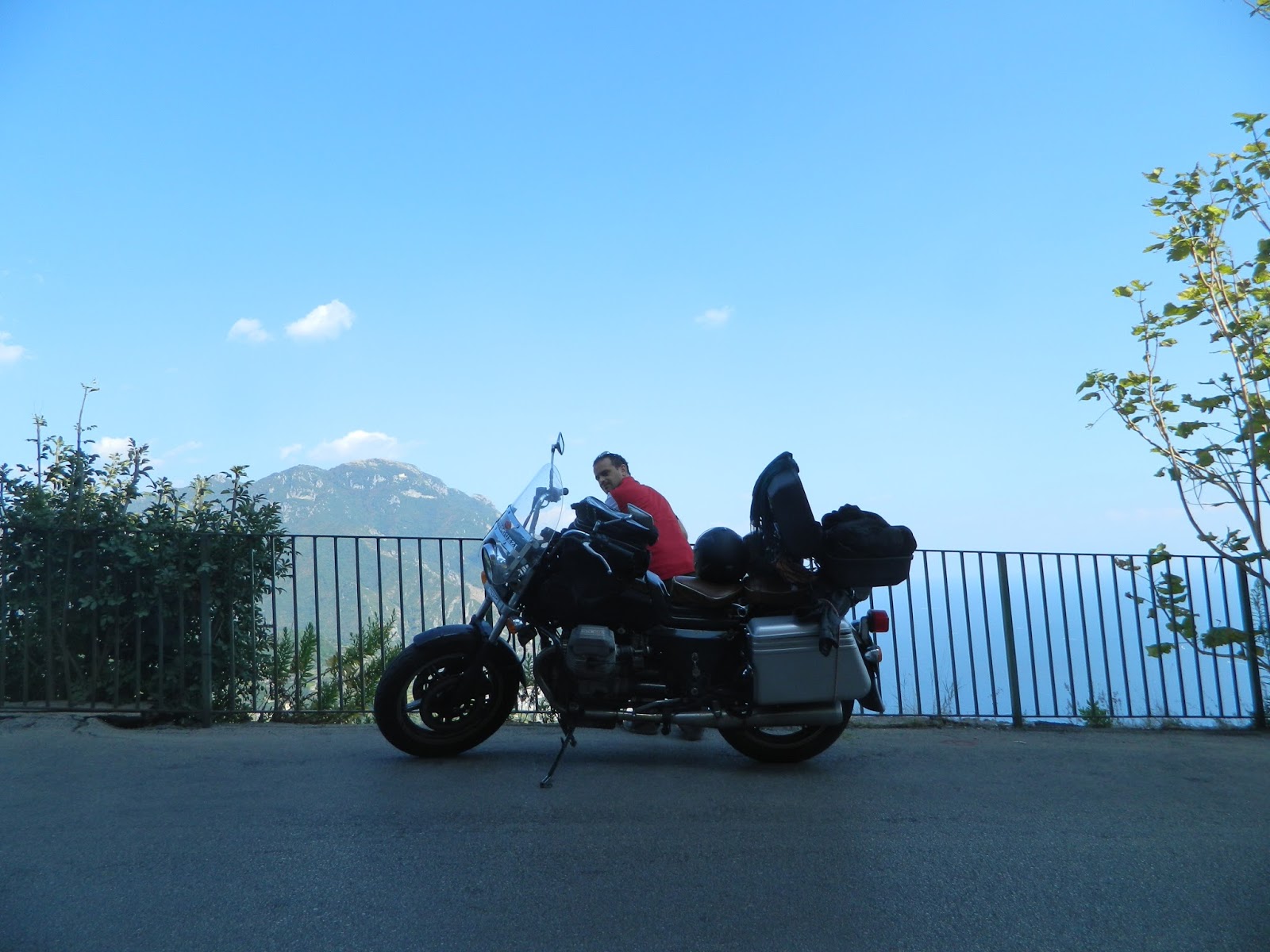
    È stata una giornata bellissima. It was a gorgeous day. Perfect. My friend met me with his vintage motorcycle at the Salerno train station (a half-hour train ride from Napoli), and we (along with seemingly every Italian ever on this last weekend of summer) set off for the Amalfi Coast.
    The fresh wind in my face balanced the hot sun as we followed hairpin turns opening onto one dazzlingly beautiful vista after another. The hum (or, more accurately, roar) of the engine blended with the waves and the wind, and conversation was sparse. The sky turned to dusty rose, orange, teal as we rounded past Amalfi and up the Sorrentino coast at sunset.
    I must have contemplated my death a hundred times that day.
    I usually do when I travel as a motorcycle passenger, and I don’t think it’s morbid. There is a quality of zen to this process of that renders it uniquely compelling for me.
    There’s the, “oh shit, this is dangerous” moment, followed by the, “there’s nothing I can do to change my vulnerability in this situation” realization, culminating in (temporary) total surrender to the inalterable fact of my own mortality.
    Then a sudden acceleration and, “oh shit,” and we begin again. As the minutes or hours blur on, I slowly stop picturing the many gruesome ways in which this could end badly, my pulse slows, and my shoulders relax. Once that last ripple of fear smooths out, I ender a space of zen acceptance—it’s pretty blissful there.
    If you’re thinking I sound nuts, allow me to ask you a question:
    How often, in your day-to-day life, do you contemplate your own mortality?
    If you’re a healthy, well-enough-off human, I’m guessing it’s not all that often. And yet, we are all mortal; we are all helplessly vulnerable to myriad risks. We all walk a fine line between life and death all the time.
    We are all on a precipice.
    ***
    That yellow double line of a Napoletano highway, framed by black sky and black asphalt, is only a metaphor, no more and no less terrifying than the reality we all face. Every day.
    The magic of this motorcycle zen is not the “added risk.” Rather, it (and surely a thousand other activities) forces me to reckon with the transience always enveloping me—always enveloping us—and to breathe in, breathe out, and enjoy the view.
    ***

    I took a video so you could catch a view, too!

     
  • The Intoxicating Unknown, and Solitude

    The Intoxicating Unknown, and Solitude

    The plane lands with a jolt. Rolls to the gate. Shuts off the engines.

    You and the other passengers file off the aircraft. Through the terminal. Past immigration. Baggage Claim. Customs.

    You step outside into a country where you know no one.

    Perhaps you don’t speak the language. The air is different. Heavy and humid. Or maybe cold and sharp. Your nose catches new smells and catalogues them as memories—later, this will be a remembered place.

    Welcome. You have just crossed into a vast field of unknowns.

    Is it terrifying—or exhilarating?

    Someone asked me recently if it ever gets lonely, this solo traveling.

    There are many answers to that question. I’m having a bit of deja vu, because I think I’ve offered some of them before (maybe in this, or this), but I have something new to say about it today.

    Basically, no, I don’t.

    I have experienced dozens of iterations of the above scenario—arriving by air, land or sea—and for me it is always exhilarating. That is, in part, why I will fly from Rome to Agadir, Morocco at the end of September—to spend six or seven weeks in a place where I know nobody.

    While I love traveling with or visiting friends (and do so often), I crave the spaciousness that only comes with solitude. Maybe you do too.

    Nothing can replicate it. It arrives the moment we leave every known thing behind us. Hug our loved ones goodbye outside the airport. See our traveling companion to the train station, then turn back to a foreign city alone. Click “complete payment” on a one-way ticket for one.

    Solitary spaciousness arrives when face the forest, the mountains, the desert—whatever our alluring yet frightening place may be—with a pack on our shoulders and uncertainty in our chest, knowing that no one is coming with us this time.

    Does that scare you? It probably should. There are monsters in the forests, the mountains and most of all the cities. But more than that—more than that there are monsters in our hearts and minds.

    I believe that is what people fear most of all when they fear setting out to travel alone. There is the external risk, of course, but I suspect loneliness—ourself facing ourself—instills greater terror.

    Why don’t I ever get lonely, then? I’m not actually sure, not entirely. Maybe I do, but it no longer scares me, and so I call it solitude instead of loneliness. I do know this:

    Our comfort zone expands every time we step outside of it and thrive there. There is nothing more intoxicating, full of life and purpose, than entering the unknown territory alone.

    So go.

    “The cave you fear to enter holds the treasure you seek.”

  • This Is Why We Walk—Maybe

    This Is Why We Walk—Maybe

    spain, camino, walk

    Ancient Practice in the Modern Landscape


    Sixteen kilometers of open road. No turns. No twists.
    The trees are thick on either side, and I’m grateful for the shade they provide. The road tilts up, then drops down again. Relentless.
    It is my third-to-last day on the Camino del Norte. My legs are already tired, my feet already sore. I have walked already ten kilometers when I begin this section of road.
    Normally, there are trails, or a dirt edge to walk on at the least. Not today.
    The occasional car speeds past. They will arrive at the end of the road in minutes.
    The road is hard. Straight. Empty.
    Relentless.

    ***

    I’ve said it before: traditions have a way of reviving themselves.

    We as humans are wired for ritual. We seek it, gravitate toward it and cling to it, and when we don’t find it the world suffers.

    It has been theorized that there is a cross-cultural link between lack of ritual and conflict. Or, to put it positively, ritual is a necessary component of conflict resolution. That’s a longer discussion I’d love to have with you personally.

    If this gravitation is (as theorized) a response to a lack of ritual in modern society, the wild success of trends like yoga and meditation would arguably be the same. I believe that tendency to seek meaning through practice has everything to do with the recent resurgence of interest in the Camino—and other pilgrimage.

    The juxtaposition of this ancient journey with the modern landscape through which it now passes fascinated me from start to finish.

    What does it mean to walk a centuries-old trail alongside a six-lane highway? Beside a railroad track? Through a buzzing city like Bilbao?

    How does the addition of asphalt, smartphones, gortex and wifi change the experience? Enhance it? Devalue it?

    If you change everything—the trappings, the clothing, often the landscape, the food, the language, the Road itself—but keep the journey, is it still the same Camino?

    I’m inclined to say yes—in spirit.

    If you take a human body, give it artificial limbs, blood transfusions, organ transplants—replace everything, say—do you still have the same person?

    Your answer may depend on whether or not you believe in a consciousness, a soul, a Self (call it what you will) that is greater than the sum of all its parts.

    If you change every piece of the Camino, from the culture around it and the people walking it to the very structure and environment of the journey, what remains the same?

    In my opinion, it is the spirit of the journey. It is the seeking, the act of walking, that has somehow drawn us across history to follow the same path.

    And you can lament the omnipresence of wifi or cell service, you can dismiss the validity of smartphone navigation, you can wax poetic about the good old days when pilgrims carried nothing but a skein of water and the cloaks on their backs…but to what end?

    This is our world.

    There is asphalt that wears down our joints. There are trains that travel many times faster than our feet. There is social media and multiculturalism and sturdy trekking gear.

    One thing has not changed.

    Us.

    We still walk on two feet (when we choose).

    We still require food and water to survive—for now.

    We still seek—relentlessly—to create meaning in our lives.

    That is why, I believe, an ancient rite like the Camino de Santiago still makes sense. In spite of this modern world and modern landscape. Maybe because of it.

    It is not just possible, but perhaps necessary to walk the same paths we have walked for centuries. Maybe that connection is the ritual we’re seeking.<

    What do you think?