Tag: snapshots

  • Microadventure in Costa Rica: 3 Snippets of Daily Life

    Microadventure in Costa Rica: 3 Snippets of Daily Life

    Whether I’m hopping continents or battling insects in my jungle house, life is always some kind of a wild ride… or a microadventure!

    These days, I’m not moving around much. Between organizing events, being a full-time masters student, and working on the amazing NuMundo platform, I haven’t had time for big travel.

    And I feel pretty great about that, because every day is already an adventure.

    I read an article once about microadventure that meshed perfectly with my own vagabondish philosophy. According to Alastair Humphreys, microadventures are “short, simple, local, cheap—yet still fun, exciting, challenging, refreshing and rewarding.” I would expand that definition even beyond planned experiences; to my mind, a microadventure occurs anytime we approach a situation with a spirit of “I am here,” “anything can happen,” and “might as well play in the rain.”

    Travel, adventure, exploration—they’re not about taking that one “trip of a lifetime.” In fact, if we only make one grand tour and then spend the rest of our lives in mundane monotony, I think we’ve lost the plot…

    microadventure, costa rica

    Below are a few microadventurous snippets of pura vida, Costa Rica style. I hope you will try slipping on on some adventure-colored glasses and looking at your own days through a similar lens:

    Trickster Monkey

    A post shared by Toby Israel (@tobyintheworld) on

    There is one particular monkey who likes to play in the banana tree just outside my porch. One day, I ran to see what was happening when I heard him thrashing around through the palms, then watched as he tore all the white petals off the top of the purple banana flower, then nonchalantly dropped them to the ground one by one. ]

    I don’t think he wanted to eat them, was only making trouble. The monkey thrashed away just as loudly as he had come, and I was left laughing to myself about the absurdity of the scene.

    Insect Wars

    A post shared by Toby Israel (@tobyintheworld) on

    “Can this kill me?” I’ve never asked this question so often before, but the diversity of small and threatening wildlife that appears in my jungle house is really unprecedented. One night a baby scorpion appears on my cutting board when I turn my back for a minute. The next, a freaky, sneaky-quick spider flashes along my wall. And the next? Could be a millipede in my shoe, a black widow spider under my table, or an army of ants in my sink. I check my shoes before putting them on. I catch and release bugs, whose names I’ll likely never know, on a daily basis.

    weird bugs, microadventure, costa rica

    When I think or write about living in attunement with nature, this is the part I always conveniently omit. I don’t like these critters—especially when they fly up my nose or bite my ankles, but I do coexist with them. And then, these bugs are the part I conveniently omit when I talk about how much I love living alone. No one is going to deal with the dead lizard, the spider eggs, or the creepy flying creature if I don’t. But that is a good thing.

    Sunday Morning Gratitude

    gratitude, hammock, costa rica, microadventure

    Sunday morning hammock time. I’ve managed to crawl out of bed without my dreams, which slipped away too quickly. I thought about going down to the river after a long rainy season hiatus, but my body is calling for a slower start. I sit in my hammock and catch the sun through my eyelashes.

    Jungle mornings. It will be hard to live in a city again. Wake up to birds, green-tinged sunlight catching the steam rising from my tea, yellow-flowering bushes pushing their noses up against the porch screen—and sometimes raccoon creatures too. Sure, the spiders and lizards and stupid flying beetles win some battles, but if the war is to live a good life, then I think I’m winning.

    Gratitude—for this home, this body this earth, this opportunity to honor it all by living. I don’t write about it every day, but it is always there. The roadblocks don’t even register against the generosity of it all. It is a blessing, this steam rising in the sun. It is a blessing, this exuberance of birdsong. It is a blessing, this gentle rocking, this skin, this heartbeat, and this one, and this. It is a blessing.

    A post shared by Toby Israel (@tobyintheworld) on


    On my way to Guatemala this afternoon—will report back with tales of Lake Atitlan, Cosmic Convergence, and anything else microadventure… or macro! 🙂
  • Pure Light, Pure Life: A Costa Rica Snapshot

    Pure Light, Pure Life: A Costa Rica Snapshot

    At the edge of Ciudad Colón, Costa Rica, in 6 am light

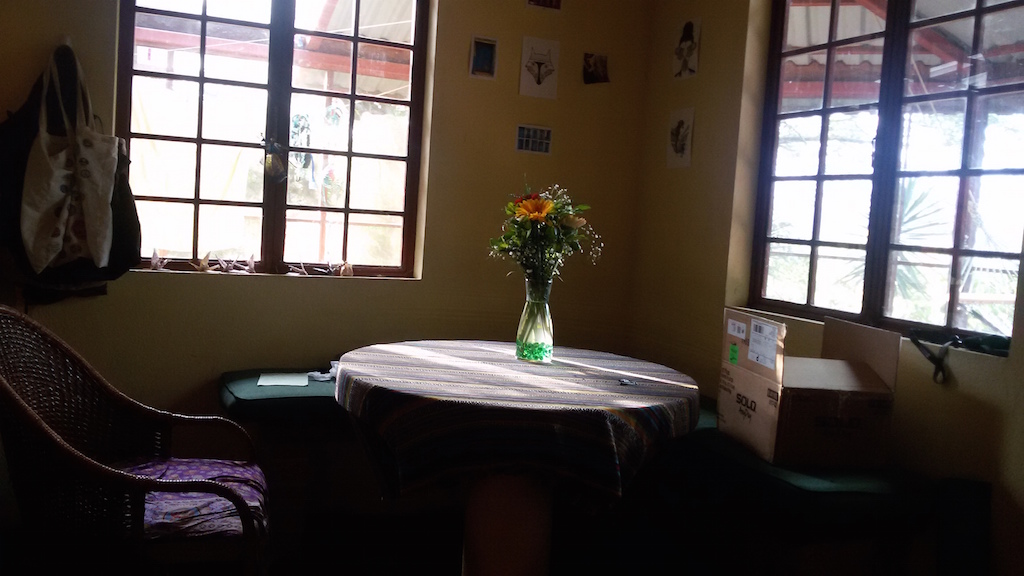
    The light falling through my windows at 6 am cleans the sleep from my eyes.

    I study how it falls on the striped tablecloth, on the laundry hanging on the porch, on the dishes in the rack by the sink, now dry.

    This light has weight. Depth. And levity.

    As I walk through it to bring my compost to the pile at the edge of my yard, the light transforms the ordinary into magic. Last night’s rain glistens on blades of grass, hibiscus flowers, palm fronds. The air itself breathes, infused with life, illuminated.

    The mossy track up the hill to the road could lead anywhere, in this light.

    Portals could appear around the bend, elves could shimmy down the velvety rays, and I would not be surprised.

    This 6 am, 7 am, 8 am clarity washes away the dark and the rain and the heaviness of the night before. It redeems the incessancy of the September rains. One could take flight in it; its very existence defies the gravity of the season, washes the soul, and lifts the spirit, suspending it in lush, velvet lucidity for the rest of the day.

    And this 6 am tableau expands to touch all the senses. Birdsong rides upon the coattails of the light, insisting that all who hear it enter into the day. It is more effective than any alarm. Moths who stumbled inside at midnight, addled by electric bulbs, buzz now at the windows, anxious to rejoin the jungle. Close behind the birdsong sings the scent of dawn—wet earth and drip-drying branches—with the promise of a fresh beginning.

    Amnesiac mornings, yesterday forgotten.

    And within the light that trails the birdsong that carries the wet earth smell, a prescience of the daytime heat to come. Already, nighttime chill begins to dissolve. Cool tiles underfoot raise goosebumps, and the air is just brisk enough that one feels compelled to carry a sweater, which will be obsolete within hours.

    Finally, the taste of 6 am light—because sunlight like this has flavour just as it has weight… dark green, a little bit dusty, rich and smooth on the tongue like homemade whipped cream. Or sweet and bright like ripe pineapple. Or tart and effervescent like good champagne.

    It lingers. Leaves an impression.

    A post shared by Toby Israel (@tobyintheworld) on

    Pure life, this light.

    But I don’t think there is anything particularly rare about it. Surely you could find light like this—uplifting and exquisite and soft to the touch—anywhere. Not only in Costa Rica. Not only in the jungle.

    I think, though I have no proof, that we can find this light whenever we open space to it. When we slow down our mornings to hear it, deepen our gaze to observe it, stick out our tongue to taste it…

    Sunlight everywhere reaches out its fingertips, nudges the soul to take wing, offers prayers for a velvet, amnesiac morning.

    Pure life—

    Not a destination, but a way of beginning.

  • Taghazout, Morocco: 10 First Impressions in 10 lines

    First impressions aren’t everything, but they are something. After nine days in the small town of Taghazout, Morocco, I’d like to offer a (first) glimpse into my experience.

    When people greet, they touch their their heart after shaking hands. For some reason, it reminds me of my brother. I like it.
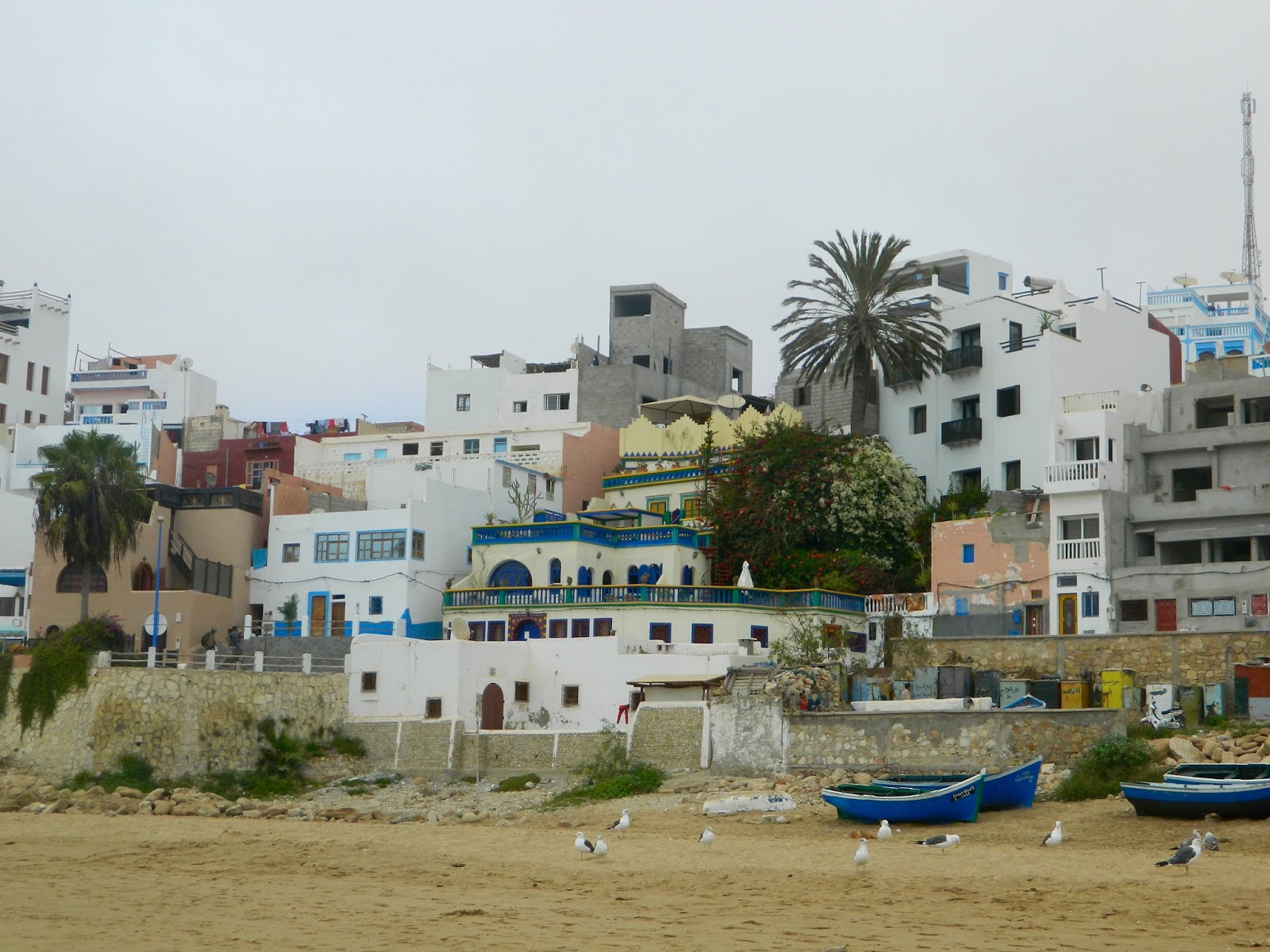
    The air is cool—cold even—after dark. Fog rolls in at dusk and wraps up the boys playing soccer on the beach, the tourists strolling to dinner, the shouts and drumbeats floating in the air.
    Blue tiles everywhere—in bits of mosaic, in staircases. Blue paint, too—on houses, on boats laid out in dozens on the shore.
    A population explosion of cats and dogs. The dogs follow me on my morning run, a pack at my heels—I just hope I’m the alpha. The cats seem determined to ruin my clothes—and my laptop.
    Narrow streets, all leading to the sea, all quite clean, except for that one path that smells like sewage.
    Where are the women?? I wonder. The cafes are full of men. The streets, too. And the beaches. The few women I do see don’t seem like they want to be my friends. The little girls, yes. (That’s true everywhere.)
    Tagine every day. Layers of chicken or fish, potatoes, carrots, spices, olives, citrus—slow-cooked until soft in a clay pot with a conical lid. Fragrant.
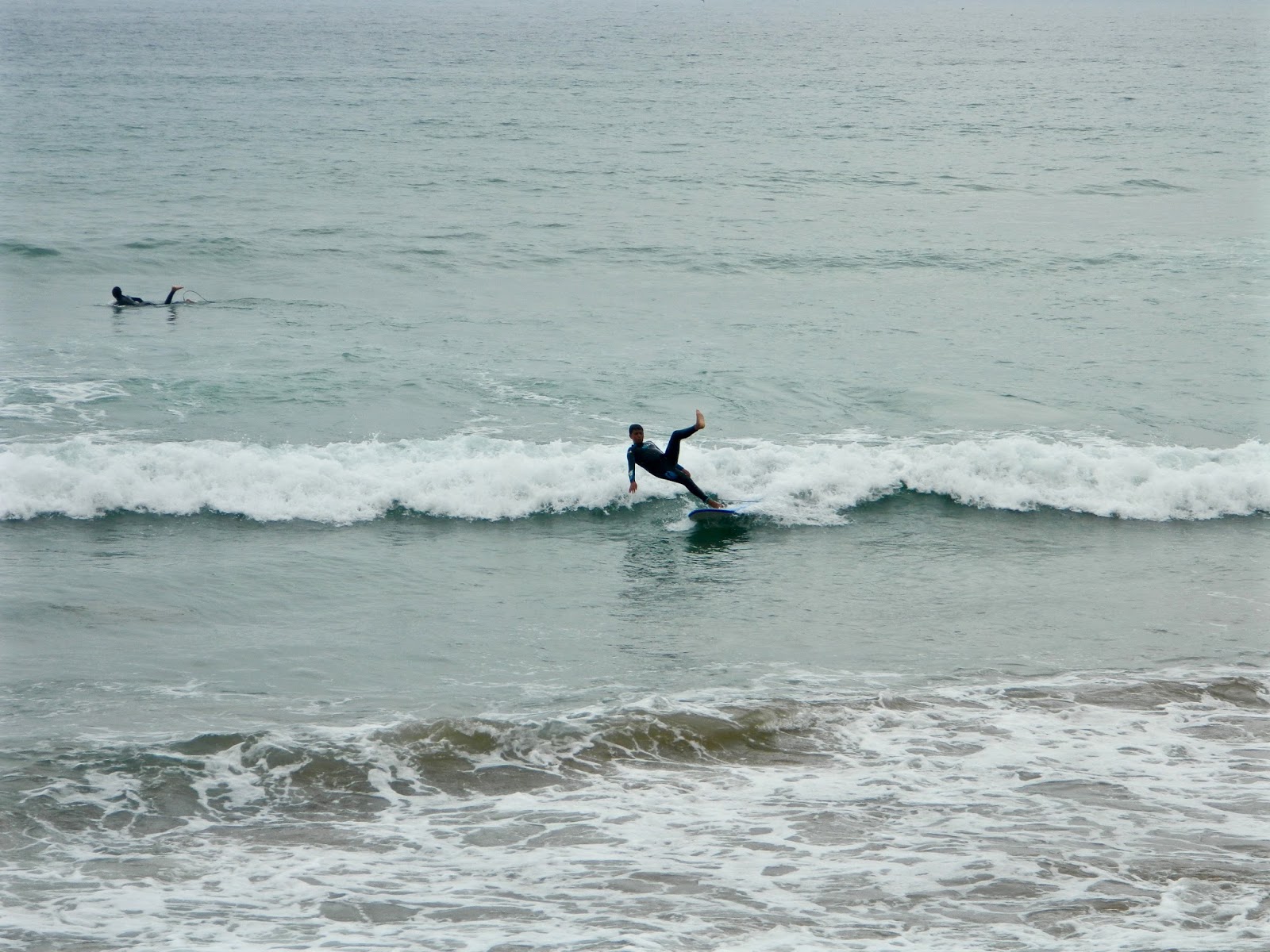
    I’m going to get good at surfing; I’m determined. For now, though, I’m focusing on wiping out. The water is muddied with sand most days. Photographs come out in gradations of blue-brown.

    There is no atm in this town. No bar (welcome to Morocco). Surf hotels, corner shops and small cafes abound, though. Everyone knows everyone, too—and that’s not just an impression, I think it’s really true!

    Every house has a terrace. Every terrace a view of the ocean. Every view meets the sound of waves crashing on shore, and I am content to sit and listen.

    ***


  • The Camino de Santiago in 100 words and 27 Untouched Pictures

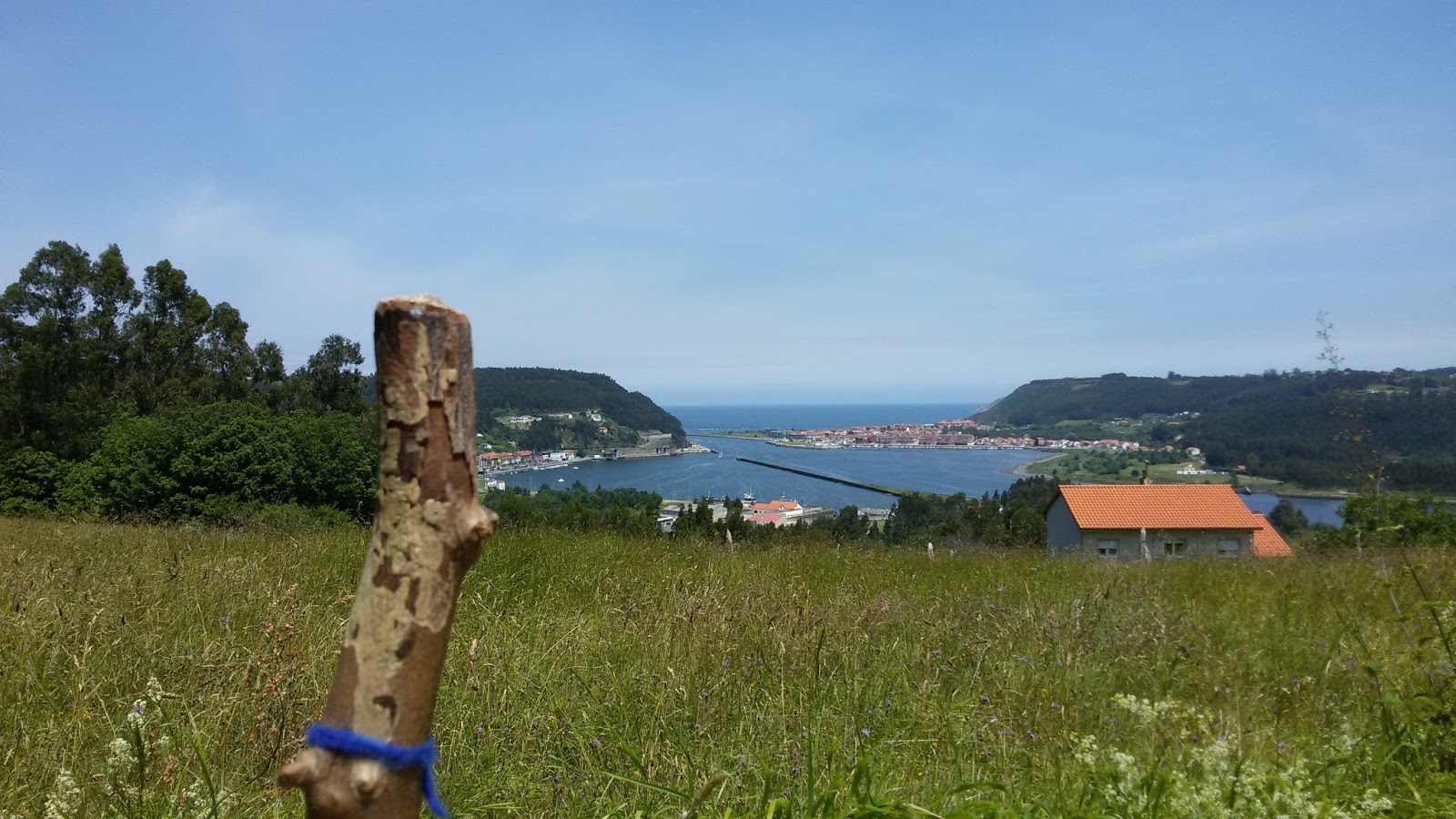
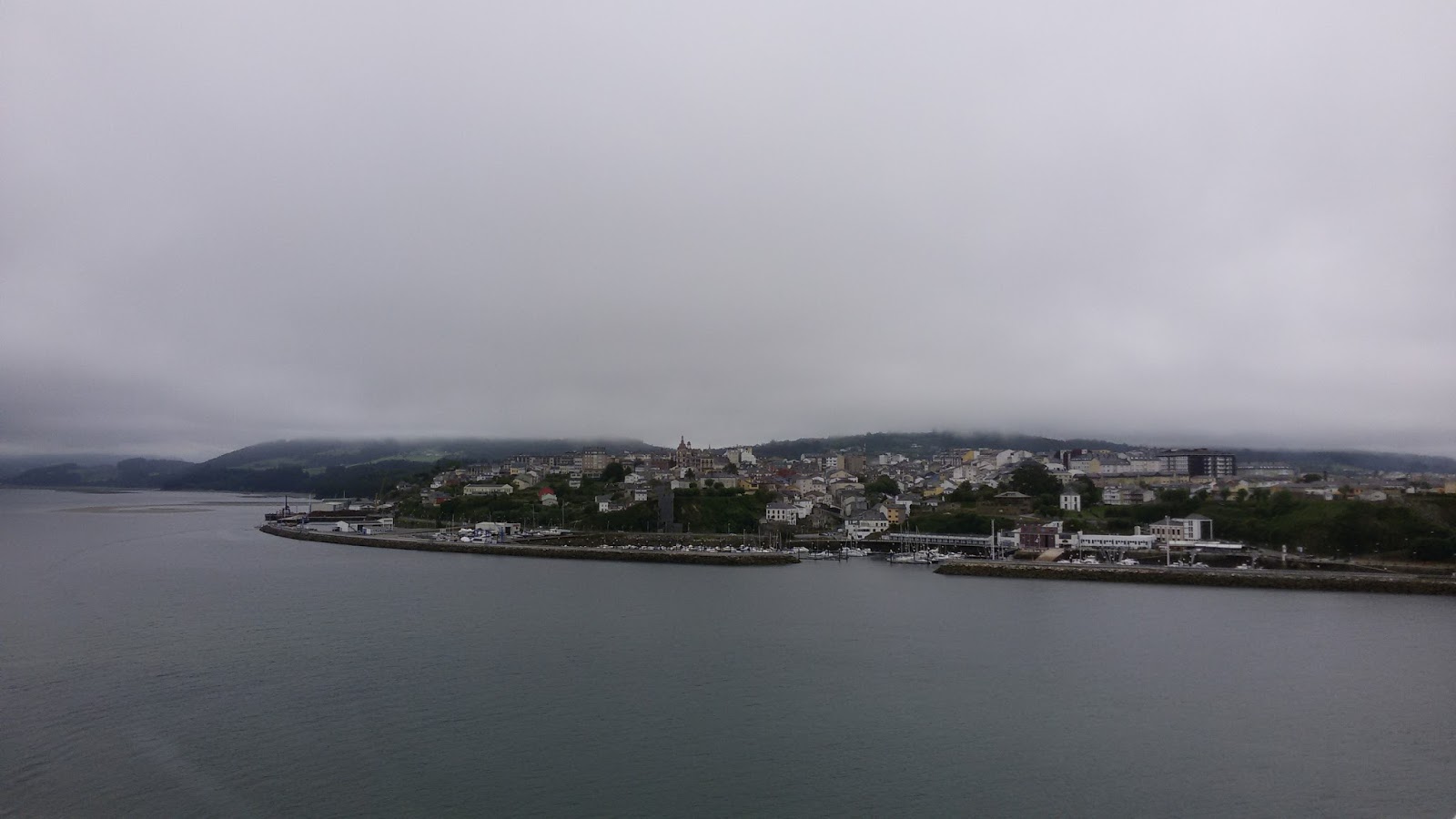
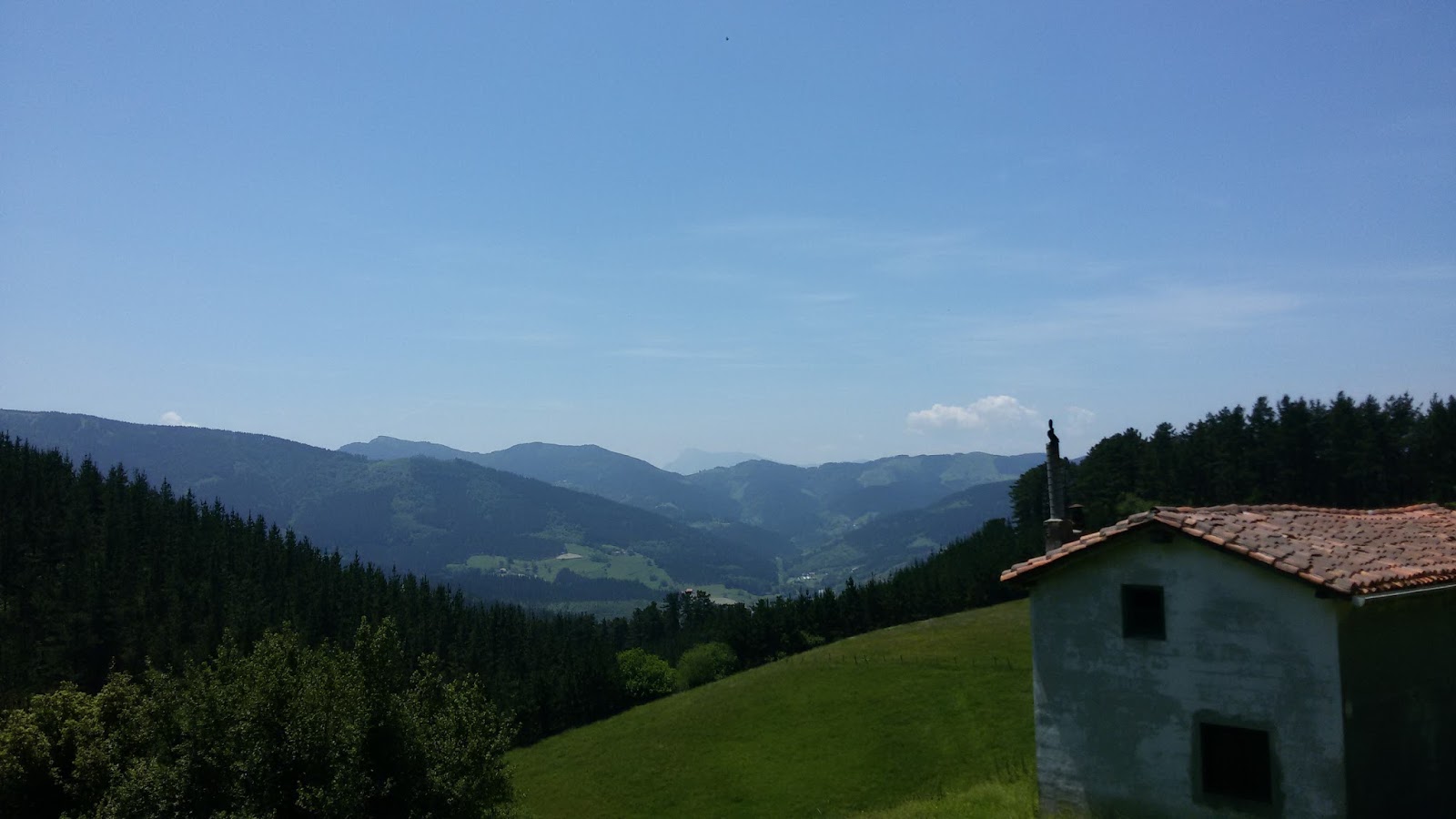
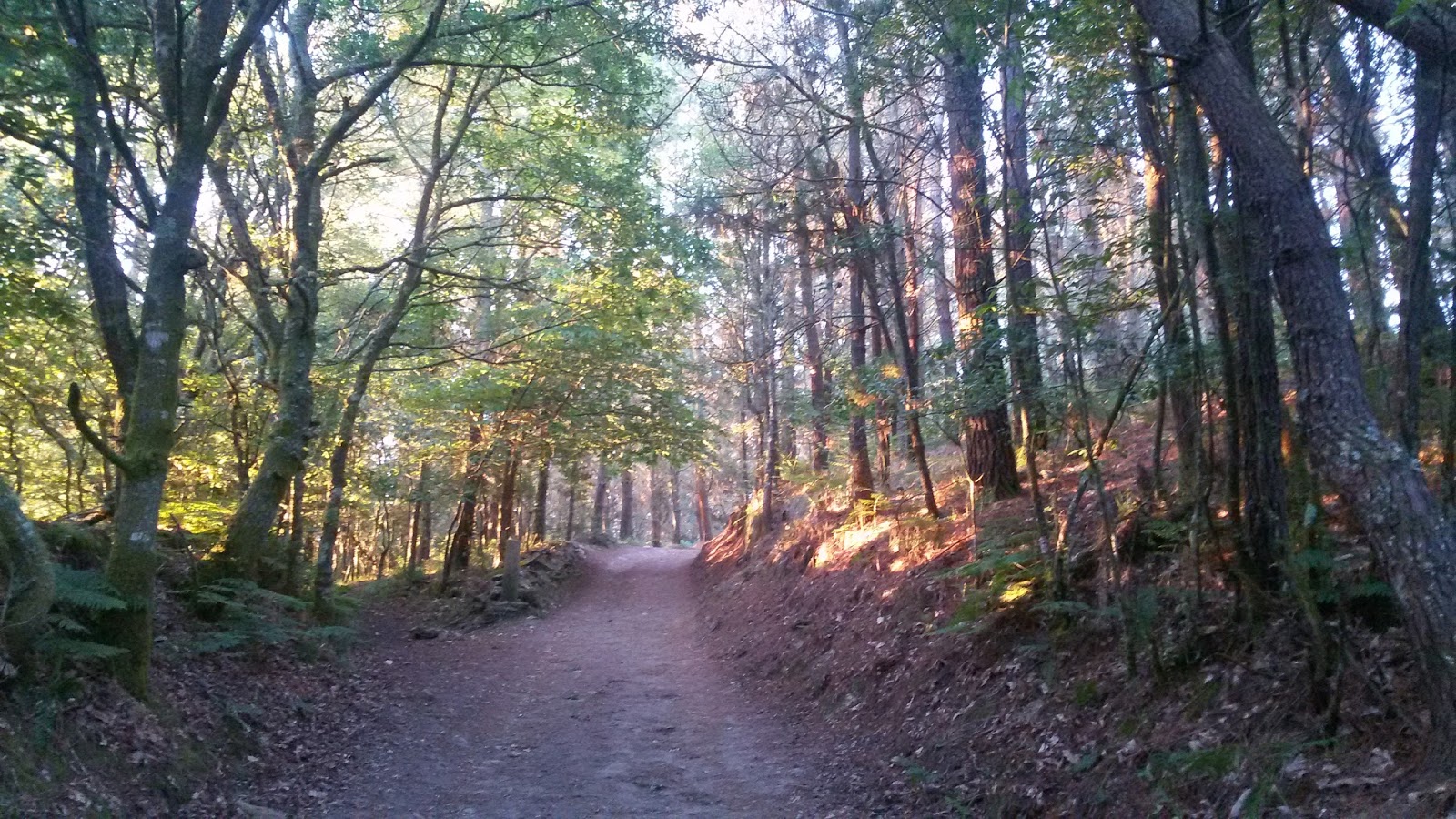
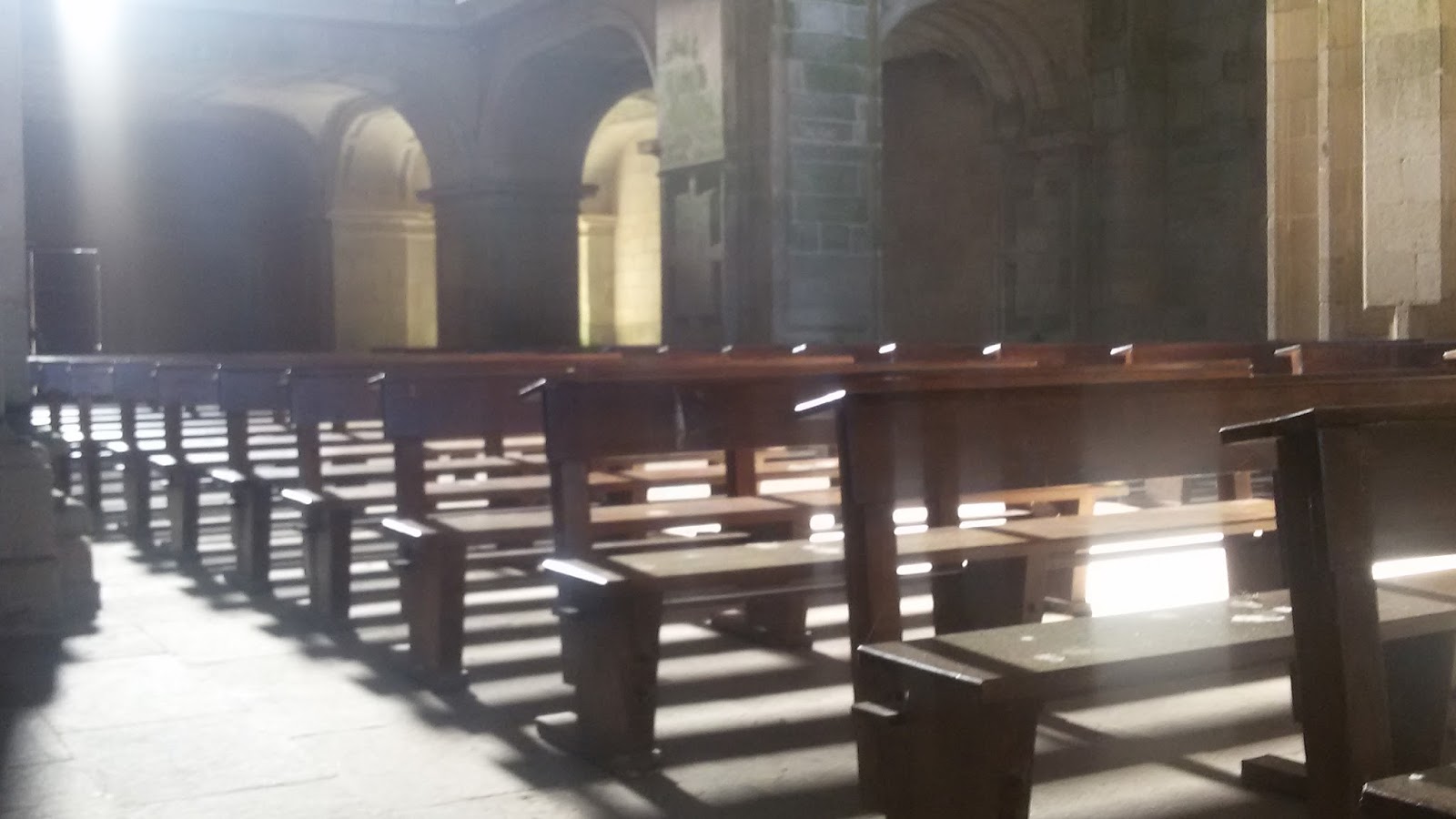
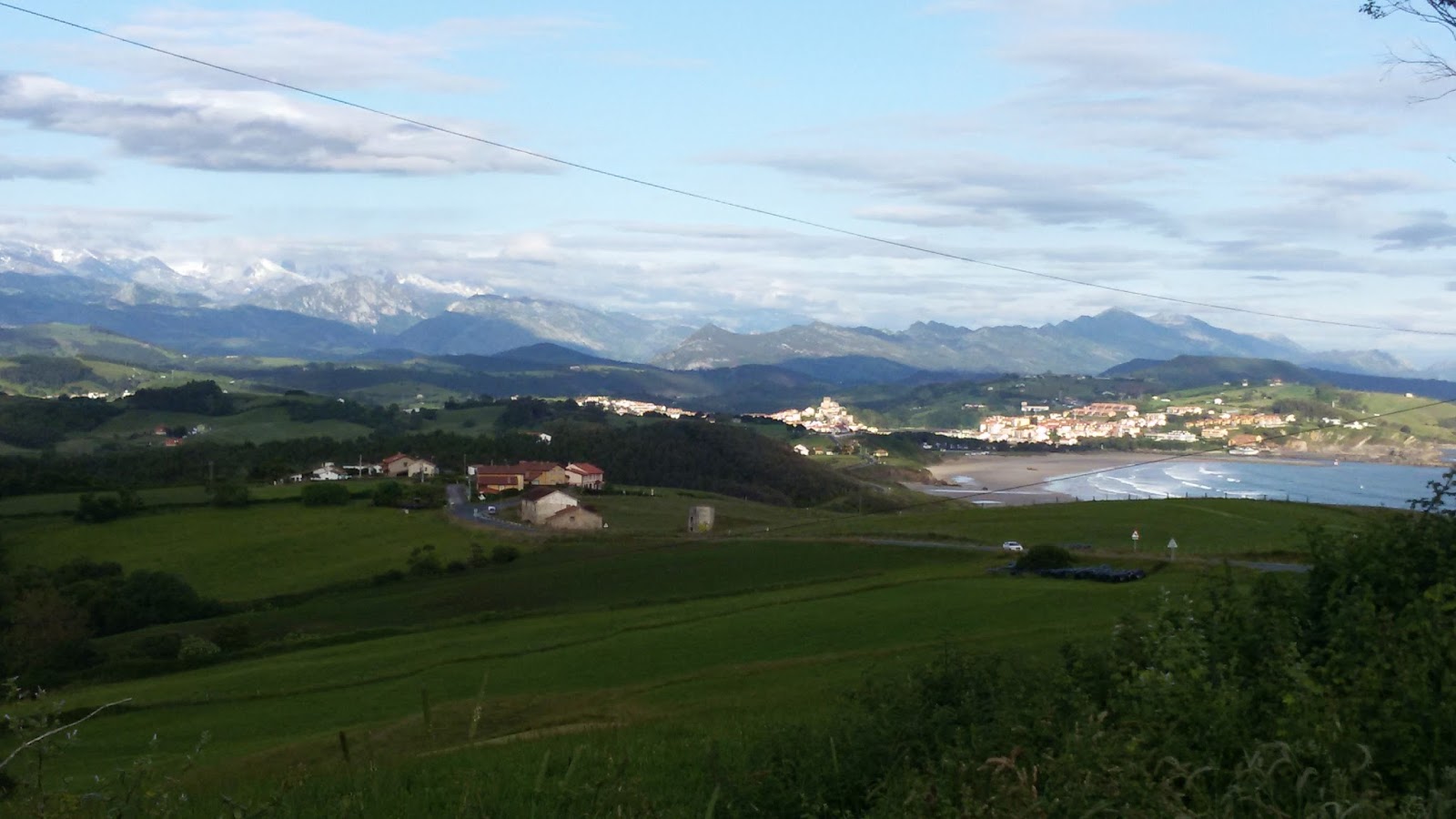
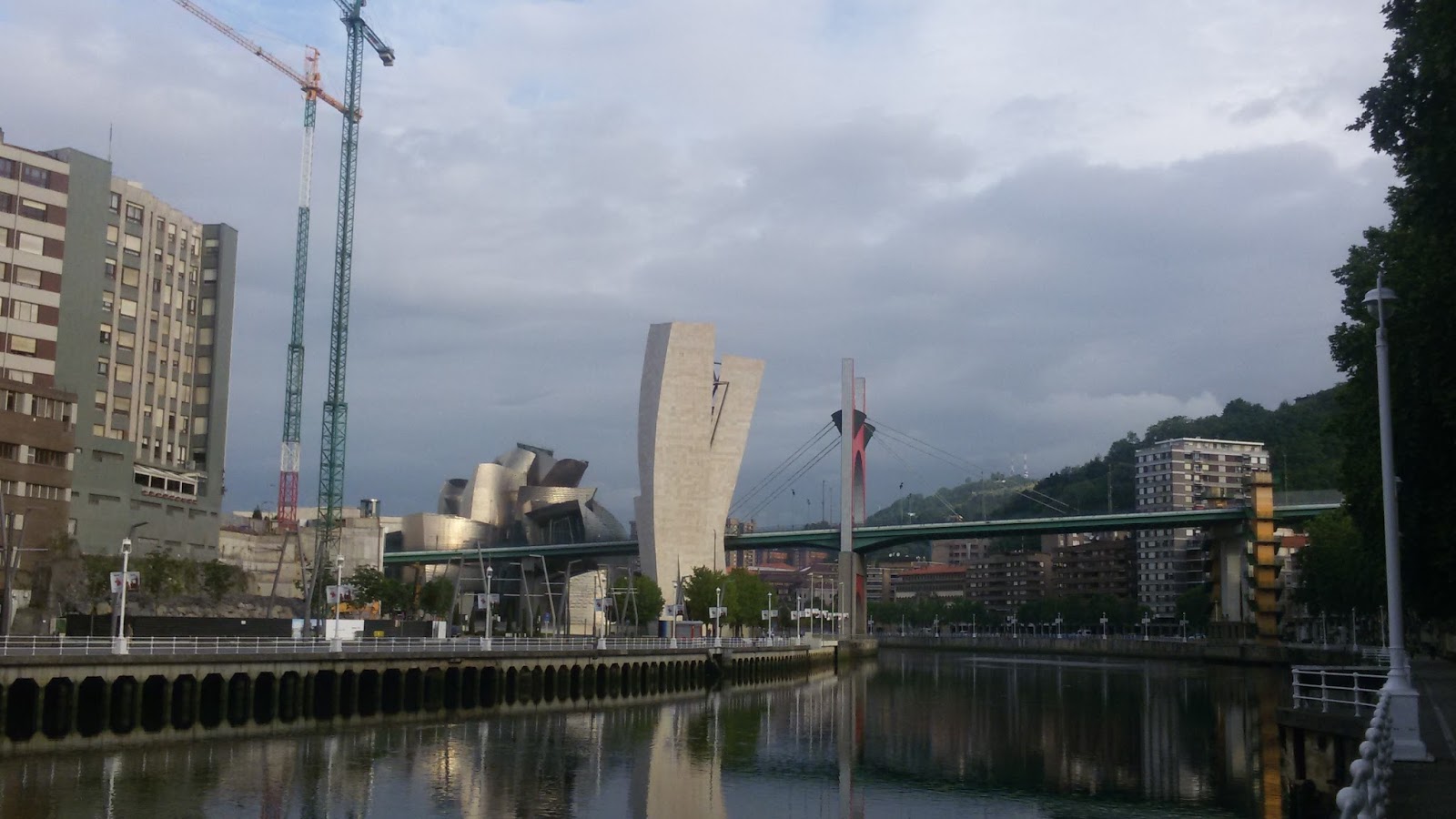
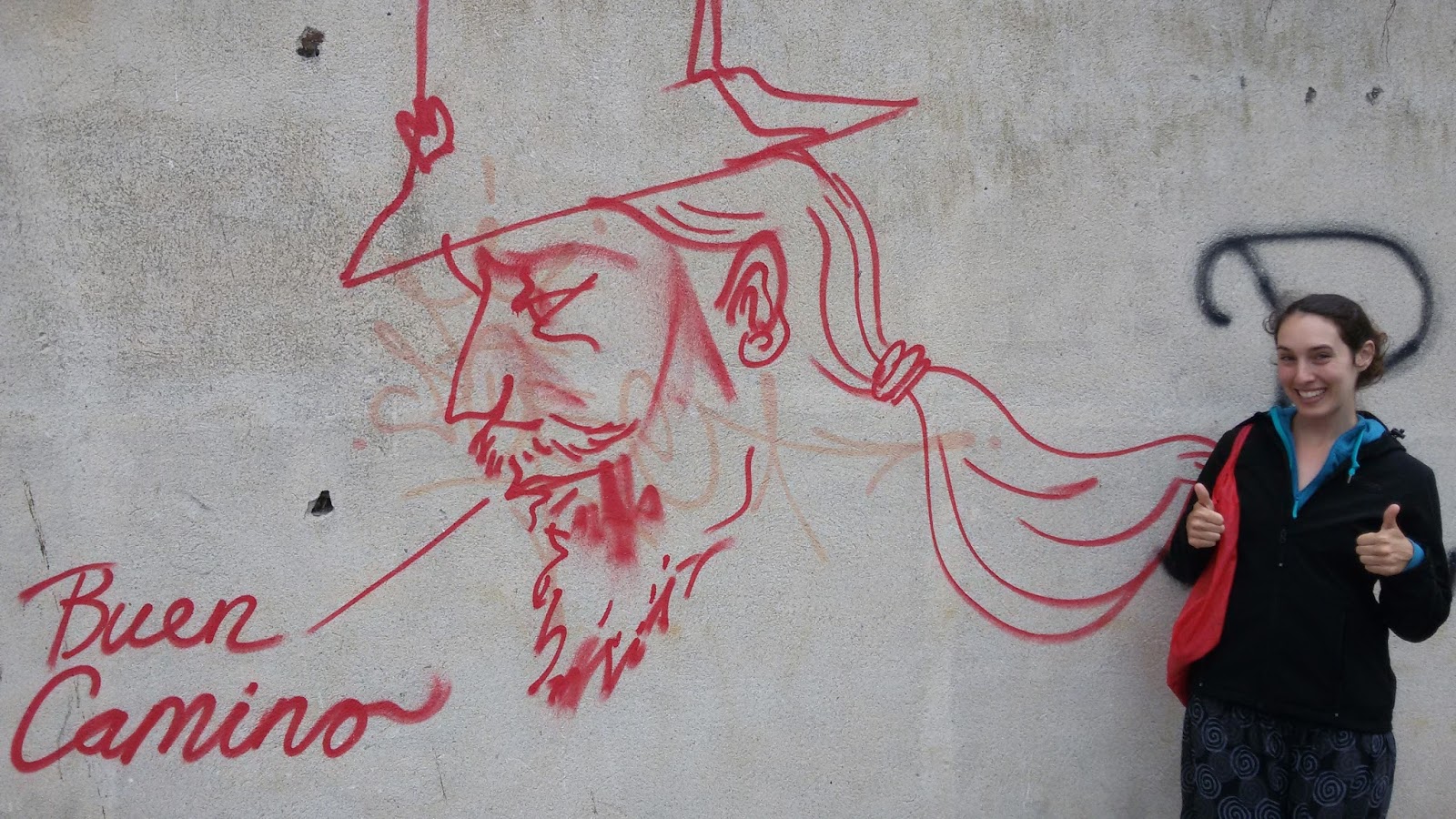
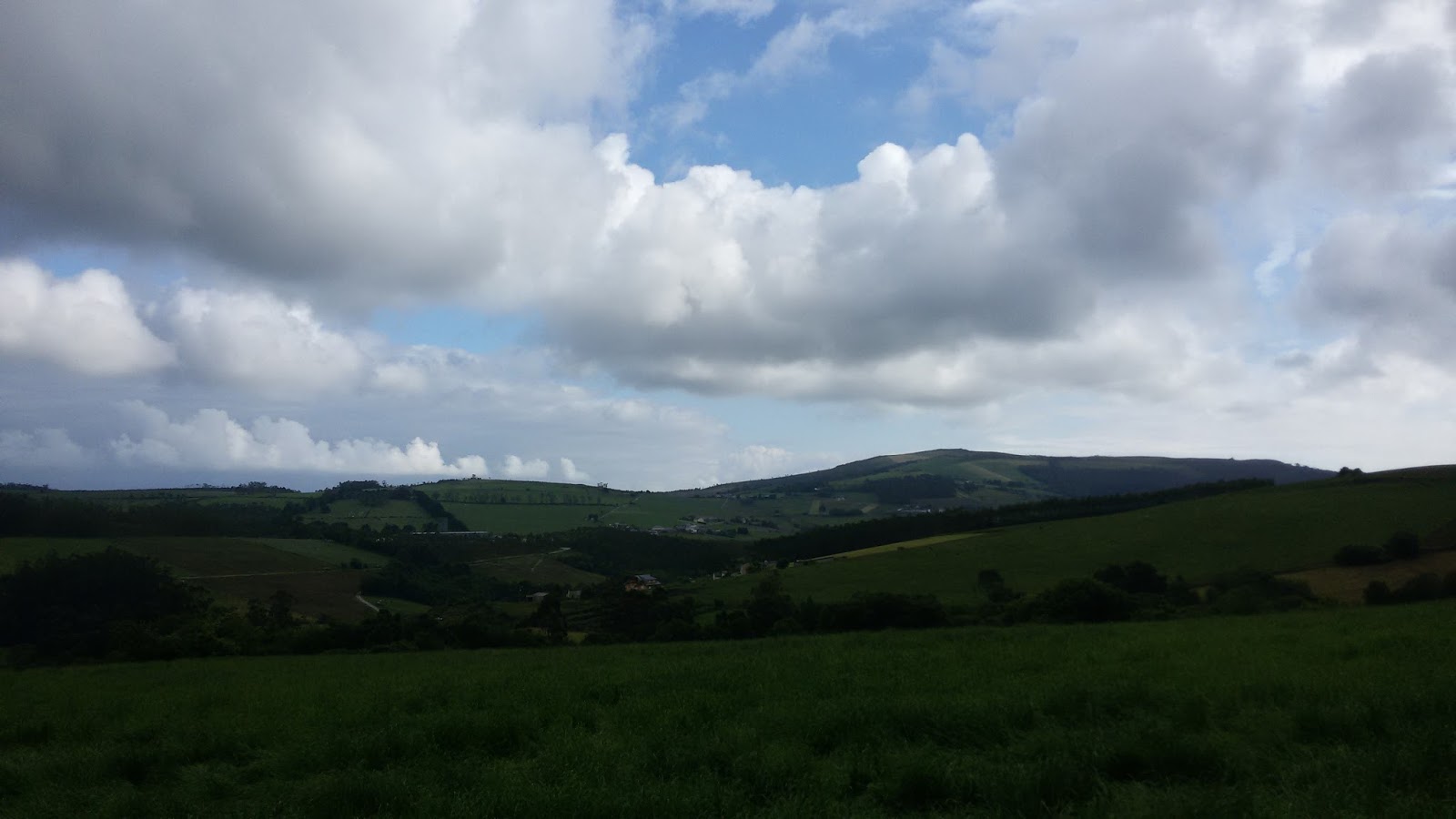
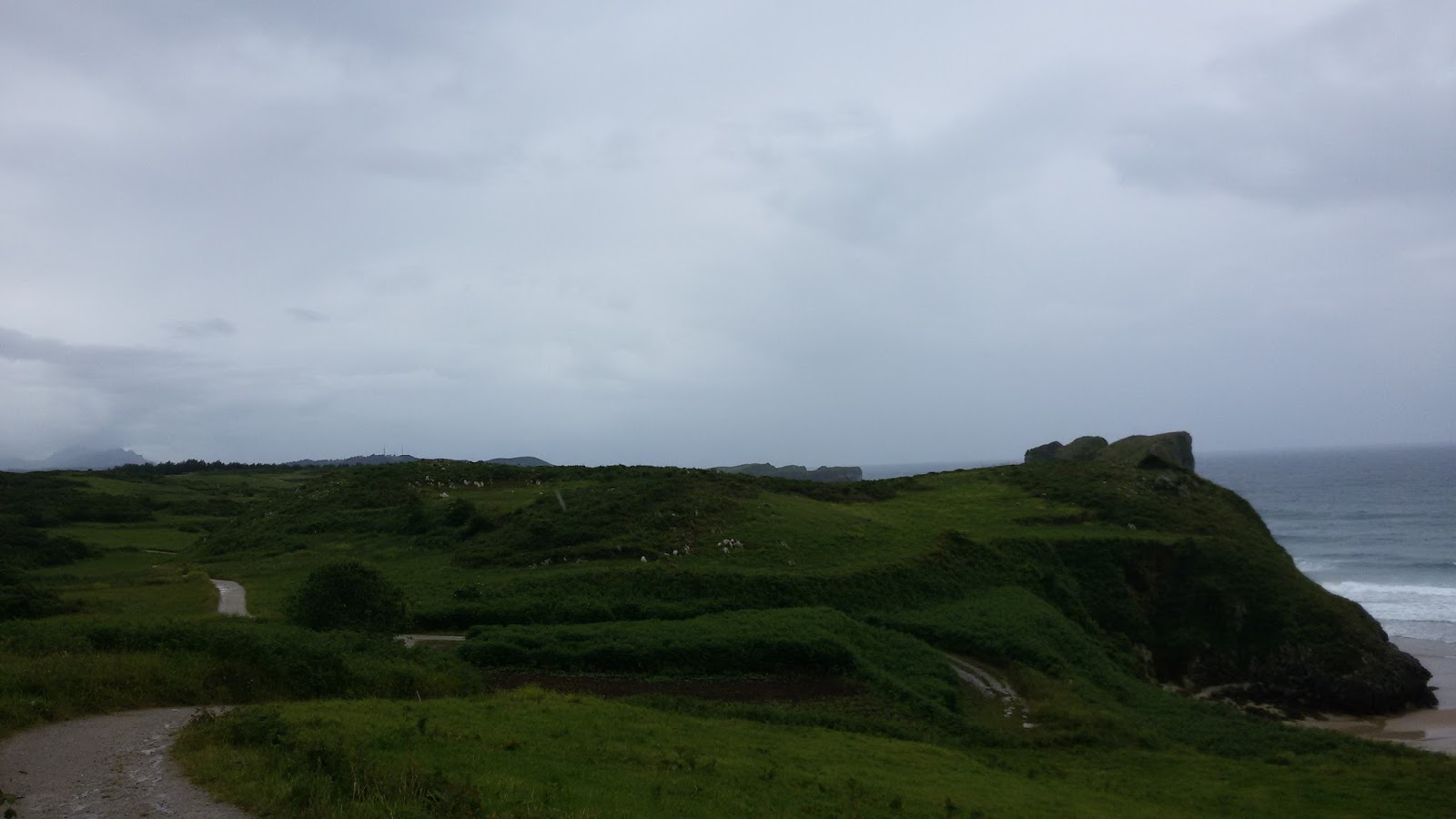
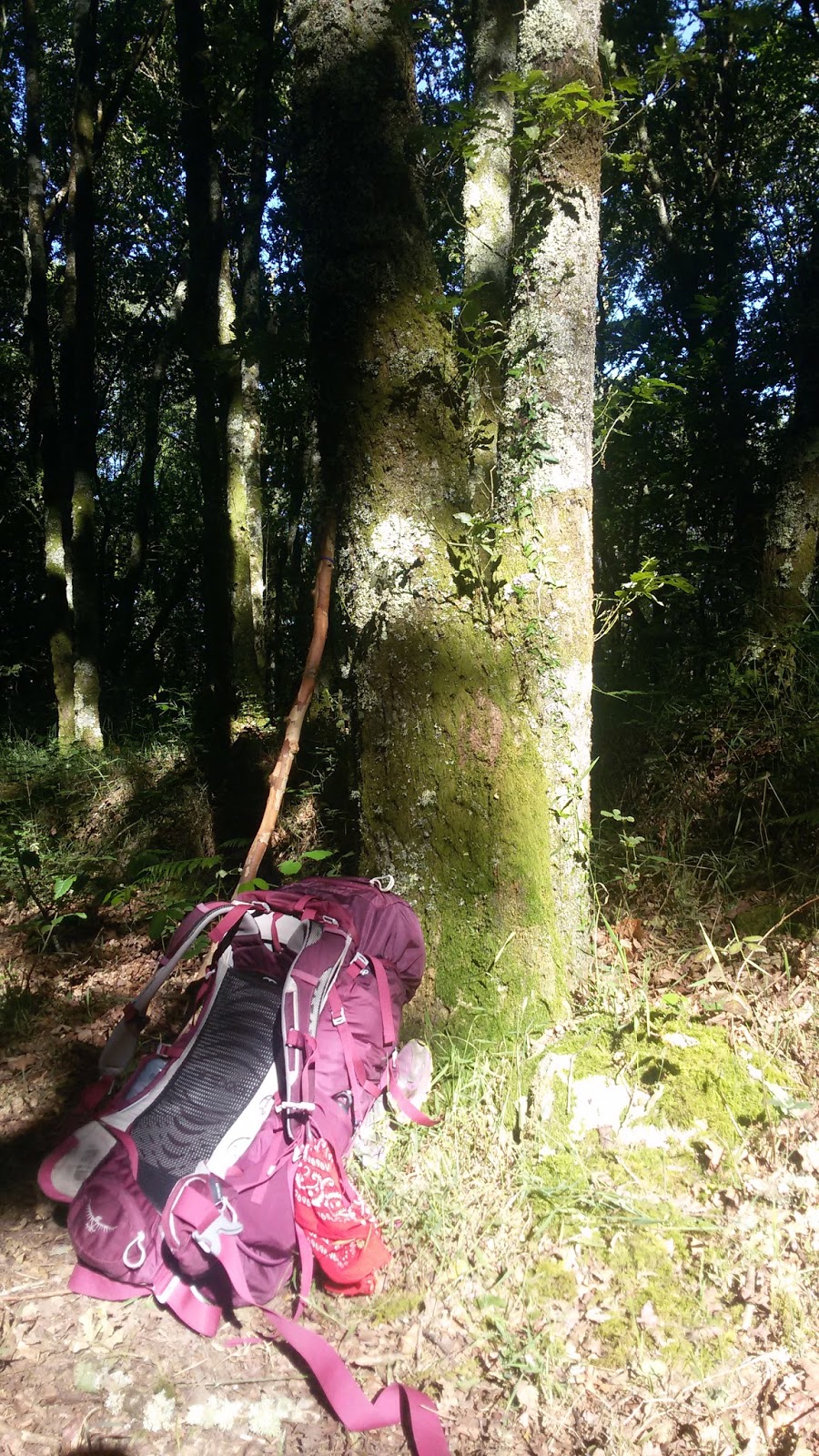
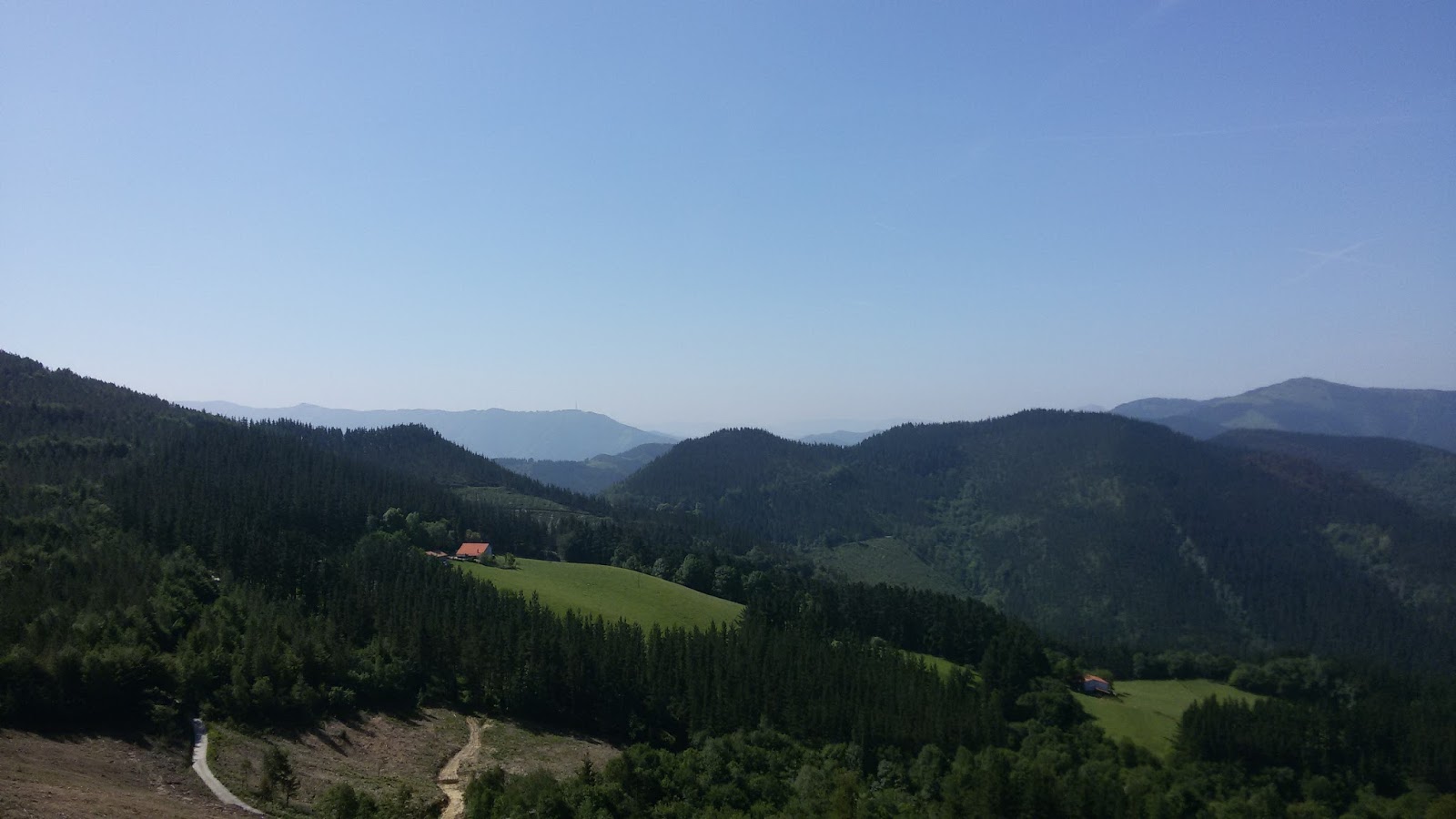
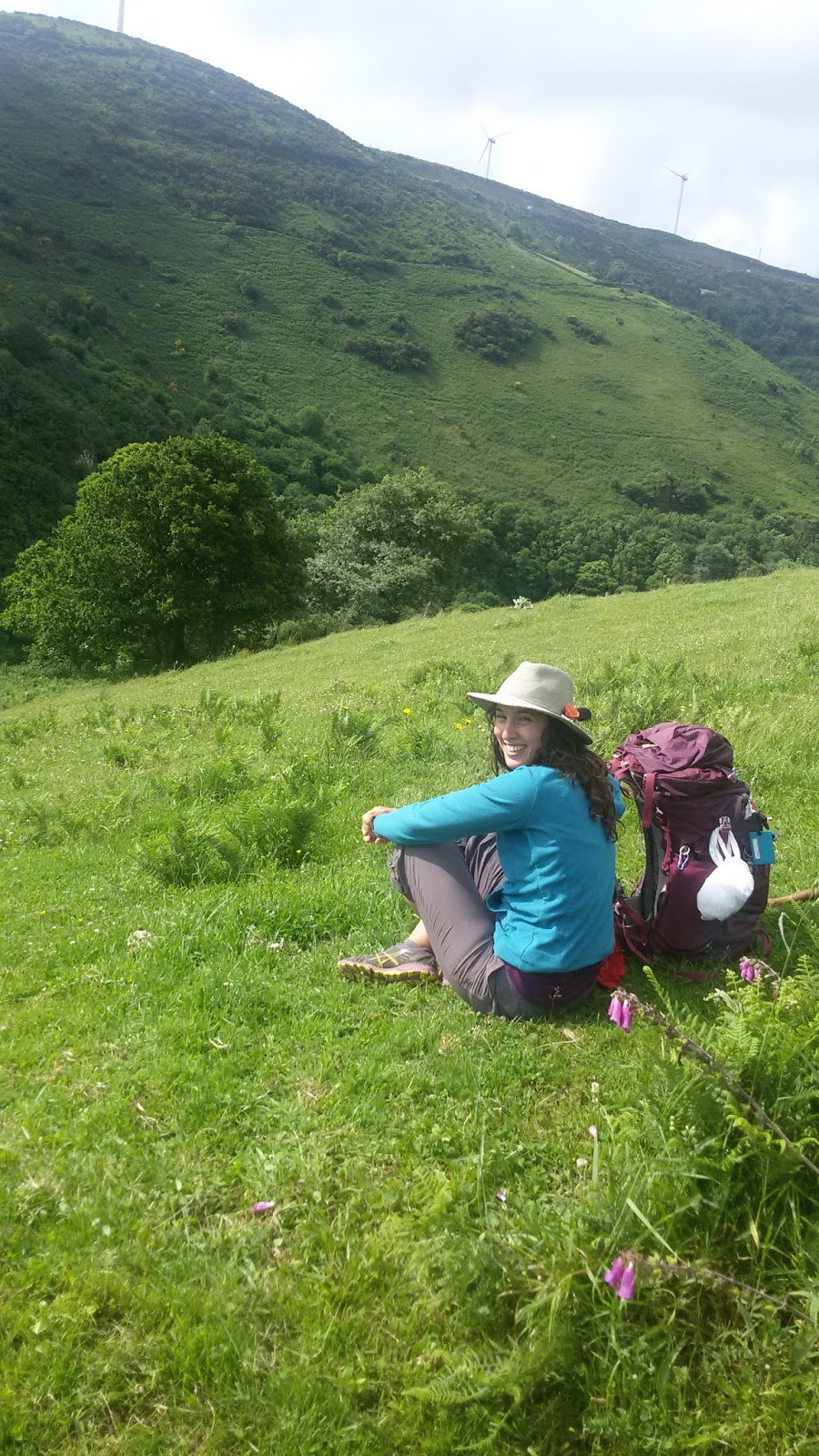
    When I set out for the San Sebastian (my starting point for the Camino del Norte) at the start of June, I decided not to take my camera with me.
    Too heavy. Too much of a burden. Too unnecessary.
    Then came the bright idea to take only one to two (smartphone) photos per day throughout my thirty-day walk. To capture what captured my heart, without being a slave to documenting the journey—that was the idea.
    And I think it worked pretty well. On average, I took two pictures a day—sometimes none, sometimes three—and while the result is not comprehensive, I believe it is in some way representative of those days.
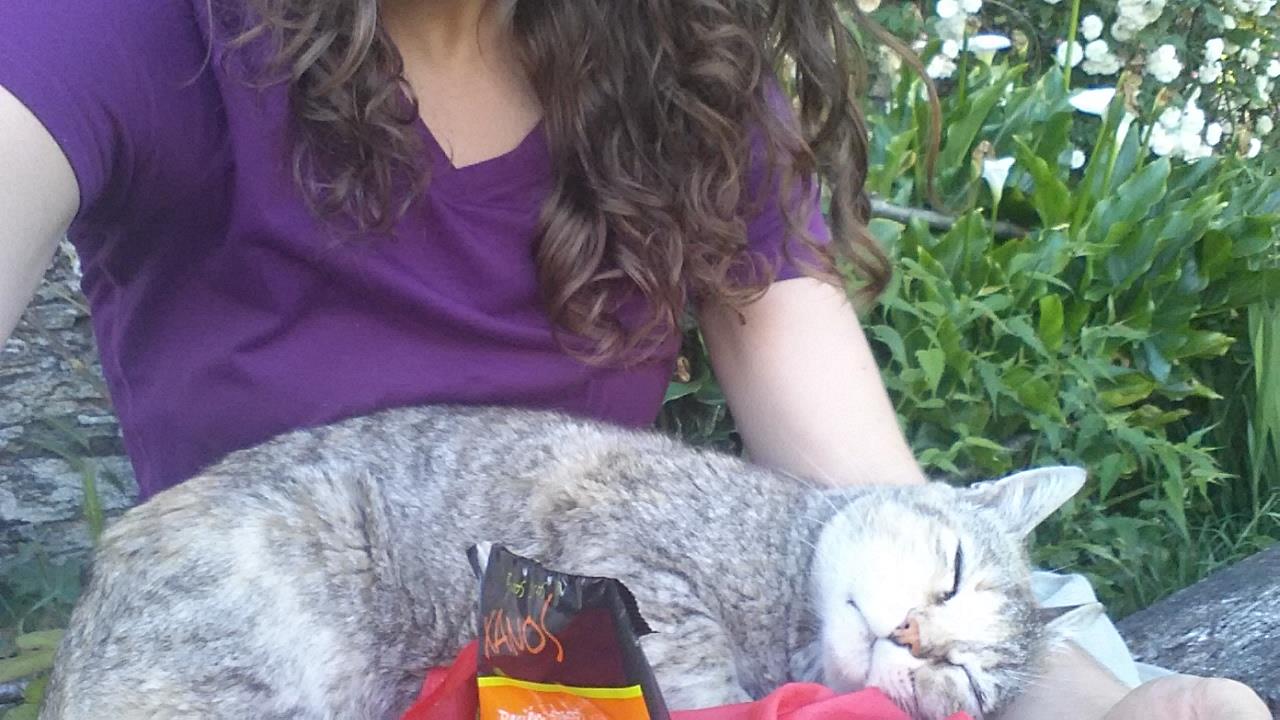
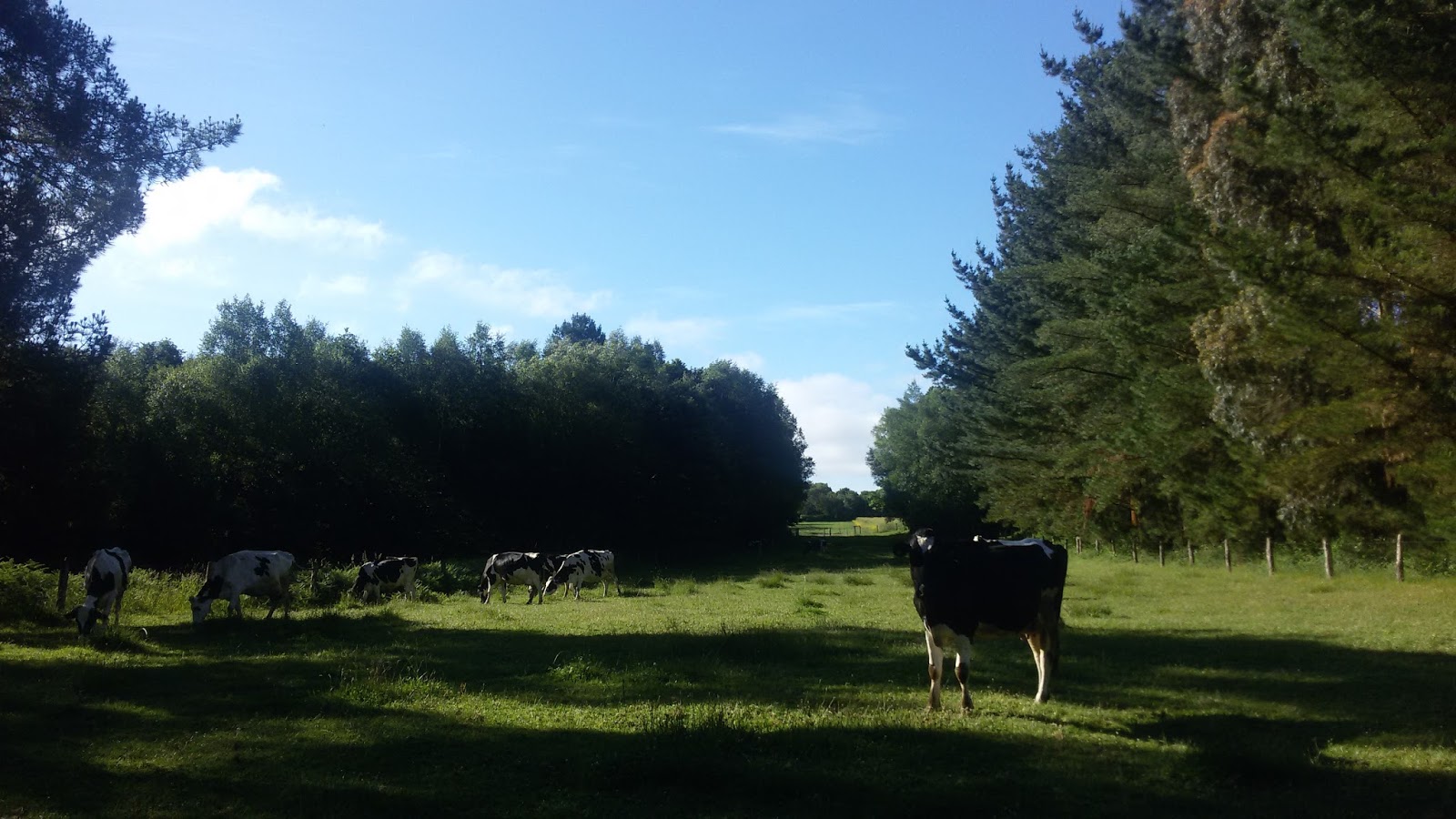
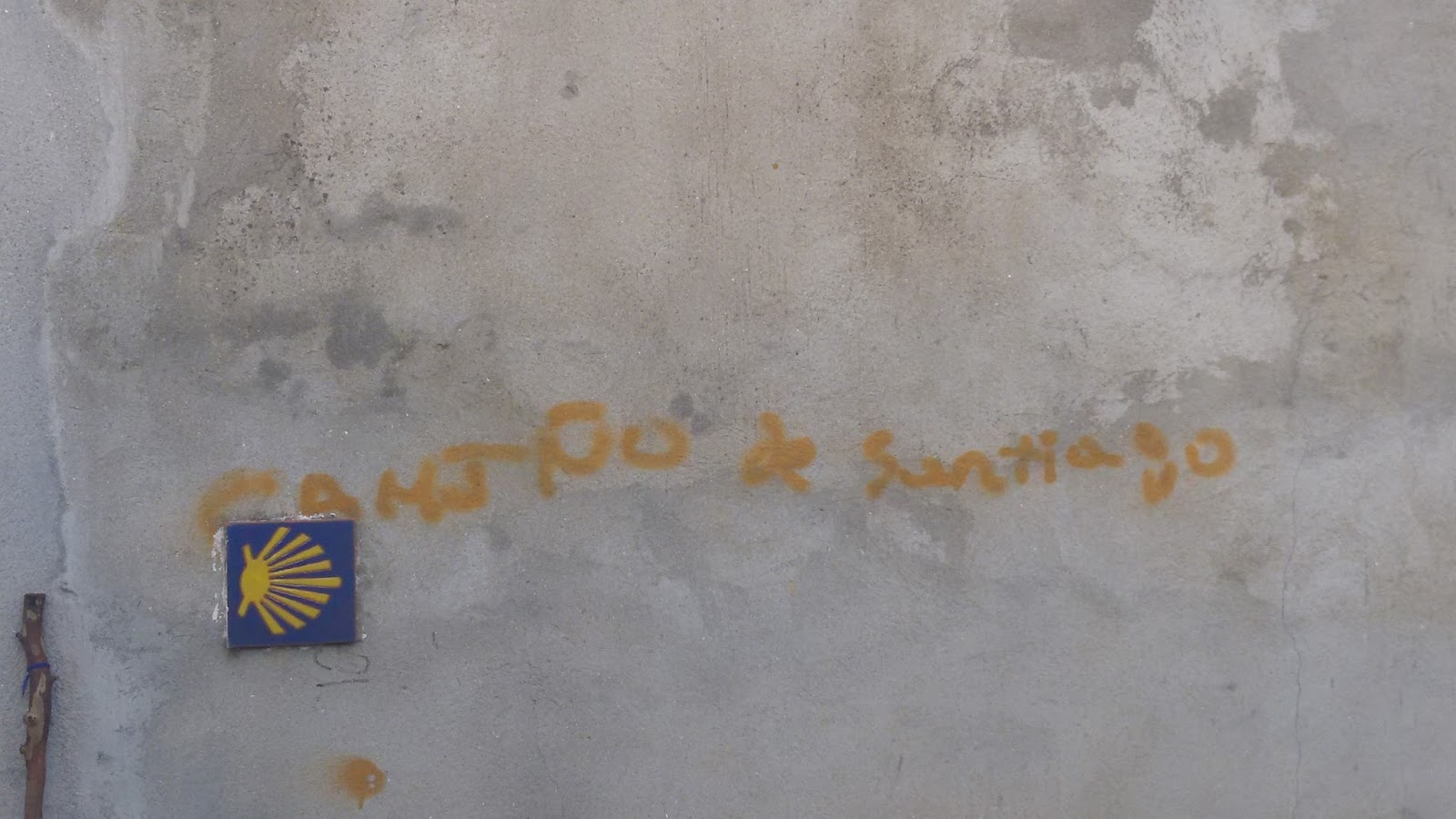
    I have selected twenty-seven of those sixty photos and paired them with lines from a brief stream of consciousness I wrote one day to summarize the experience of walking the Camino. The collection below is not chronological, and it isn’t complete, but I think it is more true than a complete, chronological photo diary could ever be.

    ***
    Walking. 
    Walking in mud, in rain, 
    in grass; 
    on gravel, asphalt, 
    bridges stone, wood, paved; 
    at first light, 
    at last light, 
    under clear skies 
    and into fading sunsets.
    Waking beneath stars in freezing meadows, 
    waking in a village whose name already evades recollection.
    Glossy maps,  
    cafe chairs, 
    Spanish words that somehow make sense.
    Bare feet,
    dirty feet, 
    tired and sore feet.
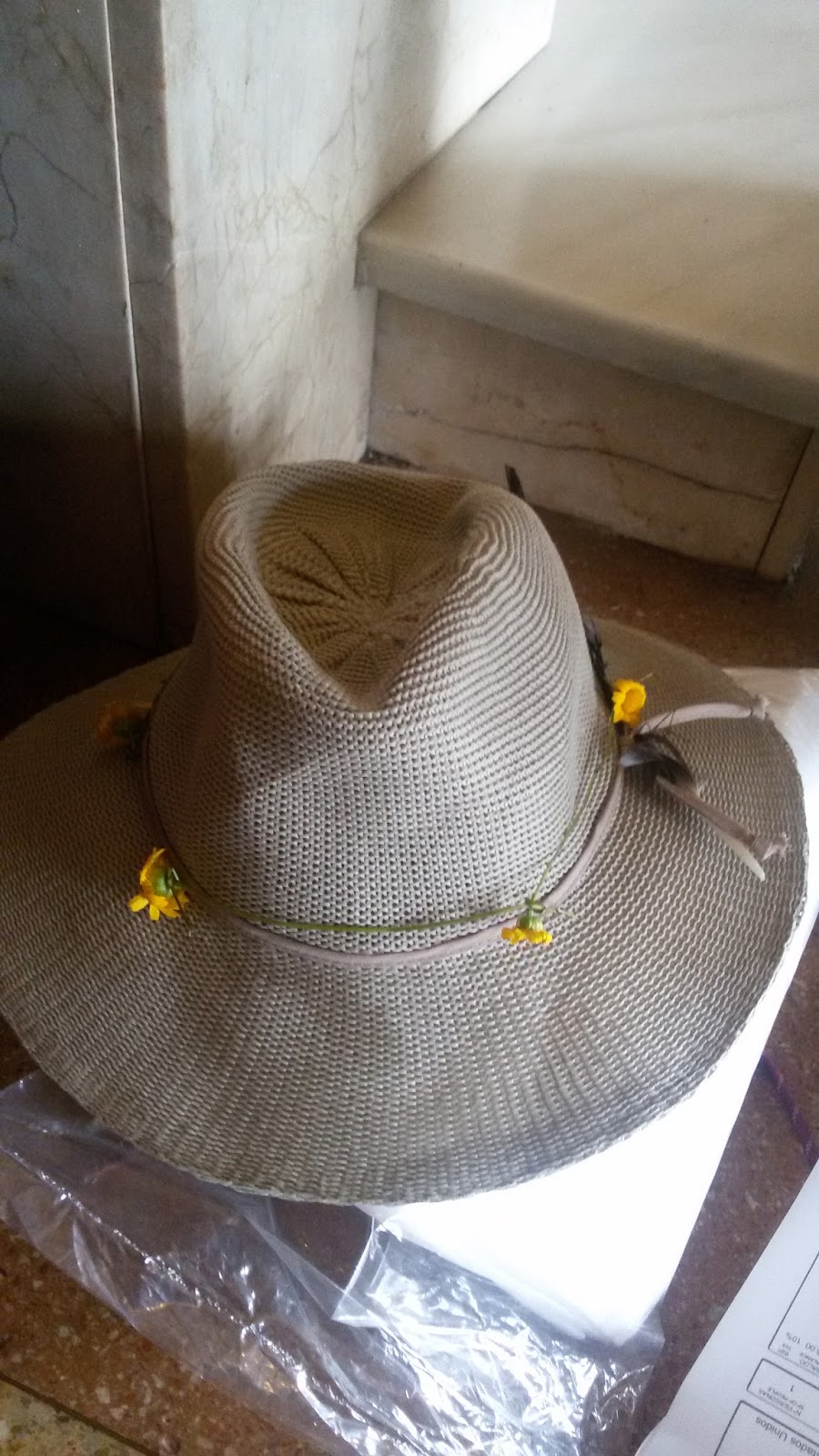
    The same hat every day, always a different flower in it.
    Yellow arrows, yellow arrows, yellow arrows.
    The path ahead. 
    Sleep that comes without invitation. 
    Absence of thought.
    Peace of 
    single-minded activity. 
    Never boring. 
    Seashells. 
    The way forward. 
    Yellow arrows.

    ***

    The Camino in Short: 

    Walking. Walking in mud, in rain, in grass; on gravel, asphalt, bridges stone, wood, paved; at first light, at last light, under clear skies and into fading sunsets. Waking beneath stars in freezing meadows, waking in a village whose name already evades recollection. Glossy maps, plastic cafe chairs, Spanish words that somehow make sense. Bare feet, dirty feet, tired and sore feet. The same hat every day, always a different flower in it. Yellow arrows, yellow arrows, yellow arrows. The path ahead. Sleep that comes without invitation. Absence of thought. Peace. Single-minded activity. Never boring. Seashells. The way forward. Yellow arrows.

    ***

    About

  • Cape Town Snapshots

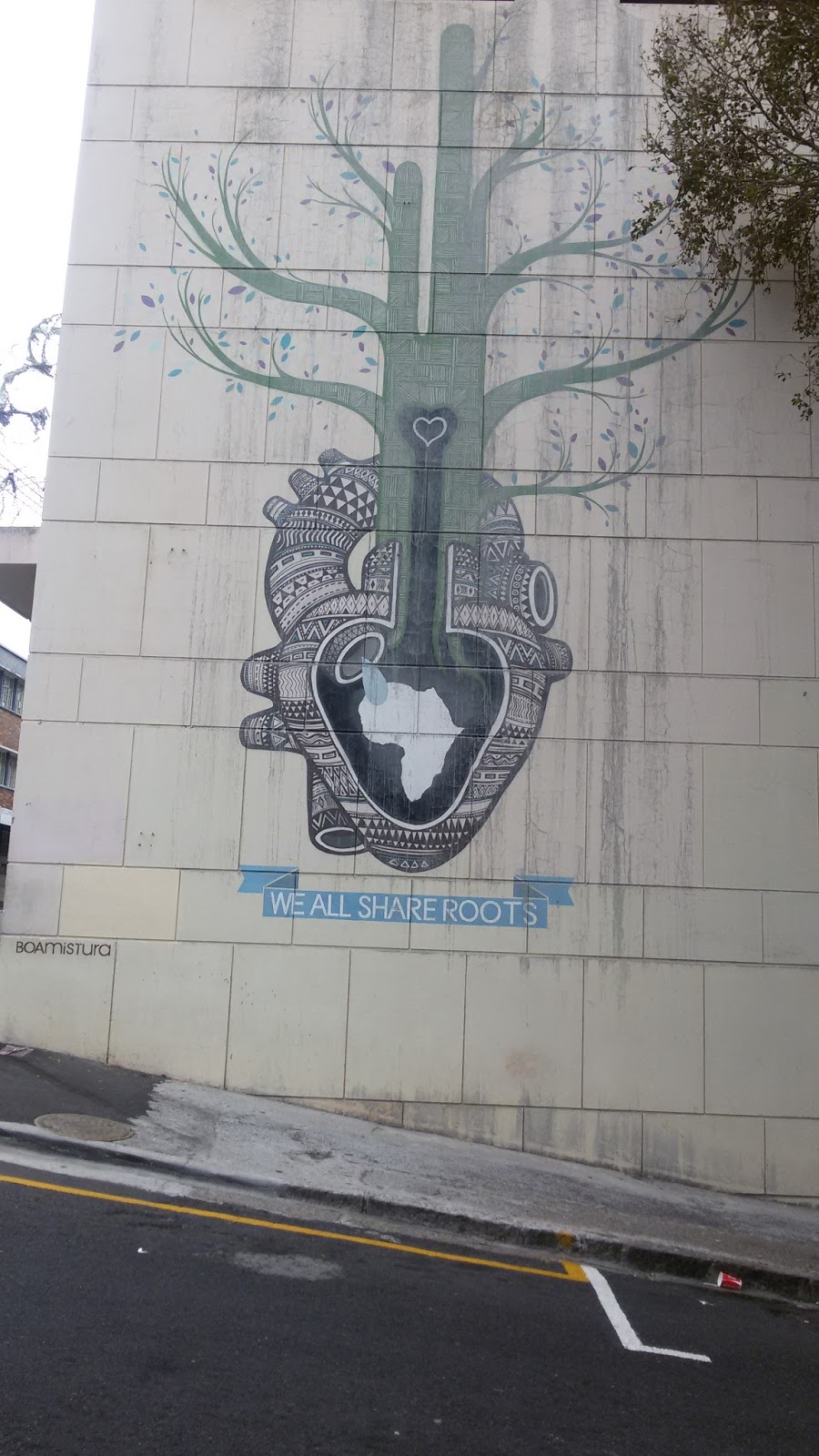
    Street art near Assembly, Cape Town.

    Are these snapshots I share so often an exercise in lassitude or creativity?

    I’ll admit I write them when I can’t think of a full article I want to lay out. At the same time, I think they might capture more of life in fewer words than any other format. I hope they serve to inspire your imaginations and whet your appetite to form your own snapshot memories of these places.

    Cape Town Snapshots:

    ***

    Two long-legged, long-necked birds cross the road near the Civic Center. One, then the other. Each looks both ways, takes a few steps, stops, looks, and steps again. Traffic flows around them. Their mother must have taught them about looking both ways.

    ***

    The wet sand along Long Beach, Kommetjie reflects the mountains in the early morning light. My friend’s golden retriever, a streak of ocher against shads of blue, plays in the surf.

    ***

    Saucer-eyed children materialize around the outdoor table off Long Street where my friend and I have just begun to eat our vegan lasagna and salad. Plant, the restaurant is called. The danger of sitting outside to eat in Cape Town: the reality of the city is on the same side of the window as you.

    ***

    The white-haired sales clerk at the Simon’s Town boutique is more interested in conversation than sales. “Nobody really needs any of this,” she confesses, “but sometimes you just have to buy something nice for yourself!” She laughs. When she hears my friend speaking in Afrikaans on the phone she says excitedly in her high, soft voice, “You have an Afrikaans friend! She’ll be your friend for life.” We all smile.

    ***

    Heaps of fresh fruit in every supermarket. Most (or all) of it grown here. Mangos, avocados and pomegranates, oranges, peaches and nectarines, papaya, apples, plums and grapes. I am spoiled for choice, wish I could buy some of everything, but know I couldn’t possibly eat it all fast enough. Choose just one or two each time I buy my groceries.

    ***
    We teach the students, all in their last years of high school, how to copy and paste, type in urls on a browser and do basic formatting in Word. I am helping my friend with the class he volunteer teaches on Monday afternoons in Masiphumelele, a township near Kommetjie. I never thought I had any computer skills to speak of—I realize I was wrong.
    ***

    The train to the coastal area south of Cape Town emits a banshee screech each time it heaves to a stop. Pick a compartment with lots of people, and don’t carry valuables, I was advised. The train is full of everyday commuters and seems mundane and secure, but I’ve heard the stories and I know looks can be deceiving.

    ***

    A cross between a motorcycle bar and a hipster cafe (my friend’s words, not mine) of my favorite cafes in Cape Town serves the best coffee and a morning’s worth of decorations to occupy the unhurried observer. No mirrors. In the bathroom, only a bare, framed cement square with black painted letters spelling, “You Are Fucking Amazing.”

    ***
    Thick fog rolls down over Table Mountain as the sun drops and the air chills. The “tablecloth,” this misty white blanket is called. It covers and reveals, slowly, silently. The city hides and reveals, slowly, silently. Every day a new facet. Every day a new mystery.

    View of False Bay from the southbound train.
    [Penguins and beaches—lots of pictures on the way, just as soon as I get them onto my computer!]
  • One Reason I Am in Love with Cape Town

    South Africa—Cape Town included—is a complicated place. 

    It is complex, fraught with tension and not particularly safe. It is fascinating, for this half-anthropologist, half-writer (and 100% curious human being), and it is sad. Cape Town, specifically, is diverse, vibrant, disjointed, anachronistic, cosmopolitan, wild, chilled, cohesive and embattled, all at once.
    It is the kind of city you fall in love with.
    But you could take all that away, and I would still love Cape Town for the simple fact that this natural beauty
    is everywhere.

    Mountains. Lakes. Oceans. Rivers.
    Sparkling cobalt water,
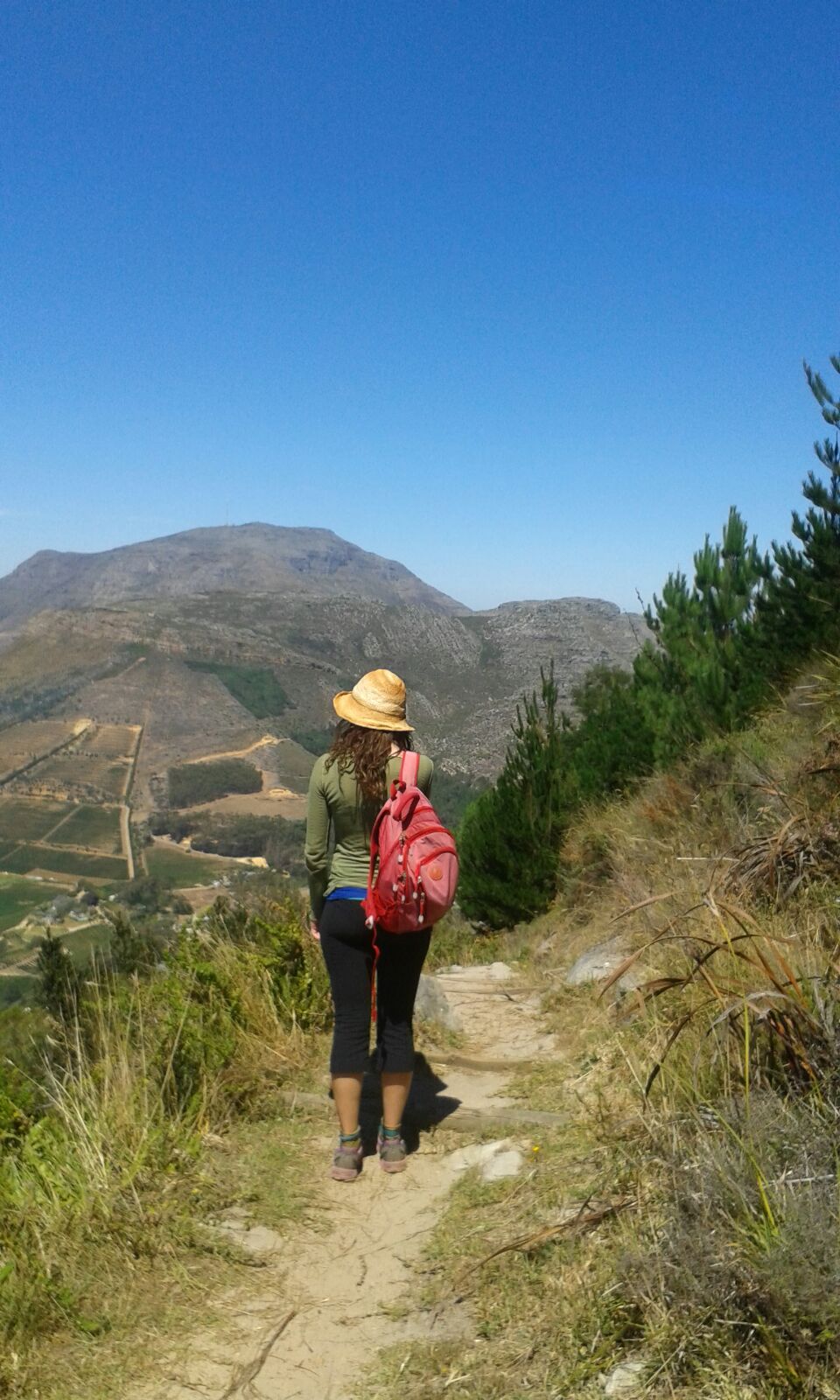
    An ecosystem like nowhere else in the world, and more hikes than I could possibly cover in 3 months of weekends,
    All literally within the city.
    No adjectives could do these mountains justice, but they are enough to steal your heart.
    ***

  • Helsinki Snapshots


    Monday, 11 January 2016
    It is 2:30 pm, and the sky already seems to be getting dark as I make my way to the Helsinki airport… in a taxi (gasp! I know! But my tennis shoes and single layer of pants just aren’t going to make it to the bus stop in this -20º C weather). 
    Somehow I have managed to visit this city three times over the past several months, for a total of six or seven weeks, and it’s about time I shared some snapshots of life here. What I lack in photos (I’ve taken very few) I’ll try to make up for with riveting description…
    The in-between bingo sets show… it’s pretty much what it looks like.
    Sunday nights find me at Mascot cafe with my friend Ella (and her friends) for bingo. A young, rambunctious crowd plays for free drink vouchers and the satisfaction of winning. They sing along with the flamboyant host (an out-of-costume drag queen who hardly looks his 40 years) for certain numbers—“I am 16 going on 17…” “when I’m 64…”—and cheer loudly whenever a player gets Bingo! I begin to get a solid grasp on Finnish numbers just in time to leave.
    Two locals sitting outside the fray stop me this week on my way to the door to ask what’s happening. But isn’t bingo just for old people? They say. Sometimes not, apparently! It is always when I can tell a local something they didn’t know about their own city that I begin to feel I have really settled in.
    Mascot, a down-to-earth bar with a lobby plastered with graffiti-letter posters advertising underground events, also plays host to Helsinki’s first spoken word festival, among other things.

    German Sparkle Party capture (not mine).
    My friend’s house in Käpylä, where I am very kindly welcomed as a long-term guest (maybe there is no Finnish saying about houseguests and fish…) is green. Snow covers the front lawn; when I first arrived it was autumn leaves and apples instead. Seven unique individuals coexist there with surprising harmony, and instantly make me feel at home. We practice jiujitsu on the tatami mats in the attic (later we will move the mats to make room for a massive “German Sparkle Party” (warning, click at your own risk) complete with mojito bar and black light dance floor.) and we play pinball on a vintage machine in the living room while sipping Salmiakki (licorice liqueur). In proper Finnish fashion, I become thoroughly addicted to the sauna in the basement. I learn that if you add a splash of beer to the ladle of water before tossing said water onto the hot stones, it makes a delightful smell (really). 
    Elephant journal HQ, Helsinki—my coworker, Sara and I working at the kitchen table.
    From the small kitchen table where I work, I can watch the light changing outside, fat snowflakes drifting lazily past the window or bunnies appearing from behind trees.
    The bouldering gym where I go to climb a couple times a week is small, but intense. Typically crowded and obscured by a haze of chalk, its routes challenge me and always hold my interest. In an open loft workout area, I observe people displaying more varied exercise routines than I have ever seen in my life. I become noticeably stronger over the weeks that I train here.
    At my favorite supermarket, I learn to distinguish between smoked and raw salmon, free-range and organic eggs, full fat and lactose-free milk, and more kinds of berries than I can name even now. My Finnish vocabulary seems to consist of equal halves food words and profanities.

    The hill.
    Finally, a quick walk from the house I briefly call home brings me to the top a small hill (the highest in Helsinki) topped with crumbling bunkers and criss-crossed with paths. When I don’t want to go anywhere else, I step outside, turn right and then right, and make my way there.

    ***

    Welcome to (what was) my world for a short while, I hope you enjoyed the tour! As of yesterday, I am now in Cape Town, South Africa—currently settling in, but lots more on this new place to come!
  • Tallinn Snapshots

    Greetings from Tallinn!

    On Monday, my friend and I took the 2-hour ferry from Helsinki, Finland to Tallinn, Estonia.

    Our mission? Like nearly every other passenger on board, buying alcohol. Tallinn, evidently, is the everyman’s solution to avoiding Finland’s high taxes and stocking up on liquor for parties and general consumption.

    With a house party coming up this weekend, we had an important task to complete, and an extra seven hours to explore Tallinn… Here’s just a taste:

    The ferry itself is six stories tall, boasting its own liquor store, luxury “trends” store and nightclub—where drinking habits go to breed and a night out consists of a round trip to Tallinn without ever leaving the boat.

    The breakfast buffet offers Karelian tarts (hailing from the Finnish region of Karelia, pastries full of rice, topped with a special “egg butter”), smoked salmon and cold cuts, mysterious meatballs and an assortment of very particular cured fish. We spend the entire trip to Tallinn slowly working our way through it all.

    My favorite poster from the day.

    Tallinn’s Old Town winds away from the harbor, a pleasant mix of cobblestones I’m still feeling in my sore legs, kitsch tourist restaurants loosely modeled after medieval times, posters that seem stuck in another century, souvenir shops and folk art galleries.

    My friend, travel sister and current host, posing with an eye-catching door.

    Outside one of those restaurants, bored waiters crouch down to scatter crumbs to a few pigeons. Next door, a woman in full-on (presumably) traditional Estonian garb acts as a human signboard—brightly colored embroidery, tightly braided pigtails and elaborate headdress demanding the passerby’s attention. We try to covertly get a picture of her… and fail:

    I think she saw us…

    But, we are photo-bombed brilliantly by a passing stranger, which makes up for it:

    Never seen this guy before in my life.

    I spot Captain Jack Sparrow walking down one of the main streets, swagger and all. I get a little bit too excited, fumbling with my camera and missing the photo op. I still wonder what restaurant he was promoting.

    As Jack Sparrow disappears down the street, we follow the sound of a Steel HandPan to a busker, and I meet my soulmate in puppy form:

    More puppy pictures to come.

    As is the case in dedicated tourist towns the world over, we are met with considerable indifference by a considerable portion of Tallinn’s population, with some friendly exceptions. As dusk falls (around 4p.m. in this part of the world), exhausted from some combination of cobblestones and cloudy skies, we settle in for a dinner of Modern Estonian Cuisine before making our way back to the ferry.

    Tallinn at dusk—beautiful.

    It’s a good day.

    ***
  • Stockholm Snapshots

    Believe it or not, this is right in Stockholm!

    I’ve fallen behind. There are several cities I have seen and enjoyed without writing a single word… And so now I’m revisiting not only in person, but also in spirit as I backtrack to bring you these snapshots.

    Stockholm first.

    (Evidently I have almost no pictures, so these will mostly be word snapshots.)

    I arrive in Stockholm in mid-September to visit my oldest friend (for all intents and purposes my big sister) in her new Swedish life. She and her boyfriend graciously share their one-bedroom apartment with me for a week, and I get in what sightseeing I can between work and catching up.

    We bake miniature apple pies for fika, Sweden’s infamous coffee and cake time, and cook kugel (noodle casserole) and brisket (Jewish soul food) for a belated Rosh Hashanah celebration.

    Based on the tradition of fika alone, I should probably move to Sweden.

    I also discover morotsmuffins (the most delicious carrot cake muffins in existence, with cardamom and cream cheese frosting), of which I unfortunately have no photographic evidence. (Ben & Jerry’s, on the other hand, I find myself morally obligated to document—the VT brand has officially gone global.)

    Ben & Jerry’s in Stockholm? Oh yeah!
    (No, I didn’t buy any. Morotsmuffins, remember?)

    I dip my toes into my friend’s life here, meeting friends and learning a few useful Swedish phrases: “tak” (thanks), “hey” (you guessed it, hey) and “var festin mit fulla killor?” (where’s the party with the drunk guys?) I think I should be all set, no?

    We also discuss politics and the refugee crisis (with Sweden poised to take in 200,000, it’s a particularly salient topic), but that is a far more serious discussion for another time.

    Entrance to Haga Park.

    Haga Park, just minutes from my friend’s Solna apartment, is a sprawling oasis sprinkled with a few architectural oddities. “Am I really in Stockholm?” I write as I watch the shadows grow over a massive lake. Difficult to believe.

    Haga park—attempted dusk capture.

    And lastly, wandering through Gamla Stan (Old Town) on my rainy day off, I stumble upon a marching band playing Abba’s “Dancing Queen” as a motley group of protesters waits to march through the square—one of many wonderfully incongruous details I observe over the course of the week.

    I might as well stop there, as nothing could be better…

    ***

    (Stay posted for Helsinki and Amsterdam/Haarlem snapshots!)

  • Traveling Light: “Only What I Can Carry” Photo Project

    Traveling Light: “Only What I Can Carry” Photo Project

    Saturday, October 3rd, 2015. Helsinki, Finland.

    [This is only an excerpt from a longer piece about this project written for elephant journal. For the full story please click here.]

    The afternoon sun is kissing the tops of the pines surrounding my friend’s house, and I am packing.

    I’ve had an idea in my head for months now, and seeing as I’m in no hurry for once, this seems like the perfect opportunity to realize it.

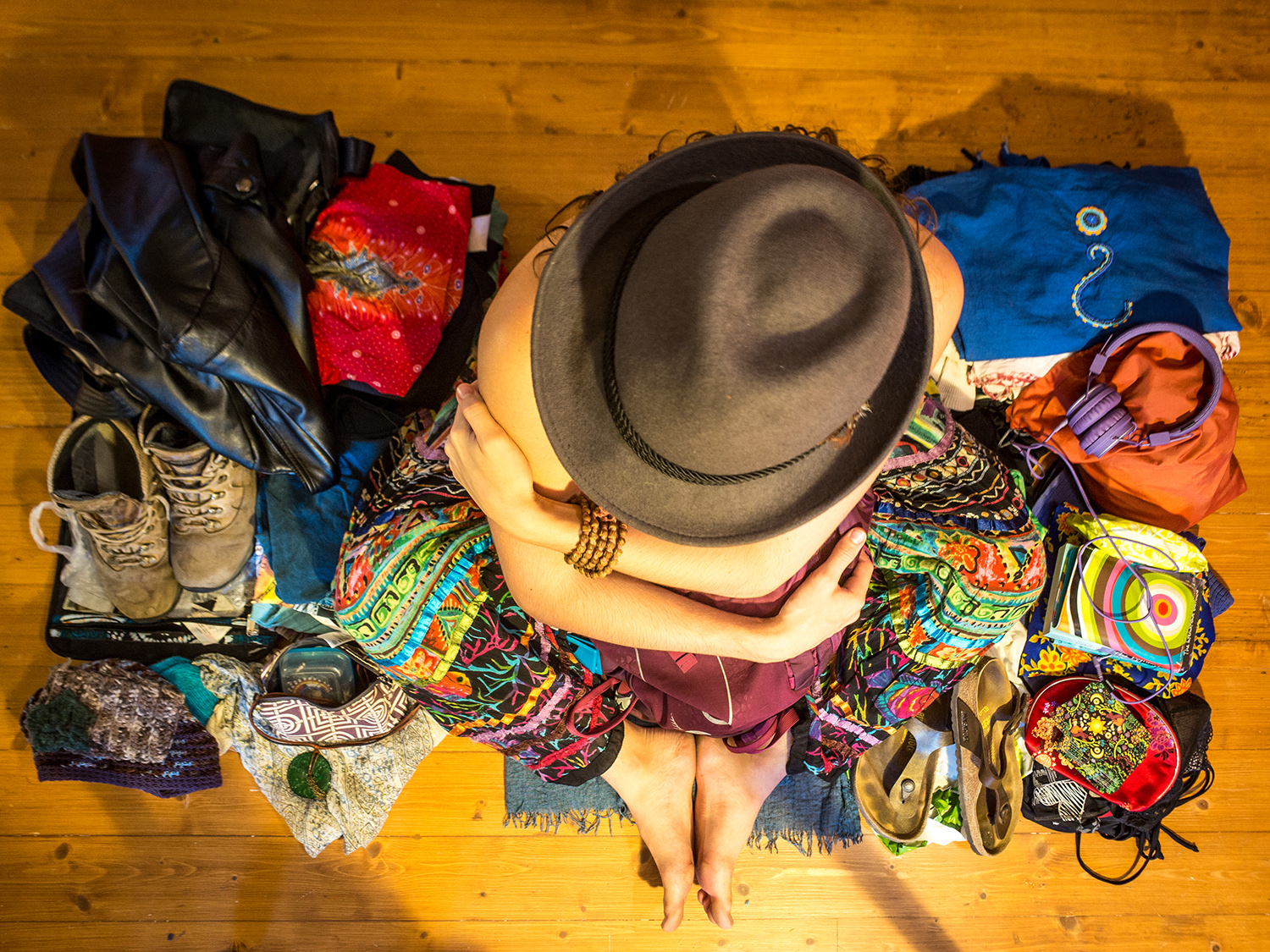
    I’ve been living out of my purple, 60-liter Osprey backpack for just under a year now. This is the second time I’ve done so, and I can pack in 10 minutes—15 tops—when needed.

    Today, though, I take my time to fold my clothing into neat piles and gather every last small belonging into a compact square in the center of the floor.

    I’m not exactly sure why, but taking stock seems important…

    The more I travel and the longer I wander, the better I understand how much I need, and how much I am able to carry. (And still, always, it is too much.)

    More and more, too, I recognize the difference between need and desire—the meaning of priorities. I don’t need even half of what I choose to carry with me. I do in fact need my laptop for work, and maybe a few changes of clothing and some warm layers.

    But my practice poi? Small bag of jewelry? Pretty shirts, oversized headphones and red lipstick? Indulgences and whimsy—and I know it…

    What I keep—I recognize I keep out of attachment, not out of necessity…

    This is only what I can carry.

    Some of it I need; some of it I want, but if it’s too much weight or doesn’t all fit, something has to go.

    This isn’t for everyone; hell, it may not always be for me. Nevertheless, this is a viable way to live, and—I believe—a powerful exercise in living simply.

    I hope these images might inspire you to try the same—even if it’s only for a walk around the block! 😀

    [This is only an excerpt from a longer piece about this project written for elephant journal. For the full story please click here.]

  • An Incomplete Guide to Sicily in Quotes & Pictures

    Valle dei Templi (Valley of the Temples), Agrigento, Sicily

    “The climate’s delicate; the air most sweet.
    Fertile the isle, the temple much surpassing
    The common praise it bears.”
    — Shakespeare

    I could write—and, indeed, have written—many pages about Sicily. However, I’m hardly the first person to be taken with the island’s complex history, natural beauty and unique charms, so for a change I would like to share the words of other writers, whose perspectives, combined with pictures from my recent visit, make for a woefully incomplete (but very poetic) look at the place. I hope it may whet your appetite for more, as I never tire of convincing people to visit!

    Scala dei Turchi (Stair of the Turks), Realmonte, Sicily.  
    “Ho capito che la Sicilia è molto più complessa di quello che si può pensare: la paragonerei ad una cipolla dai molti strati.” — Paco Ignacio Taibo II
    (“I have understood that Sicily is much more complex than one might think: I would compare it to an onion of many layers.”)
    Cattedrale di San Givanni Battista, Ragusa.
    “Sicily has suffered 13 foreign dominations from which she has taken both the best and the worst. The sequence of different cultures has made Sicily a fascinating place, quite unlike any other.” — Andrea Camilleri
    Valle dei Templi.

    “This is the homeland of the Gods of Greek mythology. Near these places, Pluto abducted Persephone from her mother. In this wood we just walked through, Ceres ceased her swift running and tired of her fruitless search, sat on a rock, and despite being a goddess, she wept, the Greeks say, since she was a mother. In these valleys, Apollo pastured his flocks; these groves, stretching down to the seashore, have echoed with Pan’s flute; the nymphs got lost under their shade and breathed their scent. Galatea fled from Polyphemus and Acis, close to succumbing to the blows of his rival, enthralled these shores leaving his name here … In the distance you can see the lake of Hercules and the rocks of the Cyclops. Land of gods and heroes!” — Alexis De Tocqueville

    Valle dei Templi.

    “Sicily is more beautiful than any woman.”
    Truman Capote

    Valle dei Templi.
    “Il siciliano è il prodotto di un territorio che non è un pezzo staccato d’Italia, che non ha mai fatto parte di alcuna parte del mondo in epoca storica, che è stato occupato da nord, sud, est, ma mai è stato assimilato, l’isola in cui niente è stabile se non il movimento, il non-stabile, dove un giorno distrugge quanto l’altro giorno ha costruito, dove vulcanismo e nettunismo sono continuamente all’opera, dove un giorno trasforma la storia di secoli.” — Paul Yorck von Wartenburg

    (“The Sicilian is the product of a territory that is separate from Italy, that has never been part of any part of the world in any period of history, that has been occupied by the North, South, East, but never assimilated, the island in which nothing is stable except movement, non-stability, where one day destroys that which another the other day built, where volcanic and marine forces are always at work, where one day transforms the history of centuries.”)

    “Sicilians build things like they will live forever and eat like they will die tomorrow.” — Plato

    Valle dei Templi.

    “For over twenty-five centuries we’ve been bearing the weight of superb and heterogeneous civilizations, all from outside, none made by ourselves, none that we could call our own.”

    This violence of landscape, this cruelty of climate, this continual tension in everything, and even these monuments of the past, magnificent yet incomprehensible because not built by us and yet standing round us like lovely mute ghosts; all those rulers who landed by main force from every direction who were at once obeyed, soon detested, and always misunderstood, their only expressions works of art we couldn’t understand and taxes which we understood only too well and which they spent elsewhere: all these things have formed our character, which is thus conditioned by events outside our control as well as by a terrifying insularity of mind.”

    ― Giuseppe Tomasi di Lampedusa

    Sunset from a lighthouse.
    “I was enchanted… the limpidity of the sky, the restless splendor of the sun, the beauty of the countryside, a certain excitement of the fantasy…which brought to mind the time when in the fields one encountered the divine.” — Jean Houel

    Ragusa Ibla, Sicily

    “In Sicilia abbiamo tutto. Ci manca il resto.” — Pino Caruso
    (“In Sicily we have everything. We’re just missing the rest.”)


    Valle dei Templi.
    “Noi fummo i Gattopardi, i Leoni; quelli che ci sostituiranno saranno gli sciacalletti, le iene; e tutti quanti gattopardi, sciacalli e pecore, continueremo a crederci il sale della terra.”

    (“We were the Leopards, the Lions; those who will replace us will be little jackals, hyenas; and all of us Leopards, jackals and sheep, we’ll go on thinking ourselves the salt of the earth.”)
    ― Giuseppe Tomasi di Lampedusa

    Macalube, Aragona, Sicily.

    “Per me la Sicilia ha una luce particolare, qualcosa di primordiale. Io non sono nato in Sicilia anche se mia madre è di Palermo. È come se con questa terra ci fosse un richiamo anche più lontano della mia esistenza, che appartenga alla mia memoria. Scrivo volentieri qui, c’è un’aria speciale, istintiva. Non mi va neanche di dargli un nome sennò darei dei confini che non ha.” — Emanuele Crialese

    (“For me, Sicily has a particular light, something of the primordial. I wasn’t born in Sicily even though my mother is from Palermo. It’s as if with this land were a recollection even further back in my existence, which belongs to my memory. I write often here, there’s a special atmosphere, instinctive. I do not even give it a name, as to do so would give it boundaries which it does not have.”)
    Scala dei Turchi.

    “There it was again: the sweeping verbal gesture magnified in the prism of Sicily, the pronouncement so poetic it nullified any arguments before they could take their first breath. The vines, the amphorae, the thousands of years of history, the palmenti, the volcano, the beauty, the power of it all. In Italy, of course, beauty is next to holiness. Sicily was long the most treasured daughter of the Mediterranean. So who can teach Sicily anything about beauty?” — Robert Camuto

    Fountain, Ragusa, Sicily.

    “All of Sicily is a dimension of the imagination.” — Leonardo Sciascia

    “Raccontano, infatti, che secondo il mito la Sicilia è sacra a Core poiché qui avvenne il suo rapimento e perché l’isola fu offerta alla dea come dono di nozze.” — Plutarco
    (“They say, in fact, that according to legend Sicily is sacred to Persephone since her abduction took place here and because the island was offered to the goddess as a wedding gift.”)

    Train tracks at the edge of the Valle dei Templi.

    “And anyone who has once known this land can never be quite free from the nostalgia for it.” — D. H. Lawrence

    *** 
    [All translations mine. :)]
  • Snapshot: Bar Willy

    8:30a.m., Trastevere, Roma — 24 August 2015

    I begin the day with that most Italian of concoctions… il bar.

    Bar Willy sits at one corner of a busy plaza in Trastevere—at the edge of Rome.

    Its staff are a typically diverse mix, representing Asia, Africa and “the Continent” too. (Rome is a massive epicenter for immigrants to the country.) They joke about regional linguistic variations, for which Italy is famous.

    At 8:30 on a Sunday, the bar (anywhere else it would be a “cafe”) is buzzing with activity. The tables outside, however, are mostly empty, for—in typical Italian fashion—most of the patrons prefer to take their morning coffee and cornetto (croissants, but, sorry, not as good) standing up.

    And so the bar pulses with the ins and outs of customers on their way to the Sunday market just outside.

    They order a caffe’ (espresso), cappuccino or latte macchiato (hot milk with a touch of coffee), and the sounds of their orders rebound from barista to cashier to my ears and back. The clatter of tiny spoons on plate, plate on bar, cup on plate; the rustle of pastry on napkin and hands on newspaper; the din of shouts, greetings and laughter—all combines to a decibel of energy to which I am unaccustomed so early in the morning, but which, for some strange reason, pleases me.

    It is good-natured—all of it. It is pleasant, honest cheer—a thing the Italians (I find) do better than any others. It is the thing that pulls me back to this country again and again. It is the lushness of fresh pressed olive oil on green figs (speaking of which, the food I’m eating will have to wait for another day…).

    It is magnetic, for me—and clearly I’m not the only one.

    ***
  • I Might Really Miss This Place

    A rainbow came out especially for my “picture-taking day.”

    As I prepare to leave Zanzibar (Nungwi, more specifically; East Africa, more broadly), the place that has begun to feel like home, I find myself struck by surprising waves of nostalgia…

    With one foot over the proverbial threshold, I observe this place with the forgiving nostalgia of things already past.

    Mambo poa? Poa, vipi? Poa poa. Za asubui? Salaama, na wei wei? Mzuri sana. Mzima. Mzima.

    The daily greetings—long and impossible to translate (in all honesty, I don’t know the meanings so much as the sense)—through which I finally navigate with ease after months in the region.

    For Travellers: Next door to my home, Kipangani Villa.
    The familiarity of Hafizi, the vegetable guy, Chef, the owner of “Chef’s Baking Shop,” and several other business owners and neighbors who, day by day, have slowly accepted my presence in their world—though I will never “fit in” here. To a few, I am not anonymous—more than a transient foreign face—and that means something.

    Chef’s Baking Shop (and Restaurant).

    Hafizi, the vegetable (and fruit) guy.

    My hard-won comfort—with the basics of Ki-Swahili; with the daily trials of moving through an unfamiliar cultural and physical landscape; with all the tiny frustrations that sometimes build… and sometimes fade into irrelevance.

    The neighborhood cow.

    Road to my house.

    The herds of cows on uneven dirt tracks, which I pass through on my borrowed bicycle with its one brake and working bell on my way to work; the brief but regular power outages and occasional mysterious absence of water in the taps; the proliferation of rambutan spiders, mangos and goats and the scarcity of apples, cheese pets and pavement; the trash cart hitched to a skinny cow, the call to prayer at sundown and the rocks that bite holes in my sandals.

    Nungwi Village.

    All of it—tiny details insignificant to some, inconveniences to others—to me, these minutiae are the source of my nostalgia. They are symbols, signifying that I am “there”: someplace far far older than I, but new to me. Not “here” in the familiar, alike, easy—“elsewhere,” and thriving in it.

    Second-to-last sunset.

    And then there are the sunsets over the ocean, the orange-gold breeze as I teach yoga, the palm trees and the beach; the sumptuous Arabic-style décor of restaurants that charge less than MacDonald’s for a feast, the silhouette of dhow sails on the horizon—the part from guidebooks and travel adverts is also here, though far more complicated than the brochures would have you believe.

    Of course, a hundred moments of frustration, anger, discomfort, exasperation and rage punctuate that seeping, honeyed nostalgia, reminding me why I am leaving—why I am ready to go.

    Nonetheless, I think I might really miss this place.
    As I write this, I am sipping my last cappuccino at the Zanzibar Coffee House (my favorite place in Stone Town) and uploading the handful of pictures I managed to take in my last days on the island. I will go to the airport this evening and travel about 40 hours for a brief visit with my family in Vermont.

    Next stop: Sicily.

    I hover in the place of in-between’s as I figure out what is next—uncertainty looms as always in shades of vibrant expectation and somber apprehension. I am reminded, again, that home is a thing that fits in a cupboard in my mind… the trick is remembering where I left the keys.

    ***

  • The Joker

    Photo: Wikimedia Commons

    His eyebrows are raised at the center in a perpetual arc of surprise.

    A cap typical of observant Muslim men in Zanzibar perches over his round, childlike face, but he resides squarely in middle age. He wears a blue t-shirt and blue jeans, and in his arms he holds a little girl dressed in powder blue satin.

    She is not his daughter.

    Throughout the bus journey from Nungwi to Stone Town, each time a child arrives at the back of the open-air bus, the man immediately reaches down to lift it on board. Sometimes he returns it to the parent, sometimes he holds it on his lap.

    The children are unfazed, far more concerned with staring at me through kohl-rimmed eyes. He is normal; I am not.

    At one point, the man holds two children on his lap. He is a joker—comical expressions etched on his face. He loves children, he says. It becomes a joke: the women around him laugh each time he jealously pulls a child into the bus and onto his lap. No one thinks it odd, and no one at all questions his motives, as would surely happen in the U.S.

    He loves children, he says, and it is his great luck that there are so many aboard today.

    Maybe he has no family of his own. Maybe he is unable to have children. I don’t know, nor would I ask; nor could I understand the answer had I wanted to.

    Watching the man before me—the joker in the blue shirt and blue jeans, little doll baby dressed in blue satin on his lap—I can’t help but smile along with the other women.

    Photo: Wikimedia Commons

    This is one of the things I love about Zanzibar, and places like it: When it comes to minding children, everyone helps everyone. Neighbor helps neighbor; kin help kin; strangers help strangers.

    When a mother and her child approach a bus (more of an open-air, low-back truck), ten pairs of hands instantly reach to lift the child into the vehicle and hold it steady.

    You won’t see that in the U.S. or most of Europe (although, to be fair, getting on the bus in the U.S. is not quite the same ordeal). There, if a man went to hold a child he didn’t know, he would probably be screamed off the bus.

    I love the trust and community underlying the scene before me.

    That said, my appreciation is hardly romantic. This is one context… Where is that community when it comes to the “every man for himself” mentality of Nungwi businesses? I want to know. Where is that trust and support when business owners attempt to navigate the cloudy waters of the tourism industry, stepping on one another to keep from drowning? I don’t see it.

    Still, the man with the round, surprised face makes me smile today. I consider—not for the first time—that I will really miss this place.

    ***
  • Nuns and Princesses

    I never knew there were so many ways of wearing a head scarf, but after more than a month in Zanzibar–people watching on dala dalas (public buses), at the beach and in Stone Town–I think I may have seen all of them.

    There is nothing birdlike about the women I see walking along the beach, jewel-bright against the stark white sand. Though their scarves flutter prettily in the wind, their arms are strong, supporting baskets on their heads, and their steps are deliberate–heavy, even.

    Some women wrap their heads in lengths of pattered fabric, leaving their faces and necks bare. Others dress in heavy black coverings that melt seamlessly into the fabric of their dresses. Some layer a heavy white and all-concealing cloth beneath a lighter outer piece.  Still others throw on a scarf as an afterthought, tossing one end over their shoulders as they usher their children outside or duck into the dukha (store) on the corner. For those particularly fashionable, and presumably wealthy, women, the scarf is a statement of personal style, wrapped asymmetrically or held with studied carelessness just below the hairline.

    Girls in their school uniforms, heads covered with long, plain pieces of white or gray fabric, walk in flocks of three to ten through the narrow stone alleys of their neighborhoods. Their rounded heads, demurely framed faces and tented apparel appear, to my mind, unmistakably reminiscent of the nuns I have seen in the streets of Rome.

    In Italy, however, those nuns are occasional (and for me, always remarkable) apparitions; whereas here, hundreds of such girls travel to and from school each day. Commonplace they may be, but something about them always strikes a chord in my imagination.

    Then there are the women who drape brightly colored, patterned scarves over hair piled high atop their heads. While sitting on the bus, I often find my attention fixed by a large, jeweled pin holding the entire construction in place for a woman beside me. Some tie a black piece of fabric over these scarves and across their faces, leaving only a narrow opening for their eyes. Tall and slender, jeweled and wrapped in silk, these women sharply remind me of the princesses of old storybooks.

    The impression is hard to shake. There is an old-world glamour made modern–to my eyes, at least. Coming from a place where head scarves are extremely rare (except for in my hardback copy of One Thousand and One Nights) I see shadows of a fabled past.

    In reality, though, I have simply entered a different paradigm–one where my uncovered head is the only anomaly, and where my limited knowledge of foreign fashions is baldly apparent.

    There is a stunning amount of diversity contained in this small, religiously homogeneous island. I hope my record of variety might serve to reveal the gaps in others’ understanding, as it has revealed mine.

    ***