Tag: travel advice

  • Yes, I’m Traveling Solo: Self-Defense as a Path to Freedom

    Yes, I’m Traveling Solo: Self-Defense as a Path to Freedom

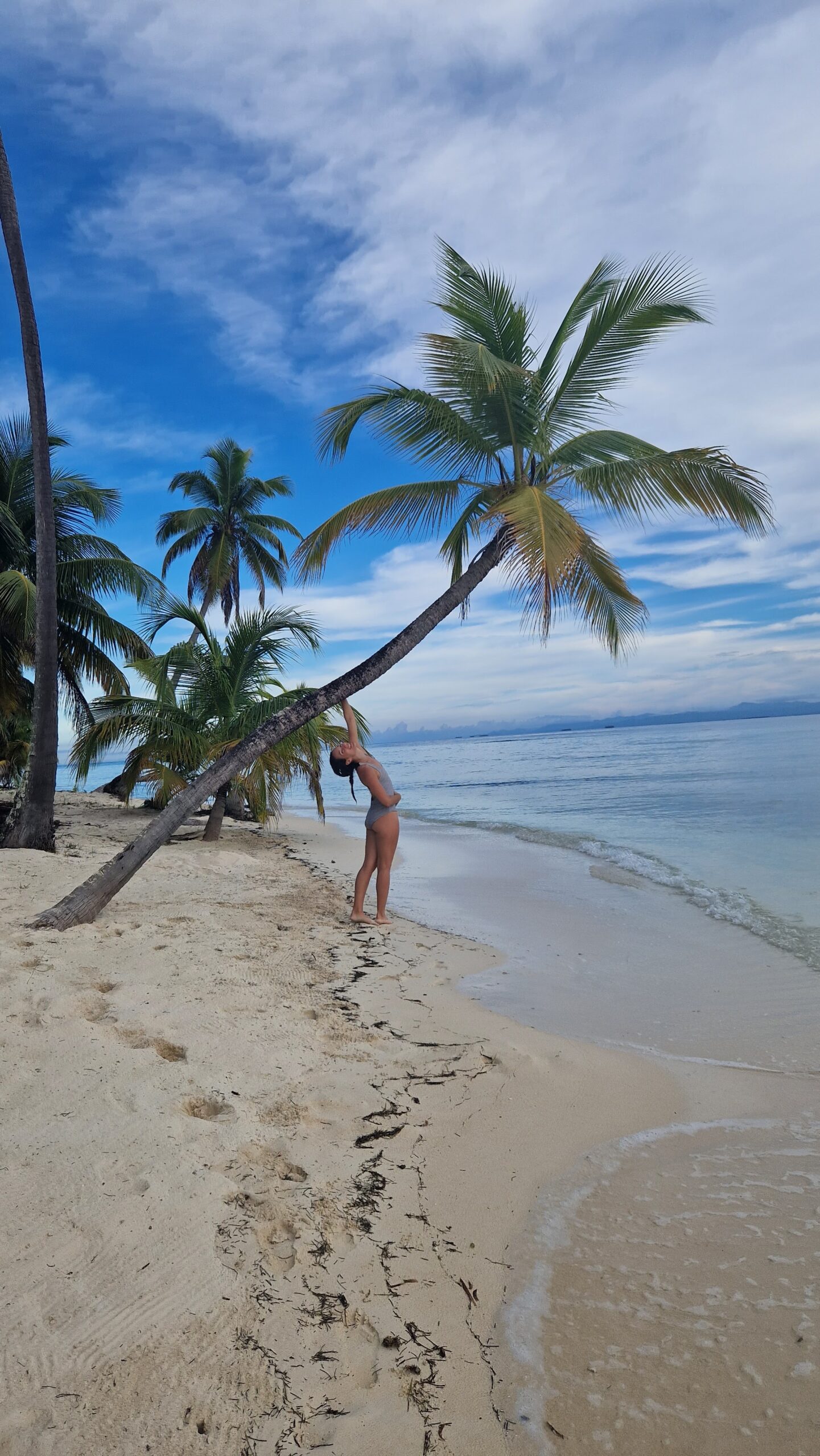
    Ometepe, Nicaragua | January, 2023 | Photo: Thomas Blanc

    Safety is a human right. So is solitude.

    Solo female travel? That’s not possible. It’s too dangerous. Women shouldn’t do that. You should never travel alone. What if you get kidnapped? Aren’t you scared? Go with someone, a friend, a partner—ideally a man.

    As a woman, I have heard every argument in the book against going out into the big, bad world on my own. The fears and warnings above are just the tip of the iceberg.

    These questions/concerns do not intend to fear-monger. They come from friends, parents, uncles, lovers, and well-meaning readers—people who want to see me safe and well. Yet it seemed unfair from the outset that I had to bear the brunt of my family’s concern as I traveled solo, while my older brother had jetted off first without much ado. The double standard always chafed. Of course it all came from love, but that’s not the point. 

    Why did everyone worry so much about my safety, and yet no one ever suggested I take it into my own hands?

    The problem is not so easily reduced to a few knee-jerk comments and Hollywood-induced travel phobias alone. Rather, it’s how these well-intentioned aphorisms reinforce an out-dated social contract that discourages women from enjoying the same freedoms men do that does the bulk of the harm.

    There is a depressing kind of fatalism in writing off solo travel for women forever because, “the world is a dangerous place,” rather than consider, for a moment, that there might be solutions. That there might be strategies for personal safety that do not come at the high cost of freedom and adventure.

    For most of my years of solo travel, I got by on instinct and bravado. “Fake it ‘til you make it” was my response to getting lost, harassed, followed, or accosted. Act like you know where you’re going, like you’re fearless, like you’re unshakeable. Most people will believe it. Eventually, you will too.

    And while this worked, I made it through a decade of solo adventures unscathed, I still lacked some basic tools to not only stay safe, but also enjoy solo travel more. 

    In 2018, however, I seized an opportunity to train as an Empowerment Self-Defense instructor with ESD Global, an organization dedicated to women’s safety around the globe. Realizing that many women yearned to travel solo, but were held back by fear, I decided to offer more than just words of advice or encouragement. It was time for practical skills.

    Action is the antidote to fear. 

    Developed over the past 50 years by female martial artists and violence prevention experts, ESD teaches a compelling mix of physical techniques and verbal strategies for deescalation and boundary setting. 

    It was the missing link, a one-stop shop for women desiring to feel both safer and freer in any environment. After nearly four years teaching this methodology across Central America, I can confidently attest to the transformative power of discovering our inner fire. Knowing what our body and voice can do, and trusting we know exactly how to use them, instills cultivates a valuable baseline of confidence and self-reliance for solo female travelers.
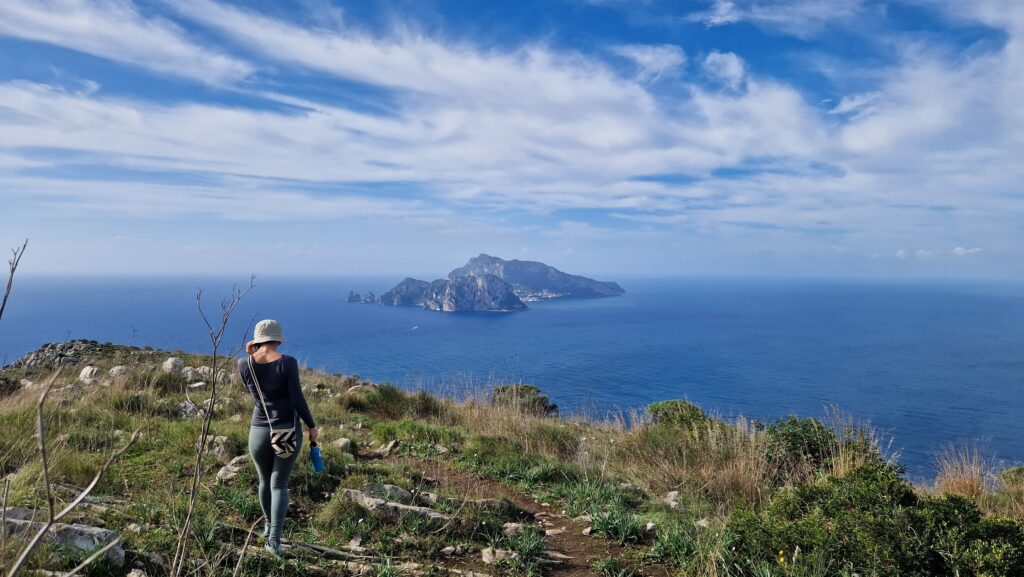
    Amalfi Coast, Italy | November 2023 | Photo: Thomas Blanc

    Below are my 5 go-to strategies for staying safe as you travel, without sacrificing a single glorious moment of your solo adventure.

    1. Listen to Your Intuition 
      Women too often internalize the social conditioning that everyone else knows more about our boundaries and our bodies than we do. In fact, we know very well when a situation is unsafe and, conversely, when we can relax and settle.Intuition is the soft, quiet voice that whispers in your gut, “Yes.” “No.” “This way, not that way.” “Danger.” “All clear. The trick is learning to listen, and then trust that voice. When we are conditioned to ignore our gut, intuition feels ungrounded and impractical.In fact, it is very much the opposite. Intuition warns us when a person, place or situation is potentially dangerous. It may feel like tightness in the chest or belly, shaking in the hands or legs, buzzing in the forehead, or a general sense of tension or closing in. And, it will guide us to know when to trust new friends or dive into “risky” adventures. That may feel like openness in the chest, relaxation or softness in the belly or jaw, or a general feeling of leaning in. The more we heed these signs and engage with our intuitive mind, the sharper it will become.We can practice listening to our intuition in small ways—eating when hungry, resting when tired, changing position or taking a deep breath when our body asks for it—and with mindfulness practices such as yoga, meditation, martial arts, or unhurried time in nature.
    2. Understand “The Interview”
      The interview is a well-documented occurrence in gender-based violence, whereby a potential attacker “interviews” a potential victim by slowly and progressively pushing her boundaries to see if or when she will act in self-defense.Whereas popular culture leads us to think that violence against women is sudden and unexpected, most attacks are in fact slow and deliberate. Each step of the interview is an opportunity to set a boundary: They follow you in the street or on the trail. They start to ask you personal questions on the bus or at your campsite. They touch you in a way that feels uncomfortable. They don’t respect your “no.”We will often wait to be “sure” of a person’s intentions before setting a hard boundary or expressing a firm “no.”Fear of offending or overreacting leads us to disregard our own needs and our own intuition to avoid rocking the boat. This is exactly what a would-be attacker is counting on. The sooner you can identify an “interview” situation while traveling, the more easefully you can de-escalate, speak up, escape, seek support, or otherwise stay safe.
    3. Use Your Voice
      Be loud, assertive, and unapologetic. The best way to stop “the interview” in its tracks is to use one of the most powerful weapons in our arsenal: our voice. Setting clear, firm boundaries can deter a would-be attacker and deescalate a potentially violent situation before it starts. Your intuition will tell you when and how to use your voice, be it calmly stating a boundary, or shouting “NO” at the top of your lungs.
      Women often learn from a very young age to stay quiet, to play nice. And so it takes practice to override this conditioning and train ourselves to speak up when we feel uncomfortable or unsafe. It is vital that we do so, however. In a situation of attempted assault, it can save our life. (Note: Using the voice is not about calling for help, although we can also ask for support from bystanders if that feels like an option. Activating the voice connects us to our own core power, disrupts the “freeze” response to danger, and also discourages a potential attacker.)
    4. Stay (& Look) Aware
      Whether on the road, in the woods, or right at home in your neighborhood, awareness is key for personal safety. Staying vigilant—no need for stress or tension—not only helps us to identify danger or risk well before it becomes an emergency; it also can help us get oriented in a new environment, observe more details and beauty along our journey, and enjoy our adventure with full-bodied presence. As we rely more and more heavily on technology for navigation and communication, we may feel the urge to check our phones frequently. As a traveler, the best thing you can do is keep your eyes up, phone away, and look and act like you are confident and at ease, regardless of how you feel.
      Keeping your shoulders back, your chin up, your gaze relaxed and alert, and your feet wide serves two purposes: It communicates to the outside world that you are confident and aware (and you are). And, it sends a message to your own brain and body that you are not afraid to take up space, increasing your self-confidence and security at a cellular level.
    5. Keep it in Context
      Let’s put the concept of women’s safety in context. At least 90% of gender-based violence worldwide is perpetrated by someone known to the victim. 59% by an intimate partner. The “stranger danger” narrative of personal safety and self-defense ignores the bigger picture: As women, we are not at higher risk out in the woods or on the road. In fact, we may be safer there. Despite the cultural narrative around personal safety, all the fears and warnings I shared above, solo female travel is not in fact more dangerous than being a woman at home, at work, or in a relationship. So if doubts about safety are holding you back, or if friends or family challenge your travel choices, it may be helpful to consider that just being a woman is risky stuff.
      Staying home won’t necessarily keep you safe, and neither will staying close to friends or significant others. At times, these may in fact pose a greater threat. So you might as well go out there solo and live your adventure. (If you would like to dive deeper into this kind of training, I recommend exploring ESD or IMPACT Personal Safety Classes in your area.)

    Empowerment Self-Defense is about offering new options and alternatives, not tossing out all the strategies we already have. I know every single one of you already has a toolkit packed with self-defense techniques, whether you call them by that name or another.

    So what would you add to this list? What are your go-to strategies for feeling secure and confident on your solo adventures? Share your experience in the comments!


    Originally published on Roofnest.

    Learn more about my empowerment self-defense work at www.mujeresfuertes.org, or support our fundraising efforts here.
  • 4 Steps to Transform Self-Doubt into Self-BeliefBelieve in Yourself First

    4 Steps to Transform Self-Doubt into Self-BeliefBelieve in Yourself First

    “I just don’t know if anyone really wants to hear what I have to say. I don’t feel confident that I am qualified to offer these services — or that anyone should be interested.”

    Rachel was a 30-year-old yogipreneur grappling with self-doubt about taking her workshop and retreat business to the next level. We needed to relaunch her website, start up a monthly newsletter, establish a consistent social media strategy, and develop a stellar brand identity. We had our work cut out for us, but first, we needed to move through Rachel’s own internal blocks.

    We couldn’t get anywhere until she got out of her own way.

    Rachel shared her misgivings with me during our second meeting as we began to discuss creating a content calendar for newsletters and social media posts. “I’m just not sure anyone is interested,” she confessed, “or that I have anything worth sharing.” Her insecurity was palpable through the two-dimensional Zoom window.

    I was a brand consultant, not a coach, I thought. Yet it was clear that I wouldn’t be able to deliver meaningful results unless we addressed my client’s paralyzing doubts first.

    Rachel’s body language and tone shifted drastically as I asked her to share about the success of her first workshops and the lives she had touched in her yoga classes. Voice firm, head high. Beneath the doubt and misgivings was a self-assured core of certainty: her work had value, it was of benefit, and there were people out there who wanted and needed to hear what she had to say and know about what she had to offer.

    When doubts resurfaced during our work together, we would come back to that essential knowing: this matters.

    Believe in Yourself First

    “The moment you doubt whether you can fly, you cease forever to be able to do it.” — J. M. Barrie

    No one will ever believe in us as much as we can believe in ourselves (with the exception, maybe, if we’re lucky, of our family, friends, or partners). Even so, we need to be our own best cheerleaders in the face of the inevitable failures, rejections, roadblocks, and doubts along the path of the fearless creative.

    What’s more, if we don’t think our business/book/art/fill-in-the-blank creative project is worthwhile, how can we expect anyone else to buy-in? Or, to rephrase that, if we truly believe in the value of our work, our audience, clients, or participants will pick up what we’re putting down — sooner or later.

    If only saying the words would make it so. I’m no psychologist, and motivational speakers usually make me slightly nauseous, so don’t expect too much of a pep talk here.

    The best advice for which I can personally vouch is simply this: fake it ’til you make it. Start this journey with all the bravado of a Greek hero(ine) — reluctantly, but inevitably, because the gods are breathing down your neck, and you have no choice.

    We don’t have a choice. We, humans, are creative in essence. We can let it move through us, or it will find a way to break out, probably in less beautiful ways.

    Sometimes, action has to come first, and belief follows. As a tween, I used to practice my self-confidence in front of the mirror. Somewhere along the way, it became real and effortless. I acted confident long enough, and my brain jumped on the bandwagon and believed it.

    Words and actions can shape our worldview, so start acting and talking like you believe in yourself 100 percent. I hope it will become your deepest truth somewhere along the way.

    Don’t Just Read About It, Be About It.

    Reading about doing stuff is not enough. If we want to do something, we have to actually do the things.

    Transforming Doubt

    1. Make a list in your journal or on your computer or phone of at least 10 (it can be more) doubts, fears, or limiting beliefs about yourself or your work. (e.g., “I don’t have enough experience on Xyz.” “I don’t have anything worthwhile to say.” “No one will want to buy it.”)
    2. Now, in a new column or on a fresh page, rewrite those doubts as positive statements, transforming them into encouragement or motivation. (e.g., “I have trained/studied extensively in Xyz, and I am ready to share my knowledge.” “I have a lot of meaningful things to say, and someone needs to hear them.” “Someone out there is waiting for the gift that only I can offer.”)
    3. Choose a few positive statements, the ones that make your heart race, or give you goosebumps, or feel like a “yes” in your belly. Copy them onto Post-it notes to leave on your desk, fridge, mirror, or anywhere else you will see them frequently. If it feels good, repeat them aloud whenever you need a boost.
    4. Come back to this practice anytime in the creative journey that you find yourself getting in your own way.

    How do you work with self-doubt and transform it into self-belief? I would love to read about your go-to strategies in the comments!


    Originally published in elephant journal.

  • Co-Living is More than a Buzzword—it’s a Lifestyle

    Co-Living is More than a Buzzword—it’s a Lifestyle

    If I had to choose, I would probably call myself an introvert.

    As often as not, I don’t really like being around people. Solo time nourishes me. Silence feeds me.

    But then, I also crave (conscious) community, and I thrive on substantive social interaction. That’s why I let go of my isolated one-bedroom cottage in the Costa Rican jungle and moved to Unity, an urban conscious community and NuMundo impact center in the heart of San Jose.

    And I’m glad I did. Solitude may be very comfortable, but I have always found that co-living pushes me to grow—deeper, and at an accelerated pace.

    Most broadly defined, co-living describes, “any shared living space that improves quality-of-life for its residents.” The exact difference between a co-living space and an urban intentional community depends, perhaps entirely, on who you ask. For me, there’s a significant amount of overlap.

    co-living

    Here are just a few of the ways co-living and community living can support personal transformation and self-growth:

    1. Everyone is a mirror. People will push your buttons. All of them. And when something objectively unimportant, like forgetting to take out the compost, sets you off, you’ll realize a critical truth: your problems are… yours. Everyone is walking their path. It’s not about them. In co-living spaces, repeatedly confronted with qualities that irk us, we must acknowledge and overcome our own blocks and biases.
    2. Everyone is valuable. In co-living spaces, you will share time, energy, and maybe bathrooms with some people you may never have gotten to know otherwise. The inherent intimacy of co-living will continually remind you that every soul is equally bright—and equally important.
    3. You don’t have to like someone to live with them. I have long let go of the unfounded notion that I should like everyone. (I don’t.) However, when you connect with intentional communities and co-living spaces, you learn that respect—not affability—is the requisite foundation to harmony and evolution.
    4. Learn to Set Boundaries. Boundaries are everything. You’ll learn to say no. A lot. You’ll set firm-yet-loving boundaries around personal time and self-care—if not from day one, then very soon thereafter. In so doing, you’ll take a necessary step in personal development toward assertive communication.
    5. Co-Living is a Natural Incubation Process. Assuming your community or cohabitants are also committed to self-actualization (chances are good), then a co-living space will nourish your dreams, projects, and lifestyle in equal measure.
    6. Healthy Challenges. There’s a saying I’ve heard a lot in the ecovillage movement: community makes life easier. Now that may be true in some ways, but living in community—co-living—is also incredibly challenging, especially for those of us raised in individualistic cultures. The good news? That challenge is fertile territory for growth. Develop core life skills that you can’t learn alone: patience, compromise, and clear communication.
    7. Journey without to journey within. As with our physical travels, any foray into new external territory kindles deeper exploration of our inner landscape. Co-living is another adventure, both on our inner path to self-development, and on the outer one to global transformation.

    How has co-living supported your transformational journey? Please share in the comments!

    co-living, costa rica, digital nomads

    Want to experience transformational co-living—NuMundo style—for yourself? Sign up for the NuLiving Experience: 10, 5 or 3 days of coworking, living, and playing in paradise before Envision Festival… Enter my code, TOBY, at checkout for $100 off!

  • Remember: This Journey is Just a Walk in the Woods

    Remember: This Journey is Just a Walk in the Woods

    Uncertainty. How many times must I meet you before I remember your stubborn face?

    In work, in travel, in body, in love—nothing is truly stable, not at the core. That is the only certainty.

    I have learned this lesson so many times, it rolls off my tongue like a prophecy when I speak to friends and vagabonds-to-be about my lifestyle. Yet, I find I must repeatedly teach myself my own lessons, too.

    We’re all just human.

    We seek, endlessly, for a secure future, a safe home, a lasting relationship, a full stomach, a rich coffer. To do otherwise would render us saints or bodhisattvas. To do otherwise would mean to no longer be human.

    A post shared by Toby Israel (@tobyintheworld) on

    The best we can do, then—maybe—is to remind ourselves often that our search for certainty is futile… and then to go on searching anyway.

    The best we can do, maybe, is to see the humor in it all.

    To observe our fallible human hearts and laugh at them—and love them.

    Lately, I’ve been obsessing somewhat over where I’ll live when I return to Costa Rica in September. I know it’s too early to make this decision. I know. Each time I jump on the same cycle of thought, I remind myself of this. I stop. And then the next day I start all over again.

    It just is. Asi es.

    A post shared by Toby Israel (@tobyintheworld) on

    It’s okay. I’m human.

    I note without blame or frustration the patterns in my own life—the relationships where I’ve grasped at tomorrow, cities where I’ve hastily sought a room to call home, homes where I’ve ignored the “here” to plan my escape to “there.” I observe all this with a glint of happy laughter.

    What a blessing, to have arms strong enough to grasp and a heart strong enough to learn, over and over again, to relinquish control.

    “I know you’re tired but come, this is the way.” — Rumi

    A post shared by Toby Israel (@tobyintheworld) on

    This journey is really an aimless walk in the woods, but we forget that. In my imagination, the remembering goes something like this:

    Angel: Look how many beautiful trails there are! So many possibilities!

    Devil: But, which is the best route to get where we’re going?

    A: We’re not going anywhere, come on! Remember, we’re just walking for the joy of it.

    D: Right… right. Any path will do, just—

    A: Just what?! Any path will do. That’s all.

    D: Just, better be careful to choose the right one.

    A: What do you mean? There is no right way to get there if we’re not going to any “there” in particular. That’s the whole point.

    D: But, what if there are waterfalls on that trail? We wouldn’t want to miss out on any natural wonders, would we?

    A: And maybe there are unicorns on this trail. We just don’t know until we try, do we? We’ll see what we see and miss what we miss, and our walk will be exactly perfect.

    D: Might as well just stay here. Wouldn’t want to risk heading off in the wrong direction.

    A: Not an option. We’re walking. Anywhere. Somewhere. Nowhere. Does. Not. Matter. But we can’t stay here. Life is moving, and we have to move too. So get up, count to three, and choose.

    D: But, but… what about unicorns? And waterfalls? What about monsters? There could be monsters! No way, not worth the risk.

    A: One.

    D: Nope. Not going anywhere.

    A: Two. Remember: There’s no right way, only the way you choose to walk.

    D: Not sold. Monsters, remember.

    A: Wherever you walk, that is where you’re going. Three.

    D: …

    A: I’ll choose, then. That way.

    toby israel, vagabondess, nomadic, uncertainty, journey, choose, walk

  • On Growing Wings & The Value of Figuring It Out for Yourself

    On Growing Wings & The Value of Figuring It Out for Yourself

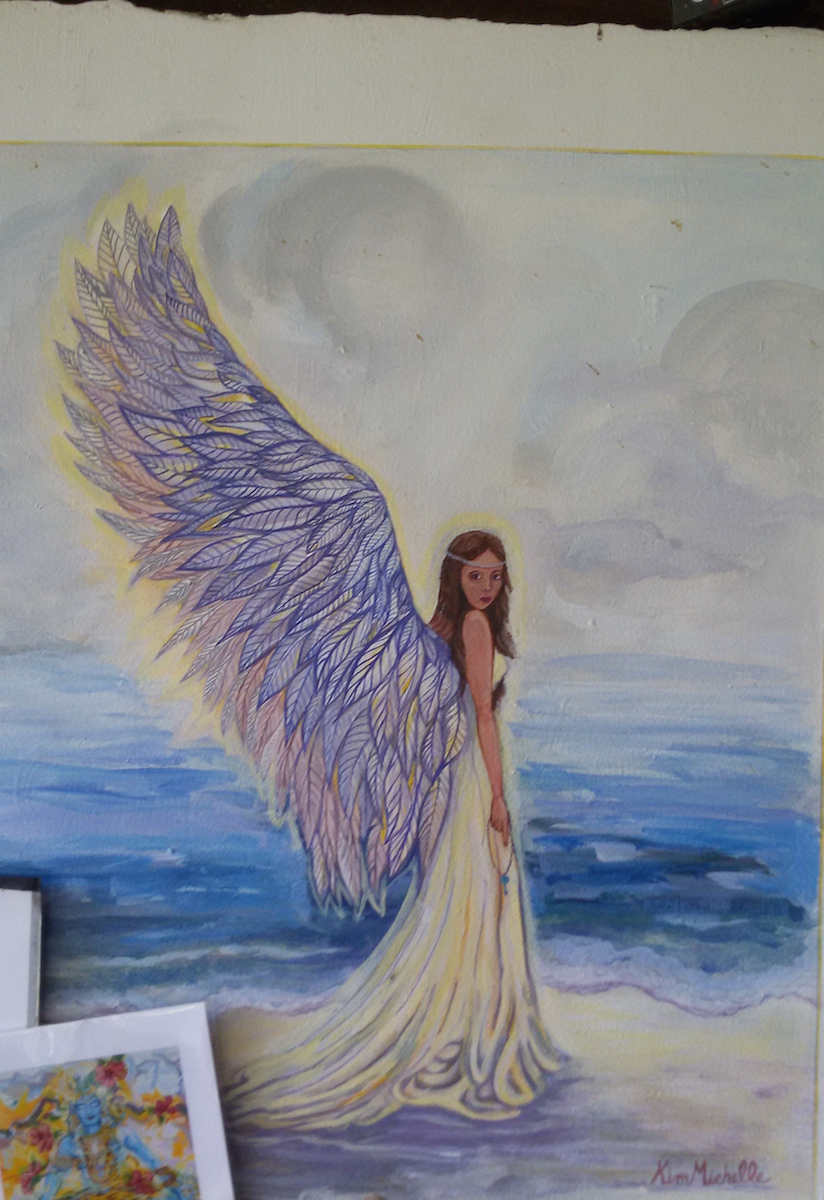
    wings

    I have the clearest memory of asking my father for help tying my shoes.

    I was sitting on the bottom step of our unfinished basement—I must have been around four years old—trying to remember something about a rabbit and a hole. And there was my father, who already had all the knowledge I needed about shoelaces and rabbits; he could help me.

    But instead he said, “You can tie your shoes yourself.”

    And I did.

    Maybe that memory is real. Maybe my mind constructed it out of dozens of memories like it. I don’t think it matters.

    My parents pushed me to “tie my own shoes” throughout my childhood in countless ways, large and small. It’s one of the gifts for which I’m most grateful. Without a doubt there is a fine balance between holding a child’s hand and pushing them out into the world alone. I have no idea what that balance is—one of many reasons I’m not a parent.

    As an adult, I’ve made a religion of self-sufficiency. Perhaps I’ve taken it to too much of an extreme, but that is what I have done. Solo travel, distance walks, one-way flights to countries where I know nobody, constant seeking for edges—my own, and the world’s…

    Some people are adrenaline junkies. The Unknown gives me my high.

    When I moved to Cape Town for the first time in early 2016, I didn’t know anyone there. I came with a name—a friend of a friend—and an address. When I found out that the house I’d already paid a deposit on was nowhere near the center of the city, I hitchhiked my way to climbing gyms, dance classes, and cozy cafes until I figured out the informal shared taxis.

    Would it have been easier to have friends, family, or resources at my disposal, ready to give me rides, show me the ropes of a chaotic transport system, and introduce me to new friends? I’m sure it would have—but then, would I have learned as much?

    I’m a firm believer that we grow fastest and fly farthest when we push ourselves well beyond our comfort zones. Experience has taught me a key paradox to traveling (and living) in a state of discovery: To thrive outside our comfort zone, we must trust, absolutely, that we can thrive outside our comfort zone. But to truly believe in our capacity for flight, we have to fly.

    In essence:

    “We have to continually be jumping off cliffs and developing our wings on the way down.” — Kurt Vonnegut

    Now, there are a few key elements to this jumping-off-cliffs-and-growing-wings business…

    First, that balance. We are none of us an island, as a wise writer once said, more or less. For every cliff we jump off alone, there may well be another to whom we say, “not today,” and third on which we find a companion to hold our hand on the way down. Balance.

    Second, support. While my parents were teaching me to tie my own shoes, they were also giving me love and support every step of the way. I am blessed to know that my family and friends are always there, ready to cheer me on when I fly, or pick me up if I take any knocks on the way down. Family, friends, community—a support system, even if we never call on it, makes it so much easier to jump.

    Third, will. You could argue that personality or background determine our ability to grow wings, and I would disagree with you. While stubbornness is my dominant personality trait, and I don’t like following directions, I have met so many others far more resourceful than I, of every possible personality type and cultural background. I don’t believe it is personality; it’s will. Tautological though it may sound, to figure it out for yourself, you have to want to figure it out for yourself.

    To grow wings, you have to grow wings.

    Easy?

    Wrong question. It’s possible, and that’s really all we need to know.

    Happy flying!


    Many thanks to a good friend here in Costa Rica, whose conversation on this subject pushed me to articulate what exactly I think about it!

  • As Long As You’re Moving, You’re On Your Path.

    As Long As You’re Moving, You’re On Your Path.

    In this moment of deep transition, a few brief thoughts on “following our path,” and what that really means.

    A well-intentioned friend recently cautioned me about falling too far from my path as I meander, in my peculiar way, through experience and discovery.

    I had to laugh. Such words of caution beg the question.

    If we do not believe there is One True Path, how can we fall from it?

    pathKinetic Freedom

    I am on my path.

    It twists and curves riotously, joyously. It is sheer movement.

    Angels dance on wingtips overhead, and devils on their tails below. They sing together of freedom.

    I am not lost, my dear. Or, if I am, I do not wish to be found.

    Because there is wilding here, on my path. There is witching, here on my path. There is wonder and meaning and laughter and growth—here on my path.

    And on yours too, I have no doubt. I never claimed to walk the One True Path.

    I know only a little about kinetic freedom, and it is enough to keep me spinning, spinning, spinning recklessly through parabolas and whorls—along this path that is unfailingly mine. Always changing. Always growing with me.

    I choose it for myself.

    No one is “falling” here. Only dancing.

    As long as you’re dancing, you are on your path. As long as you’re moving, you are on your path. As long as you can read your footprints in the sand, you are on your path.

    Choose it.


    Next Stop: Costa Rica. Home for the next 12 months. Hasta luego!


    Photo Credit: A Different Story

  • What to Do with a 10-Hour Train Ride

    What to Do with a 10-Hour Train Ride

    I’ve done that thing again.

    That thing where I look at plane tickets, look at train tickets, enter all available data into an elaborate equation (something like, Value = Adventure / Cost + Adventure x Time + Cost/Environmental Cost) and decide to take the ten-hour train.

    Again.

    You see, adventure counts twice in my calculations… and I value my time a bit differently.

    So I’m sipping on free hot water (having exhausted my ten-hour snack supply in just over seven hours), watching an obstinately rainy day pass me by—all the way from Vermont to Philadelphia.

    It’s not a bad day for a train ride, I have to admit. The sky is a study in gray. Wisps of cloud catch in green hills, blur the horizon, put me to sleep.

    I wake up quickly; I think my feet are getting frostbite. I set up camp in the cafe car. Consider diving into a pile of work. Think the better of it. Return to staring out at the nondescript, along-the-tracks landscape.

    I’ve taken so many absurdly long train, bus, and ferry rides, keeping count lost all meaning a long time ago. Barcelona to London: Why go in two hours when you can take two days, via Paris and the Chunnel? Tangier to Barcelona: What fun is the plane when a thirty-hour boat ride gets you 100% there? Stockholm to Turku: Thirteen hours and no regrets! Goa to Kolkata: In hindsight, maybe forty hours was a a bit long…

    A love of slow travel, a desire to lighten my footprint whenever possible, and a stubborn resistance to doing things the easy way all feed into these choices.

    But I realize that whiling away an entire day—or more—on a train doesn’t come without practice. I haven’t forgotten my astonishment at my fellow passengers in Nepal, where I took some of my first twelve-hour bus journeys. They put me to shame, doing nothing for the entire journey, never complaining, and maintaining perfect serenity during the hours of touch-and-go traffic leaving Kathmandu Valley.

    And so, if you have a ten-hour train journey ahead of you, or another trip just as daunting, I’d like to offer a few of my favorite activities to help you pass the hours:

    1. People watch. This activity could, without exaggeration, occupy all ten of those hours, especially when coupled with eavesdropping. The man in the seat behind me telling another passenger how he never learned how to read words, only concepts. The woman across the aisle discussing, at length, a petty workplace drama. The endless procession of human faces, voices, expressions—mundane and extraordinary at once. Yes, one could certainly people watch for ten hours.
    2. Crochet, or otherwise make things. When I traveled from Philadelphia to Miami by train in 2013, I spent about four hours of the thirty-hour odyssey crocheting a hat for a particularly odd and impressively drunk character sharing the cafe car with me. Activities that occupy the hands but leave the mind free to wander are ideal for long trips.
    3. Read. Bring a fresh book you know you’ll love. The longer the better. This time I brought The Wayfinders by Wade Davis, and it enthralled me. If you’d happily sit on the couch with a good book all day, you can stop reading right now; your ten hours are sorted.
    4. Write. Whether or not you’re a writer is beside the point. Write down observations, stream of consciousness, the funny things people said while you were eavesdropping. These words may serve some purpose later on, or you may never look at them again. Also not the point.
    5. Make lists. If you can’t think of anything else to write, there are always lists. I happen to love lists—the way they sit uselessly on my desktop after I make them, their satisfying list-ness, the irrational sense of efficiency I feel when writing them. Maybe you’ll be equally entertained by this activity… or maybe not.
    6. Eat. On travel days, I drop any preferences or pretenses I usually have about food. Today I feasted on cherries and leftovers, but sometimes it’s chocolate and chips. While normally I wouldn’t advocate for eating out of boredom, long train (or bus, or ferry) rides are a special exception. Entering a liminal space, free from the normal constraints of time and metabolic physics, is one of the advantages of traveling this way after all.
    7. Work. Just kidding—travel days aren’t work days! Be it a lack of reliable wifi or the soporific rattling of tracks, these journeys don’t usually support much work. But if you need to get things done, there’s certainly time.
    8. Do nothing. Nothing nothing nothing. Stare out the window and daydream about mountains that hold up the sky. Close your eyes and turn the rocking of the train into music. Lean back, put your hands in your lap, and just sit there. I think we could all do with a little more nothing in our days. A ten-hour train ride is a good place to start.

    Additional uses of time that may inspire you: listening to music, meditating, talking to strangers, walking up and down the aisles, stretching, deleting old files off your phone, gobbling fresh air in the areas between coaches…

    Think that just about covers it!


    How do you pass a long journey? Please share your favorites with me!

  • How to Go Out Alone (& Not Hate It)

    How to Go Out Alone (& Not Hate It)

    It’s 2009, and I’m eighteen. Paris is home for the year.

    It’s a chilly night in early winter. Ten or eleven o’clock. I’ve just gotten off the metro somewhere in the center of the city.

    Buzz. Buzz. The text messages, which don’t yet reach underground, arrive in a flurry. “Can’t make it.” “Running late. Might bail.” “May come later. Not sure.”

    Well shit. I’m not going in there alone. My first instinct is to flee right back the way I came.

    But then I glance at the bar—warmly lit wood and brass, clientele dressed in the ultra-chic black uniform of the city—and my natural stubborn streak takes over.

    So what if no one else is coming? It’s Friday night, and it took me forty-five minutes to get here. I’ll be damned if I go home without at least checking out the scene.

    I open the door. Step into the warm light. Rest an elbow on the narrow wooden bar. Order a glass of wine—white, I think.

    The clamor of several dozen voices reaches my ears at once. I absorb it as I sip my wine, but before long someone strikes up a conversation with me, and my focus narrows to just one. I practice my French. Find that it comes easily with strangers, without pressure. Somehow I find myself at a table with a dozen young people from the south of France. Celebrating a birthday—I think.

    The evening flows, and I leave for home many hours later, glowing with perverse satisfaction more than anything. I went out alone, and it didn’t suck. So there, world!


    I’ve been meaning to write this piece for years. All credit goes to the friend who asked me last week what I did about going out alone when I travel: Thank you for reminding me.

    That night in Paris was, in a way, a pivotal moment in my solo travel career. It’s one thing to hop on a train alone, sightsee alone, or even eat at a restaurant alone. We might do all of these things with ease, yet panic at the thought of entering a bar or club without backup. And by “we” I mostly mean “we women,” as that is the experience I feel I can speak to.

    Why? Why is this the impassable limit of independence?

    Well, first off, we’ve had it drilled into our heads that this simply is not done. That old fear rhetoric strikes again. Creepy guys, lechy guys, drunk guys; social stigma, weird looks, pitying stares; feeling lonely, awkward, unpopular, uncomfortable—

    Ahhh stop! Forget it. Let’s never go out alone. We’re convinced. Right?

    No! Let’s go out alone, because, as usual, reality is better than our imagination—and certainly better than our nightmares.

    I went to bed that November night in Paris feeling empowered. “Not sucking” may seem like a low bar for an evening out, but when we’re conditioned to expect utter disaster from any solo foray into social adventures, “not sucking” is actually high achievement.

    In the years since, I’ve often gone to pubs, live shows, dance clubs, bars, and festivals alone. Sometimes I even—gasp—prefer it. Story for another time.

    going out alone, dance, dancing

    I think the “how” of going out alone is fairly self-explanatory, but I’d break it down something like this:

    > No expectations/low expectations. If you’ll happily go home disappointed, a nice evening out is a pleasant surprise.
    >> Stay sober-ish. Obvious. Safety in self-possession, especially if you’re trying the solo adventure thing.
    >> Stay open—to possibility, to people, to surroundings. There’s potential in everything.
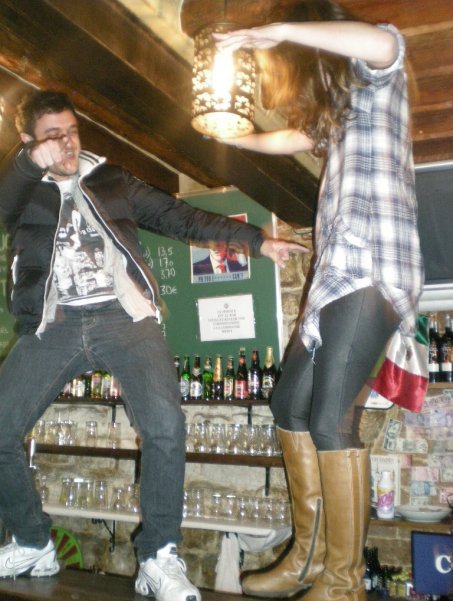
    >> But be prepared to deflect all the kinds of creepy. Welcome to the world. Books are excellent shields. So are crazy-arm, spinning-jumping dance moves.
    >> Just open the damn door and go in.

    Worst case scenario? It’s terrible, you go home, and you can blame me later for even suggesting such a thing.

    Best case scenario? You learn that you truly can do anything, because you’re a badass, and life isn’t as scary as everyone tells you.

    Cheers!

  • 7 Hardcore Life Lessons Travel Teaches Faster

    7 Hardcore Life Lessons Travel Teaches Faster

    Travel is a relentless teacher.

    There are no bathroom breaks, no question and answer sessions, and no weeks off for study or review.

    We jump in, and there we are. We learn on the fly, or we fall on our face. Or, we fall, and then we learn to fly.

    Whatever the order of events, we learn, and we learn fast when we get out there. These are a few of the life lessons I’ve found travel teaches fastest:

    1. Let Go of Expectations.

    That time you think you bought an apple pastry at the Finnish supermarket, but when you bite into it the orange mush inside is anything but apple—and it might be tuna fish. The time you order the cheapest thing on the menu at a rural Kenyan restaurant, and of course it turns out to be beef tongue. When you board your train to Rome, and find out you’re heading to Geneva…

    Yes, life is full of surprises; never more so than when we don’t speak the local language, or are in too much of a hurry to ask questions. At some point, I realized I’m more surprised when I do get what (or where) I wanted than when I don’t.

    Welcome the unexpected.

    2. Eat the Food.

    I’m not vegetarian, gluten-free, paleo, vegan, low-fat or high anything else. While I’ve met many brave souls who stick to their dietary restrictions while on the road, I’ve learned it’s a hell of a lot easier (and maybe healthier) to eat whatever’s available. Not to mention unique culinary-cultural experiences don’t usually follow our rules. I frequently choose to eschew the privilege of choice (the eschewing of which, yes, is a privilege in of itself) in favor of honoring a friend’s hospitality or sampling a street snack I’ve never seen before.

    Eat the food. Maybe we regret it the next morning, but in the balance, it’s worth it.

    3. Be Flexible.

    Would you sleep in a boat? Would you sleep on a coat? Would you sleep on the floor? Would you sleep while they snore? It’s not Dr. Seuss; it’s a night in the life of a traveler. Parks, boats, train hallways, packed dirt, wooden pallet, moldy shack, noisy dorm—if you can name it, I’ve probably slept there.

    Flexibility is a skill, not an inbred talent, and one which I’ve cultivated over many years. Be it food, sleeping quarters, hygiene or travel arrangements, I’ve learned—had no choice but to learn—flexibility is king of the travel kingdom.

    Travel will teach us to be flexible like a ballet class on steroids.

    4. The World is your Toilet.

    Lest this be misconstrued, I’m not suggesting you relieve yourself in your friend’s bedroom or the public gardens. Rather more in the vein of number three, we don’t always get to be picky about our WC. London city street at three a.m.? Hey, everything’s closed, and the next bus is an hour away. Edge of a Himalayan field? The alternative is the middle of the village road.

    Bottom line: we can’t be prissy about where we piss, and sometimes we have to get creative.

    5. Technology Won’t Save You.

    Sure, Google Maps is super handy for getting from point A to B in a new city, but it has never helped me get back when my phone dies. I’ve seen enough power blackouts and internet outages to firmly believe we can never rely on technology. It may disappear without warning—or it may not be useful once we drop far enough off the map.

    We have to be resourceful—without any resources.

    6. People Will.

    When you’re outside the service zone, a friendly shepherd will give you directions, and he and his three dogs and two dozen goats will accompany you for the next kilometer of your journey. When you’re stranded on the side of the road, well-meaning strangers will (usually) stop and pick you up.

    When emergency strikes, technology won’t save us, but the human beings around us will.

    7. No Fear.

    When I said yes to a stranger’s invitation to dinner in Nepal, she became a friend, and her family’s hospitality gave me one of my most memorable experiences of the trip. Jumping on another friend’s motorcycle for a two-day ride from Mustang to Pokhara tied it for first. Wherever I go, I try to say yes to every (reasonable) opportunity.

    Not everyone will agree with my “yes-woman” policy, but I stand by it. From hitchhiking to midnight swims, and mountain climbs to backstreet wanders, it has led me to a treasure trove of adventures—and no regrets.

    In short: leave fear behind, along with the high heels. Where we’re going, we won’t need them.


    What did I miss? Please share your travel-taught lessons—I’d love to hear them!

    ***

    Originally published on elephant journal.

  • Struggle: A Travel Manifesto

    Struggle: A Travel Manifesto

    If you travel (or live), where the mother tongue is not your mother tongue, you will struggle. The mundane will become complex and challenging, and you will no longer take your habitual fluency in the everyday for granted.

    This is a good thing.

    It shouldn’t be easy. (Or at least, I strongly believe that it is through challenge, discomfort, dis-ease that we grow best.) So, this is my travel manifesto for you…

    Go out into the world, and struggle:

    Struggle, to purchase underwear.
    Struggle, to ask directions.
    Struggle, to talk about the things that matter to you.

    Comprehending the cost of your coffee will be a minor victory.
    Catching a compliment on the first go will be cause for celebration.
    Navigating a simple interaction will thrill you—as it never could at home.

    These are all very good things.

    For it should not be easy, this day-to-day living.
    It should not be easy, this being in the world.

    So struggle, to take the bus.
    And struggle, to order at the bar.
    Struggle, to understand.
    Struggle, to say you have understood.

    For it should not be easy, this everyday living.
    It should not be easy, this quotidian life thing.

    When it is easy, we forget—

    We forget that buying our coffee is in fact a minor victory,
    that a compliment is cause for celebration,
    that understanding is a miracle,
    and being understood doubly so.

    So struggle,
    and don’t forget
    that it is a privilege to move through this world with grace.

    And when you do forget,
    as, invariably, we do,
    Go out again
    and travel.

    Remember what it feels like
    to struggle for the simplest of rewards.

    Remember not to take
    anything for granted.

    Remember how to move
    through this world
    with grace.


    — Monday, 15 May; train Barcelona—Paris


    *Image photographed in Belleville, Paris. Artwork by rnst.

  • Some Stuff I Liked in Portugal: A Rough and Tumble Guide

    Some Stuff I Liked in Portugal: A Rough and Tumble Guide

    Portugal has made it onto just about every top travel list this year, and with good reason.

    I loved the month I spent there in every way, and I want to share some of the goodness with you.

    If you’re looking for the definitive guide to the country, this is not it. On the other hand, if you want to know about some of the places, food, and other things I really enjoyed, I’m so happy to share my favorite spots with you.

    Enjoy this rough and totally incomplete guide to sunny Portugal. And feel free to ask if I didn’t mention something you want to know about—maybe I forgot!

    I give to you…some stuff I liked and things I did in Portugal, in no particular order:

    Praia da Areia Branca

    Just 70 kilometers (1.5 hours by bus) North of Lisbon, Praia da Areia Branca is (one of) the chillest spot(s) I know to surf, yoga, and write songs in Portugal. Granted, I only went to two areas on the beach, but I’d go back, and that’s saying a lot. A week is perfect; I think less than that would be too short.

    Stay:

    Lemon Tree Hostel

    Gorgeous garden out back, choice of shared or private rooms, super affordable if you go in low or mid season and opt for the surf-yoga-stay package. Comfortable, clean, and graced by the warmest and most welcoming hosts.

    Pura Vida Surf Hostel

    Dorms, doubles, and privates. Not actual sure how it’s different from Lemon Tree. Maybe cheaper and closer to the beach?

    Surf:

    A post shared by Toby Israel (@tobyintheworld) on

    Ripar Surf School

    Nicest (and, in my roommate’s opinion, cutest) surf instructors around. Great value for money. Packages available for surf/yoga/stay, or just surf/stay. As it turns out, I don’t like surf lessons, but if you’re looking to learn, this is the deal for you.

    Yoga:

    Yoga lessons with Carla (organized through Ripar/Lemon Tree) are a necessary complement to hours of surfing in the cold Atlantic. She is a gem of a teacher, and I was lucky to wander into her class for a week.

    Eat/Drink:

    Foz—

    Fresh seafood, sunset views…what else is there to say? Go for one of the grill options. I won’t ruin it for you, but the skewers are served beautifully.

    Sol Mar—

    Catch the sun from the open terrace and relax to the sound of the waves, or sit inside and enjoy some particularly well-chosen beats. Veggie burger isn’t bad, and I hear their beetroot salad is excellent. Lemon-ginger infusion is perfect for post-surf warm-up.

    Bar Central (or maybe it’s Cafe Central…you should probably ask) (Lourinha)—

    If you have a car, or a friend with a car, this cafe is worth the 10 minute drive from Praia da Areia Branca for some of the tastiest Pasteis de Nata in the area. Buy a box and bring some back to share.

    Dance:

    Baracca Bar—

    I did not go on working-surfing holiday expecting to stay out dancing until two in the morning, but that’s exactly what I did my last night in Praia da Areia Branca. The DJs on a Saturday night were unexpectedly exceptional.

    Shop:

    Kidding. This is not where you go for shopping.

    Porto

    A post shared by Toby Israel (@tobyintheworld) on

    Porto and I are totally going steady. Portugal’s tiled, hilly, artistic northern city won my heart within twenty-four hours. I even forgive it for being uphill in every possible direction. A three-hour train or bus ride from Lisbon, it’s an easily accessible (and, in my humble opinion, unmissable) stop for any itinerary.

    Stay:

    Salema Cosy Home

    I would highly recommend the Airbnb studio apartment I rented just to the north of the city center. Ideal for solo travelers, couples, or really good friends. Hosts were kind, solicitous, and excellent communicators.

    Eat:

    Ristorante Sai Cão (Rua do Bonjardim)—

    Keep walking up past Trindade metro, cross the main road, and look for a blue awning on your left. Great local spot—according to my hosts people come from all over Porto to eat here—and menus for 4-5 euros.

    Raiz—

    Menu looks great. Comes highly recommended. I didn’t actually get a chance to eat here.

    Foz Fish Restaurants—

    Follow the Douro River toward the sea (walking). When the ocean comes into view and Foz is just around the corner, you’ll come to a strip of seafood restaurants on the sidewalk. Pick the busiest one, and enjoy some of the freshest, cheapest fish around.

    Francesinha—

    The famous Porto sandwich—layers of meat and cheese, and covered with a tomato-based sauce—available at just about any restaurant for 5-8 euros. I recommend sharing with a friend to avoid instant heart attack.

    Drink:

    Bar Candelabro—

    Enjoy a coffee or port wine surrounded by old books. This quickly became my favorite spot to read and write in the whole city. Social hub by night, calm cafe haven by day.

    Cafe Majestic—

    Gorgeous (almost over the top) explosion of mirrors, brass, candelabras, and overdressed waiters. Have high tea for 20 euros…or sit down, take pictures, look at the menu and walk back out and head for Bar Candelabro instead.

    Maus Hábitos—

    Art gallery with bar/restaurant space, situated above a parking garage (you have to know to look for it). Funky, creative ambiance, perfect for a drink with friends, and supposedly there’s dancing on the weekends.

    Dance:

    Rua Cândido dos Reis—

    Take your pick from a whole street full of standard bars-with-dance-floors. Nothing exceptional, but they serve their purpose if you’re looking for a party on a weeknight. Bar hop to get the full experience—Britney Spears one minute, Kizomba the next, and old school hip hop after that.

    Party Boat—

    Not sure how to give instructions for this…Walk along the river in the early evening. Look for a cruise boat blasting music and crowds of young people waiting to get on board. Get lucky, and buy the last two tickets to a sunset cruise dance party. Alternately, river sightseeing cruises are available daily (without the party).

    Shop:

    Out To Lunch

    Tiny but ultra-chic selection of footwear, bags, and a few clothing items, owned and stocked by a man from Tokyo with a great eye for functional-yet-beautiful style. Boutique prices.

    Pop-Up Store—

    Good luck finding it, as it comes and goes, but if you do manage to stumble upon it there’s a whole world of local designers and cooking classes inside!

    Do:

    Rent a Scooter (140 Rua da Alegria)—

    A post shared by Toby Israel (@tobyintheworld) on

    They think of everything, so you don’t have to. Equipped us with helmets, smartphone charger, maps, plans for the day, goggles. All we had to do was hop on and get lost—and we did this spectacularly well. Set your map directions to “bicycle” to avoid highways and get into some interesting wooded situations.


    Matosinhos

    Don’t go here unless there are waves. Maybe for an afternoon to eat fish (Matosinhos has the best fish in the world, according to their tourism office).

    Surf:

    If there are waves, Matosinhos is an easy day trip from Porto. Take the A metro or the 501 bus from Porto center, and hop out half an hour later in the dilapidated, possibly haunted, urban surf spot. Many surf schools on the beach where you can rent equipment.

    Stay:

    Fish Tail Sea House

    Good value for money. Well-equipped kitchen. Free bikes. Comfortable beds. Private rooms and suites available.

    Do:

    Kidding. Go for walks on the beach. Enjoy the downtime.

    Lisbon

    Charming, imperfect, and full of unexplored corners, this is my kind of city. Come for the food, the walking, and the music.

    Stay:

    Dom Dinis Studios

    This one’s a splurge. Save it for a special occasion or for traveling with your mom. 😉 Ideal location if you like things quiet at night, walking distance to Bairro Alto and lots of funky bars and restaurants, but situated in a local, not too touristed part of town.

    Be Lisbon Hostel

    Budget option. Basic, but nice breakfast, clean rooms. Basically all you can ask for from a hostel.

    Do:

    Take a Cooking Class

    lisbon, portugal

    Another splurge, but a day-long adventure complete with visiting a local food market, learning loads about Portuguese cuisine, and cooking a ridiculously tasty multi-course meal, wine included.

    Visit Sintra—

    Again, I didn’t actually do this, but my friend did, and suggests taking a train to Sintra, renting scooters there, and then motoring out to the Westernmost point in continental Europe, Cabo da Roca. I’d take her word for it.

    Walk—

    Everywhere. The famous Tram 28 is crowded, to say the least; if I had to do it again, I’d probably just pull on my walking shoes and take a three hour wander from Bairro Alto to Alfama (wonderful twisty little roads) and back.

    Go to Belém—

    portugal

    The port of departure for some of the most famous naval expeditions in history, Bélem is an easy (though hot and crowded) bus ride from the center of Lisbon. Wander over to the fort, but by all accounts don’t bother going inside, eat the Original Pastel de Belem at the cafe of the same name, Pasteis de Belem, and pause to soak in the ornate architecture of the Jerónimos Monastery.

    Listen:

    Fado—

    A Tasca do Chico in Bairro Alto came highly recommended for a Fado music experience. Don’t make the same mistake we did; you need a reservation or you will not get a table in this tiny spot. Go for the music, not the food.

    Eat:

    Everything.


    Sagres

    A post shared by Toby Israel (@tobyintheworld) on

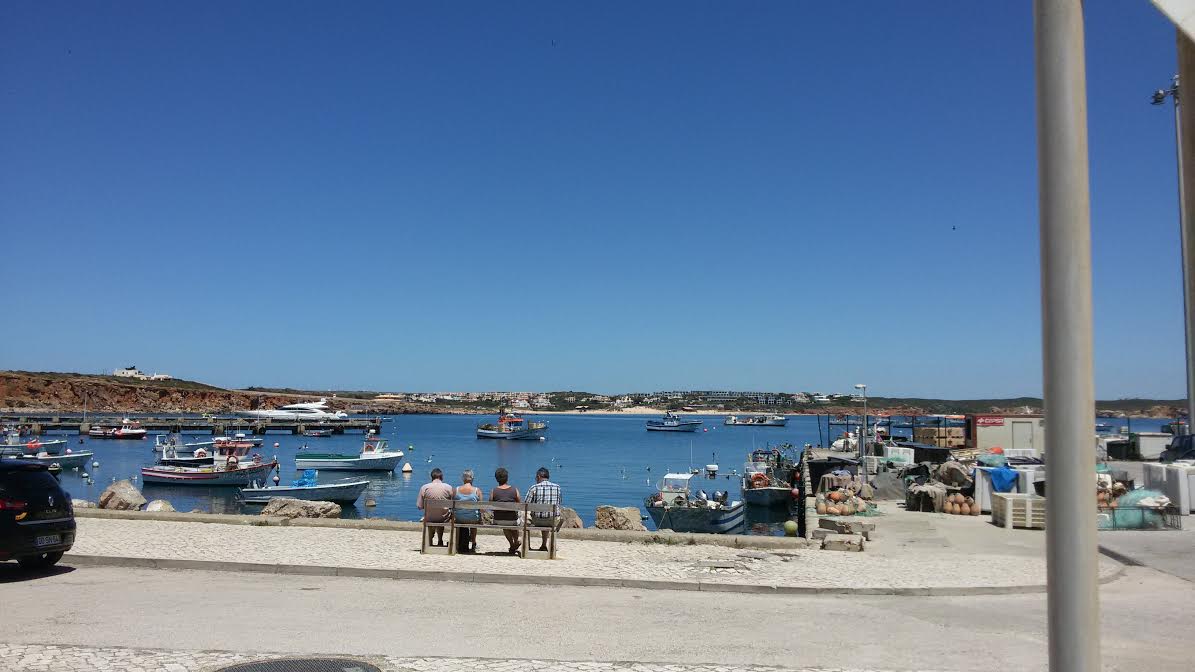
    I couldn’t resist visiting the farthest southwest town in Europe, and it far exceeded my expectations. This place is definitely magic. According to my airbnb host, it has something to do with the rocks. Whatever it is, this would have to be my top pick for a chilled out beach holiday. Go out of season; I hear the summer gets hectic.

    Stay:

    Sunshine Guest House

    I loved my stay at this laid-back oasis right at the edge of Sagres. Liz is a wonderful host, the garden is as peaceful as peaceful can be, and you could comfortably fit two people in the double room.

    Memmo Baleeira Hotel—

    If you’re going for upscale, this four-star hotel has some truly beautiful views of Sagres harbor. That’s all I can tell you about it, since I never actually stepped inside.

    Do:

    Surf—

    Watch out for the rocks at Tonel Beach, especially if you’re like me and wipe out more than you ride waves. But the water is beautiful, not as bitingly cold as farther north, and the dramatic cliffs surrounding the beaches make an unbeatable view once you make it past the break point.

    Cabo de São Vicente—

    A post shared by Toby Israel (@tobyintheworld) on

    This marks the actual farthest southwest point in all of continental Europe. It’s a slightly-hilly-but-enjoyable 6km pedal from Sagres town; if that’s not your windy cup of tea, I believe the regular local bus goes that way several times a day. Leave time to wander the paths along the cliffs

    Wander—

    The beaches. The cliffs. The harbor. The one sleepy main road that cuts through town. Time slows down here—let it.

    Eat:

    Mum’s

    This could not be more inaptly named—definitely not home cooking. A little pricey, but a good “last night of vacation” kind of treat.

    Agua Salgada—

    Casual, affordable, tasty. Fast wifi…if you’re into that kind of thing.

    Mar a Vista—

    Another beautiful view. Pricey-but-delicious food.

    Drink:

    Kiosk Perceve—

    Unassuming local cafe overlooking Mareta Beach. Nice spot for a morning coffee; I’d skip the pastries.

    Dromedario—

    Apparently where all the surfers hang out at night. I went too early. Good atmosphere. Drinks are pricey but good.


    ***Note: If I have not linked to something, that’s because you 1. can’t miss it, 2. can’t find it online, or 3. can easily Google it. Enjoy! Xx

  • When You Don’t Want to be Friendly and Open and Curious

    When You Don’t Want to be Friendly and Open and Curious

    That’s okay. It’s normal. Go ahead and hermit.


    I stare resolutely out the window of my Uber at the windy Cape Town day, quite determined to see that any attempts at conversation die a quick death.

    As our fellow hostel guest in Matosinhos (northern Portugal), a kind man from Tokyo determined to talk about marijuana at length, engages my friend in discussion about alternative cures for cancer, I stare resolutely at my book, quite determined to leave the onus of politeness on her.

    A talkative-looking chap sits down next to me at a cafe. I pretend not to speak English, or Portuguese, or French, or Spanish…I stare resolutely at my coffee cup, quite, determined to be Russian for the next hour or so.

    Surprised?

    I write so much about openness in travel, without giving any stage time to its inevitable counterpart: closedness.

    I think I’ve touched on this before, but never really delved into it: No one can be “on” all the time.

    For permanent vagabonds, this can be a slow realization. After all, aren’t curiosity, openness, and willingness to engage the key ingredients to meaningful travel experiences? Sure, but then, so is balance.

    I love my alone time. Fiercely. I am probably less social, less inclined to long chats, and less of a people person than you are (and I don’t know who is reading this).

    I write often about kindness, talking to strangers, being open to the world—and rarely about selfishness, ignoring talkative strangers, and withdrawing from the world.

    But balance, right?

    Lest you mistakenly conclude after reading my blogs that one must always be friendly, happy, and socially-inclined in order to travel, let me assure you: I’m not.

    After all, how else would I get so many articles written?

    Someone once told me that I like the idea of people more than I actually like people, and he was probably right. Humans are so fascinating! Culture, language, food, stories—I love it, and I want to soak it all in…50-90% of the time. The other 10-50%, I really cherish my own company (another key ingredient for solo travel), and I don’t want to share it.

    Balance.

    For those naturally inclined to solitude, there’s a spider-web-fine line—at which you may choose to stare resolutely while seeking to avoid conversation—between comfortable, uncompromising introspection, and exhausting, unrelenting openness. And if you can dangle from that line by your toes, in an incredible feat of mental acrobatics, you just might find the recipe for richly balanced, joyful adventure.

    Maybe your travel soup will have some of the same ingredients as mine:

    > Ample time to read, write, yoga, and think
    > Bizarre and fascinating interactions with strangers
    > Learning experiences of all variety
    > Wordless (heart-centered) communication with people and spaces
    > Silence in abundance
    > Dancing and other movement in abundance
    > Kindness
    > Selfishness
    > Outward-focused curiosity
    > Introspective curiosity
    > Creative exploration
    > Physical adventure

    So happy travels, and happy soup-making—I hope you’ll find just the right balance.

    Please share your favorite ingredients if I’ve forgotten any!


    Photo Credit: Zen Monkey Photography

  • Don’t Take My Word For It

    Don’t Take My Word For It

    Everything I have ever written, everything I will ever write, represents an infinitesimal slice (mine) of an infinitely complex whole.

    I may speak of the universality of experiences such as fear, joy, loss and love. And I do believe in the value of sharing knowledge. But still, someone else’s words will never be enough.

    A single truth only brings us so far.

    I can write that it is Saturday, that I am in Muizenberg, South Africa, that the sun is hot and high for so early in the day. And that is all true.

    I can write that I am sitting at one of the southernmost edges of the world watching the waves roll in against a backdrop of rocky peaks; that the wind and my hair and the sky taste of salt; that my shoulders ache from surfing; that seashells crunch under my feet as I walk. And that is all true.

    But this information is mine only. What of yours?

    The Buddha was fond of saying, “Don’t take my word for anything; go find out for yourself.” (I’m paraphrasing here.) In the Jewish tradition, debate and inquisitiveness are encouraged. We are not to simply take another’s words (or even doctrine) as truth, but rather—to fall back on a much-overused phrase—to discover our own.

    I believe much of the world’s wisdom boils down to this:

    Go and see.

    Today, I was going to write a snapshot of Muizenberg, a small coastal town just a thirty-minute train ride from Cape Town. But I changed my mind.

    You can Wikipedia that, and I think this is more important.

    “Go and see” does not necessarily mean, “Drop everything and go travel the world.” Although, if that is within your means and your calling, I certainly recommend it.

    “Go and see” means, “Experience the world—any world, your world—for yourself. Don’t just take my word for it.”

    Perhaps you won’t venture to the southernmost edge of the world, but touch the edge of something.

    Maybe you won’t be crossing international borders, but find a limit, a frontier, and surpass it.

    You may not “watch the sunset from every coast,” but you can watch the sunset every evening—and if it’s the watching that counts, then that’s kind of the same thing.

    There are many ways to seek, many ways to wander, many ways to cross borders; I share only mine. And while I hope you enjoy seeing a certain world through my particular gaze, I also hope you will go and see, because these words, these truths, are only the beginning.

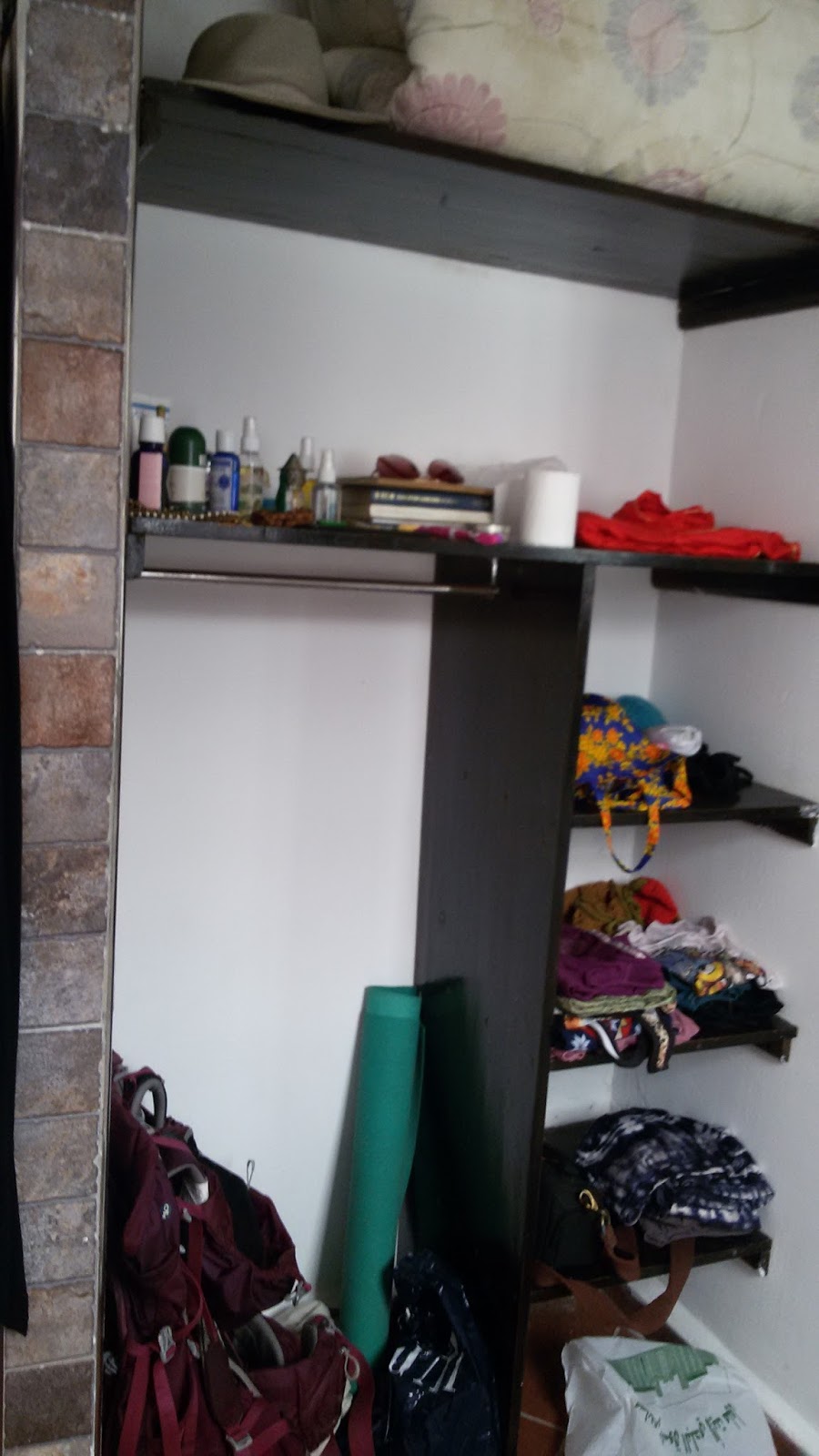
  • How to Pack One Bag for Life (What’s in my Backpack)

    It’s been two years that I’ve lived out of one bag.

    In two weeks I will take a second (small) suitcase with me to Cape Town, so I might as well write this while it’s still true.

    One of you lovely readers asked me what’s in my bag, and I’m glad you did, because packing lists are one of my favorite things to write. I’m serious. Growing up, I would start making my list weeks before family vacations; I started packing pretty far in advance, too. I’ve stopped making lists (but kept the habit of packing way too early), so this is a fun throwback.

    A few caveats:

    I chase the sun. If you expect your life to include winter, you’ll need more warm things.

    I have my hobbies, you have yours. Your “extras” will likely be completely different from mine.

    I leave things, give things away and pick things up near-continuously. It is useful to have friends and family, in whose basements, attics and closets you can leave things you don’t want to let go of but don’t want to carry with you (especially books). It is also useful to get used to giving away something old to make room for something new.

    I carry many extraneous items. I suggest it to you, too, even if it’s impractical. It’s the difference between going on vacation and carrying “home” with you.

    I will write this packing list like I write recipes—Italian style, not-too-specific, and with room for creative interpretation.

    I’ve split the following list into (I think) logical sections. I hope it may help someone pack for a nomadic existence, a long backpacking trip or an extended stint abroad. At the very least, I hope it will give you a glimpse into the very practical side of long-term vagabonding, and make you smile.

    One Bag for Life

    For when it gets chilly:

    • Bright blue wool socks for which your friends will mercilessly mock you
    • A shower-resistant outer shell (when it rains, you will wish it were rain-resistant too)
    • Bright blue fleece, because there’s no such thing as too much turquoise
    • Sturdy boots/shoes (right now I have trail shoes, but sometimes I opt for boots)
    • A sweater, preferably stolen from a friend

    For all the time:

    • 1 pair hiking pants
    • 1 pair yoga pants
    • 1 pair “Toby pants” (also known as harem pants by those who don’t know me)
    • 1 pair jeans/passably normal pants
    • X pairs socks and underwear (how many? it depends how often you want to do laundry…)
    • 5-6 shirts (some for hiking, some for exercise, and some for normal person-ing)
    • 1 bathing suit
    • Toiletries (pure argan, coconut or almond oil, natural bar soap, toothpaste, toothbrush, tea tree oil, natural deodorant, comb, nail clippers, lip balm, sunblock—yes, that’s it!)
    • First aid kit (which you will never use but carry around forever “just in case”)
    • Sunglasses and glasses
    • Passport, expired driver’s license, bank card, and other assorted bits of paper that sometimes come in handy
    • Birkenstock sandals
    • Reusable bags (for food-shopping, beach day-ing, or hanging on doorknobs to look at and wonder why you’re carrying so many extra bags)
    • Sarong, which serves equally well as scarf, towel and pillow cover

    Because I’m a woman who likes dresses:

    • 1 long skirt.
    • 2 dresses, neither of which are as practical as they should be, and one bright red

    Me-specific things (yours will be different):

    • Yoga mat (I’ve gone with Manduka’s travel mat—it doesn’t get any lighter, it also doesn’t get any less cushioned)
    • Climbing shoes
    • Dance shoes (the super lightweight practice kind—heels are heavy!)
    • Books (rotating; right now The Prophet by Kahlil Gibran, a book of Italian fairy tales by Carlo Collodi, and Bushido’s Way of the Warrior)
    • Notebooks and many, many pens (you will lend them to people and not get them back, so it’s good to have 5-10 on hand at any given time)
    • Laptop (for work; if you don’t work online, maybe skip the laptop—it’s a hassle)
    • Sleeping bag (and sometimes, but not right now, tent or camping hammock)

    Unnecessary but still important things:

    • A large quartz crystal
    • A large quantity of jewelry
    • A large camera
    • Smartphone (for staying up-to-date with loved ones and total strangers)
    • Gifts (for people in the next place you’re heading)
    • Oversized purple headphones
    • Smaller-sized purple headphones
    • Pretty scarves to put on top of ugly tables

    And just like every time I pack my bag, I feel like I’m forgetting something really, really important, but I haven’t left anything out, so that must be everything!

    The moral of this story? We actually can fit everything we need into one bag—for life, or at least for a few years. It’s probably going to be too heavy, and we’ll probably find ourselves missing variety (of shoes especially), but not nearly as often as we’d expect. We’ll get accustomed to accumulating more belongings when we pause for a while, and equally accustomed to shedding them when it’s time to move once again.

    The other moral: Good food is always money well spent. So are experiences. Our stomachs are like endlessly refillable backpacks, and our brains are like slightly leaky, endlessly expandable suitcases. Fill them.

    ***

  • Strangers on a Train

    “We’re on our way to bible study,” says my friend. (He likes to make up stories, but let’s get real, who doesn’t?)

    It’s 10:00 pm, and we’re on the Circle Line, retracing our steps into Central London after hopping the wrong train. Across from us sits a young couple—friendly, talkative, and maybe a touch too willing to believe his absurd stories. They are sipping from a water bottle of vodka and fanta, on their way to a night out “raving.”
    Thus begins my Saturday night this past weekend. My friend alights at King’s Cross Station to head home, and I follow these strangers (soon to be friends) to Fabric, one of London’s most famous House clubs.
    We will meet another stranger on our way out of the Tube, and together walk to the venue. We will spend the next four or five hours dancing to some of the best House music I’ve heard in a year, adding new strangers (new friends) to our group as we went, and they will become, over the course of the night, no longer strangers.
    And all because we had all looked up across the aisle of a Circle Line train and said hello.
    A week prior, I went to meet my coworker in Oxford for the first time. On the trip home, the train was rush-hour packed—standing room only. Series of unexpected events, I found myself squished next to a fellow American; as foreigners are wont to do, we struck up a conversation, found it fascinating, and continued it over a particularly delicious dinner in Notting Hill.

    And all because I had asked (in my unmistakably American accent), “Is this the train to London?”
    When did we grow afraid of strangers? When did the popular wisdom for travelers shift from, trust the road and the good Samaritans who walk it, to, trust no one? When did two strangers—or four strangers—talking on the train become the exception, rather than the rule?
    I have an advantage, in that nothing about my thin five foot five frame and wide smile inspires fear or mistrust. There are fewer barriers for me to cross to arrive at the human beings inside their protective circles.
    Some of my most entertaining nights out, fascinating conversations and closest connections have occurred simply because I looked up and said hello. Though I occasionally forget and succumb to the comfortable bubble of my own world, I try to make a rule of talking to strangers—I have yet to regret it.
    And then, when you think about it, aren’t we all just strangers on a train?
    Busy watching for our station, looking out the window, or within, or anywhere but around us, we don’t realize that the train is it. There are no stations, no stops, and for all we know no destination.
    Our fellow passengers? We’re stuck with them—better hope they don’t smell—and we can make of that a party or a burden. The Buddhists will tell you the train is an illusion; the Jews will tell you it’s the only thing that’s real. One thing I know for certain: It’s what we make of the ride that counts.
    So we can either look up and say hello, and make the journey worthwhile, or we can keep staring at our shoes, waiting for the conductor to call our stop.

    Try saying hello to a stranger today and see what happens. Maybe they’ll tell you their life story. Maybe they won’t respond. Maybe that stranger will change your life—or your day, or your next ten minutes. But no matter what, isn’t it more interesting than your toes?

    ***