Author: Toby

  • Some Things I Like (About Travel)

    Some Things I Like (About Travel)


    Lisbon, Portugal. Saturday afternoon, somewhere far from the city center.

    I like this cafe, edged in fading sunlight, that flanks a nondescript park.

    I like sitting by myself and soaking in unknown smells that will soon be memories.

    I like following conversation like it’s music, unaware of any meaning beyond what I can discern from the melody.

    I like sitting on the metro and not understanding a word anyone says.

    I like struggling to understand basic signage.

    I like not being sure whether the sign on the door says “push” or “pull.”

    I like ordering from a menu at random.

    I like not being sure which way to look before crossing the street…and then checking both ways twice, just to be safe.

    I like when buildings surprise me by speaking, and streets by staying silent.

    I like uneven cobblestones, and I like parts of cities no one tells you to go to because they are boring.

    I like when a bus ride is an adventure; a walk around the block a quest.

    I like feeling out of place.

    I like blending in and feeling like I’ve gotten away with something.

    I like when it’s not too easy.

    I like when nothing can be taken for granted.

    Most of all, I like getting lost in the unfamiliar, which renders humility not a choice, but an inevitable outcome.

    It is good to be back here.

  • The Strangeness

    The Strangeness


    “There are no foreign lands. It is the traveler only who is foreign.” — Robert Louis Stevenson

    Sorry, Robert Stevenson, on two counts. First, I still haven’t actually read any of your books, but I swear they’re on my list. Second, I’m going to have to disagree with you on that lovely and popular quote of yours.

    Because I’m starting to think that there are only foreign lands. That nothing is, after all, familiar or domestic. That when we spend a portion of time “abroad,” away from what was once home or something like it, we realize that “home” is just as strange, just as illogical, just as arbitrary as all the rest.

    ***

    The sun is out in uncharacteristic force, and as I walk down the street in Chelsea, London, it reflects back at me with a grin off a row of tall, identical apartment buildings.

    The walls are spotlessly white. The streets are free of garbage. The public transit runs seamlessly.

    I have just arrived this morning from Cape Town, South Africa. And as I am coming to expect when I jump continents, I’m slightly bewildered by everything… The old lady in a mauve pantsuit and Ugg boots pushing her walker with one hand and holding her mauve hat with the other. The young men wearing shorts and T-shirts (whereas I have just pulled my down coat out of storage). The utter politeness of traffic on Kings Road.

    Politics and economics, on the other hand, run parallel. Xenophobia and poor economic choices rule the day, here as much as elsewhere.

    I digress. It is the strangeness that lingers with me today, and which I would attempt to describe. The slight eeriness of one of the places I consider a home base. A flutter in my stomach as I amble along the too-neat lanes and study the too-same rows of pretty buildings.

    London.

    London, where I stay for free. London, where I have friends, a climbing gym membership, and a regular cafe, supermarket, and aerial dance studio.

    London, where I don’t need a map.

    London, where I keep coming back, although I can never quite decide if I even like the place.

    As I do in Cape Town, I have a community here. And so I return again and again, such that it has become familiar, evan banal, to visit.

    Except, not this time. This time, it is the sense of strangeness, not of homecoming, that strikes me first. The roads too straight, the people too well dressed, the pavement too clean, the attitude of the entire city just a bit too…deferential.

    As spring unfurls in the flowering magnolia trees and the underdressed pedestrians, London opens her arms to me, and I hardly recognize her.

    This, too, is a foreign land.

    And if this is foreign, then nowhere—nowhere is anything but.

    Why talk about this strangeness? This foreignness of the formerly familiar?

    “This is our tragedy….our fictions are killing us, but if we didn’t have those fictions, maybe that would kill us too.” ― Salman Rushdie

    It’s critical to acknowledge the inescapable quality of strangeness in a world brimming with fearful people seeking security in the familiar. People who genuinely believe there is a “right” way to build a city, be in a city, be a city.

    There is no right way.

    There is no “standard” from which all other lands digress in various degrees of foreignness. Such a standard is fiction, and it divides us.

    Perhaps the truer statement is this:

    All lands are foreign, and it is us, only us, who are the same—everywhere.

  • An Artist’s Statement, Kind of

    An Artist’s Statement, Kind of

    In addition to the travel, culture, and adventure writing I focus on here, I also dabble in poetry, fiction, and other creative writing. Through these pursuits, I have come to collaborate with a wonderful artist named Paula Barkmeier.

    We hope to make a book soon.

    To that end, I have started thinking—and writing—about my creative process pretty much for the first time in my career. This is what I have so far…feedback is welcome!

    On my Creative Process

    I typically begin a piece of writing in one of two ways. Either I have a specific story I want to tell or article I want to write, and I do that—or I have a vague idea pushing at my fingertips, my tongue, my belly, a somewhat undefined urge to create bubbling to the surface, and I follow it.

    I’d like to talk about the first one, very briefly. I know, it’s really not glamorous. I just decide to be creative and write something down? No blood, sweat, or tears? No agony or writer’s block? That goes against everything we’re told about creativity: You have to wait for inspiration. It’s a delicate process. Creativity can’t be forced.

    I have a secret for you: It can.

    You see, storytelling isn’t just a passion for me; it’s also my job. I write, I edit, I blog, I copywrite, I ghostwrite, I create marketing materials… I don’t always have the luxury of waiting for inspiration. Especially when I have a deadline. So I don’t wait. I just sit down and write.

    A writing teacher once told our class of young, bushy-tailed university students: “Writing is a craft. You can force it—and you should.” It was some of the soundest advice I have ever received about writing. In the past few years, it has proved true for me time and time again. I think it’s an important thing for creative people, working in any medium, to remember.

    This, whatever “this” is, is our craft, as well as our art. Inspiration will come and go—and we all know how it feels when it hits!—but we have to carry on regardless.

    Poetry, for me, is the exception to that rule. Poetry falls into that second category I mentioned, of fluid, spontaneous, elusive creative impulse. I do not force it. It is not a craft for me. The pieces that emerge out of that hazy, insistent urge to create become some of my favorites—perhaps more so because when I look back on it weeks, months, or years later, I almost can’t recognize the writer behind the words. She is transfigured by the creative process. She became a conduit for words, rather than their source, and I almost suspect she is another person entirely because of it.

    Poetry—and, let’s not be too strict, lyrical prose and some stories too—involves for me a semi-mystical process of creation. When I sit down to write, not because I have a story to tell that day, but simply because I feel I must, I enter into a different kind of creative space. This space is not always productive or focused, but it is inspired, intoxicating, and kind of magic.

    At its best, I believe writing—or any art—can express the inexpressible: It can take the inarticulate, murky language of dreams, hopes, fear, or loss, and translate it into words, images, and form. This articulation of the formerly formless is at the essence of my broadest aspirations as a writer, an artist, a creator. I write to give wings to heartbreak, and thus allow it to take flight. I write to put words to my wandering heart, and thus allow it to sing. I write to give a voice to my spirit, and thus—I hope—allow it to speak to yours.

    This process is both the most personal—drawing on the intimate details of my lived experience to imbue my work with raw truth—and the most universal—discovering the shared fears, joys, loves and losses at the core of every story. And so the archetype enters the scene. By its very definition the archetype is both universal and personal; the every man, the every woman, the every child speaks to the most profound depths of our souls.

    My work centers on the following themes:

    joy, adventure, fear, seeking, discovery, wildness, and transformation.

    And it often draws on archetypal models almost by accident—such is the nature of the archetype, that we cannot wander far without stumbling across its path.

    The hero’s journey. The goddess. The winged woman. The seeker. The gypsy. The lover. The masked man. The trickster. The vagabond. The wildling.

    To call it an accident is perhaps to sell the archetype short, however. It is through the exploration of archetypal forms that we understand ourselves more fully—or, that is what I believe. These figures people my dreams and my poetry. Together, they create the thematic loom into which I weave my words.

    But that is only the beginning. I write to express, it’s true, but lately that is only one layer. Lately, I also write to connect, to inspire, to, in the smallest of ways, engender change. I believe in the potential for stories, words, art to build understanding, teach joy, promote healing, and sustain peace. It is my hope that I have accomplished this with this collection. If my words encourage anyone to go out, explore and seek meaning in the world, I’ll consider my writing a great success.

    Seriously, feedback welcome! (I already know it’s long.)

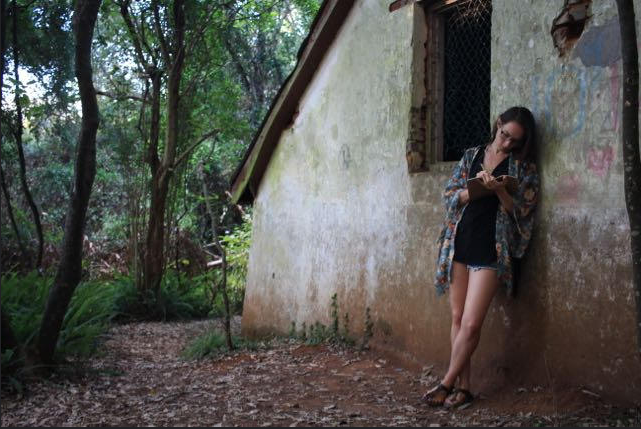
    Photo Credit: Zen Monkey Photography
  • How I’m Overcoming the Tension of Teaching Storytelling in Africa

    How I’m Overcoming the Tension of Teaching Storytelling in Africa

    In my first workshop meeting, I share a TED Talk by Nigerian author Chimamanda Ngozi Adichie and she discusses how throughout history those in power—especially colonialists—have dispossessed others by choosing how to tell their stories.

    I am a young, white, American woman facilitating a workshop in Cape Town, South Africa sponsored (I think) by the U.S. embassy.

    The title of this workshop? Storytelling for Social Justice.

    As my “students” introduce themselves at our first of five meetings, they speak with courageous vulnerability about identity, hope, passion, and overcoming adversities I can scarcely imagine—genocide, violence, disease, loss.

    They are mostly African, mostly POC, and mostly ten years older than me.

    Sitting at the table with these eight extraordinary individuals in a bland classroom in the “American Corner” of the Central Library, I facilitate a discussion about “finding our authentic voice.”

    Am I following in the well-worn tracks of those colonialists and neo-colonialists who sought to dictate how the stories of the African continent should be told?

    Am I, too, somehow disempowering my students by seeking to facilitate their storytelling? Is “facilitate” just a nice word for “control”?

    Damn, I sure hope not.

    But I also hope that my race, age, and nationality do not disqualify me from sharing what I know with this exceptional group of human beings. They have honored me with their trust, their time, and their attention—and I feel humbled and motivated in equal measure. I want to support them in telling their stories, and I want to do it in the right way. So, as I do, I’ve spent a lot of time thinking about what the “right way” would be.

    I’ve never quite faced a situation like this before. I’ve taught dance and yoga, but writing is another level. When we talk about telling stories—our stories—we step into sensitive territory.

    For too long academia has arrogantly claimed ownership of the world’s stories. For too long,  media and politics have propagated incomplete stories, visiting a kind of violence on their subjects by flattening them into one dimension. For too long, those who possess privilege and power have thought to police the self-expression—the stories—of those who have less.

    And on and on and on…yes, storytelling is sensitive territory.

    But, I’m still facilitating the workshop. This is how I’m moving past these stumbling blocks:

    1. I choose the word “facilitate” over “teach.”

    I would not presume to teach a group of people older, wiser, and more seasoned than me. I prefer to understand my role as that of facilitator, enabling my workshop participants to learn from one another and from my experience. (I also expect to learn just as much from them as they do from me!)

    2. To that end, I focus on the knowledge I do have to share, which may be of value.

    Introducing this workshop, I told my group that I came to them primarily as an editor who has worked on thousands of articles and several full-length books. I also come to them as a writer who has published for years on many online platforms. I believe the knowledge I have gathered from that work could benefit anyone wishing to improve their writing skills.

    3. I accept the tension.

    I think there is an inherent tension to my position. There are layers of nuance whenever a person steps into a teaching role, travels in foreign countries, or enters any cultural context other than their own—and I’m doing all three. That’s okay. I hope that by keeping those nuances in mind I will manage to avoid any particularly inappropriate gaffes.


    ***


    Photo Credit: Zen Monkey Photography
  • The Wild-Tame Peculiarity of Safari (and 10 Wild Photos)

    The Wild-Tame Peculiarity of Safari (and 10 Wild Photos)

    Sabi Sand Game Reserve, Mpumalanga, South Africa

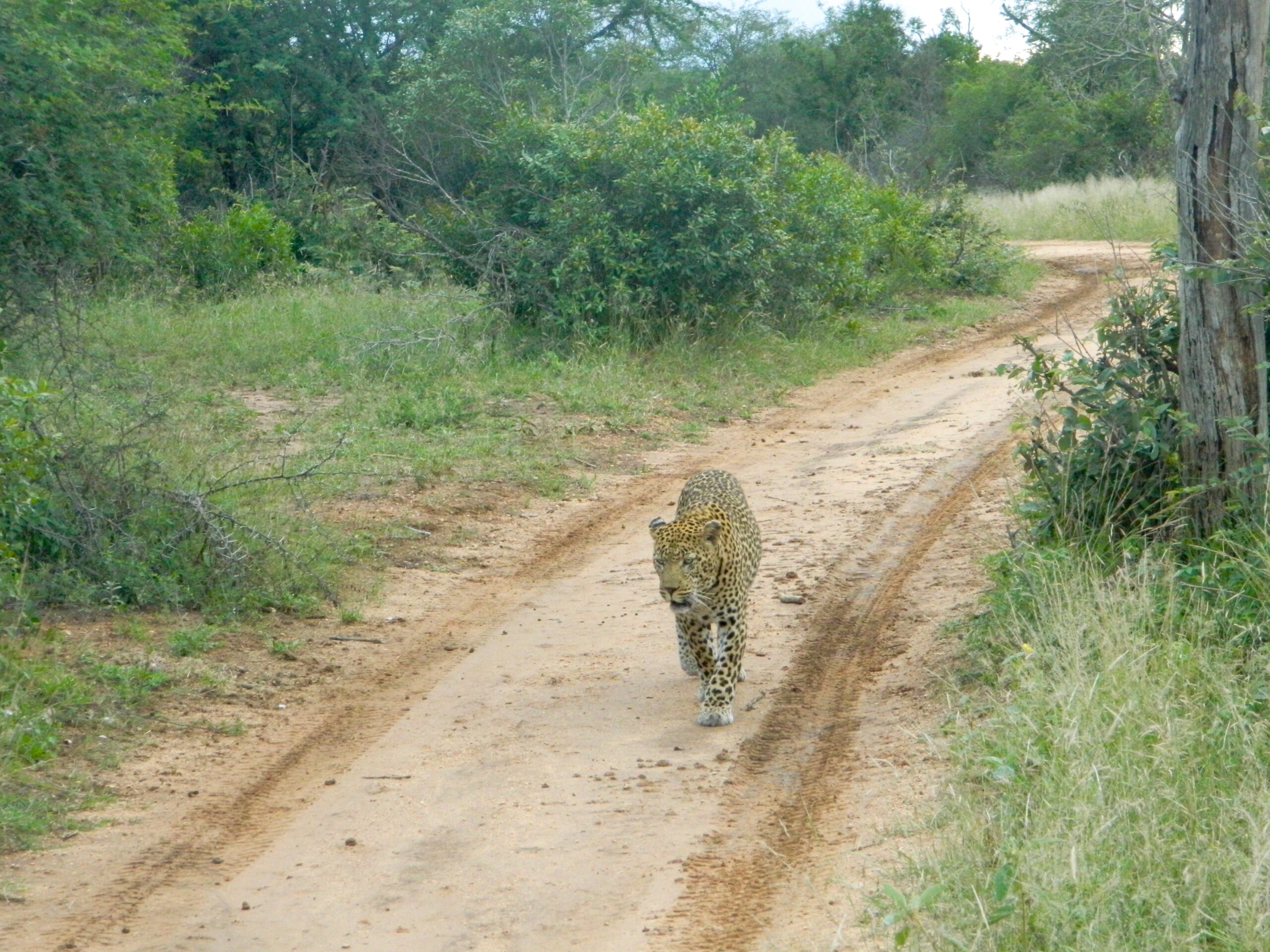
    A male leopard wakes from his nap and stretches lazily.

    Three safari cars—Land Rovers, I think—have parked just meters away.

    The leopard yawns, stretches again, and begins to move.

    His eyes are amber-grey, and he gives us only the briefest of disinterested sidelong glances before deciding to ignore us entirely and amble along the road. He remains impervious as the three cars crisscross his path to allow their passengers optimum angles—a bizarre new animal behavior pattern to which he and many other species in the bush appear wholly adapted.

    At one point he passes so close to my side of the car that I can see the individual hairs that make up his spots and the supple play of muscle beneath his skin.

    ***

    There is something both bizarre and breathtaking about finding yourself within hand’s reach of a wild animal and knowing that you’re safe.

    That is the wild-tame peculiarity of safari. Or, at least, of my safari.

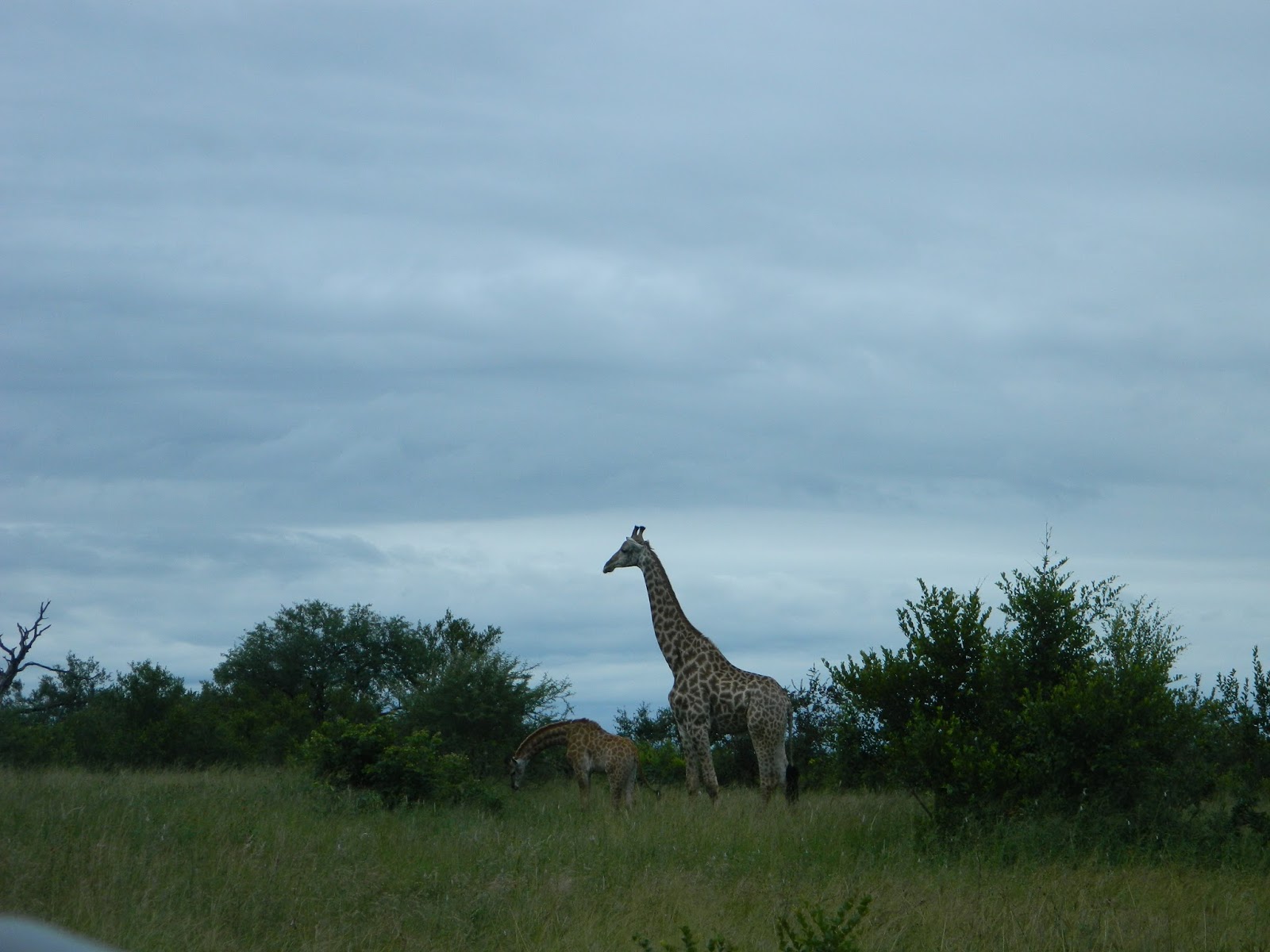
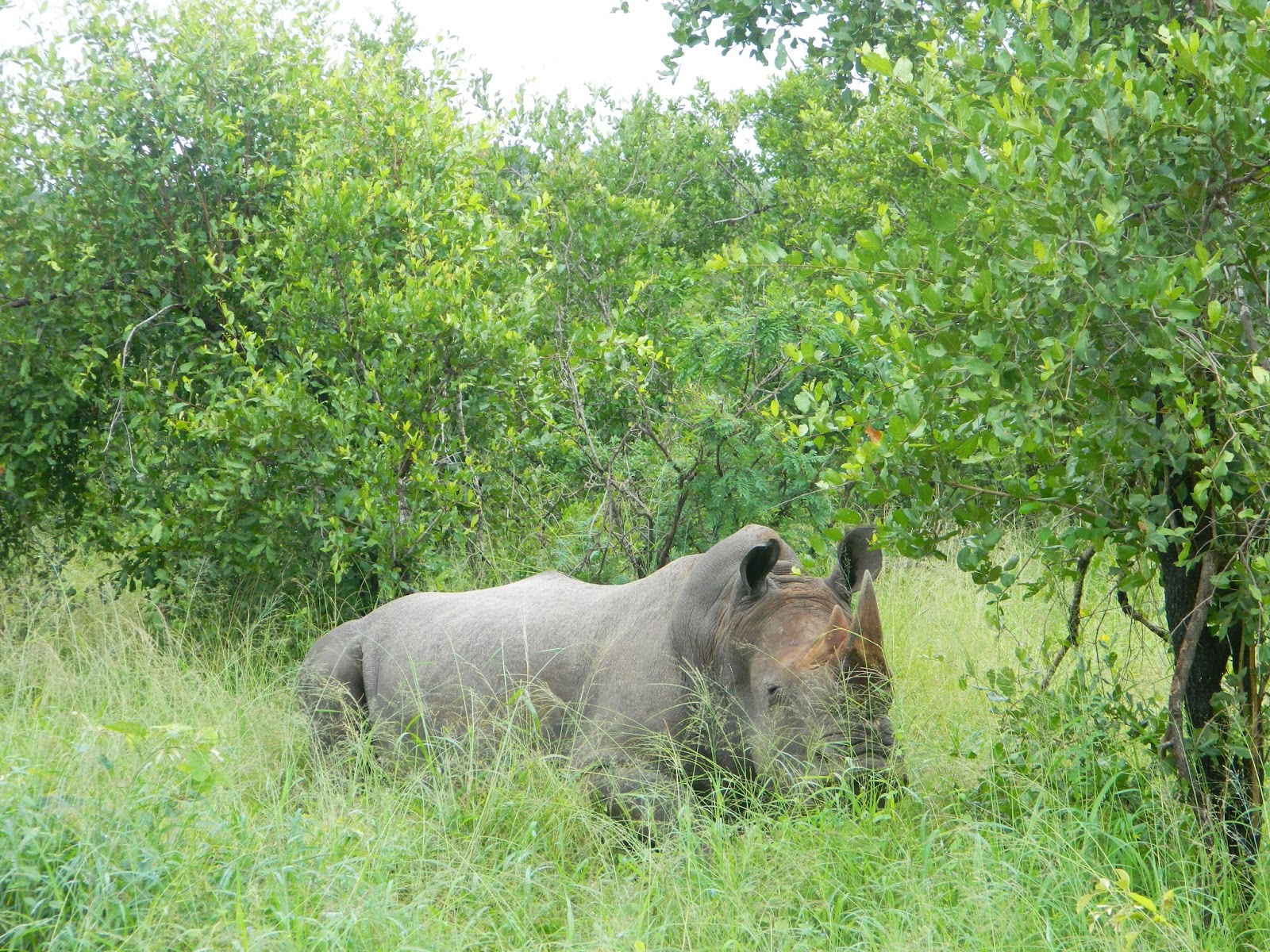
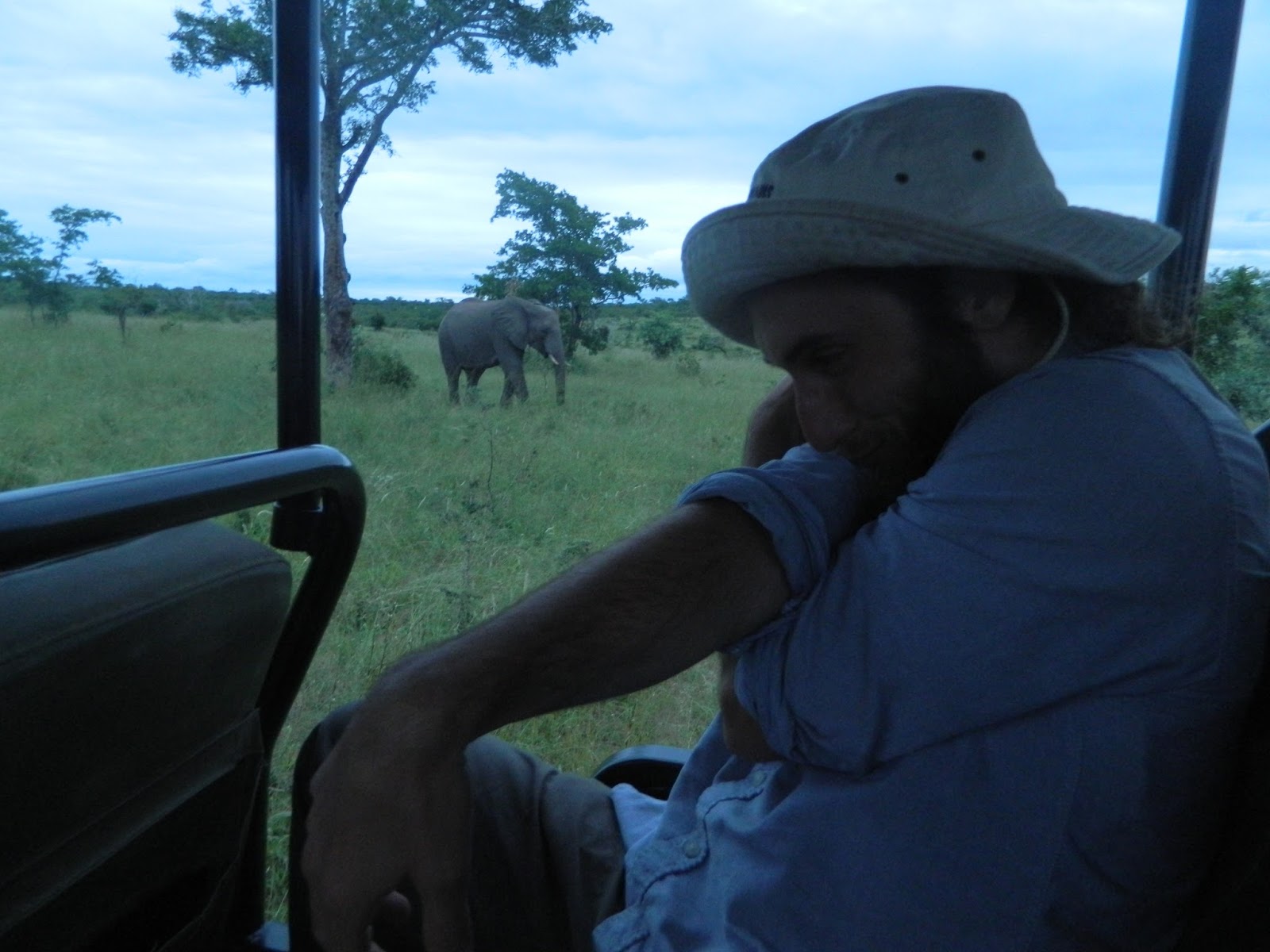
    Over the course of three days, my family and I found ourselves nose-to-nose with elephants, zebra, giraffes, leopards, and lions, thanks to the skill of our third-generation guide and the collaboration of the game reserves. We observed hippos, white rhinos, hyenas, and vultures from just a couple meters away.

    The sheer size, power, and wildness took my breath away—and it made me wonder about this paradoxical dynamic whereby wild animals accept wacky, camera-toting tourist behavior as the norm and an ecological system seems to evolve to accommodate it.

    Predator and prey alike enjoy the ease of travel on dirt roads cut for the convenience of safari trucks. A mother leopard defends her cubs against hyenas as you would expect, but observes our approach with indifference. Some—though not all—impala (a species of adorable antelope) fail to shy away at the no-longer-alien sounds of car engines and human voices.

    One thing is certain: This industry is a boon for the anti-poaching efforts across the safari-regions of the African continent. It brings revenue to places that desperately need it, and government protection to the wild animals responsible for it.

    Perhaps even more important, it has the potential to raise awareness about and appreciation for species and environments slipping into endangerment or collapse. A key element of environmental protection not to be underestemated.

    I hope to share more as I learn more, but in the meantime, here are some “up close and personal” photos of the wild animals that allowed us to share their space:

    Mama leopard with cubs.
     
    Fun fact: A herd of zebras can also be called a dazzle.


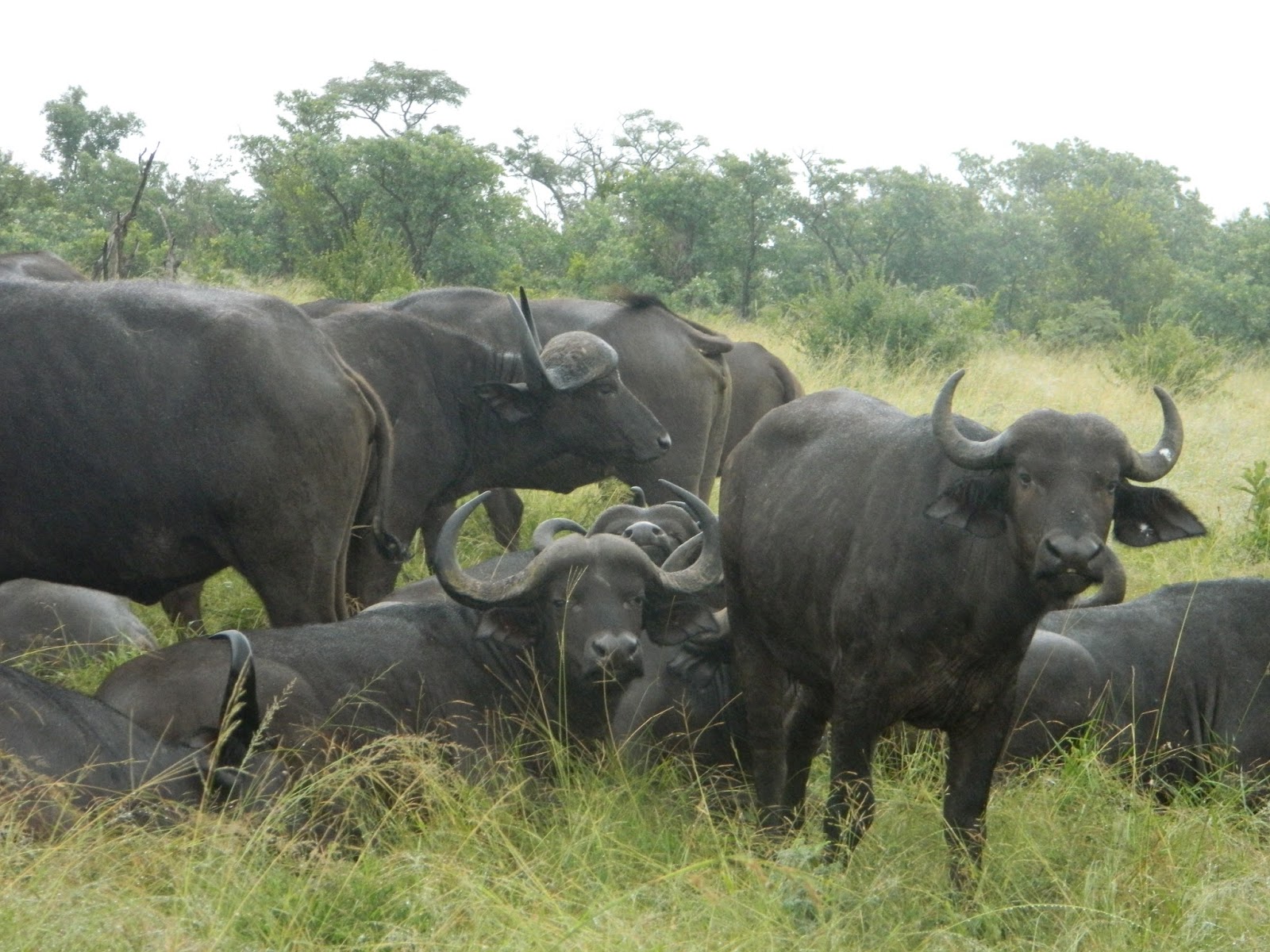
    “They look at you like you owe them money.” — Unknown, on water buffaloes
    No introduction needed.
    Who wants to go for a swim?
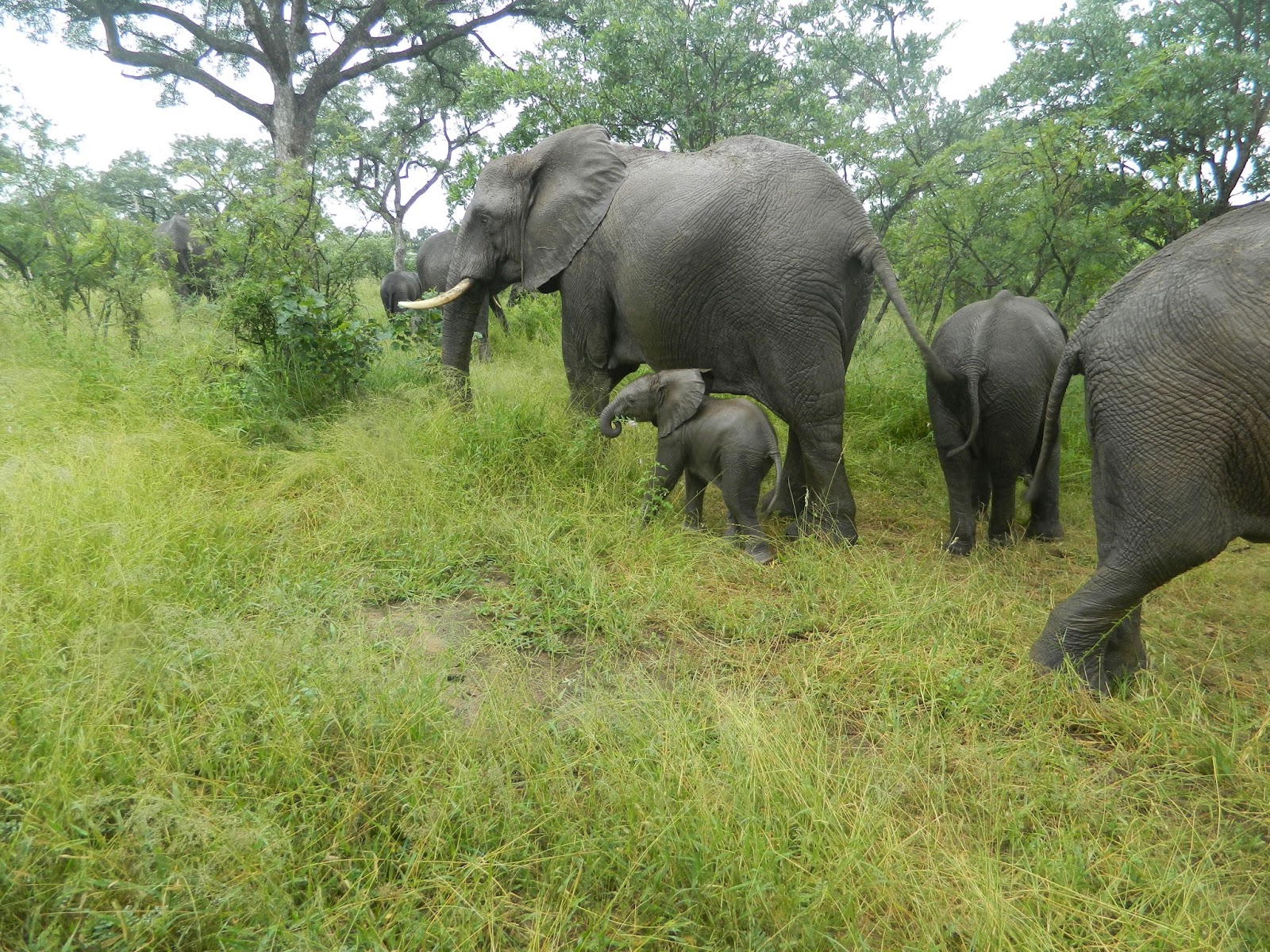
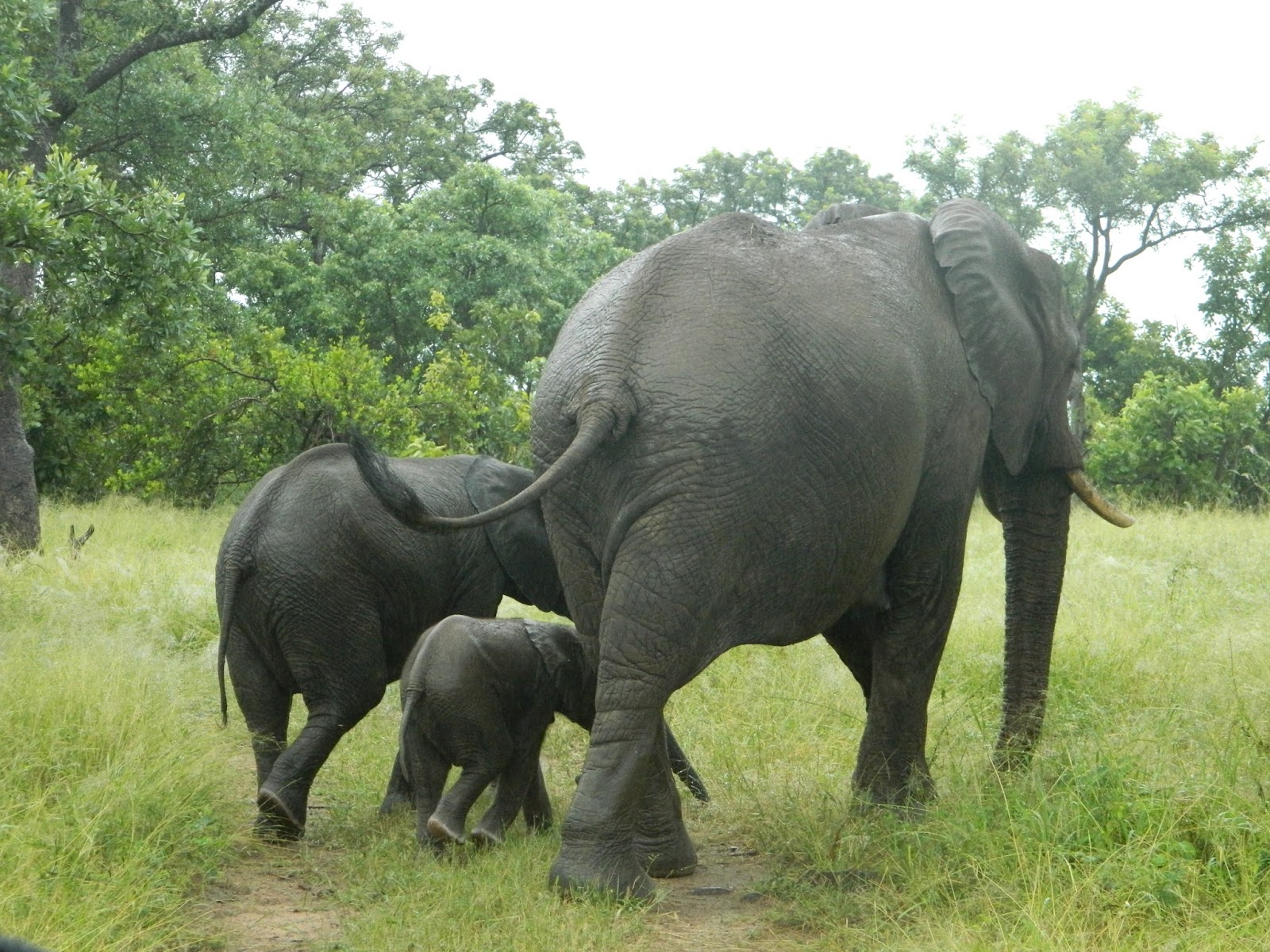
    So many elephants!
    The animal that evolution seems to have forgotten.
     
    My brother, the rarest of the wild animals.
  • Don’t Take My Word For It

    Don’t Take My Word For It

    Everything I have ever written, everything I will ever write, represents an infinitesimal slice (mine) of an infinitely complex whole.

    I may speak of the universality of experiences such as fear, joy, loss and love. And I do believe in the value of sharing knowledge. But still, someone else’s words will never be enough.

    A single truth only brings us so far.

    I can write that it is Saturday, that I am in Muizenberg, South Africa, that the sun is hot and high for so early in the day. And that is all true.

    I can write that I am sitting at one of the southernmost edges of the world watching the waves roll in against a backdrop of rocky peaks; that the wind and my hair and the sky taste of salt; that my shoulders ache from surfing; that seashells crunch under my feet as I walk. And that is all true.

    But this information is mine only. What of yours?

    The Buddha was fond of saying, “Don’t take my word for anything; go find out for yourself.” (I’m paraphrasing here.) In the Jewish tradition, debate and inquisitiveness are encouraged. We are not to simply take another’s words (or even doctrine) as truth, but rather—to fall back on a much-overused phrase—to discover our own.

    I believe much of the world’s wisdom boils down to this:

    Go and see.

    Today, I was going to write a snapshot of Muizenberg, a small coastal town just a thirty-minute train ride from Cape Town. But I changed my mind.

    You can Wikipedia that, and I think this is more important.

    “Go and see” does not necessarily mean, “Drop everything and go travel the world.” Although, if that is within your means and your calling, I certainly recommend it.

    “Go and see” means, “Experience the world—any world, your world—for yourself. Don’t just take my word for it.”

    Perhaps you won’t venture to the southernmost edge of the world, but touch the edge of something.

    Maybe you won’t be crossing international borders, but find a limit, a frontier, and surpass it.

    You may not “watch the sunset from every coast,” but you can watch the sunset every evening—and if it’s the watching that counts, then that’s kind of the same thing.

    There are many ways to seek, many ways to wander, many ways to cross borders; I share only mine. And while I hope you enjoy seeing a certain world through my particular gaze, I also hope you will go and see, because these words, these truths, are only the beginning.

  • When the World is in Chaos: Dance

    When the World is in Chaos: Dance

    “Yougottadance. Aslongasthemusicplays. Yougotta dance. Don’teventhinkwhy. Starttothink, yourfeetstop. Yourfeetstop, wegetstuck. Wegetstuck, you’restuck. Sodon’tpayanymind, nomatterhowdumb. Yougottakeepthestep. Yougottalimberup. Yougottaloosenwhatyoubolteddown. Yougottauseallyougot. Weknowyou’re tired, tiredandscared. Happenstoeveryone, okay? Justdon’tletyourfeetstop.” ― Haruki Murakami, Dance Dance Dance

    7:00 p.m. Table Mountain summit, Cape Town, South Africa. 

    The sun is setting, and we are dancing.

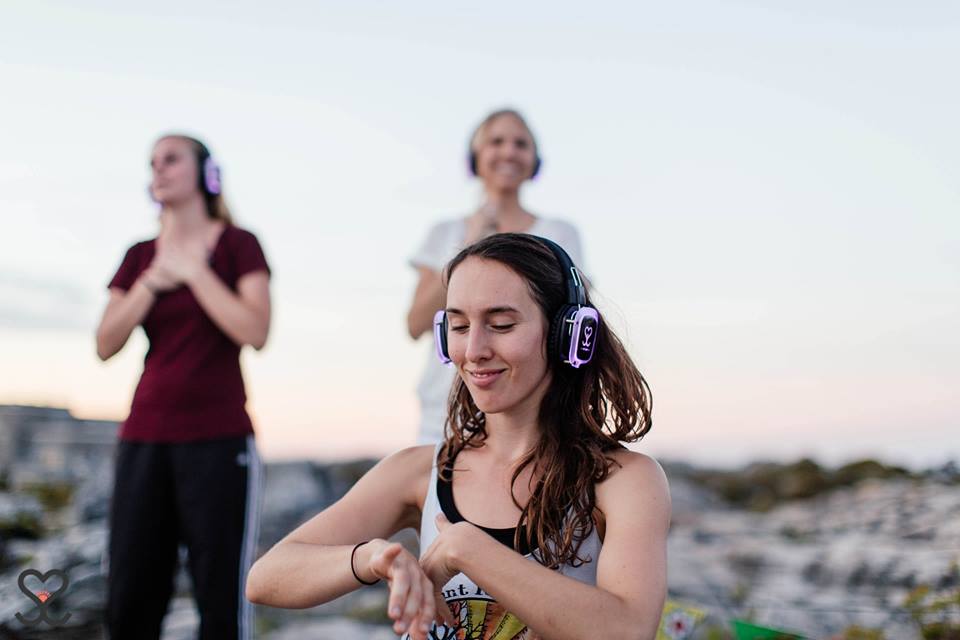
    Two hundred participants, most dressed in white, headphones on—we are praising the earth, this mountain, the clouds streaming across the rocks and bathing the world in dreamlike mist.

    It’s my first time at a “Secret Sunrise” (or, in this case, Secret Sunset) event.

    I’ve taken the hard way up, along with one friend and two strangers picked up along the way, and my endorphins are already surging after a two-and-a-half-hour hike.

    But the world is in chaos.

    I can’t glance at Facebook, work a shift at elephant journal, or even have a casual conversation without this truth becoming painfully apparent.

    I, like many, feel compelled to do something say something change something—but, paralyzed by the overwhelming madness of it, I do little, say little, change little. And yet, and yet, and yet—every day I work to promote mindfulness. Every day I write to nurture cross-cultural understanding. Soon, I will return to school to study the art of peacebuilding.

    And yet, and yet, and yet—more importantly, in my humble opinion—every day I seek joy.

    The world is full of fear. So I fight my own demons. The world is full of chaos, and so I strive for inner balance. The world is full of uncertainty, so I dance with it.*

    And here we are. Dancing.

    Piano keys draw clouds through the sky. Eighties rock compels bodies—eight years old to eighty-eight—to move to the same beat. House music lifts feet up, gravity-defying, and down, solid and real.

    Each of us in our own headphone-cordoned world, we dance. Alone and together. And hell, if that’s not an apt metaphor, I don’t know what is.

    Alone and wrapped up in our own worlds, we are all nonetheless connected to one another by the same melodies in our ears, the same rhythm in our blood, the same music in our bones. We are all dancing, whether we realize it or not, on the same sacred ground.

    So, is this an odd time to be turning to joy, music, community?

    I don’t think so. In fact, I’d say that moments of chaos, uncertainty, fear are very much the right time to dance. To connect, however we do that. To create. To keep pushing for meaning.

    Because if we lose that now, then we’ve lost.

    So dance—not in spite of the chaos, but for it, with it, and through it.

    Dance—”as long as the music plays.”

    Dance—and don’t stop, because the world, chaos and all, is still spinning.

    Youtube video

    *This is a poetic response to turmoil; none of it is meant to underplay the value of activism in our current global climate. Act. Protest. Make change, by all means. But don’t forget the value of personal growth. I genuinely believe in “the power that living a good life can have,” as a friend once put it. Ideally, do both!


    Photo Credit: Juliette Bisset Photography

  • The First Time: When the Travel Bug Bites

    The First Time: When the Travel Bug Bites

    Some people will reminisce—with nostalgia, regret, or a little bit of each—about their first cigarette, their first drink, or their first time trying X (fill in the blank with your substance of choice).

    Me?

    Alcohol was never a big deal in my family, and I’ve stayed away from cigarettes like my life depended on it (oh wait, it kind of does).

    That doesn’t mean, though, that I don’t have a “first” on which to reflects with the romantic fondness of well over a decade of distance.

    I’m talking about travel, of course.

    Several early family vacations could count as that first—London, Canada, Florida—but one in particular stands out in the box of mismatched, half-faded memories I carry: Italy.

    Italy, first and most enduring love of my life… after horses. That first visit I only remember in glimpses: The heat (there was a record-breaking heatwave that summer). An old woman in a bead shop, and a strand of irregular, aquamarine beads (I would finally turn them into a necklace some fifteen years later). Crisp, white slices of coconut beneath a cascade of water glittering in the sun. Venice canals and dreams of carnevale (I have yet to visit at the right time). Cappuccinos for breakfast, and several subsequent bathroom breaks over the course of the morning. Fairytale mountain villages, and cities shimmering under summer sun.

    I have since been back to visit nearly a dozen times, learned the language, and made numerous friends across the country. I have bungee jumped in Piedmonte and reignited a passion for adventure in Sicily. I’ve indulged in pizza in Napoli, anchovies in Genoa, and fiori di zucca in Rome.

    Just thinking of it makes my mouth water and my palms tingle.

    Italy.

    But the dreamlike beauty of these childhood memories is about so much more than one country. It marks a beginning.

    I could trace my enthusiasm for the wonder of discovery to many moments—many trips:

    Dancing in a circle of women in rural Senegal at age sixteen.

    Wandering the streets of Spanish cities at Christmas-time with my peers, age fifteen.

    Age seventeen, arriving in Paris alone, and growing into a sense of adventure once too big for me.

    I could pick any of those or countless other journeys, but I choose to locate my travel awakening in that sweltering Italian summer many years prior. A seed already planted. A map already drawn across my future—big, swirling letters spelling, WANDER.

    And so I have. And so I do.

    The first time we meet ourselves is extraordinary indeed. Even if we’re too young to realize it. Even if we repeat the experience countless times thence. Even if we’re full of shit, and it wasn’t like that at all, and that dreamlike beauty is just the result of fifteen years’ obfuscation.

    So, I’m curious: what was your first time traveling like?

  • 12 Ways to Move/Travel to a New City/Country Where you Don’t Know Anyone—and Totally Rock It

    12 Ways to Move/Travel to a New City/Country Where you Don’t Know Anyone—and Totally Rock It

    I write about venturing into the unknown often.

    You might say it’s my favorite theme—in life and in art. You could say it’s my greatest fear—in love and in travel. You could say it is a subject so rich and fascinating it proves an inexhaustible source of meaning and poetry.

    You could say any of those things, and you would be right.

    Ah, the not-knowing…it is terrifying, exhilarating, life-affirming indeed. But maybe you want a bit more practicality and a bit less poetry; maybe you have concrete travel plans on the horizon (even tenuous possibilities or dreams), and poetic rambling philosophizing isn’t helping all that much. I get that.

    I drop myself into cities and countries where I know no one on a regular basis. I enjoy the challenge and the freedom, but I also forget that this is a practice like any other, and may seem somewhat inaccessible at first. I want to demystify it.

    The following suggestions stem from my years of solo traveling. I don’t necessarily follow them all for every trip, but one could in theory. I believe each one has a deep potential to cushion the fall into unknown territory.

    1. Reach out to friends and acquaintances.
    A simple “Do I know anyone in _____?” on Facebook can yield unexpected results. This method has found me friends (and often couches) in otherwise totally anonymous destinations from Prague and Montenegro to Berlin, Sicily and more.

    2. Mine for connections.
    Social media is a multifaceted beast, but it really comes in handy for certain kinds of travel. Asking my Facebook friends (and sometimes blog followers), “Does anyone have any connections in ___?” in the past has found me a house to rent in Cape Town, a Shabbat dinner in Paris, a yoga teaching gig in Zanzibar and so much more. The more I travel, the more this network grows—exponentially, it would seem. Couchsurfing is another amazing resource for making connections for friends and couches both.

    3. Be bold—ask questions.
    Every piece of information we could possibly need is available on the ground. No need to read travel forums, or even look up directions (although by all means do both if it sets your mind at ease). Depending on where I am in the world, there are metro maps, info centers, or throngs of aggressive taxi drivers at every possible port of arrival. Barring that, the local person sitting next to me on the bus/plane/train/ferry is usually an excellent resource.

    4. Get Lost and Like It.
    I have developed an impressive habit of always going the wrong way first. If it’s straight, I go left. If it’s left, I go right. I then employ method #3, ad infinitum, to take the longest route possible to my intended destination (thank you, legs). Getting lost is a common consequence of going in blind; even if we don’t like it, we can bring our sense of humor along for the walk.

    5. Set up a work trade.

    While it is 100% possible (and yes, fun and exciting) to just go explore a new place and find your way upon arrival, I have often found more depth and connection through work exchanges. Websites like wwoofing, workaway and helpx are just a few of many platforms for finding interesting, short-term placements abroad. Working or volunteering is, in my experience, one of the most effective ways to integrate into a community and create my place in the formerly unfamiliar. It is also an incredibly practical resource for information.

    6. Set up an Airbnb.
    If, like me, you need to work while you wander (or, also like me, you don’t want to commit to too much socializing), but still want an entree into local community, Airbnb is unparalleled. Set your price, browse your options, and choose a host who seems interesting. I’m still in contact with several of my Airbnb hosts, and owe unique memories (like tasting the best chocolate gelato in the whole world) to them.

    7. Keep up with hobbies.
    I always carry two extra pairs of shoes with me: dance and climbing. Dancing tango in Kenya, salsa-ing in Berlin and climbing in Cape Town, I’ve connected with people I never would have met otherwise. Same goes for surfing in Morocco and hiking in Spain. Those are my passions; follow yours, and you’ll find your people—anywhere.

    8. Become a regular.
    There is something uniquely grounding in being a regular customer (in a cafe, restaurant or even corner store)—in simply being recognized. When our default mode is anonymity, feeling seen, known, familiar offers a powerful sense of place. Especially when I have a few weeks or months somewhere, I find myself accumulating these “regular” spots. Though utterly departing from all known routine is a key—even necessary—element of travel for me, glimpses of familiarity within the unknown provide welcome—even necessary—moments of respite.

    9. Let go of should’s.
    I believe having a mile-long checklist of “must sees” and “must dos” limits potential for spontaneous discovery. I tend to get a decent amount of touristing in when I visit a new place, but I try not to force it. Excursions happen organically—often with new friends—when I genuinely want to do them, and not because I feel like I’ll be failing at travel if I don’t.

    10. Cook.
    My experience of travel altered hugely when I started to prepare a lot of my own meals (just as I used to when I lived in one place). Not all, of course, since tasting local cuisines is hands down the best part of traveling, but many. Wandering local markets, I’ve honed new language skills, felt rooted in my home-of-the-moment, and saved serious money. Choosing an Airbnb with a kitchen facilitates this, as does staying with friends. Cooking a beautiful meal has long been my favorite way to thank my hosts for their hospitality.

    11. Talk to strangers.
    They’re not scary—usually. When they are creepy, it’s usually pretty clear to my intuition. Strangers are typically one of three things: treasure troves of insider information, friends you haven’t met yet, or an excellent story for later. Instructions for talking to strangers: eyes up, shoulders down, words out.

    12. When all else fails, fail.
    I have days—sometimes weeks—where my social self goes into hibernation, my patience drops to zero, and the challenge of the unknown shifts from exhilarating to tiresome. When that happens, I take time to write, read, call friends and family, and simply be. No one can be “on” all the time. This lifestyle of exploration and discovery has curves and cycles, just like any other. These moments of pause make the adventure all the richer.
     
    May your journeys be—yours.

  • White Spaces: Combatting Racism with Subtle Awareness

    White Spaces: Combatting Racism with Subtle Awareness

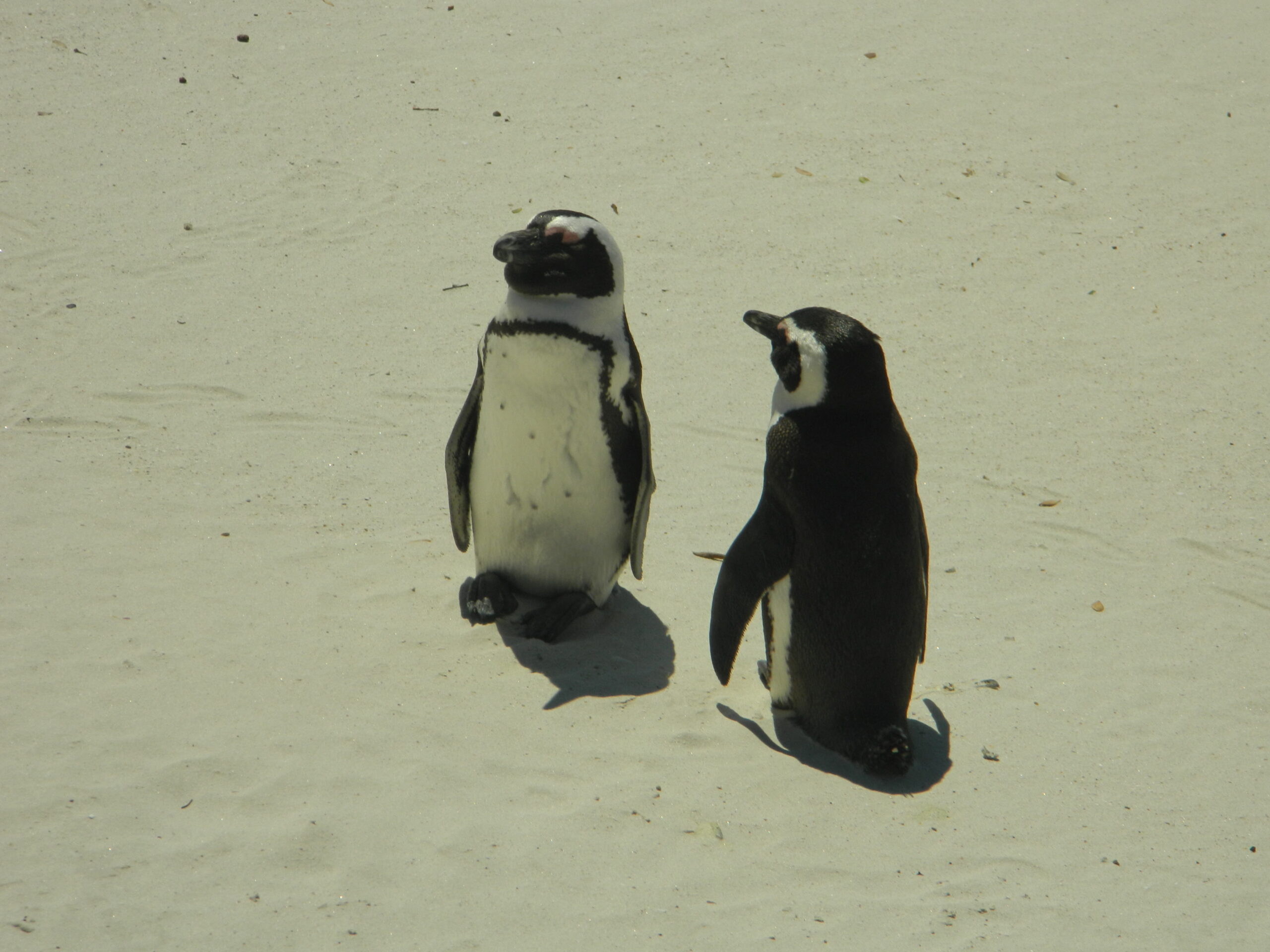
    Here’s a totally irrelevant picture of penguins to lighten the mood…

    Late December, Sea Point, Cape Town

    The walls and tables are painted a matte black, with the name of the cafe written in white. The decor is rustic-chic—a style I’m beginning to identify as a hallmark of upper-middle class Capetonian hipster culture. Bonobo plays on the stereo.

    When I look around, I’m not surprised to see that all of the customers here are white. The servers (just as predictably) are black, but let’s leave that aside for now.

    While the prevalence of these “white spaces” no longer surprises me here (or anywhere, for that matter), I still find them troubling: the climbing gym, music venues, bars, cafes…

    A conversation with my new housemates this morning brought this subject to the front of my mind, though I’ve repeatedly followed this line of thinking during my time in Cape Town—both this year and last. And I think it’s pretty relevant to any society (not just South African) that is both highly stratified and intricately diverse.

    Disclaimer: This is one tiny, ~800-word slice of a massively complex issue. I am not offering any solutions. If I make you stop, think, examine, I will be more than satisfied.

    So.

    The reason for which these white spaces exist are plentiful and fairly obvious. A massive wealth gap divided along racial lines, cultural differences in taste and recreation—the list goes on. Rather than discuss why we have them, however, I’d like to focus on how (or even if) we can confront this phenomenon.

    To be precise, I would like to share how I confront it, in the hopes that it may help someone else. Note that I’m sharing from my position as a white woman experiencing “white spaces”—I’d be curious how the response changes (or doesn’t) when the deck shifts.

    Situation One:

    You walk into a funky little cafe, bar, concert, fill-in-the-blank, and the homogeneity of the whitewashed crowd immediately strikes you, given that you’re in a country whose population is less than 10% white.

    Here’s what you don’t do: You don’t turn around and walk out, because you actually dig this band, the coffee’s awesome, or you’re getting super hungry. You don’t harangue your fellow customers with your guilt-laden complaints about the bitter vestiges of apartheid ruining your cappuccino, because that’s pointless. And you don’t call up your non-white friend to see if they want to hang out—immediately—because, well, I think it’s obvious.

    Here’s what I actually do; it’s something I’d call subtle awareness, and I believe it to be meaningful:

    > First, I acknowledge that I have indeed entered a glaringly white space. I’m not going to ignore it or deny it. The first step to addressing any issue is being aware of it.

    > Second, I examine my motives for being here. Am I drawn to this cafe because it is comfortably, familiarly, safely white? Or have my 25 years of cultural conditioning simply predisposed me to seek out cafes, bars and activities that equally appeal to others of my socioeconomic and cultural background? It’s probably the latter, but it’s always good to check in—honestly—with myself.

    > Lastly, I enjoy my goddamn cappuccino and write this blog while I’m at it, because at this particular moment, what else am I going to do?

    Situation Two:

    You start to notice a pattern. You seem to be consistently ending up in these homogenous spaces, and you’re worried that it’s not helping you become a more aware, cross-culturally fluent or educated individual.

    Here’s what you don’t do: Dig in your heels and maintain your status quo, all the while patting yourself on the back for being more enlightened than “those” people at the table next to you. You don’t immediately dump all your friends and hobbies and look for better ones, either, because that’s silly.

    Here’s what I’ve done in the past:

    > If I think I’m ending up in these spaces because my neighborhoods of choice are problematically homogenous, I may choose to spend time in other, more integrated areas.

    > If I notice that one of my activities (like salsa dance) or one of my favorite bars appears to be more inclusive, I may give that preferential treatment when deciding how to use my time.

    > If I observe one of my regular cafes promoting exchange and openness of any kind, I will offer it my patronage more frequently.

    I don’t know that any of these actions are solutions, really, but I believe they are steps we can take as individuals to ensure that—at the very least—we are not unconsciously supporting subtle segregation in our cities.

    And, I’m not saying there’s not a time and a place for homogenous spaces. Religious, ethnic and other identity groups have every right, and valid need, to assemble as such; however, when we never step beyond our insular spaces, everyone loses.
    Don’t you want to meet and learn from as many (and as many kinds of) people as possible? I certainly do.

  • This is What Conscious Travel Looks Like

    This is What Conscious Travel Looks Like

    I wrote this for a masters application, but I think it’s worth sharing with more than a few admissions officers! What follows is an incomplete, but nonetheless important, analysis of the social, political and environmental issues facing the growing international tourism industry—and what we can do about them…

    ***

    The tuk-tuk driver is angry. The passengers are drunk. Instigating.

    They don’t want to pay. Too much. A crowd of other drivers and tourists collects around the ugly scene. It’s past midnight.

    The situation nearly escalates to blows before friends of the passengers pay for them, and the tuk-tuk driver withdraws, hardly pacified. A bitter tasted remains in the air as the crowd disperses.

    Everything wrong with a global, multi-billion dollar industry comes to a head in these few moments. Economic disparity. Cultural ignorance. Tension: between tourist and local. Competition: between local and local. Anger: everywhere.

    In several years I have witnessed an excess of these scenarios; it is difficult to choose just one.

    Tourism is the fastest-growing industry worldwide, surpassing oil, agriculture and automobiles. Many economies already depend on it, and more will join their ranks as the global middle class continues to expand, nurturing a growing curiosity about other people and other places. International tourist arrivals are forecasted to reach 1.8 billion annually by 2030—up 66% from their current levels.

    If anyone thinks tourism is a frivolous area of concern, now would be the time to think again. The industry has a far-reaching impact, touching environmental, social and political sectors with long, insistent fingers.

    Now, there are meaningful, constructive, sustainable and mutually beneficial ways for tourism to develop in a community, and then there is everything else.

    Unsustainable tourism looks like luxury hotels in Zanzibar that truck in their drinking, washing and toilet water from the mainland (the island was never made to support such population density), and then flush it into the no-longer-so-pristine Indian Ocean. Unethical development looks like private tour companies in Shanghai that exploit local peoples—foreign tour operators organizing for tourists and expats to visit local homes, schools and community centers in order to offer clients an “authentic” experience, yet forgetting to allow those local communities the privilege of self-representation. Economically-damaging tourism looks like property costs rocketing in Cape Town—rendering the cost of living in the city prohibitively expensive to most South Africans, while European visitors happily pay top-euro for short-term rentals.

    I have observed all of these trends up close. Working in media and travel, I regularly witness the negative impact of tourism—and the narratives around it—on local communities. I observe traditions warped to a narrow, outsider’s view of what they should be; competition for American dollars festering amongst former friends; natural havens destroyed by overeager and under-planned development; real, complex history and conflict glossed over by an appealing portrait of tropical paradise.

    Initiatives in sustainable tourism, ethnotourism, slow travel and community-driven tourism are numerous and promising, however.

    As I see it, for the travel industry to move forward—toward promoting cross-cultural understanding, integration and peace, and away from perpetuating disparity, conflict and ignorance—it must proceed in the following ways:

    >> Industry professionals must empower local communities to represent themselves—their stories, traditions, spiritual practices and identities—and move the typical industry narratives far beyond the usual stereotypes and generalizations. Words like “authentic,” “real,” and “untouched”—frequently used in marketing by tourists, professionals and locals alike—must be scrutinized for the rigid cultural portraits they propagate and the complexities they belie.

    >> Local communities must leave space for multiple storylines, idiosyncrasies and complexity to coexist. The wealthy, privileged male perspective commonly embodied by local leaders in tourism is not the only one. Creating space for female voices, religious and ethnic minorities, and other less favored stories to be heard—diversifying tour guides, business owners, service industry professionals and marketing materials—will be a crucial element of inclusive development.

    >> Both local communities and industry professionals must seek to integrate education, interaction and meaningful connection to place wherever possible. It is not enough to gloss over conflict and offer an artificial, romanticized image of a place and its history and people. Moving beyond one-line summaries and fantasized, fetishized representations of otherness, we begin to foster true cross-cultural awareness.

    >> Foreign visitors must seek out experiences of cultural exchange and learning. The power of asking questions, listening (with open ears and closed lips), and maintaining an open mind and heart cannot be exaggerated. Good intentions are not enough; tourists have tremendous power to change industry standards by demanding sustainability, social justice and cultural awareness from the industry they fuel.

    In addition, growing numbers of Chinese and African tourists—both domestic and international—are introducing a new demographic into the industry, with all the challenges that entails. Any initiative in sustainable, socially conscious travel must take into account the varied cultural norms and values of a shifting clientele. Working to understand the market they wish to influence, industry professionals will better develop it to positive effect.

    Lastly, in particularly conflict-prone regions such as Israel and Palestine or post-conflict regions like Bosnia and Herzegovina, it is crucial to take into account the intersection of political events—past and present—and international tourism. Much as one might try, a visit to a foreign country does not occur in a vacuum. The political climate and history of a place are unavoidably relevant to the foreigner, impacting as they do the development of the tourism sector, the on-the-ground experience of the visitor, and the very identities with which one interacts. Moreover, the foreigner acts as a mirror and ambassador, influencing, at the micro level, global awareness and perception of a given place. Given these considerations, we cannot underestimate the power of 1.8 billion people moving around the globe to reflect and influence political, social and cultural dynamics.

    The responsibility for further development lies not only with industry professionals, nor only with local communities or foreign visitors. Indeed, only with a concerted effort from all three sides will this massive modern entity act as a positive force for understanding, tolerance and harmony.

    ***

  • Familiar Things

    Familiar Things

    Sea Point, Cape Town, South Africa

    I’ve been in Cape Town for less than a week now (after nearly a year away), but it seems much longer. In a way, it feels like I never left.

    I’m living (per total coincidence) 15 minutes up the road in Sea Point from where I lived before; the mountains have not changed; I recognize the roads and know the bus routes; friends welcome me back.

    Here are a few of the sights, sounds and sensations that feel familiar, this time around:

    The knobby summit of Lion’s Head Mountain, which has never—not once—looked like a lion’s head to me. (more…)

  • On Leaving

    On Leaving

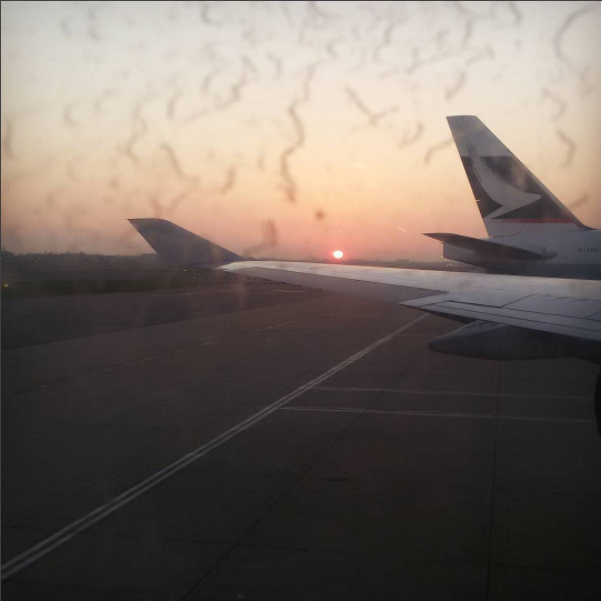
    London, England. Late November. 12:30 p.m.

    My backpack leans against the wall. My second suitcase stands next to it. The kitchen is clean, lights off, curtains drawn.

    I look around one last time, step into the hallway, and shut the door. I’ve left the keys—let’s hope I didn’t forget anything.

    I walk to the Tube (South Kensington) and board the Piccadilly train for Heathrow Airport. I sit down and close my eyes, but I don’t sleep. Instead, I run my thoughts over the past two weeks: the people I’ve met, the food I’ve cooked, the dances I’ve danced.
    (more…)

  • This Blog Post says, Thank You!

    Do you ever experience moments of sudden and unanticipated gratitude?

    I do—every day.

    Thanksgiving, for me, is a lovely excuse to eat good food with friends and/or family; it is not, however, a better occasion than any other to feel thankful.

    Gratitude hits at unexpected moments…

    A twist of recognition in my stomach as I look up from my work on my computer and out the cafe or apartment window.

    A spark of acknowledgement when I slide my latest lunch or dinner creation out of the frying pan and onto my plate.

    A glitter of exhilaration as I study my schedule for the week ahead—free of routine and full of adventure.

    On the street, metro, train, bus, airplane, ferry; in bed, at work, in a cafe, at a dance class; in movement, in stillness, in quiet, in noise—the sharp-sweet realization that this is my life (I have made it exactly to my measurements) hits often.

    It is a feeling of thankfulness free of guilt or regret.

    Here is my body—strong and able to pull me up boulders, hoops, surfboards, poles and mountains. Here are my hands, agile and capable of earning me my daily bread, with enough left over for a steady supply of plane tickets. Here is my heart, free and open to love, to poetry, to wonder.

    Here is the sun, the sea, the mountains and the city, and I am in it. The sun on my skin, the salt in my hair, the mountains at my back, the city at my fingertips—I am in all of it.

    Here is my life—mine—and it’s hard to say exactly how it came to be as it is, but I feel only gratitude for the paths it has taken.

    The thing is…the thing is…hmm…

    The thing is, I’m not grateful because I can travel freely, move freely and think freely. Well, of course I am (I’d be crazy not to appreciate such vast freedom), but it’s more than that.

    If I look at those twists, sparks and glitters of realization—I mean really look at them—I notice something. My acknowledgement is not only of opportunity, ability and freedom granted. I am not just grateful that I can do what I do; I am grateful that I am where I am, doing what I’m doing.

    It’s a fine distinction, but I think it matters. Opportunity—freedom of movement, thought, speech—is only meaningful when taken. We honor the gifts given us when we use them, make the most of them and (maybe) direct them toward the service of some greater purpose.

    That’s why I’m here—writing this blog, working for elephant journal, seeking to learn and share what I learn every day—and I hope being where I am, doing what I’m doing with gratitude and purpose, I might inspire someone else to do the same.

    Yes, that’s the thing.

    Oh, and when you’re ready to take advantage of that freedom of movement you’ve been blessed with, drop me a line—I’d be happy to make some suggestions.

    ***
  • How to Pack One Bag for Life (What’s in my Backpack)

    It’s been two years that I’ve lived out of one bag.

    In two weeks I will take a second (small) suitcase with me to Cape Town, so I might as well write this while it’s still true.

    One of you lovely readers asked me what’s in my bag, and I’m glad you did, because packing lists are one of my favorite things to write. I’m serious. Growing up, I would start making my list weeks before family vacations; I started packing pretty far in advance, too. I’ve stopped making lists (but kept the habit of packing way too early), so this is a fun throwback.

    A few caveats:

    I chase the sun. If you expect your life to include winter, you’ll need more warm things.

    I have my hobbies, you have yours. Your “extras” will likely be completely different from mine.

    I leave things, give things away and pick things up near-continuously. It is useful to have friends and family, in whose basements, attics and closets you can leave things you don’t want to let go of but don’t want to carry with you (especially books). It is also useful to get used to giving away something old to make room for something new.

    I carry many extraneous items. I suggest it to you, too, even if it’s impractical. It’s the difference between going on vacation and carrying “home” with you.

    I will write this packing list like I write recipes—Italian style, not-too-specific, and with room for creative interpretation.

    I’ve split the following list into (I think) logical sections. I hope it may help someone pack for a nomadic existence, a long backpacking trip or an extended stint abroad. At the very least, I hope it will give you a glimpse into the very practical side of long-term vagabonding, and make you smile.

    One Bag for Life

    For when it gets chilly:

    • Bright blue wool socks for which your friends will mercilessly mock you
    • A shower-resistant outer shell (when it rains, you will wish it were rain-resistant too)
    • Bright blue fleece, because there’s no such thing as too much turquoise
    • Sturdy boots/shoes (right now I have trail shoes, but sometimes I opt for boots)
    • A sweater, preferably stolen from a friend

    For all the time:

    • 1 pair hiking pants
    • 1 pair yoga pants
    • 1 pair “Toby pants” (also known as harem pants by those who don’t know me)
    • 1 pair jeans/passably normal pants
    • X pairs socks and underwear (how many? it depends how often you want to do laundry…)
    • 5-6 shirts (some for hiking, some for exercise, and some for normal person-ing)
    • 1 bathing suit
    • Toiletries (pure argan, coconut or almond oil, natural bar soap, toothpaste, toothbrush, tea tree oil, natural deodorant, comb, nail clippers, lip balm, sunblock—yes, that’s it!)
    • First aid kit (which you will never use but carry around forever “just in case”)
    • Sunglasses and glasses
    • Passport, expired driver’s license, bank card, and other assorted bits of paper that sometimes come in handy
    • Birkenstock sandals
    • Reusable bags (for food-shopping, beach day-ing, or hanging on doorknobs to look at and wonder why you’re carrying so many extra bags)
    • Sarong, which serves equally well as scarf, towel and pillow cover

    Because I’m a woman who likes dresses:

    • 1 long skirt.
    • 2 dresses, neither of which are as practical as they should be, and one bright red

    Me-specific things (yours will be different):

    • Yoga mat (I’ve gone with Manduka’s travel mat—it doesn’t get any lighter, it also doesn’t get any less cushioned)
    • Climbing shoes
    • Dance shoes (the super lightweight practice kind—heels are heavy!)
    • Books (rotating; right now The Prophet by Kahlil Gibran, a book of Italian fairy tales by Carlo Collodi, and Bushido’s Way of the Warrior)
    • Notebooks and many, many pens (you will lend them to people and not get them back, so it’s good to have 5-10 on hand at any given time)
    • Laptop (for work; if you don’t work online, maybe skip the laptop—it’s a hassle)
    • Sleeping bag (and sometimes, but not right now, tent or camping hammock)

    Unnecessary but still important things:

    • A large quartz crystal
    • A large quantity of jewelry
    • A large camera
    • Smartphone (for staying up-to-date with loved ones and total strangers)
    • Gifts (for people in the next place you’re heading)
    • Oversized purple headphones
    • Smaller-sized purple headphones
    • Pretty scarves to put on top of ugly tables

    And just like every time I pack my bag, I feel like I’m forgetting something really, really important, but I haven’t left anything out, so that must be everything!

    The moral of this story? We actually can fit everything we need into one bag—for life, or at least for a few years. It’s probably going to be too heavy, and we’ll probably find ourselves missing variety (of shoes especially), but not nearly as often as we’d expect. We’ll get accustomed to accumulating more belongings when we pause for a while, and equally accustomed to shedding them when it’s time to move once again.

    The other moral: Good food is always money well spent. So are experiences. Our stomachs are like endlessly refillable backpacks, and our brains are like slightly leaky, endlessly expandable suitcases. Fill them.

    ***