Tag: travel

  • Yes, I’m Traveling Solo: Self-Defense as a Path to Freedom

    Yes, I’m Traveling Solo: Self-Defense as a Path to Freedom

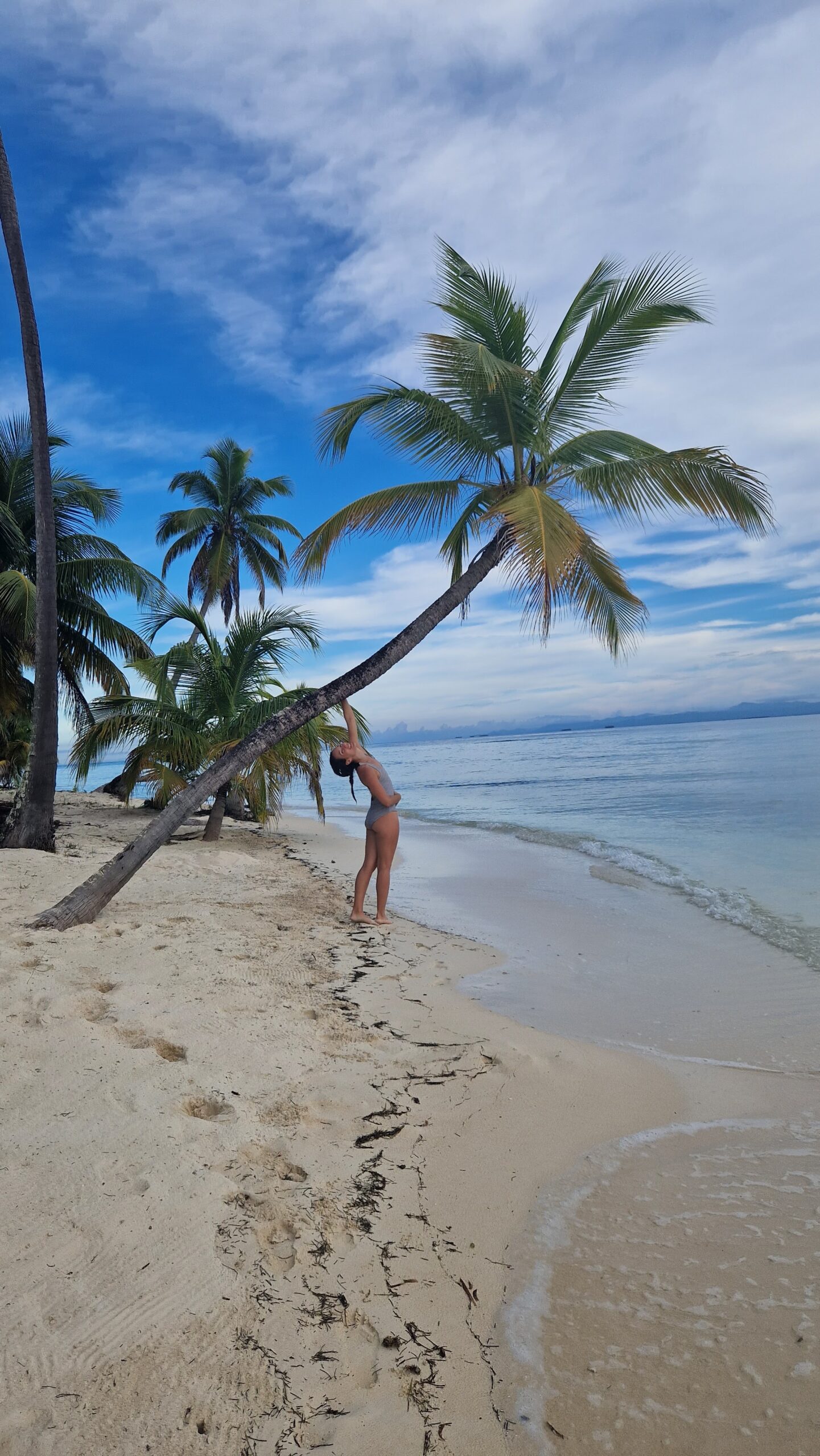
    Ometepe, Nicaragua | January, 2023 | Photo: Thomas Blanc

    Safety is a human right. So is solitude.

    Solo female travel? That’s not possible. It’s too dangerous. Women shouldn’t do that. You should never travel alone. What if you get kidnapped? Aren’t you scared? Go with someone, a friend, a partner—ideally a man.

    As a woman, I have heard every argument in the book against going out into the big, bad world on my own. The fears and warnings above are just the tip of the iceberg.

    These questions/concerns do not intend to fear-monger. They come from friends, parents, uncles, lovers, and well-meaning readers—people who want to see me safe and well. Yet it seemed unfair from the outset that I had to bear the brunt of my family’s concern as I traveled solo, while my older brother had jetted off first without much ado. The double standard always chafed. Of course it all came from love, but that’s not the point. 

    Why did everyone worry so much about my safety, and yet no one ever suggested I take it into my own hands?

    The problem is not so easily reduced to a few knee-jerk comments and Hollywood-induced travel phobias alone. Rather, it’s how these well-intentioned aphorisms reinforce an out-dated social contract that discourages women from enjoying the same freedoms men do that does the bulk of the harm.

    There is a depressing kind of fatalism in writing off solo travel for women forever because, “the world is a dangerous place,” rather than consider, for a moment, that there might be solutions. That there might be strategies for personal safety that do not come at the high cost of freedom and adventure.

    For most of my years of solo travel, I got by on instinct and bravado. “Fake it ‘til you make it” was my response to getting lost, harassed, followed, or accosted. Act like you know where you’re going, like you’re fearless, like you’re unshakeable. Most people will believe it. Eventually, you will too.

    And while this worked, I made it through a decade of solo adventures unscathed, I still lacked some basic tools to not only stay safe, but also enjoy solo travel more. 

    In 2018, however, I seized an opportunity to train as an Empowerment Self-Defense instructor with ESD Global, an organization dedicated to women’s safety around the globe. Realizing that many women yearned to travel solo, but were held back by fear, I decided to offer more than just words of advice or encouragement. It was time for practical skills.

    Action is the antidote to fear. 

    Developed over the past 50 years by female martial artists and violence prevention experts, ESD teaches a compelling mix of physical techniques and verbal strategies for deescalation and boundary setting. 

    It was the missing link, a one-stop shop for women desiring to feel both safer and freer in any environment. After nearly four years teaching this methodology across Central America, I can confidently attest to the transformative power of discovering our inner fire. Knowing what our body and voice can do, and trusting we know exactly how to use them, instills cultivates a valuable baseline of confidence and self-reliance for solo female travelers.
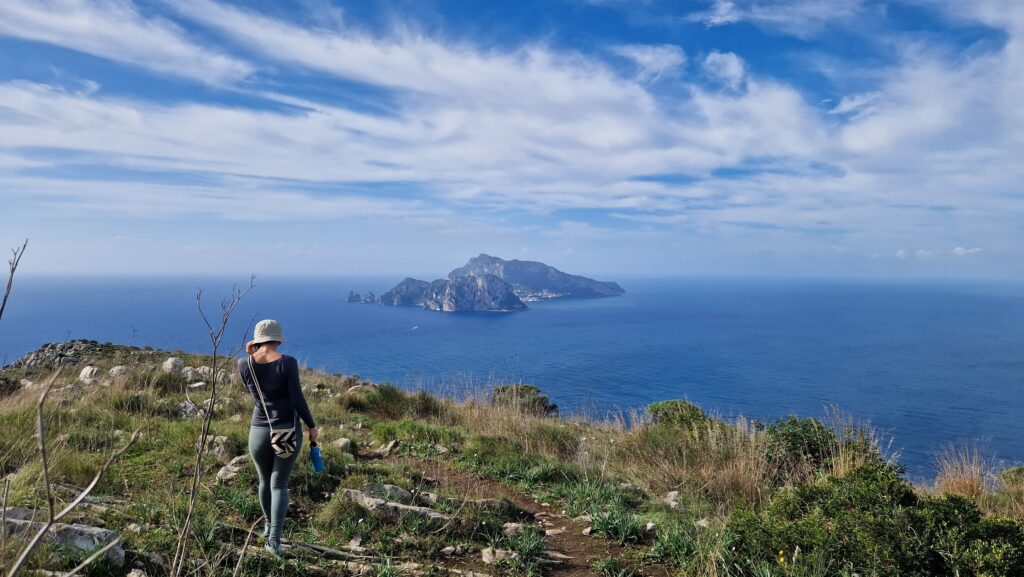
    Amalfi Coast, Italy | November 2023 | Photo: Thomas Blanc

    Below are my 5 go-to strategies for staying safe as you travel, without sacrificing a single glorious moment of your solo adventure.

    1. Listen to Your Intuition 
      Women too often internalize the social conditioning that everyone else knows more about our boundaries and our bodies than we do. In fact, we know very well when a situation is unsafe and, conversely, when we can relax and settle.Intuition is the soft, quiet voice that whispers in your gut, “Yes.” “No.” “This way, not that way.” “Danger.” “All clear. The trick is learning to listen, and then trust that voice. When we are conditioned to ignore our gut, intuition feels ungrounded and impractical.In fact, it is very much the opposite. Intuition warns us when a person, place or situation is potentially dangerous. It may feel like tightness in the chest or belly, shaking in the hands or legs, buzzing in the forehead, or a general sense of tension or closing in. And, it will guide us to know when to trust new friends or dive into “risky” adventures. That may feel like openness in the chest, relaxation or softness in the belly or jaw, or a general feeling of leaning in. The more we heed these signs and engage with our intuitive mind, the sharper it will become.We can practice listening to our intuition in small ways—eating when hungry, resting when tired, changing position or taking a deep breath when our body asks for it—and with mindfulness practices such as yoga, meditation, martial arts, or unhurried time in nature.
    2. Understand “The Interview”
      The interview is a well-documented occurrence in gender-based violence, whereby a potential attacker “interviews” a potential victim by slowly and progressively pushing her boundaries to see if or when she will act in self-defense.Whereas popular culture leads us to think that violence against women is sudden and unexpected, most attacks are in fact slow and deliberate. Each step of the interview is an opportunity to set a boundary: They follow you in the street or on the trail. They start to ask you personal questions on the bus or at your campsite. They touch you in a way that feels uncomfortable. They don’t respect your “no.”We will often wait to be “sure” of a person’s intentions before setting a hard boundary or expressing a firm “no.”Fear of offending or overreacting leads us to disregard our own needs and our own intuition to avoid rocking the boat. This is exactly what a would-be attacker is counting on. The sooner you can identify an “interview” situation while traveling, the more easefully you can de-escalate, speak up, escape, seek support, or otherwise stay safe.
    3. Use Your Voice
      Be loud, assertive, and unapologetic. The best way to stop “the interview” in its tracks is to use one of the most powerful weapons in our arsenal: our voice. Setting clear, firm boundaries can deter a would-be attacker and deescalate a potentially violent situation before it starts. Your intuition will tell you when and how to use your voice, be it calmly stating a boundary, or shouting “NO” at the top of your lungs.
      Women often learn from a very young age to stay quiet, to play nice. And so it takes practice to override this conditioning and train ourselves to speak up when we feel uncomfortable or unsafe. It is vital that we do so, however. In a situation of attempted assault, it can save our life. (Note: Using the voice is not about calling for help, although we can also ask for support from bystanders if that feels like an option. Activating the voice connects us to our own core power, disrupts the “freeze” response to danger, and also discourages a potential attacker.)
    4. Stay (& Look) Aware
      Whether on the road, in the woods, or right at home in your neighborhood, awareness is key for personal safety. Staying vigilant—no need for stress or tension—not only helps us to identify danger or risk well before it becomes an emergency; it also can help us get oriented in a new environment, observe more details and beauty along our journey, and enjoy our adventure with full-bodied presence. As we rely more and more heavily on technology for navigation and communication, we may feel the urge to check our phones frequently. As a traveler, the best thing you can do is keep your eyes up, phone away, and look and act like you are confident and at ease, regardless of how you feel.
      Keeping your shoulders back, your chin up, your gaze relaxed and alert, and your feet wide serves two purposes: It communicates to the outside world that you are confident and aware (and you are). And, it sends a message to your own brain and body that you are not afraid to take up space, increasing your self-confidence and security at a cellular level.
    5. Keep it in Context
      Let’s put the concept of women’s safety in context. At least 90% of gender-based violence worldwide is perpetrated by someone known to the victim. 59% by an intimate partner. The “stranger danger” narrative of personal safety and self-defense ignores the bigger picture: As women, we are not at higher risk out in the woods or on the road. In fact, we may be safer there. Despite the cultural narrative around personal safety, all the fears and warnings I shared above, solo female travel is not in fact more dangerous than being a woman at home, at work, or in a relationship. So if doubts about safety are holding you back, or if friends or family challenge your travel choices, it may be helpful to consider that just being a woman is risky stuff.
      Staying home won’t necessarily keep you safe, and neither will staying close to friends or significant others. At times, these may in fact pose a greater threat. So you might as well go out there solo and live your adventure. (If you would like to dive deeper into this kind of training, I recommend exploring ESD or IMPACT Personal Safety Classes in your area.)

    Empowerment Self-Defense is about offering new options and alternatives, not tossing out all the strategies we already have. I know every single one of you already has a toolkit packed with self-defense techniques, whether you call them by that name or another.

    So what would you add to this list? What are your go-to strategies for feeling secure and confident on your solo adventures? Share your experience in the comments!


    Originally published on Roofnest.

    Learn more about my empowerment self-defense work at www.mujeresfuertes.org, or support our fundraising efforts here.
  • Assertive Communication for Solo Female Travelers

    Assertive Communication for Solo Female Travelers

    assertive communication, envision festival, empowerment self-defense
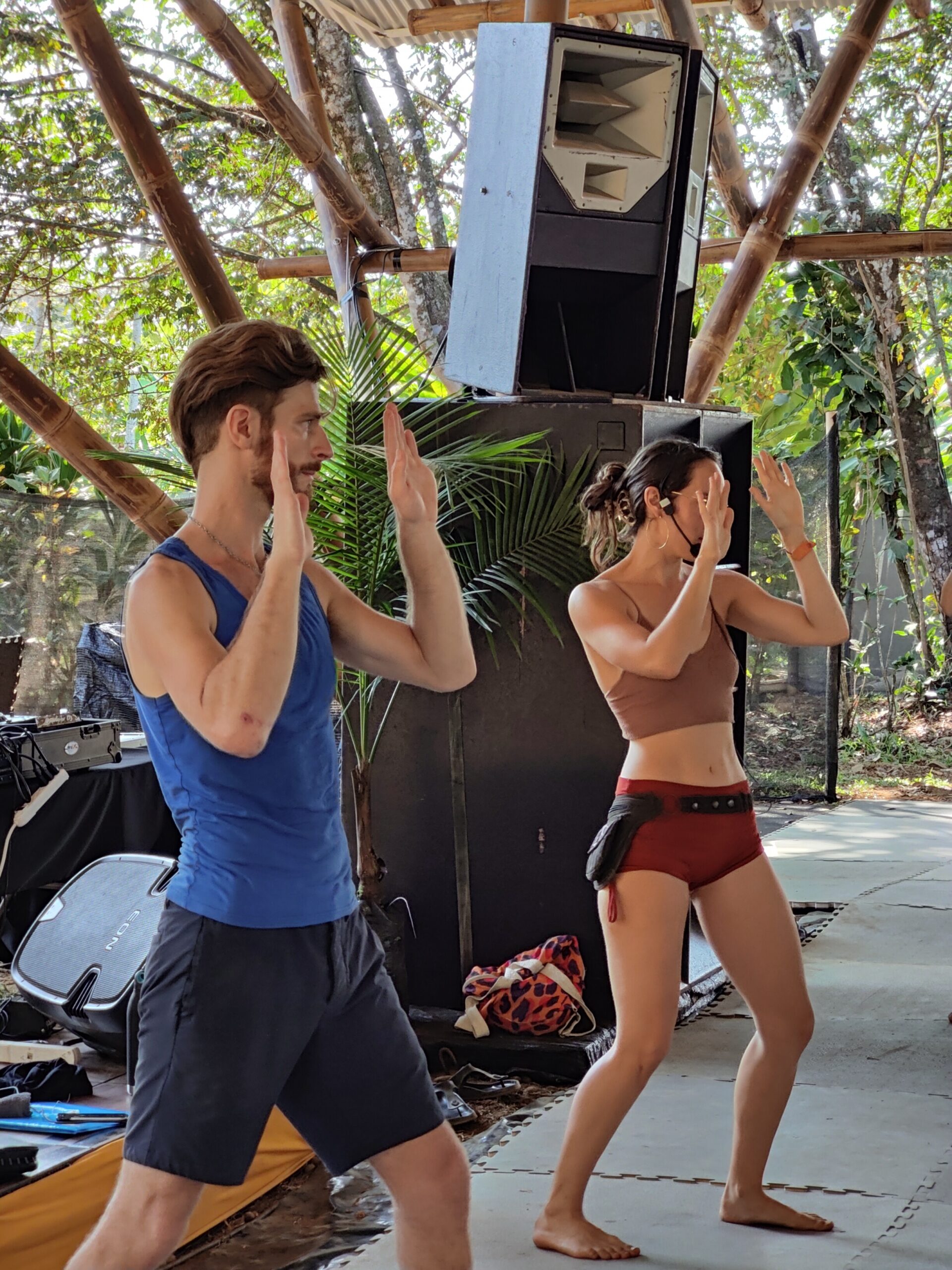
    Teaching Empowerment Self-Defense & Assertive Communication at Envision Festival, March 2023.
    Photo Credit: Hestia Photo Experience.

    Originally published on Roofnest.

    How to set boundaries and utilize assertive communication tools in any culture and any situation

    Stories of harassment and stalking for solo female travelers are a dime a dozen. At home as much as on the road, a woman’s body, space, and boundaries are liable to be disrespected on a daily basis. Assertive communication can make a world of difference—wherever you want to go in the world.

    Harassment is an unforgivably common part of the female experience, and it has become unremarkable in its ubiquity. However, just because we have normalized this behavior, that does not mean it is in any way acceptable. 

    Particularly for women traveling alone, harassment can be a serious issue, causing feelings of insecurity, potentially leading to serious danger, and almost always turning an epic adventure into a battle for basic respect. The good news? It is entirely possible—and necessary!—to communicate and enforce boundaries with grounded assertiveness whenever you feel unsafe or at risk. 

    It may feel uncomfortable at first. That’s okay. It gets easier. You’ll probably even start to enjoy your newfound no-nonsense communication style after a while. 

    You have a right to move through the world without the socially mandated protection of a travel companion or partner. You have a right to define and defend your boundaries, regardless of who is traveling beside you—if anyone.

    As women, as travelers, and as human beings, we have an opportunity to practice setting and standing up for our boundaries in small ways every single day. As a self-defense instructor, I believe it is imperative that we do so.

    In this blog I will share my top three strategies for boundary setting and assertive communication. These are my favorite verbal techniques to teach in my self-defense workshops, and I believe they are critical skills to practice in daily life—whether in your home territory, out on the road, or on the other side of the world.

    Note: While it is good to push beyond your comfort zone and engage with an unfamiliar culture as much as possible, a hard no is still a hard no. Cultural differences are real, and may impact norms around communication, personal space and physical affection. Nonetheless, you are in charge of your body and your space, and ultimately you decide what is okay for you, and what isn’t.

    3 Fundamental Boundary Setting Techniques for Solo Female Travelers:

    1. Say No. As a solo traveler, you should quickly get comfortable with saying no: “No, I don’t need a taxi.” “No, I don’t want a guide.” “No, thank you, that’s beautiful, but I don’t want to buy it.” It can be a “no” with a smile, or a “no, but thank you so much.” However, if the message isn’t getting across with gentle, polite communication, sometimes you have to be more assertive: “I said no,” on repeat, with an even, low tone of voice and confident posture, usually gets results.

      Unfortunately, just about anywhere you go in the world, a woman’s “no” doesn’t receive the same immediate respect as a man’s. Nevertheless, “no” is a complete sentence, requiring neither apology nor explanation. Do not fall into the trap of negotiating over your no, or you will end up spending time, money, and energy on conversations, things, and people you don’t actually want. Of course you can apologize or explain if you want to. The point, as I am constantly reminding students in my self-defense classes, is that it is a choice, not an obligation.
    2. Be a Broken Record. When dealing with harassment—unwanted touch, flirtation, or other behavior—a similar technique works well. Choose one line (e.g. “I don’t want to talk right now.” “Do not touch me.” “Leave me alone.”) and stick with it. It is hard to argue or manipulate past stolid repetition. Be a broken record, repeating your one, assertive line until the person gets the message. There is no need to shout or get defensive unless the harasser becomes more threatening.

      A low, even tone, confident body language, and a refusal to enter into any negotiations (but why? Come on… I’m just being nice, etc.) can put a stop to a lot of unwanted behaviors.
    3. Name and Change It. An alternative strategy involves “naming” the behavior we want to change or stop. This is one of my favorite techniques. 

      We first name the behavior (e.g. “Your hand is on my leg.” “You’re staring at me.” “You’re following me.”) without questions or qualifications. Questions invite response, denial, or negotiation. In a dangerous or uncomfortable situation, we don’t want to start a conversation or argue over the facts; we just want to make the necessary changes to feel safe. 

      After naming the behavior, we demand the change we wish to see (e.g. “Stop touching me.” “Leave me alone.”) without feeling obliged to ask nicely or say please. If once is not enough, we can return to repetition until the message lands.

      I love this technique for several reasons. First, it leaves no room for doubt; we both know what’s going on here, and we’re not going to argue over that. Second, it alerts any bystanders to the situation. Finally, it clearly states a boundary: “You’re doing this. I don’t want you to. Stop.” If the behavior persists, we then know a person does not respect our boundaries or care about our needs.

      If the situation calls for it, you may also want to turn up the volume. Yelling has been shown to prevent as many as 50% of assaults against women. The voice is a powerful self-defense tool. To yell effectively, be sure to use your belly—singers, actors, and public speakers will already know how to do that—to protect your vocal chords and bring more power and resonance to your voice. I encourage trying this at home! Tell your neighbors you’re taking an acting class (this explains everything), grab a few friends, blast some music, and practice shouting “NO!” as loud as you can. Remember to yell from your center; it can be helpful to keep your hands on your belly as a tactile reminder when practicing.

      People who attack, assault, or harass other people are not superhumans. They are vulnerable to someone shouting in their face, the shame of being called out publicly, or the human discomfort of being confronted directly with their bad behavior. While it should never, ever be anyone’s responsibility to avoid assault or harassment—and a victim is never, ever to blame—these are real risks, especially for women, everywhere in the world. Whether close to home or abroad, we should all feel prepared to take our safety into our own hands.

      Solo travelers, what are your go-to strategies for setting boundaries and keeping your communication clear and assertive? Share your wisdom in the comments!

      Want to learn more solo travel safety tips? Check out these 5 Essential Safety Strategies for Solo Travel.
  • What is Transformational Travel, Really?

    What is Transformational Travel, Really?

    transformational travel, costa rica, toby israel, numundo

    Look closer. That yoga class is a portal into mindful movement and heightened self-awareness. That farm tour is an introduction to the revolutionary world of permaculture, closed-system loops, and community living. That simple sharing circle is an initiation into a different way of communicating and relating.

    Look closer. Our world is shifting…evolving…transforming — for better and worse. Widespread ecological degradation, disconnection from self and nature, and lack of purpose urgently demand solutions. We must respond with a global shift toward regeneration, reconnection, and repurposing.

    We are already responding. These shifts are happening.

    They are present in the inspiring growth of the global ecovillage movement. They are present in the increasing traffic to platforms like NuMundo, Gen Europe, and Fellowship for Intentional Community.

    Look closer, and you’ll see that the regenerative future is right under your nose.


    View this post on Instagram


    A post shared by lola méndez☽ ethical travel (@missfilatelista) on

    Last month, I had the unique privilege of both facilitating and participating in a press trip highlighting the thriving transformational travel movement in Costa Rica.

    We visited NuMundo impact center Rancho Margot, an exceptional permaculture research, education and retreat center in the Arenal area, and Nammbu, the physical manifestation of your dream (eco) beach getaway. Along the way, we explored the theme of transformation in theory and practice, with ceremonies, yoga classes, excursions in nature, sharing circles, profound conversation and a collective effort toward digital detox.


    View this post on Instagram


    A post shared by The Tico Times (@theticotimes) on

    The pre-trip documents included the following thoughts on the multifaceted travel phenomenon at the heart of our mission:

    “What is Transformational Travel?

    This is not a simple question. As “Transformational Travel” becomes an increasingly popular buzzword in the wellness tourism industry, it is getting harder to pin down the essence of this trend. But we believe it’s important to try…

    A woman jumps from a waterfall, conquering her fear of heights and reigniting her hunger for adventure and new experiences.

    Is this transformational travel?

    Following a difficult breakup, a young professional quits their job, sells everything but a backpack’s worth of belongings, and sets off to explore the world. They discover many ways of living they never could have imagined at home.
    Is this transformational travel?

    Burnt out from a stressful, overstimulated life in the city, a woman travels to Costa Rica for a 7-day nature and yoga retreat. After delving into many mindfulness practices she never had the time to try, she rearranges her world to support a healthy mind, body, and spirit.

    Is this transformational travel?

    A man participates in a plant medicine ceremony, facilitated by trained guides, and returns to his former life with entirely altered thought patterns and a new connection to nature.

    Is this transformational travel?

    The answer to all of these questions is yes. Each of these scenarios is, potentially, a perfect example of transformational travel. Of course, this is far from an exhaustive list.


    View this post on Instagram


    A post shared by Tui @ Blue Butterfly CR (@blubutterfly88) on

    Overall, this evolution marks an exciting progression toward traveling with greater intention, growth, positive impact, and (of course) transformation.

    Transformational travel is, to us, more than the “next big thing” to follow sustainable travel, intentional travel, and eco travel. It represents the deep potential for tourism (a rapidly growing global industry) to evolve into meaningful, life-enhancing journeys. And it simultaneously supports the notion that the tourism industry can be regenerative — rather than extractive — for local people and environments.

    Those are some big shoes to fill. It won’t happen all at once, but we’re extremely optimistic about the trends toward eco-restorative and human-restorative travel in our home of Costa Rica… and around the world!”


    View this post on Instagram


    A post shared by Nu_Mundo (@nu_mundo) on

    Beneath the Buzz: The reality of Transformational Travel

    As I’ve mulled over this concept in preparation for our press trip(s), I’ve come to believe we can break down this buzzword into a couple key components:

    Transformational travel is personal. It can be small, like deciding to keep a regular mindfulness practice or cooking at home more. It can be a massive life shift like moving to the other side of the world or starting a new business. But there is some kind of internal shift, personal growth, or deepening of self-awareness.

    But it also ripples out to touch our communities back “home.” Transformational travel doesn’t stop when the trip ends. Or rather, a transformational journey does not have a fixed end point. Transformation is about process, evolution, and action. And so, the movement sparked by a transformational experience continues, according to the laws of inertia, far beyond the initial impetus. It follows us, fuels us, and ignites further shifts in our communities.

    And it must have a positive impact on the places visited. This last element is crucial. It makes the difference between a nice-sounding travel trend and a real, meaningful shift in the tourist/traveler mindset. Transformational travel requires that we flip the traditional extractive model of tourism on its head — regenerating and contributing rather than Not to be confused with “eco-tourism” or “greenwashing,” transformational travel implies grassroots, integrated, inclusive initiatives that benefit local communities on their own terms.


    View this post on Instagram


    A post shared by Amarna Miller (@amarnamiller) on

    Of course, this summary is far from exhaustive. In conversations about transformational travel, each press trip participant offered their own perspectives, based on their own experiences, expertise, and passions. Some focused more on adventure and conquering self-imposed limitations, others on spirituality and self-actualization, and still others on getting off the beaten path and into truly local experiences.

    All of these are valid, and all bring value to our dynamic conversation about the evolution of travel.

    Because ultimately, transformational travel is about you. It’s about me. And it’s about how we’ll connect — to one another and to our communities — to create something real.


    View this post on Instagram


    A post shared by Toby Israel (@tobyintheworld) on

    What Do You Think?

    This is a conversation, and there are as many answers as there are travelers experiencing true transformation through their journeys. So, I’d love to hear from you:

    What does transformational travel mean to you? How can we do it, share it, and live it?

    Please share your thoughts and experiences!


    Originally published on the NuMundo blog.

    This unique experience came to fruition in collaboration with Desafio Adventure Company, Blue Butterfly Events, and the Costa Rica Tourism Board.

    Check out my upcoming transformational experiences at my retreats page!

  • Choose Power: A Dream-Inspired Thought Experiment

    Choose Power: A Dream-Inspired Thought Experiment

    It’s been a wildly busy month, and though sharing something here has been on my to-do list every week, it just keeps getting pushed to the bottom. So as not to fall into the habit of not posting, I thought I would share this short thought experiment.

    About a month ago, I dreamt about a bus that wouldn’t stop. The more I yelled at the driver, the more he seemed to ignore me. I watched with growing panic as my destination disappeared behind me on the highway, until it became just a speck.

    But finally, the bus did stop. I thought I was angry… the driver was outraged! “Who are you?” He shouted. “Who are you to tell me to stop?”

    Hmmm.

    And so here is my thought experiment about choices and power and surrender and control:

    A post shared by Toby Israel (@tobyintheworld) on

    The bus is moving, and none of us gets to decide when we get off.

    Angry? Too bad, the wheels are still turning.

    Sad? You’re not the only one, but there are no breaks (…and no brakes) on this ride.

    Confused? Join the club—no one’s been down this road before.

    The bus is moving, and you don’t get to choose when it stops. The driver is deaf to your shouts of “slow down!” and “hurry up!”

    But don’t think that means you don’t have any power.

    You have all the power.

    You choose whether to yell or laugh. You get to decide to make a scene when the familiar vanishes in the distance—or to sit down and soak in the wild frontiers.

    You, and only you, determine how you react to the bumps, flat tires, detours and accidents.

    So someone stomped through with dirty boots. That’s alright too. Or maybe, for a few minutes, it’s not alright at all. Be angry. Be sad. Be confused. But then remember that you don’t have to be. Their dirty boots don’t have to be your problem.

    You still have power over you.

    Even though the driver doesn’t listen, your heart will. So tell it sweet things, always.

    A post shared by Toby Israel (@tobyintheworld) on

  • In Defense of Aimless Wandering, Revisited

    In Defense of Aimless Wandering, Revisited

    I’m riding from Sweden to Finland on a ferry named Grace, pondering over aimless wandering. I’ll come back to that.

    Grace is probably ten stories high. She has a club room and a casino, cafes and restaurants, cocktail bars and a dog toilet. She is more floating apartment building than ship, but she floats as she is meant to and she will bring me from Stockholm, Sweden to Turku, Finland in just over eleven hours. For fifteen pounds, that was a slow travel bargain I couldn’t pass up.

    I’m the foggy kind of tired after a weekend of midsommar celebrations, camping adventures, and repeated sunrise-instigated wakeup calls at 4:30am.

    The weather sympathizes. Thick clouds crowd the sky and cast the archipelago (stunning, by the way) in monochromatic grayscale. A drizzle comes and goes; the “sun deck” is slick and empty.

    I sip sour-tasting ferry coffee, which does nothing to clear my head, but successfully destabilizes my hands, and watch the procession of tiny islands. Some have just enough space for a single house; others boast dense stretches of pine forests. I daydream up a contraption that could hitch to and unhitch from the passing ferries and allow me to island hop. (I realize they’ve already invented one better…it’s called a motorboat.)

    And I’m thinking about wandering. Aimless wandering.

    In fact, I’ve been thinking about aimless wandering since it came up in discussion during the week-long wild wandering school in which I participated earlier this month.

    Actually, I’ve been thinking about aimless wandering for much longer than that—since one of my first forays into vagabonding in early 2014—and just briefly forgot to think about it until that discussion reminded me.

    For the past couple of years, my wandering hasn’t been so aimless. With so much work to do and so many friends to visit, I’ve planned my travels more often than not. “You’re in London in July? Great, I’ll come to London in July.” “I have one week free after Portugal…perfect, I’ll see you in Barcelona.” “I need wifi for work this week; I’ll just stay in the city.”

    But there is value in wandering aimlessly. So much value. I still believe that.

    As I gather the skills to wander ever more gracefully, I hope to welcome more aimlessness back into my life. I’d like to invite you to do the same…

    What is aimlessness? It is space, and it is time. Space to move without restraint or reservation, and time to observe without hurry. Space to expand, in body and spirit—and time to be utterly still. Space for silence. Time for reflection. Space for reflection. Time for silence.

    Aimlessness isn’t purposelessness. Not to me.

    Aimlessness isn’t meaningless. Quite the contrary.

    Aimlessness isn’t absence from life; it is full-bodied presence in it.

    To wander aimlessly is to move through the world without the conceit that we actually know what is coming next. That is, to move through the world with grace. (Told you we’d come back to it.)

    So here I am, sitting on a ferry named Grace, thinking about aimless wandering.

    And I’m thinking that maybe aimless wandering isn’t a choice, but a description of how we are, all of us, moving through life. Whether we like it or not. Whether we acknowledge it or not.

    We don’t know what’s coming next, but we can go to it with purpose. We can go to it dancing.

    There is space to expand, and there is time to be still.

    Why not embrace it?


    Leaving Stockholm:

    A post shared by Toby Israel (@tobyintheworld) on

  • Some Stuff I Liked in Portugal: A Rough and Tumble Guide

    Some Stuff I Liked in Portugal: A Rough and Tumble Guide

    Portugal has made it onto just about every top travel list this year, and with good reason.

    I loved the month I spent there in every way, and I want to share some of the goodness with you.

    If you’re looking for the definitive guide to the country, this is not it. On the other hand, if you want to know about some of the places, food, and other things I really enjoyed, I’m so happy to share my favorite spots with you.

    Enjoy this rough and totally incomplete guide to sunny Portugal. And feel free to ask if I didn’t mention something you want to know about—maybe I forgot!

    I give to you…some stuff I liked and things I did in Portugal, in no particular order:

    Praia da Areia Branca

    Just 70 kilometers (1.5 hours by bus) North of Lisbon, Praia da Areia Branca is (one of) the chillest spot(s) I know to surf, yoga, and write songs in Portugal. Granted, I only went to two areas on the beach, but I’d go back, and that’s saying a lot. A week is perfect; I think less than that would be too short.

    Stay:

    Lemon Tree Hostel

    Gorgeous garden out back, choice of shared or private rooms, super affordable if you go in low or mid season and opt for the surf-yoga-stay package. Comfortable, clean, and graced by the warmest and most welcoming hosts.

    Pura Vida Surf Hostel

    Dorms, doubles, and privates. Not actual sure how it’s different from Lemon Tree. Maybe cheaper and closer to the beach?

    Surf:

    A post shared by Toby Israel (@tobyintheworld) on

    Ripar Surf School

    Nicest (and, in my roommate’s opinion, cutest) surf instructors around. Great value for money. Packages available for surf/yoga/stay, or just surf/stay. As it turns out, I don’t like surf lessons, but if you’re looking to learn, this is the deal for you.

    Yoga:

    Yoga lessons with Carla (organized through Ripar/Lemon Tree) are a necessary complement to hours of surfing in the cold Atlantic. She is a gem of a teacher, and I was lucky to wander into her class for a week.

    Eat/Drink:

    Foz—

    Fresh seafood, sunset views…what else is there to say? Go for one of the grill options. I won’t ruin it for you, but the skewers are served beautifully.

    Sol Mar—

    Catch the sun from the open terrace and relax to the sound of the waves, or sit inside and enjoy some particularly well-chosen beats. Veggie burger isn’t bad, and I hear their beetroot salad is excellent. Lemon-ginger infusion is perfect for post-surf warm-up.

    Bar Central (or maybe it’s Cafe Central…you should probably ask) (Lourinha)—

    If you have a car, or a friend with a car, this cafe is worth the 10 minute drive from Praia da Areia Branca for some of the tastiest Pasteis de Nata in the area. Buy a box and bring some back to share.

    Dance:

    Baracca Bar—

    I did not go on working-surfing holiday expecting to stay out dancing until two in the morning, but that’s exactly what I did my last night in Praia da Areia Branca. The DJs on a Saturday night were unexpectedly exceptional.

    Shop:

    Kidding. This is not where you go for shopping.

    Porto

    A post shared by Toby Israel (@tobyintheworld) on

    Porto and I are totally going steady. Portugal’s tiled, hilly, artistic northern city won my heart within twenty-four hours. I even forgive it for being uphill in every possible direction. A three-hour train or bus ride from Lisbon, it’s an easily accessible (and, in my humble opinion, unmissable) stop for any itinerary.

    Stay:

    Salema Cosy Home

    I would highly recommend the Airbnb studio apartment I rented just to the north of the city center. Ideal for solo travelers, couples, or really good friends. Hosts were kind, solicitous, and excellent communicators.

    Eat:

    Ristorante Sai Cão (Rua do Bonjardim)—

    Keep walking up past Trindade metro, cross the main road, and look for a blue awning on your left. Great local spot—according to my hosts people come from all over Porto to eat here—and menus for 4-5 euros.

    Raiz—

    Menu looks great. Comes highly recommended. I didn’t actually get a chance to eat here.

    Foz Fish Restaurants—

    Follow the Douro River toward the sea (walking). When the ocean comes into view and Foz is just around the corner, you’ll come to a strip of seafood restaurants on the sidewalk. Pick the busiest one, and enjoy some of the freshest, cheapest fish around.

    Francesinha—

    The famous Porto sandwich—layers of meat and cheese, and covered with a tomato-based sauce—available at just about any restaurant for 5-8 euros. I recommend sharing with a friend to avoid instant heart attack.

    Drink:

    Bar Candelabro—

    Enjoy a coffee or port wine surrounded by old books. This quickly became my favorite spot to read and write in the whole city. Social hub by night, calm cafe haven by day.

    Cafe Majestic—

    Gorgeous (almost over the top) explosion of mirrors, brass, candelabras, and overdressed waiters. Have high tea for 20 euros…or sit down, take pictures, look at the menu and walk back out and head for Bar Candelabro instead.

    Maus Hábitos—

    Art gallery with bar/restaurant space, situated above a parking garage (you have to know to look for it). Funky, creative ambiance, perfect for a drink with friends, and supposedly there’s dancing on the weekends.

    Dance:

    Rua Cândido dos Reis—

    Take your pick from a whole street full of standard bars-with-dance-floors. Nothing exceptional, but they serve their purpose if you’re looking for a party on a weeknight. Bar hop to get the full experience—Britney Spears one minute, Kizomba the next, and old school hip hop after that.

    Party Boat—

    Not sure how to give instructions for this…Walk along the river in the early evening. Look for a cruise boat blasting music and crowds of young people waiting to get on board. Get lucky, and buy the last two tickets to a sunset cruise dance party. Alternately, river sightseeing cruises are available daily (without the party).

    Shop:

    Out To Lunch

    Tiny but ultra-chic selection of footwear, bags, and a few clothing items, owned and stocked by a man from Tokyo with a great eye for functional-yet-beautiful style. Boutique prices.

    Pop-Up Store—

    Good luck finding it, as it comes and goes, but if you do manage to stumble upon it there’s a whole world of local designers and cooking classes inside!

    Do:

    Rent a Scooter (140 Rua da Alegria)—

    A post shared by Toby Israel (@tobyintheworld) on

    They think of everything, so you don’t have to. Equipped us with helmets, smartphone charger, maps, plans for the day, goggles. All we had to do was hop on and get lost—and we did this spectacularly well. Set your map directions to “bicycle” to avoid highways and get into some interesting wooded situations.


    Matosinhos

    Don’t go here unless there are waves. Maybe for an afternoon to eat fish (Matosinhos has the best fish in the world, according to their tourism office).

    Surf:

    If there are waves, Matosinhos is an easy day trip from Porto. Take the A metro or the 501 bus from Porto center, and hop out half an hour later in the dilapidated, possibly haunted, urban surf spot. Many surf schools on the beach where you can rent equipment.

    Stay:

    Fish Tail Sea House

    Good value for money. Well-equipped kitchen. Free bikes. Comfortable beds. Private rooms and suites available.

    Do:

    Kidding. Go for walks on the beach. Enjoy the downtime.

    Lisbon

    Charming, imperfect, and full of unexplored corners, this is my kind of city. Come for the food, the walking, and the music.

    Stay:

    Dom Dinis Studios

    This one’s a splurge. Save it for a special occasion or for traveling with your mom. 😉 Ideal location if you like things quiet at night, walking distance to Bairro Alto and lots of funky bars and restaurants, but situated in a local, not too touristed part of town.

    Be Lisbon Hostel

    Budget option. Basic, but nice breakfast, clean rooms. Basically all you can ask for from a hostel.

    Do:

    Take a Cooking Class

    lisbon, portugal

    Another splurge, but a day-long adventure complete with visiting a local food market, learning loads about Portuguese cuisine, and cooking a ridiculously tasty multi-course meal, wine included.

    Visit Sintra—

    Again, I didn’t actually do this, but my friend did, and suggests taking a train to Sintra, renting scooters there, and then motoring out to the Westernmost point in continental Europe, Cabo da Roca. I’d take her word for it.

    Walk—

    Everywhere. The famous Tram 28 is crowded, to say the least; if I had to do it again, I’d probably just pull on my walking shoes and take a three hour wander from Bairro Alto to Alfama (wonderful twisty little roads) and back.

    Go to Belém—

    portugal

    The port of departure for some of the most famous naval expeditions in history, Bélem is an easy (though hot and crowded) bus ride from the center of Lisbon. Wander over to the fort, but by all accounts don’t bother going inside, eat the Original Pastel de Belem at the cafe of the same name, Pasteis de Belem, and pause to soak in the ornate architecture of the Jerónimos Monastery.

    Listen:

    Fado—

    A Tasca do Chico in Bairro Alto came highly recommended for a Fado music experience. Don’t make the same mistake we did; you need a reservation or you will not get a table in this tiny spot. Go for the music, not the food.

    Eat:

    Everything.


    Sagres

    A post shared by Toby Israel (@tobyintheworld) on

    I couldn’t resist visiting the farthest southwest town in Europe, and it far exceeded my expectations. This place is definitely magic. According to my airbnb host, it has something to do with the rocks. Whatever it is, this would have to be my top pick for a chilled out beach holiday. Go out of season; I hear the summer gets hectic.

    Stay:

    Sunshine Guest House

    I loved my stay at this laid-back oasis right at the edge of Sagres. Liz is a wonderful host, the garden is as peaceful as peaceful can be, and you could comfortably fit two people in the double room.

    Memmo Baleeira Hotel—

    If you’re going for upscale, this four-star hotel has some truly beautiful views of Sagres harbor. That’s all I can tell you about it, since I never actually stepped inside.

    Do:

    Surf—

    Watch out for the rocks at Tonel Beach, especially if you’re like me and wipe out more than you ride waves. But the water is beautiful, not as bitingly cold as farther north, and the dramatic cliffs surrounding the beaches make an unbeatable view once you make it past the break point.

    Cabo de São Vicente—

    A post shared by Toby Israel (@tobyintheworld) on

    This marks the actual farthest southwest point in all of continental Europe. It’s a slightly-hilly-but-enjoyable 6km pedal from Sagres town; if that’s not your windy cup of tea, I believe the regular local bus goes that way several times a day. Leave time to wander the paths along the cliffs

    Wander—

    The beaches. The cliffs. The harbor. The one sleepy main road that cuts through town. Time slows down here—let it.

    Eat:

    Mum’s

    This could not be more inaptly named—definitely not home cooking. A little pricey, but a good “last night of vacation” kind of treat.

    Agua Salgada—

    Casual, affordable, tasty. Fast wifi…if you’re into that kind of thing.

    Mar a Vista—

    Another beautiful view. Pricey-but-delicious food.

    Drink:

    Kiosk Perceve—

    Unassuming local cafe overlooking Mareta Beach. Nice spot for a morning coffee; I’d skip the pastries.

    Dromedario—

    Apparently where all the surfers hang out at night. I went too early. Good atmosphere. Drinks are pricey but good.


    ***Note: If I have not linked to something, that’s because you 1. can’t miss it, 2. can’t find it online, or 3. can easily Google it. Enjoy! Xx

  • The Strangeness

    The Strangeness


    “There are no foreign lands. It is the traveler only who is foreign.” — Robert Louis Stevenson

    Sorry, Robert Stevenson, on two counts. First, I still haven’t actually read any of your books, but I swear they’re on my list. Second, I’m going to have to disagree with you on that lovely and popular quote of yours.

    Because I’m starting to think that there are only foreign lands. That nothing is, after all, familiar or domestic. That when we spend a portion of time “abroad,” away from what was once home or something like it, we realize that “home” is just as strange, just as illogical, just as arbitrary as all the rest.

    ***

    The sun is out in uncharacteristic force, and as I walk down the street in Chelsea, London, it reflects back at me with a grin off a row of tall, identical apartment buildings.

    The walls are spotlessly white. The streets are free of garbage. The public transit runs seamlessly.

    I have just arrived this morning from Cape Town, South Africa. And as I am coming to expect when I jump continents, I’m slightly bewildered by everything… The old lady in a mauve pantsuit and Ugg boots pushing her walker with one hand and holding her mauve hat with the other. The young men wearing shorts and T-shirts (whereas I have just pulled my down coat out of storage). The utter politeness of traffic on Kings Road.

    Politics and economics, on the other hand, run parallel. Xenophobia and poor economic choices rule the day, here as much as elsewhere.

    I digress. It is the strangeness that lingers with me today, and which I would attempt to describe. The slight eeriness of one of the places I consider a home base. A flutter in my stomach as I amble along the too-neat lanes and study the too-same rows of pretty buildings.

    London.

    London, where I stay for free. London, where I have friends, a climbing gym membership, and a regular cafe, supermarket, and aerial dance studio.

    London, where I don’t need a map.

    London, where I keep coming back, although I can never quite decide if I even like the place.

    As I do in Cape Town, I have a community here. And so I return again and again, such that it has become familiar, evan banal, to visit.

    Except, not this time. This time, it is the sense of strangeness, not of homecoming, that strikes me first. The roads too straight, the people too well dressed, the pavement too clean, the attitude of the entire city just a bit too…deferential.

    As spring unfurls in the flowering magnolia trees and the underdressed pedestrians, London opens her arms to me, and I hardly recognize her.

    This, too, is a foreign land.

    And if this is foreign, then nowhere—nowhere is anything but.

    Why talk about this strangeness? This foreignness of the formerly familiar?

    “This is our tragedy….our fictions are killing us, but if we didn’t have those fictions, maybe that would kill us too.” ― Salman Rushdie

    It’s critical to acknowledge the inescapable quality of strangeness in a world brimming with fearful people seeking security in the familiar. People who genuinely believe there is a “right” way to build a city, be in a city, be a city.

    There is no right way.

    There is no “standard” from which all other lands digress in various degrees of foreignness. Such a standard is fiction, and it divides us.

    Perhaps the truer statement is this:

    All lands are foreign, and it is us, only us, who are the same—everywhere.

  • Don’t Take My Word For It

    Don’t Take My Word For It

    Everything I have ever written, everything I will ever write, represents an infinitesimal slice (mine) of an infinitely complex whole.

    I may speak of the universality of experiences such as fear, joy, loss and love. And I do believe in the value of sharing knowledge. But still, someone else’s words will never be enough.

    A single truth only brings us so far.

    I can write that it is Saturday, that I am in Muizenberg, South Africa, that the sun is hot and high for so early in the day. And that is all true.

    I can write that I am sitting at one of the southernmost edges of the world watching the waves roll in against a backdrop of rocky peaks; that the wind and my hair and the sky taste of salt; that my shoulders ache from surfing; that seashells crunch under my feet as I walk. And that is all true.

    But this information is mine only. What of yours?

    The Buddha was fond of saying, “Don’t take my word for anything; go find out for yourself.” (I’m paraphrasing here.) In the Jewish tradition, debate and inquisitiveness are encouraged. We are not to simply take another’s words (or even doctrine) as truth, but rather—to fall back on a much-overused phrase—to discover our own.

    I believe much of the world’s wisdom boils down to this:

    Go and see.

    Today, I was going to write a snapshot of Muizenberg, a small coastal town just a thirty-minute train ride from Cape Town. But I changed my mind.

    You can Wikipedia that, and I think this is more important.

    “Go and see” does not necessarily mean, “Drop everything and go travel the world.” Although, if that is within your means and your calling, I certainly recommend it.

    “Go and see” means, “Experience the world—any world, your world—for yourself. Don’t just take my word for it.”

    Perhaps you won’t venture to the southernmost edge of the world, but touch the edge of something.

    Maybe you won’t be crossing international borders, but find a limit, a frontier, and surpass it.

    You may not “watch the sunset from every coast,” but you can watch the sunset every evening—and if it’s the watching that counts, then that’s kind of the same thing.

    There are many ways to seek, many ways to wander, many ways to cross borders; I share only mine. And while I hope you enjoy seeing a certain world through my particular gaze, I also hope you will go and see, because these words, these truths, are only the beginning.

  • The First Time: When the Travel Bug Bites

    The First Time: When the Travel Bug Bites

    Some people will reminisce—with nostalgia, regret, or a little bit of each—about their first cigarette, their first drink, or their first time trying X (fill in the blank with your substance of choice).

    Me?

    Alcohol was never a big deal in my family, and I’ve stayed away from cigarettes like my life depended on it (oh wait, it kind of does).

    That doesn’t mean, though, that I don’t have a “first” on which to reflects with the romantic fondness of well over a decade of distance.

    I’m talking about travel, of course.

    Several early family vacations could count as that first—London, Canada, Florida—but one in particular stands out in the box of mismatched, half-faded memories I carry: Italy.

    Italy, first and most enduring love of my life… after horses. That first visit I only remember in glimpses: The heat (there was a record-breaking heatwave that summer). An old woman in a bead shop, and a strand of irregular, aquamarine beads (I would finally turn them into a necklace some fifteen years later). Crisp, white slices of coconut beneath a cascade of water glittering in the sun. Venice canals and dreams of carnevale (I have yet to visit at the right time). Cappuccinos for breakfast, and several subsequent bathroom breaks over the course of the morning. Fairytale mountain villages, and cities shimmering under summer sun.

    I have since been back to visit nearly a dozen times, learned the language, and made numerous friends across the country. I have bungee jumped in Piedmonte and reignited a passion for adventure in Sicily. I’ve indulged in pizza in Napoli, anchovies in Genoa, and fiori di zucca in Rome.

    Just thinking of it makes my mouth water and my palms tingle.

    Italy.

    But the dreamlike beauty of these childhood memories is about so much more than one country. It marks a beginning.

    I could trace my enthusiasm for the wonder of discovery to many moments—many trips:

    Dancing in a circle of women in rural Senegal at age sixteen.

    Wandering the streets of Spanish cities at Christmas-time with my peers, age fifteen.

    Age seventeen, arriving in Paris alone, and growing into a sense of adventure once too big for me.

    I could pick any of those or countless other journeys, but I choose to locate my travel awakening in that sweltering Italian summer many years prior. A seed already planted. A map already drawn across my future—big, swirling letters spelling, WANDER.

    And so I have. And so I do.

    The first time we meet ourselves is extraordinary indeed. Even if we’re too young to realize it. Even if we repeat the experience countless times thence. Even if we’re full of shit, and it wasn’t like that at all, and that dreamlike beauty is just the result of fifteen years’ obfuscation.

    So, I’m curious: what was your first time traveling like?

  • 12 Ways to Move/Travel to a New City/Country Where you Don’t Know Anyone—and Totally Rock It

    12 Ways to Move/Travel to a New City/Country Where you Don’t Know Anyone—and Totally Rock It

    I write about venturing into the unknown often.

    You might say it’s my favorite theme—in life and in art. You could say it’s my greatest fear—in love and in travel. You could say it is a subject so rich and fascinating it proves an inexhaustible source of meaning and poetry.

    You could say any of those things, and you would be right.

    Ah, the not-knowing…it is terrifying, exhilarating, life-affirming indeed. But maybe you want a bit more practicality and a bit less poetry; maybe you have concrete travel plans on the horizon (even tenuous possibilities or dreams), and poetic rambling philosophizing isn’t helping all that much. I get that.

    I drop myself into cities and countries where I know no one on a regular basis. I enjoy the challenge and the freedom, but I also forget that this is a practice like any other, and may seem somewhat inaccessible at first. I want to demystify it.

    The following suggestions stem from my years of solo traveling. I don’t necessarily follow them all for every trip, but one could in theory. I believe each one has a deep potential to cushion the fall into unknown territory.

    1. Reach out to friends and acquaintances.
    A simple “Do I know anyone in _____?” on Facebook can yield unexpected results. This method has found me friends (and often couches) in otherwise totally anonymous destinations from Prague and Montenegro to Berlin, Sicily and more.

    2. Mine for connections.
    Social media is a multifaceted beast, but it really comes in handy for certain kinds of travel. Asking my Facebook friends (and sometimes blog followers), “Does anyone have any connections in ___?” in the past has found me a house to rent in Cape Town, a Shabbat dinner in Paris, a yoga teaching gig in Zanzibar and so much more. The more I travel, the more this network grows—exponentially, it would seem. Couchsurfing is another amazing resource for making connections for friends and couches both.

    3. Be bold—ask questions.
    Every piece of information we could possibly need is available on the ground. No need to read travel forums, or even look up directions (although by all means do both if it sets your mind at ease). Depending on where I am in the world, there are metro maps, info centers, or throngs of aggressive taxi drivers at every possible port of arrival. Barring that, the local person sitting next to me on the bus/plane/train/ferry is usually an excellent resource.

    4. Get Lost and Like It.
    I have developed an impressive habit of always going the wrong way first. If it’s straight, I go left. If it’s left, I go right. I then employ method #3, ad infinitum, to take the longest route possible to my intended destination (thank you, legs). Getting lost is a common consequence of going in blind; even if we don’t like it, we can bring our sense of humor along for the walk.

    5. Set up a work trade.

    While it is 100% possible (and yes, fun and exciting) to just go explore a new place and find your way upon arrival, I have often found more depth and connection through work exchanges. Websites like wwoofing, workaway and helpx are just a few of many platforms for finding interesting, short-term placements abroad. Working or volunteering is, in my experience, one of the most effective ways to integrate into a community and create my place in the formerly unfamiliar. It is also an incredibly practical resource for information.

    6. Set up an Airbnb.
    If, like me, you need to work while you wander (or, also like me, you don’t want to commit to too much socializing), but still want an entree into local community, Airbnb is unparalleled. Set your price, browse your options, and choose a host who seems interesting. I’m still in contact with several of my Airbnb hosts, and owe unique memories (like tasting the best chocolate gelato in the whole world) to them.

    7. Keep up with hobbies.
    I always carry two extra pairs of shoes with me: dance and climbing. Dancing tango in Kenya, salsa-ing in Berlin and climbing in Cape Town, I’ve connected with people I never would have met otherwise. Same goes for surfing in Morocco and hiking in Spain. Those are my passions; follow yours, and you’ll find your people—anywhere.

    8. Become a regular.
    There is something uniquely grounding in being a regular customer (in a cafe, restaurant or even corner store)—in simply being recognized. When our default mode is anonymity, feeling seen, known, familiar offers a powerful sense of place. Especially when I have a few weeks or months somewhere, I find myself accumulating these “regular” spots. Though utterly departing from all known routine is a key—even necessary—element of travel for me, glimpses of familiarity within the unknown provide welcome—even necessary—moments of respite.

    9. Let go of should’s.
    I believe having a mile-long checklist of “must sees” and “must dos” limits potential for spontaneous discovery. I tend to get a decent amount of touristing in when I visit a new place, but I try not to force it. Excursions happen organically—often with new friends—when I genuinely want to do them, and not because I feel like I’ll be failing at travel if I don’t.

    10. Cook.
    My experience of travel altered hugely when I started to prepare a lot of my own meals (just as I used to when I lived in one place). Not all, of course, since tasting local cuisines is hands down the best part of traveling, but many. Wandering local markets, I’ve honed new language skills, felt rooted in my home-of-the-moment, and saved serious money. Choosing an Airbnb with a kitchen facilitates this, as does staying with friends. Cooking a beautiful meal has long been my favorite way to thank my hosts for their hospitality.

    11. Talk to strangers.
    They’re not scary—usually. When they are creepy, it’s usually pretty clear to my intuition. Strangers are typically one of three things: treasure troves of insider information, friends you haven’t met yet, or an excellent story for later. Instructions for talking to strangers: eyes up, shoulders down, words out.

    12. When all else fails, fail.
    I have days—sometimes weeks—where my social self goes into hibernation, my patience drops to zero, and the challenge of the unknown shifts from exhilarating to tiresome. When that happens, I take time to write, read, call friends and family, and simply be. No one can be “on” all the time. This lifestyle of exploration and discovery has curves and cycles, just like any other. These moments of pause make the adventure all the richer.
     
    May your journeys be—yours.

  • Familiar Things

    Familiar Things

    Sea Point, Cape Town, South Africa

    I’ve been in Cape Town for less than a week now (after nearly a year away), but it seems much longer. In a way, it feels like I never left.

    I’m living (per total coincidence) 15 minutes up the road in Sea Point from where I lived before; the mountains have not changed; I recognize the roads and know the bus routes; friends welcome me back.

    Here are a few of the sights, sounds and sensations that feel familiar, this time around:

    The knobby summit of Lion’s Head Mountain, which has never—not once—looked like a lion’s head to me. (more…)

  • On Leaving

    On Leaving

    London, England. Late November. 12:30 p.m.

    My backpack leans against the wall. My second suitcase stands next to it. The kitchen is clean, lights off, curtains drawn.

    I look around one last time, step into the hallway, and shut the door. I’ve left the keys—let’s hope I didn’t forget anything.

    I walk to the Tube (South Kensington) and board the Piccadilly train for Heathrow Airport. I sit down and close my eyes, but I don’t sleep. Instead, I run my thoughts over the past two weeks: the people I’ve met, the food I’ve cooked, the dances I’ve danced.
    (more…)

  • How to Pack One Bag for Life (What’s in my Backpack)

    It’s been two years that I’ve lived out of one bag.

    In two weeks I will take a second (small) suitcase with me to Cape Town, so I might as well write this while it’s still true.

    One of you lovely readers asked me what’s in my bag, and I’m glad you did, because packing lists are one of my favorite things to write. I’m serious. Growing up, I would start making my list weeks before family vacations; I started packing pretty far in advance, too. I’ve stopped making lists (but kept the habit of packing way too early), so this is a fun throwback.

    A few caveats:

    I chase the sun. If you expect your life to include winter, you’ll need more warm things.

    I have my hobbies, you have yours. Your “extras” will likely be completely different from mine.

    I leave things, give things away and pick things up near-continuously. It is useful to have friends and family, in whose basements, attics and closets you can leave things you don’t want to let go of but don’t want to carry with you (especially books). It is also useful to get used to giving away something old to make room for something new.

    I carry many extraneous items. I suggest it to you, too, even if it’s impractical. It’s the difference between going on vacation and carrying “home” with you.

    I will write this packing list like I write recipes—Italian style, not-too-specific, and with room for creative interpretation.

    I’ve split the following list into (I think) logical sections. I hope it may help someone pack for a nomadic existence, a long backpacking trip or an extended stint abroad. At the very least, I hope it will give you a glimpse into the very practical side of long-term vagabonding, and make you smile.

    One Bag for Life

    For when it gets chilly:

    • Bright blue wool socks for which your friends will mercilessly mock you
    • A shower-resistant outer shell (when it rains, you will wish it were rain-resistant too)
    • Bright blue fleece, because there’s no such thing as too much turquoise
    • Sturdy boots/shoes (right now I have trail shoes, but sometimes I opt for boots)
    • A sweater, preferably stolen from a friend

    For all the time:

    • 1 pair hiking pants
    • 1 pair yoga pants
    • 1 pair “Toby pants” (also known as harem pants by those who don’t know me)
    • 1 pair jeans/passably normal pants
    • X pairs socks and underwear (how many? it depends how often you want to do laundry…)
    • 5-6 shirts (some for hiking, some for exercise, and some for normal person-ing)
    • 1 bathing suit
    • Toiletries (pure argan, coconut or almond oil, natural bar soap, toothpaste, toothbrush, tea tree oil, natural deodorant, comb, nail clippers, lip balm, sunblock—yes, that’s it!)
    • First aid kit (which you will never use but carry around forever “just in case”)
    • Sunglasses and glasses
    • Passport, expired driver’s license, bank card, and other assorted bits of paper that sometimes come in handy
    • Birkenstock sandals
    • Reusable bags (for food-shopping, beach day-ing, or hanging on doorknobs to look at and wonder why you’re carrying so many extra bags)
    • Sarong, which serves equally well as scarf, towel and pillow cover

    Because I’m a woman who likes dresses:

    • 1 long skirt.
    • 2 dresses, neither of which are as practical as they should be, and one bright red

    Me-specific things (yours will be different):

    • Yoga mat (I’ve gone with Manduka’s travel mat—it doesn’t get any lighter, it also doesn’t get any less cushioned)
    • Climbing shoes
    • Dance shoes (the super lightweight practice kind—heels are heavy!)
    • Books (rotating; right now The Prophet by Kahlil Gibran, a book of Italian fairy tales by Carlo Collodi, and Bushido’s Way of the Warrior)
    • Notebooks and many, many pens (you will lend them to people and not get them back, so it’s good to have 5-10 on hand at any given time)
    • Laptop (for work; if you don’t work online, maybe skip the laptop—it’s a hassle)
    • Sleeping bag (and sometimes, but not right now, tent or camping hammock)

    Unnecessary but still important things:

    • A large quartz crystal
    • A large quantity of jewelry
    • A large camera
    • Smartphone (for staying up-to-date with loved ones and total strangers)
    • Gifts (for people in the next place you’re heading)
    • Oversized purple headphones
    • Smaller-sized purple headphones
    • Pretty scarves to put on top of ugly tables

    And just like every time I pack my bag, I feel like I’m forgetting something really, really important, but I haven’t left anything out, so that must be everything!

    The moral of this story? We actually can fit everything we need into one bag—for life, or at least for a few years. It’s probably going to be too heavy, and we’ll probably find ourselves missing variety (of shoes especially), but not nearly as often as we’d expect. We’ll get accustomed to accumulating more belongings when we pause for a while, and equally accustomed to shedding them when it’s time to move once again.

    The other moral: Good food is always money well spent. So are experiences. Our stomachs are like endlessly refillable backpacks, and our brains are like slightly leaky, endlessly expandable suitcases. Fill them.

    ***

  • Johnny Cash and Slow Travel

    Johnny Cash and Slow Travel

    8:15 a.m. Self-Service Restaurant “Mediterraneo.” Grandi Navi Veloci ferry from Tangier to Barcelona.

    I look up from my breakfast—a somewhat sad assortment of boxed orange juice, cold croissant and drinkable cappuccino—and observe the other diners. Some are in groups or pairs. Many are young Moroccan families. Many are alone.

    Of this last group, few are doing anything (checking phones, or even reading). They’re just sitting there, drinking coffee, looking around. For some reason it reminds me of Johnny Cash’s famous response when asked for his definition of paradise:

    “This morning, with her, having coffee.”

    I’m not even a particular Johnny Cash fan, but something about that phrase—or more, the slowness it implies—fits this mood.

    People choose to travel by ferry (around thirty hours from Tangier to Barcelona, rather than two or three by plane) for many reasons. The slightly cheaper cost. The relative ease and comfort of sleeper cabins and lots of space to roam. The vaguely romantic allure of faded, Titanic-style old world luxury.

    And—I suspect—some people choose it for the slowness.

    Sitting in a deck chair for hours watching the boat’s trailing wake. Pacing the endless red-carpeted hallways, hands skimming smudged brass banisters, stepping inside and outside and inside again with no special aim.

    Sitting there, drinking coffee, looking around.

    Because there’s nothing better to do. Because the boat will get there—slowly—and we have time. Because, just like Johnny Cash, we recognize that the smallest moments contain the whole universe—if we slow down enough to dwell there for a while.

    For me, that is the essence of slow travel: dwelling in a moment while everything shifts around us, knowing that we’re on our way.

    Another reason to take the ferry: They have puppies!!! (If you’re lucky…)
  • 6 Awesome-Sauce Pictures of Morocco (or, Why you Should Follow Me on Instagram)


    I haven’t been writing much the last couple weeks. I think sometimes, when it comes to writing about our experiences, there have to be periods of writing—and then periods of experiencing. So, let’s just say it’s been the latter, and I’ll get to the writing part again soon.

    In the meantime, did you know I’m on Instagram these days? I share snippets of writing or travelogue with nearly every post. Here are five reasons to follow me:

    *

    *

    *

    *

    ***