Tag: nature

  • No One is Talking about God (Poetry)

    No One is Talking about God (Poetry)

    Quite a few months ago, I traveled down to the south of Costa Rica to visit friends living in a remote community on a very special stretch of coastline.

    I had a lot of time to reflect. A lot of time to sit in the dark too. Real dark, untouched by any trace of electric light.

    That kind of darkness opens us up to a kind of spirituality, or creativity, often blinded by the modern world. At least, it seemed that way to me.

    That kind of darkness brought me a lot of words. These are a few of them:
    god, wanderlust, woman, travel, ocean

    Talking about God

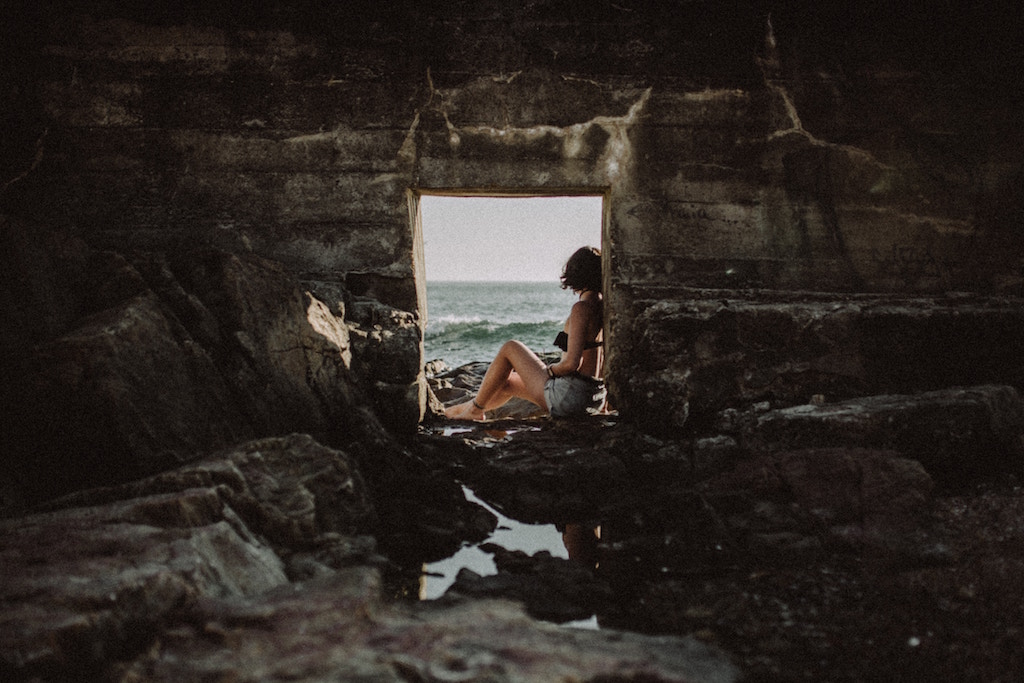
    I went to the ocean on a cloudy night, just to stare at darkness.

    I felt my heart beat faster as the waves rolled against the beach,
    and my body rolled too, in sympathy.
    This was solitude.
    Utter blankness upon the canvas of my cornea.
    This was emptiness.
    Division between water and sky barely visible on the horizon.

    My voice, when I sang out to that ocean beat,
    was unique in all the darkness,
    for it was the only thing that told itself to itself.
    The sea spoke to the moon,
    the raindrops spoke to the trees,
    the rocky beach spoke to the colonies of crickets —
    and then, there was me.

    I want so much to be a part of it.
    To lose track of my voice in harmony with the waves.
    To see my footprints disappear,
    my skin melt into the everything
    of that shifting, sucking darkness.

    I love my life, my body, my breath.
    Just, I want to be a part of it.
    The whole.

    You see, no one I know seems to be talking about god —
    it’s out of vogue to seek the divine,
    the mysterious, the ethereal and the invisible;
    children learn to count money but hear nothing of souls;
    we don’t care why we’re here as long as there’s football —

    And no one I know seems to be talking about god;
    we’re all too educated for that,
    leave it to the zealots and the black hats,
    write your gratitude journal and bow down to the fat cats —

    No, no one I know seems to be talking about god,
    but I want to find her,

    so I go down to the water and look into my own heart,
    because a wise teacher or two once said
    I would find a spark —
    there, where all the secret things we pretend not to believe in sing;
    where the ancient longing we don’t understand goes to hide;
    where the invisible and magical and wild abide.

    I heard, once, that god was at the heart of everything,
    including me.
    I read, once, that gods played and ate and shifted faces
    at the bottom of the sea.
    I knew, once —
    I knew, I knew, I knew, I knew, I knew —
    about the mysteries dancing at the horizon,
    where water meets sky,
    about the spirits who live between worlds
    and send stories with serpents and dolphins and dragonflies,
    about the beauty that gave birth to every single thing.

    But I forgot,
    we forgot,
    and I want so much to remember:
    I am part of it.

    No one I know seems to be talking about god,
    but, call me crazy,
    I want to find her.
    So every day, for a few minutes,
    I try to stare at darkness.
    I dive into that shifting, sucking water,
    and I look into my own heart.


    Originally published on Rebelle Society, July 2018.

    Written in November, 2017 at Finca Morpho.
  • Pure Light, Pure Life: A Costa Rica Snapshot

    Pure Light, Pure Life: A Costa Rica Snapshot

    At the edge of Ciudad Colón, Costa Rica, in 6 am light

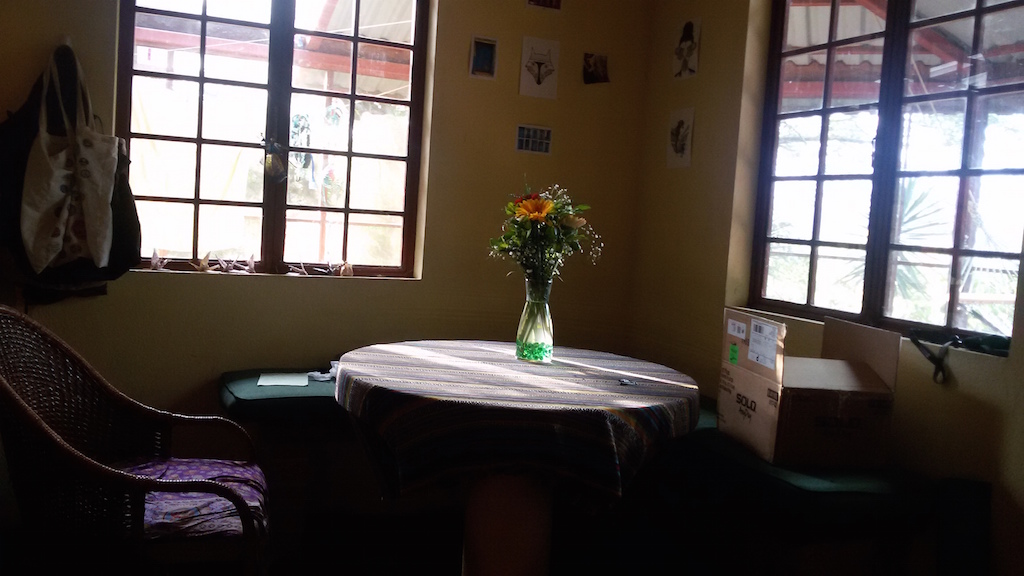
    The light falling through my windows at 6 am cleans the sleep from my eyes.

    I study how it falls on the striped tablecloth, on the laundry hanging on the porch, on the dishes in the rack by the sink, now dry.

    This light has weight. Depth. And levity.

    As I walk through it to bring my compost to the pile at the edge of my yard, the light transforms the ordinary into magic. Last night’s rain glistens on blades of grass, hibiscus flowers, palm fronds. The air itself breathes, infused with life, illuminated.

    The mossy track up the hill to the road could lead anywhere, in this light.

    Portals could appear around the bend, elves could shimmy down the velvety rays, and I would not be surprised.

    This 6 am, 7 am, 8 am clarity washes away the dark and the rain and the heaviness of the night before. It redeems the incessancy of the September rains. One could take flight in it; its very existence defies the gravity of the season, washes the soul, and lifts the spirit, suspending it in lush, velvet lucidity for the rest of the day.

    And this 6 am tableau expands to touch all the senses. Birdsong rides upon the coattails of the light, insisting that all who hear it enter into the day. It is more effective than any alarm. Moths who stumbled inside at midnight, addled by electric bulbs, buzz now at the windows, anxious to rejoin the jungle. Close behind the birdsong sings the scent of dawn—wet earth and drip-drying branches—with the promise of a fresh beginning.

    Amnesiac mornings, yesterday forgotten.

    And within the light that trails the birdsong that carries the wet earth smell, a prescience of the daytime heat to come. Already, nighttime chill begins to dissolve. Cool tiles underfoot raise goosebumps, and the air is just brisk enough that one feels compelled to carry a sweater, which will be obsolete within hours.

    Finally, the taste of 6 am light—because sunlight like this has flavour just as it has weight… dark green, a little bit dusty, rich and smooth on the tongue like homemade whipped cream. Or sweet and bright like ripe pineapple. Or tart and effervescent like good champagne.

    It lingers. Leaves an impression.

    A post shared by Toby Israel (@tobyintheworld) on

    Pure life, this light.

    But I don’t think there is anything particularly rare about it. Surely you could find light like this—uplifting and exquisite and soft to the touch—anywhere. Not only in Costa Rica. Not only in the jungle.

    I think, though I have no proof, that we can find this light whenever we open space to it. When we slow down our mornings to hear it, deepen our gaze to observe it, stick out our tongue to taste it…

    Sunlight everywhere reaches out its fingertips, nudges the soul to take wing, offers prayers for a velvet, amnesiac morning.

    Pure life—

    Not a destination, but a way of beginning.

  • The Wild-Tame Peculiarity of Safari (and 10 Wild Photos)

    The Wild-Tame Peculiarity of Safari (and 10 Wild Photos)

    Sabi Sand Game Reserve, Mpumalanga, South Africa

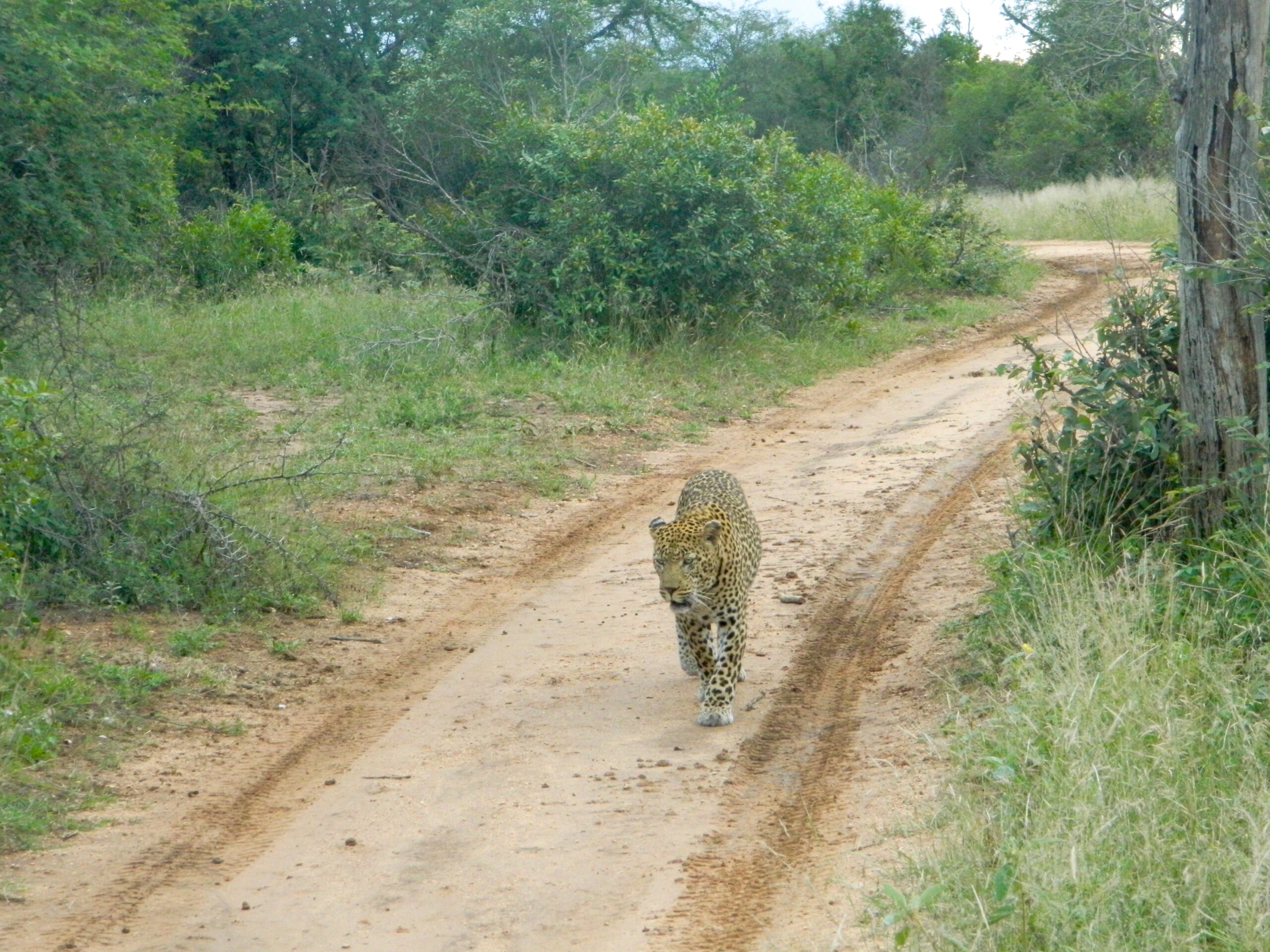
    A male leopard wakes from his nap and stretches lazily.

    Three safari cars—Land Rovers, I think—have parked just meters away.

    The leopard yawns, stretches again, and begins to move.

    His eyes are amber-grey, and he gives us only the briefest of disinterested sidelong glances before deciding to ignore us entirely and amble along the road. He remains impervious as the three cars crisscross his path to allow their passengers optimum angles—a bizarre new animal behavior pattern to which he and many other species in the bush appear wholly adapted.

    At one point he passes so close to my side of the car that I can see the individual hairs that make up his spots and the supple play of muscle beneath his skin.

    ***

    There is something both bizarre and breathtaking about finding yourself within hand’s reach of a wild animal and knowing that you’re safe.

    That is the wild-tame peculiarity of safari. Or, at least, of my safari.

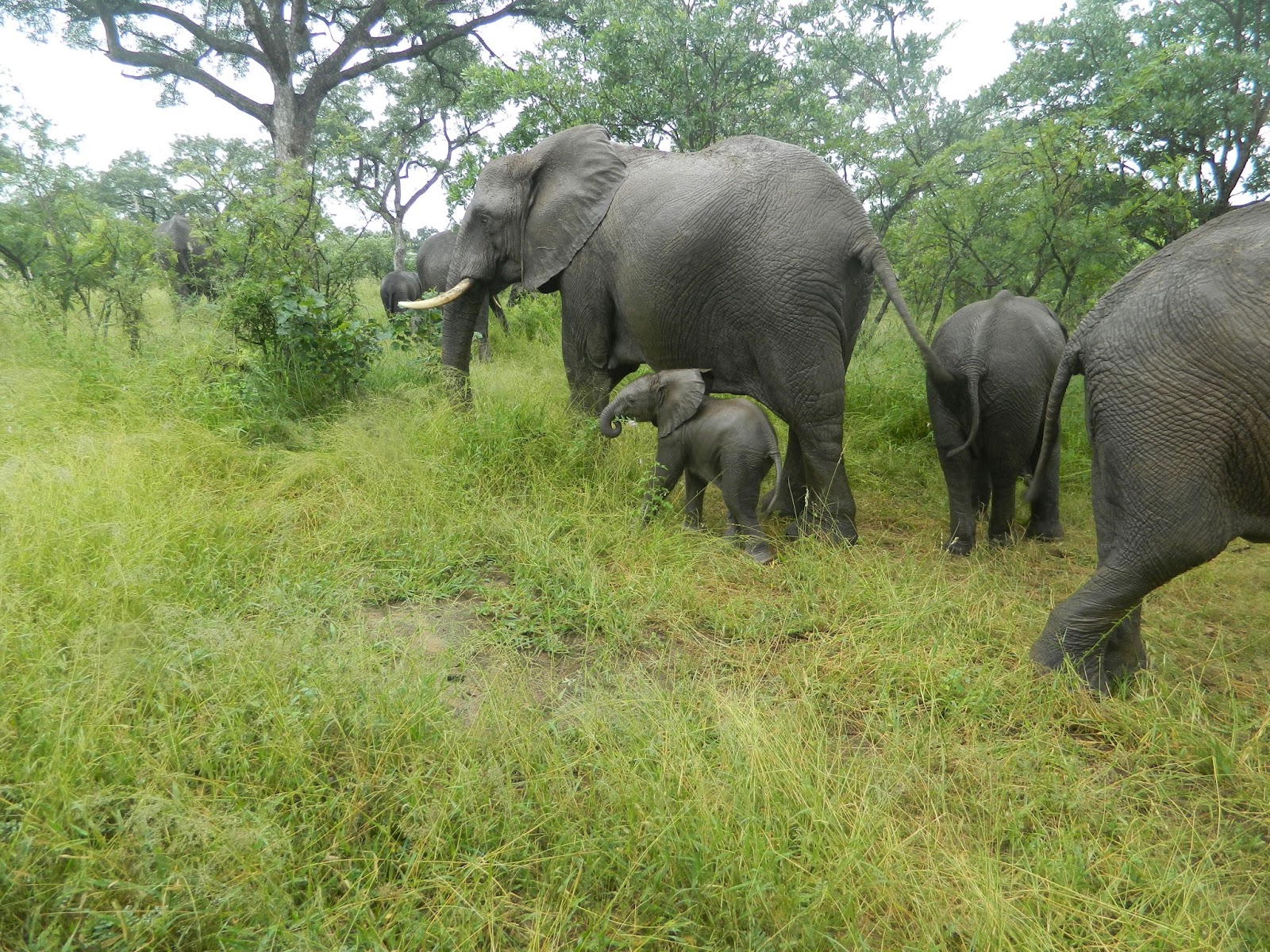
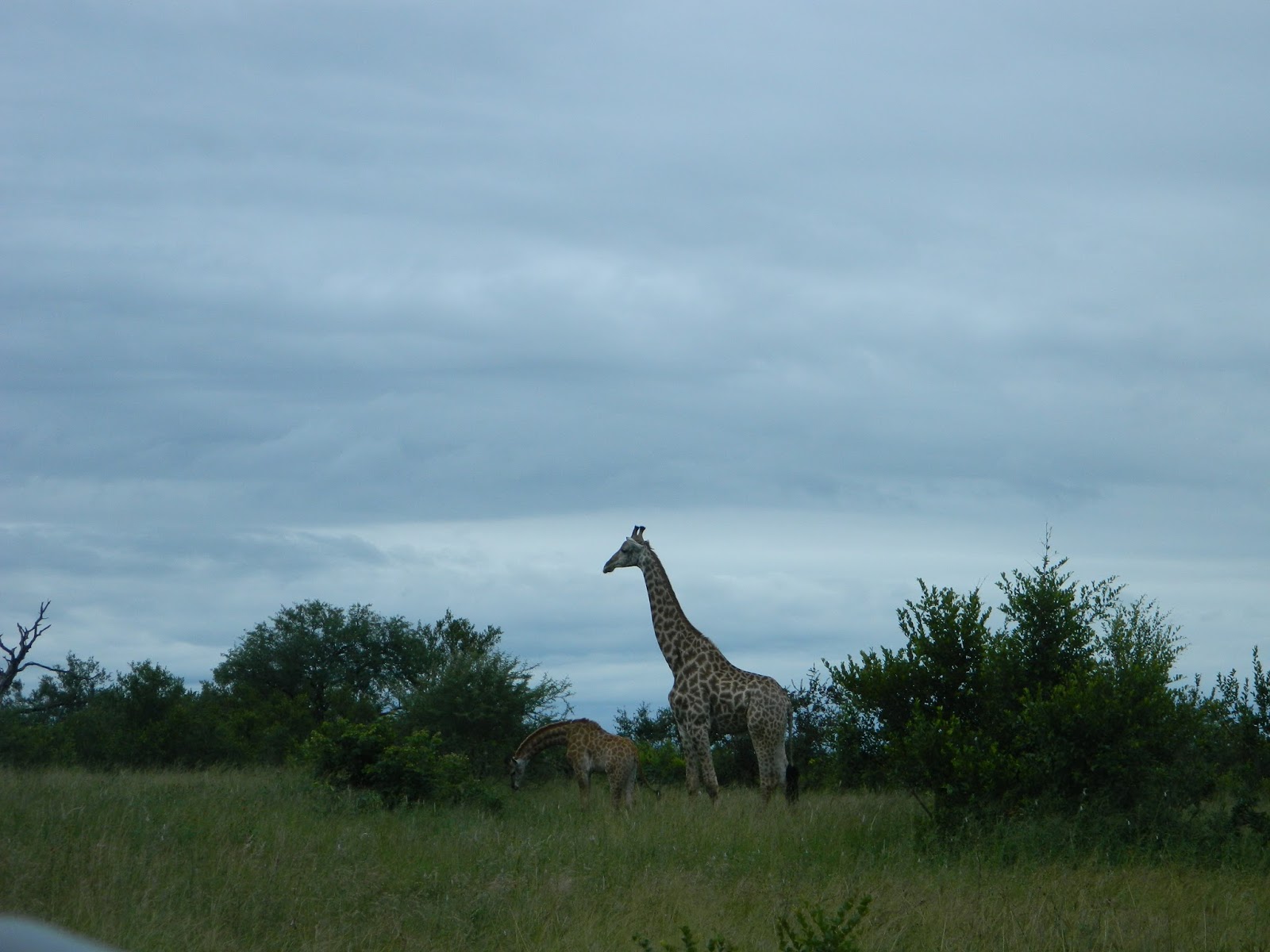
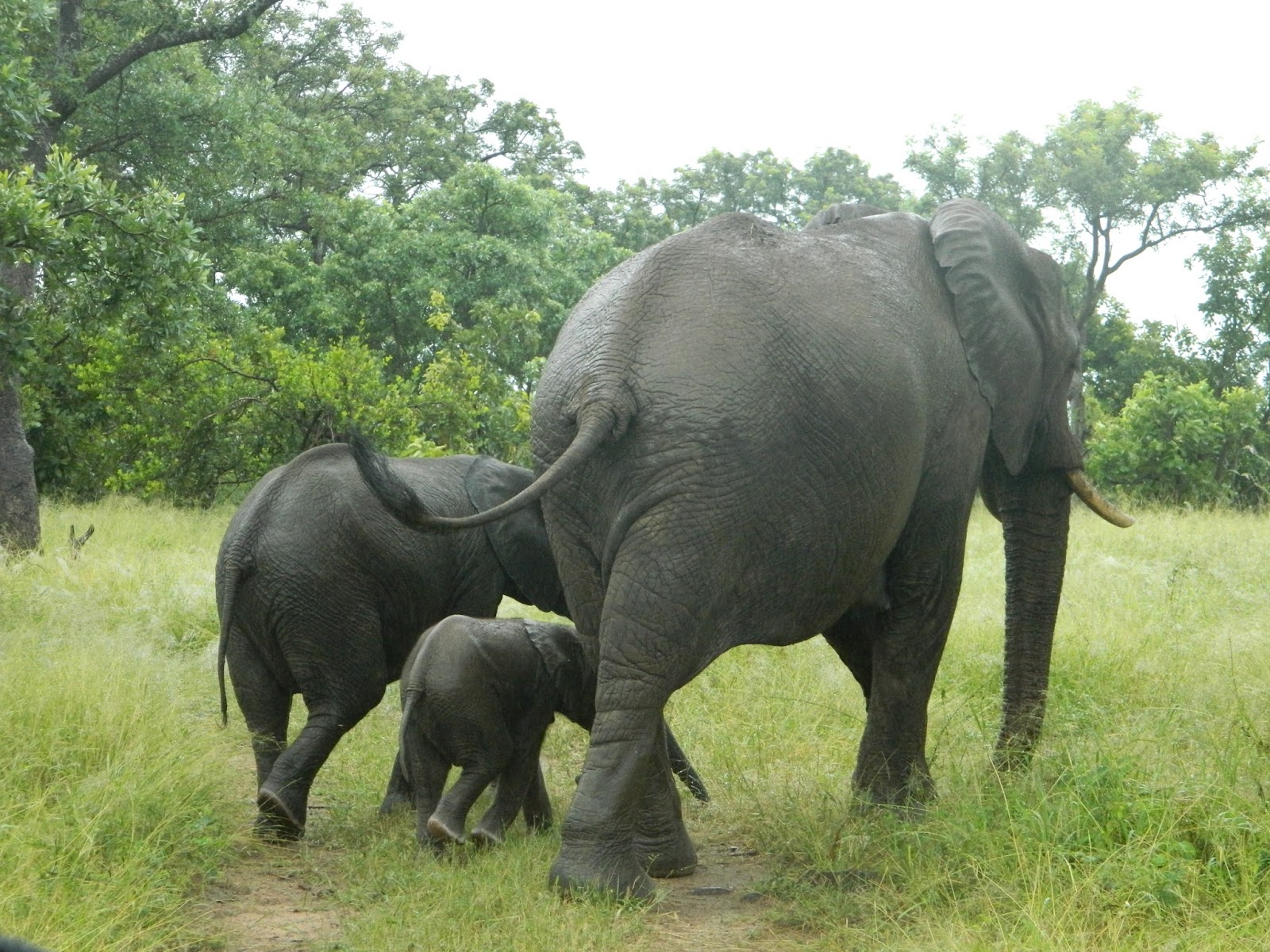
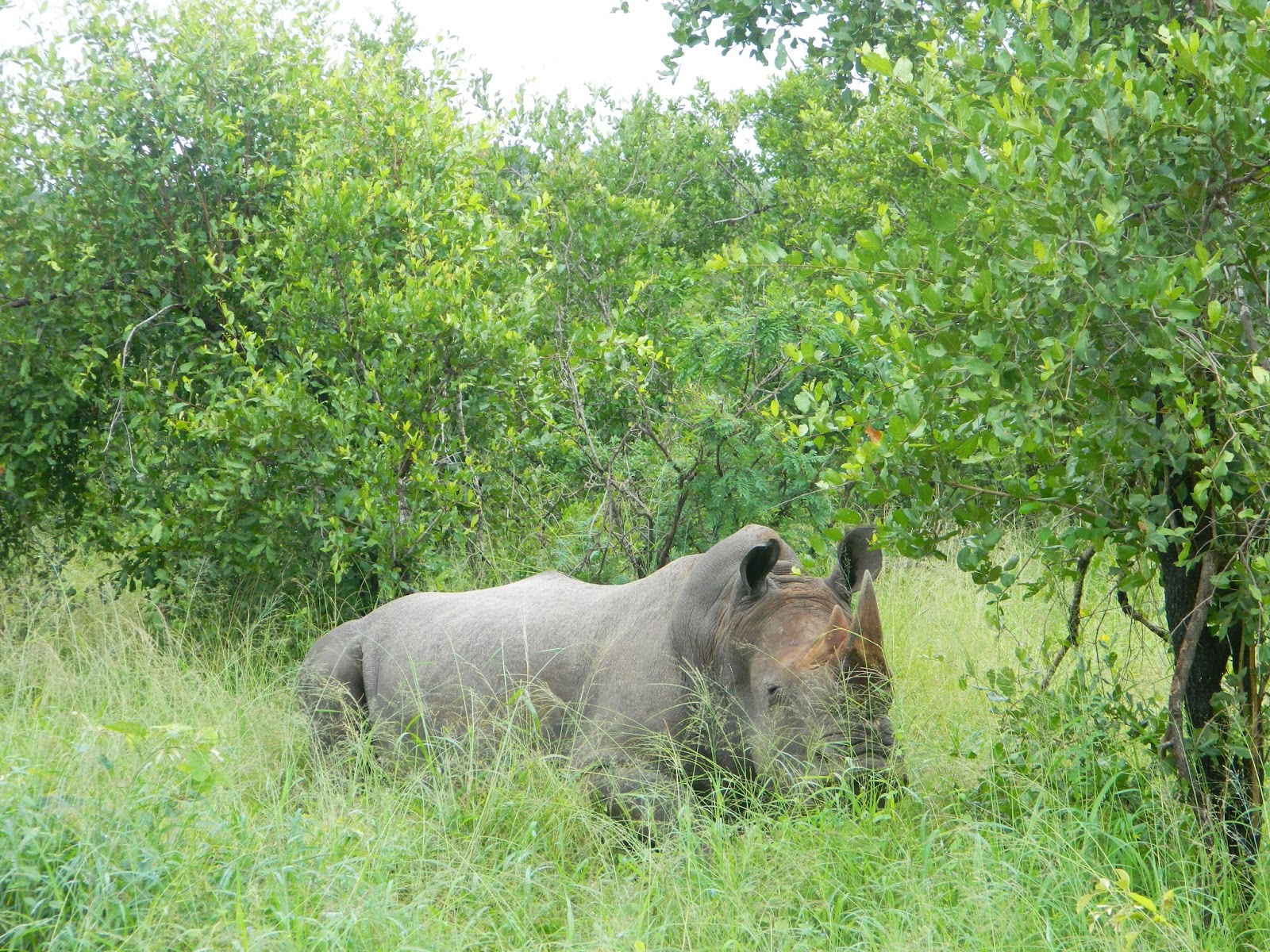
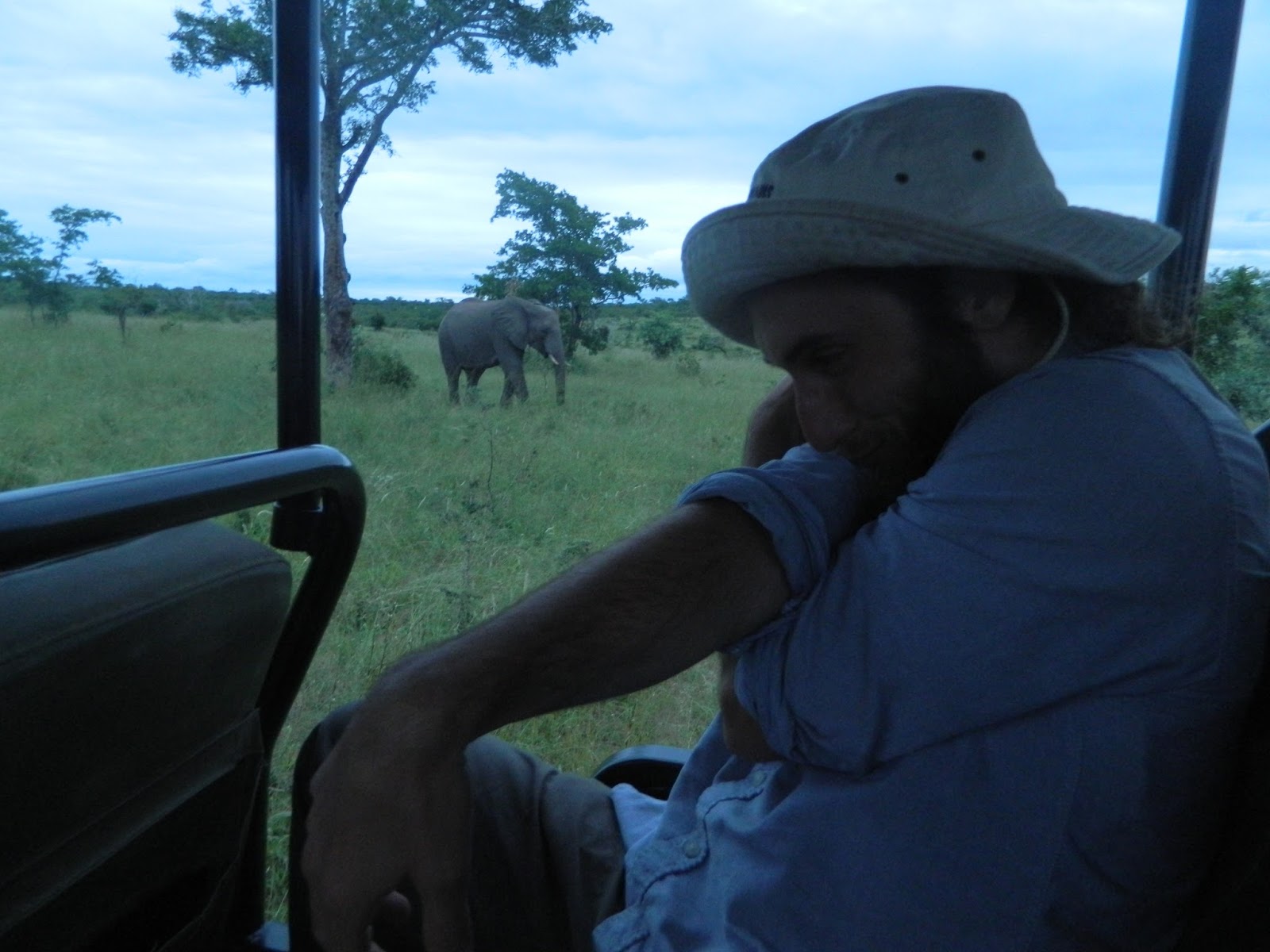
    Over the course of three days, my family and I found ourselves nose-to-nose with elephants, zebra, giraffes, leopards, and lions, thanks to the skill of our third-generation guide and the collaboration of the game reserves. We observed hippos, white rhinos, hyenas, and vultures from just a couple meters away.

    The sheer size, power, and wildness took my breath away—and it made me wonder about this paradoxical dynamic whereby wild animals accept wacky, camera-toting tourist behavior as the norm and an ecological system seems to evolve to accommodate it.

    Predator and prey alike enjoy the ease of travel on dirt roads cut for the convenience of safari trucks. A mother leopard defends her cubs against hyenas as you would expect, but observes our approach with indifference. Some—though not all—impala (a species of adorable antelope) fail to shy away at the no-longer-alien sounds of car engines and human voices.

    One thing is certain: This industry is a boon for the anti-poaching efforts across the safari-regions of the African continent. It brings revenue to places that desperately need it, and government protection to the wild animals responsible for it.

    Perhaps even more important, it has the potential to raise awareness about and appreciation for species and environments slipping into endangerment or collapse. A key element of environmental protection not to be underestemated.

    I hope to share more as I learn more, but in the meantime, here are some “up close and personal” photos of the wild animals that allowed us to share their space:

    Mama leopard with cubs.
     
    Fun fact: A herd of zebras can also be called a dazzle.


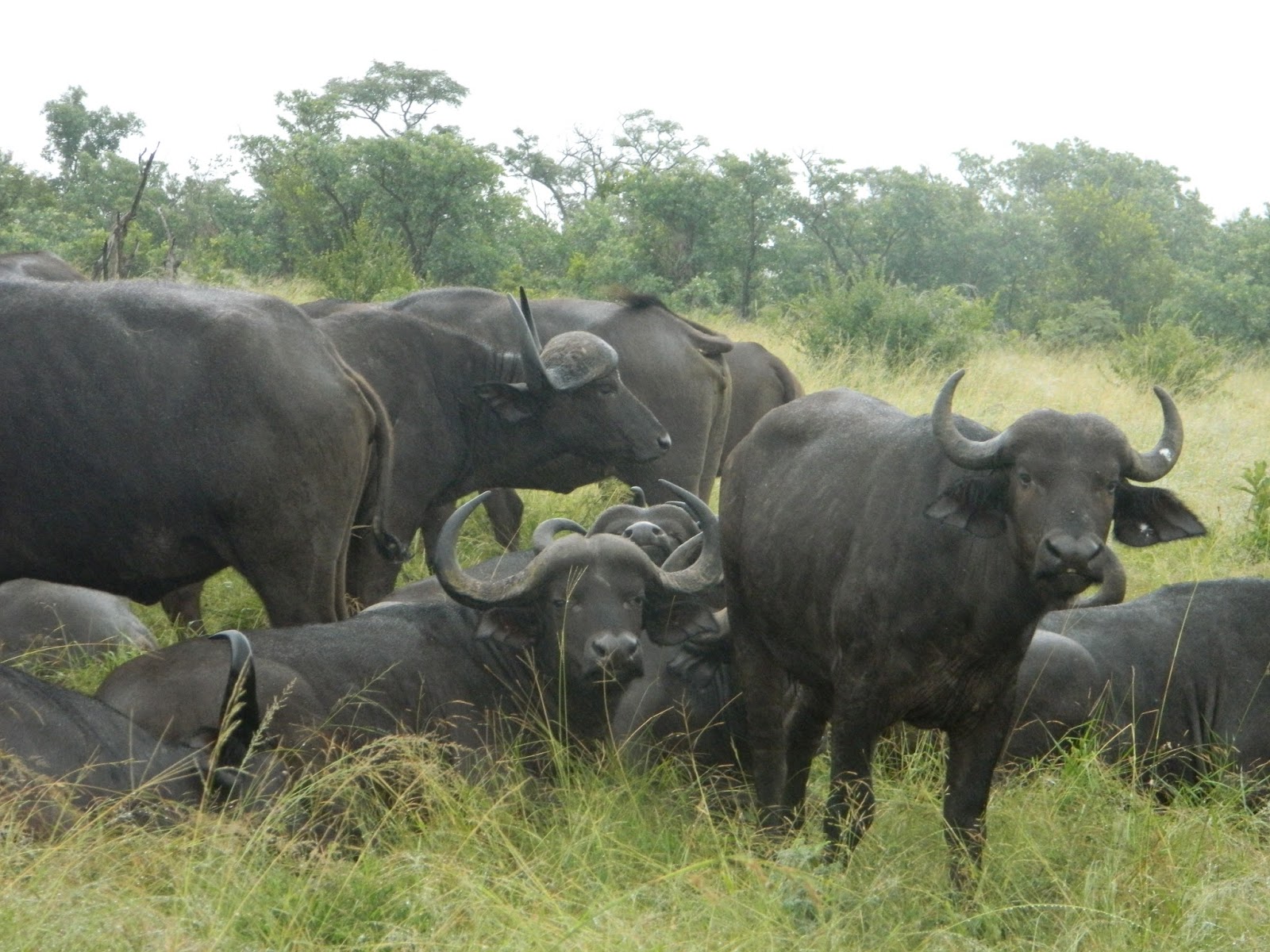
    “They look at you like you owe them money.” — Unknown, on water buffaloes
    No introduction needed.
    Who wants to go for a swim?
    So many elephants!
    The animal that evolution seems to have forgotten.
     
    My brother, the rarest of the wild animals.
  • When the World is in Chaos: Dance

    When the World is in Chaos: Dance

    “Yougottadance. Aslongasthemusicplays. Yougotta dance. Don’teventhinkwhy. Starttothink, yourfeetstop. Yourfeetstop, wegetstuck. Wegetstuck, you’restuck. Sodon’tpayanymind, nomatterhowdumb. Yougottakeepthestep. Yougottalimberup. Yougottaloosenwhatyoubolteddown. Yougottauseallyougot. Weknowyou’re tired, tiredandscared. Happenstoeveryone, okay? Justdon’tletyourfeetstop.” ― Haruki Murakami, Dance Dance Dance

    7:00 p.m. Table Mountain summit, Cape Town, South Africa. 

    The sun is setting, and we are dancing.

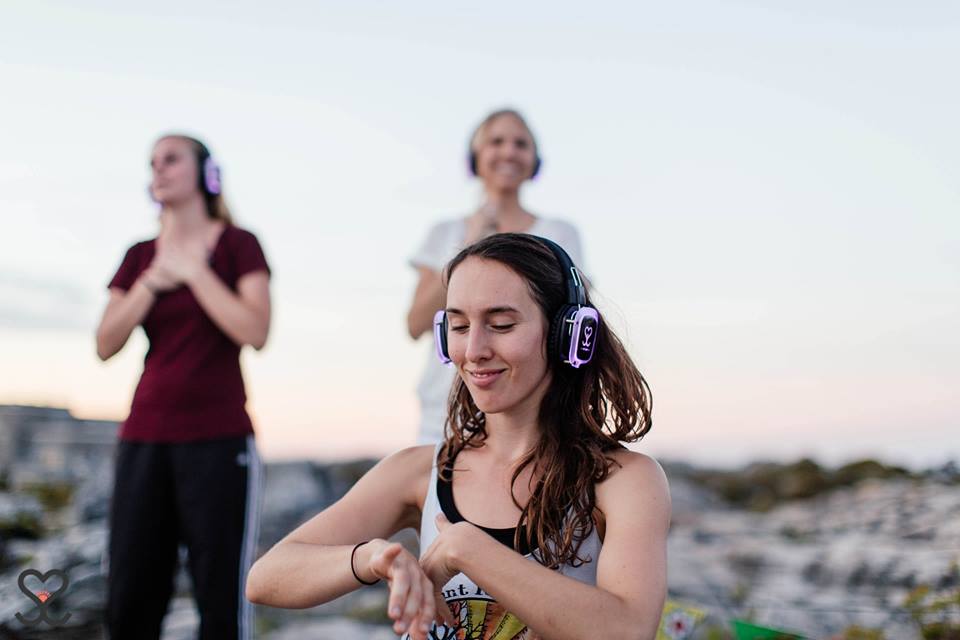
    Two hundred participants, most dressed in white, headphones on—we are praising the earth, this mountain, the clouds streaming across the rocks and bathing the world in dreamlike mist.

    It’s my first time at a “Secret Sunrise” (or, in this case, Secret Sunset) event.

    I’ve taken the hard way up, along with one friend and two strangers picked up along the way, and my endorphins are already surging after a two-and-a-half-hour hike.

    But the world is in chaos.

    I can’t glance at Facebook, work a shift at elephant journal, or even have a casual conversation without this truth becoming painfully apparent.

    I, like many, feel compelled to do something say something change something—but, paralyzed by the overwhelming madness of it, I do little, say little, change little. And yet, and yet, and yet—every day I work to promote mindfulness. Every day I write to nurture cross-cultural understanding. Soon, I will return to school to study the art of peacebuilding.

    And yet, and yet, and yet—more importantly, in my humble opinion—every day I seek joy.

    The world is full of fear. So I fight my own demons. The world is full of chaos, and so I strive for inner balance. The world is full of uncertainty, so I dance with it.*

    And here we are. Dancing.

    Piano keys draw clouds through the sky. Eighties rock compels bodies—eight years old to eighty-eight—to move to the same beat. House music lifts feet up, gravity-defying, and down, solid and real.

    Each of us in our own headphone-cordoned world, we dance. Alone and together. And hell, if that’s not an apt metaphor, I don’t know what is.

    Alone and wrapped up in our own worlds, we are all nonetheless connected to one another by the same melodies in our ears, the same rhythm in our blood, the same music in our bones. We are all dancing, whether we realize it or not, on the same sacred ground.

    So, is this an odd time to be turning to joy, music, community?

    I don’t think so. In fact, I’d say that moments of chaos, uncertainty, fear are very much the right time to dance. To connect, however we do that. To create. To keep pushing for meaning.
    Because if we lose that now, then we’ve lost.

    So dance—not in spite of the chaos, but for it, with it, and through it.

    Dance—”as long as the music plays.”

    Dance—and don’t stop, because the world, chaos and all, is still spinning.

    Youtube video

    *This is a poetic response to turmoil; none of it is meant to underplay the value of activism in our current global climate. Act. Protest. Make change, by all means. But don’t forget the value of personal growth. I genuinely believe in “the power that living a good life can have,” as a friend once put it. Ideally, do both!


    Photo Credit: Juliette Bisset Photography

  • The Camino de Santiago in 100 words and 27 Untouched Pictures

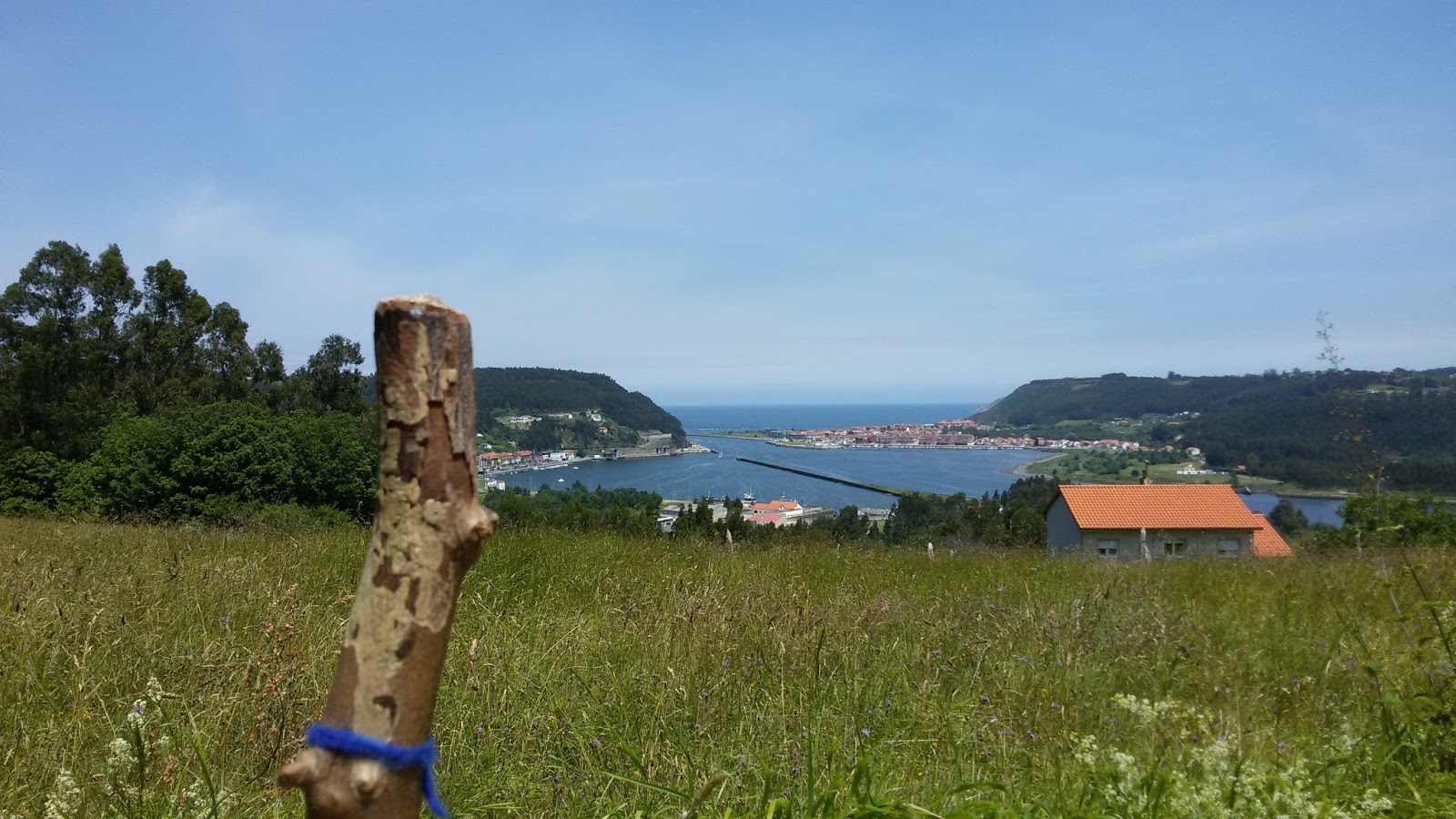
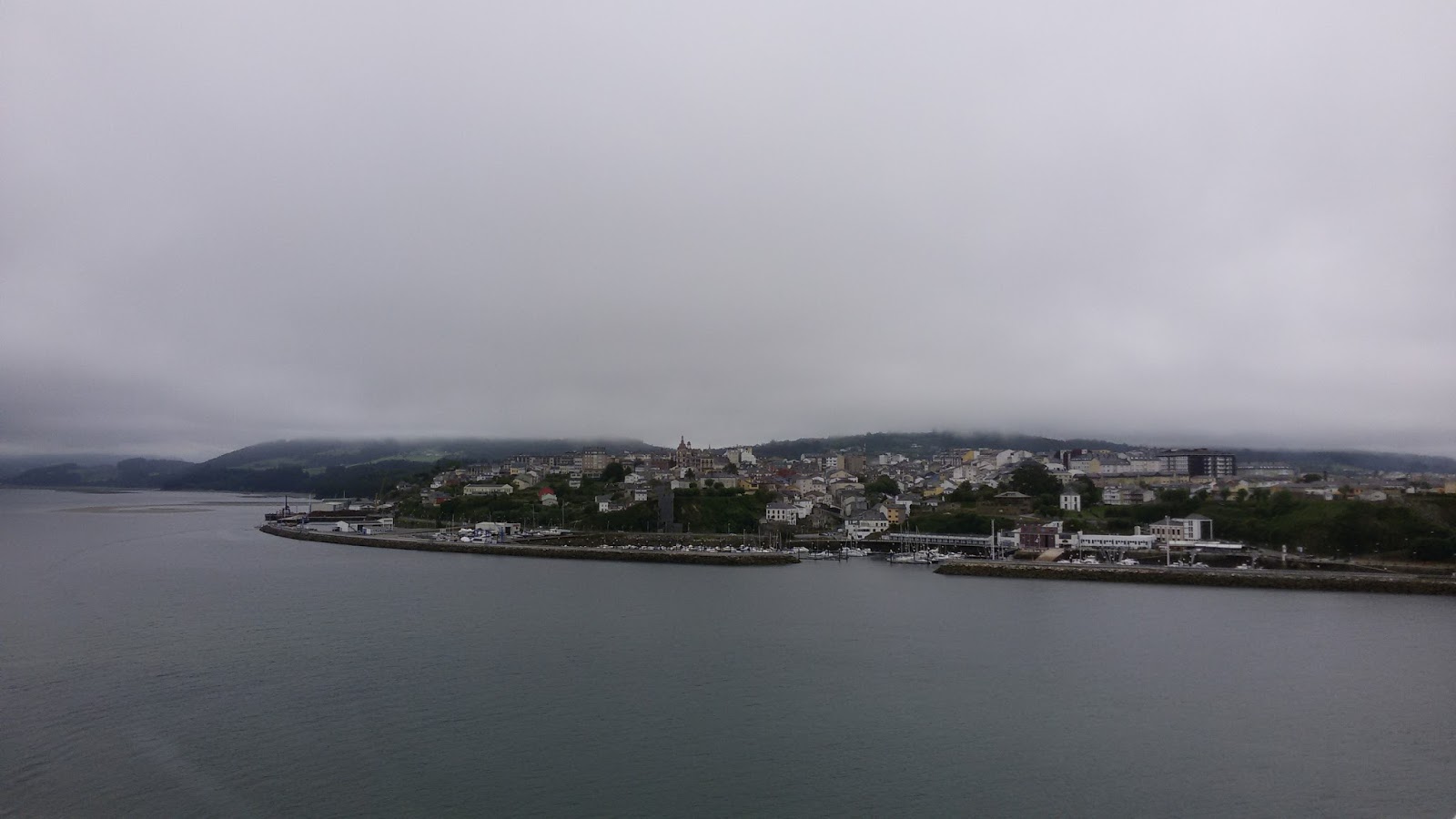
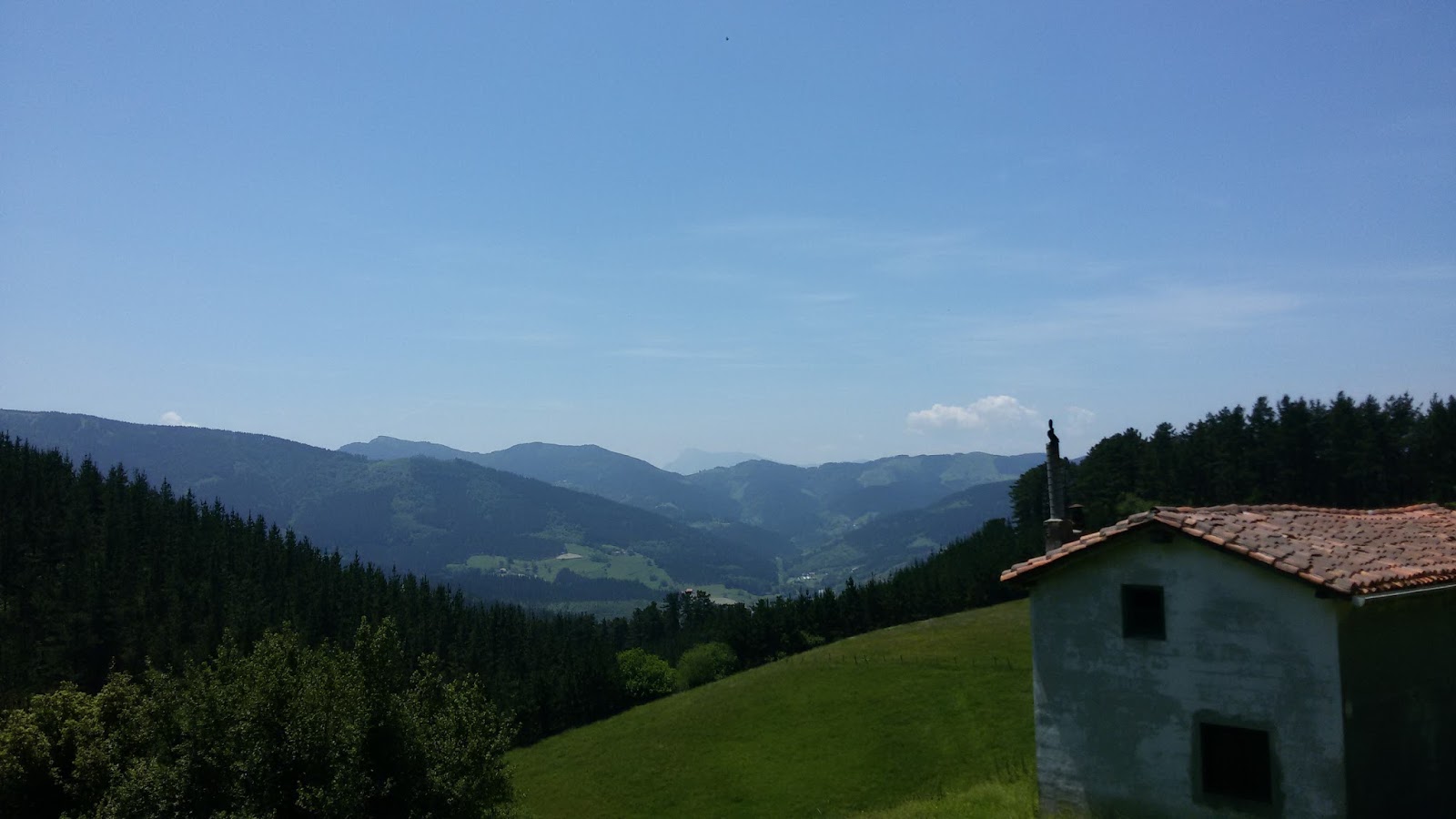
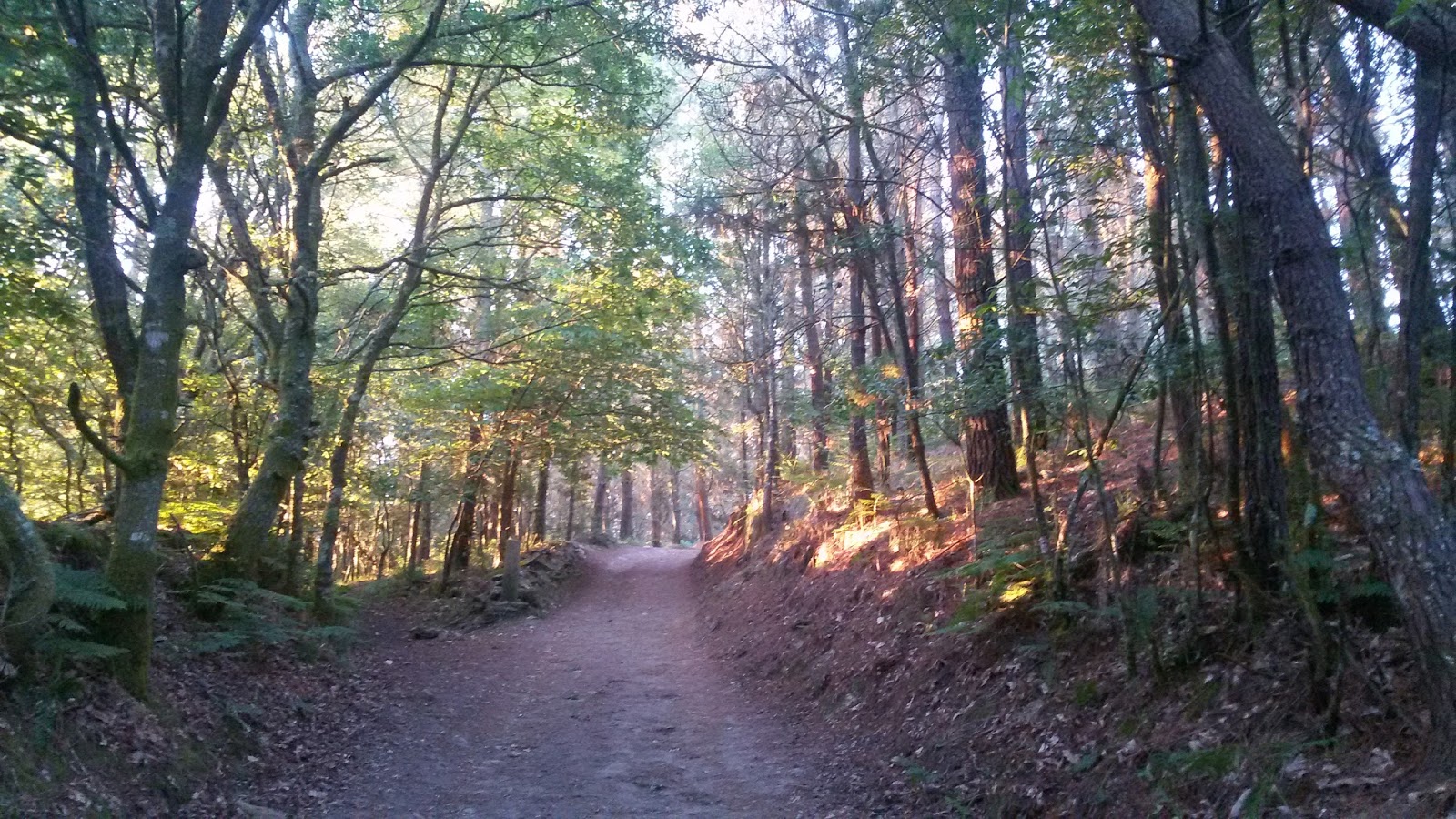
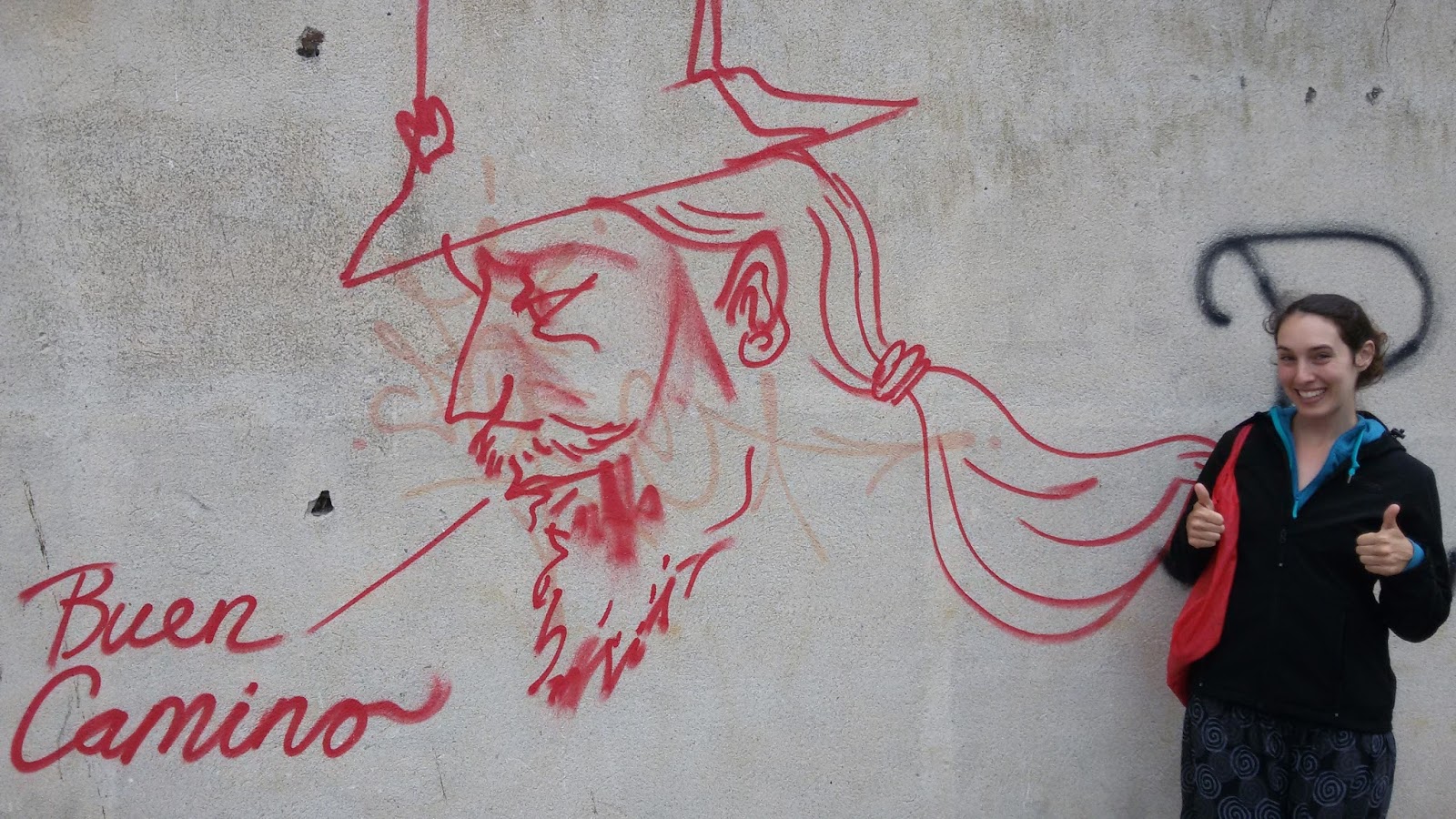
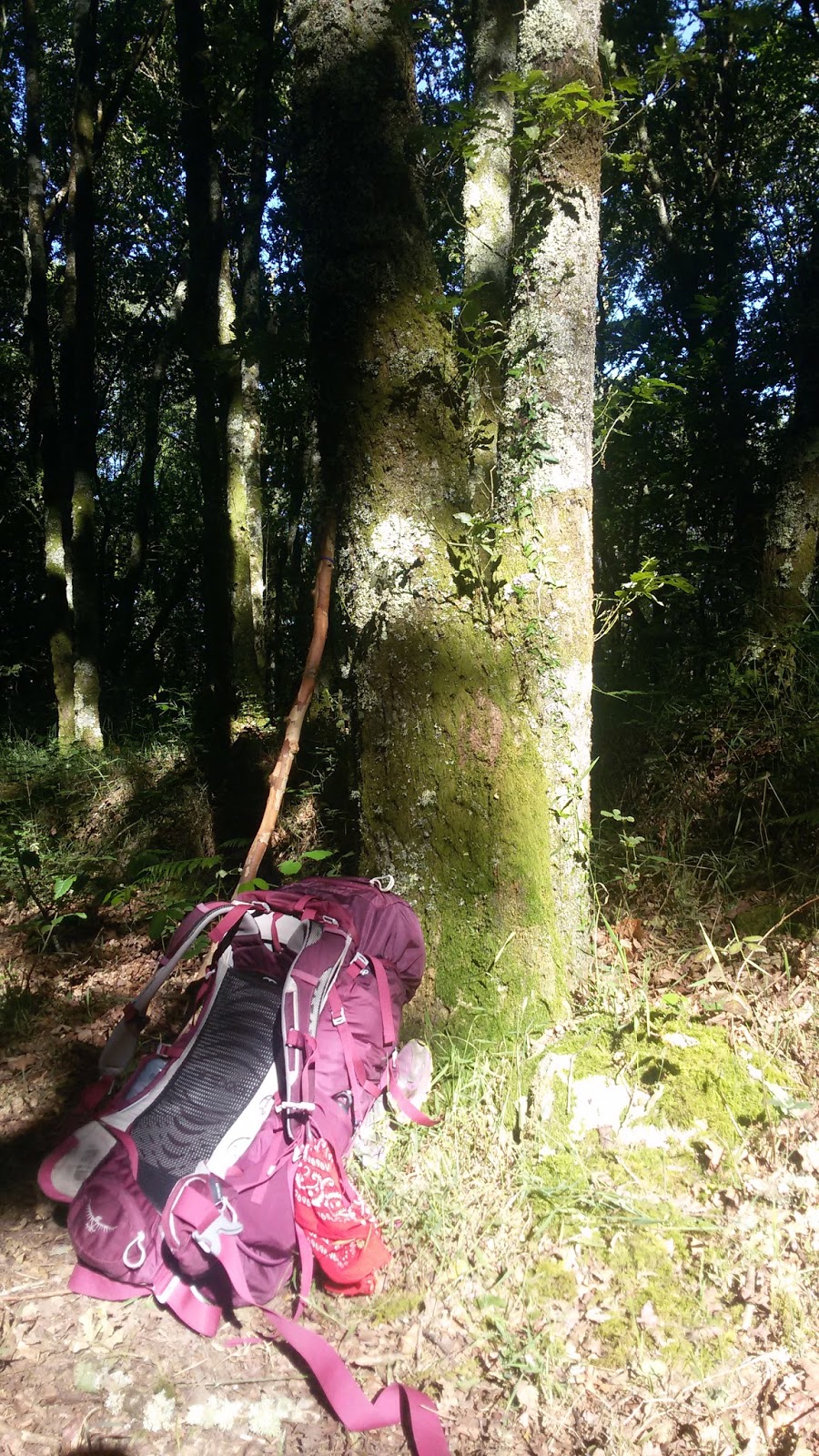
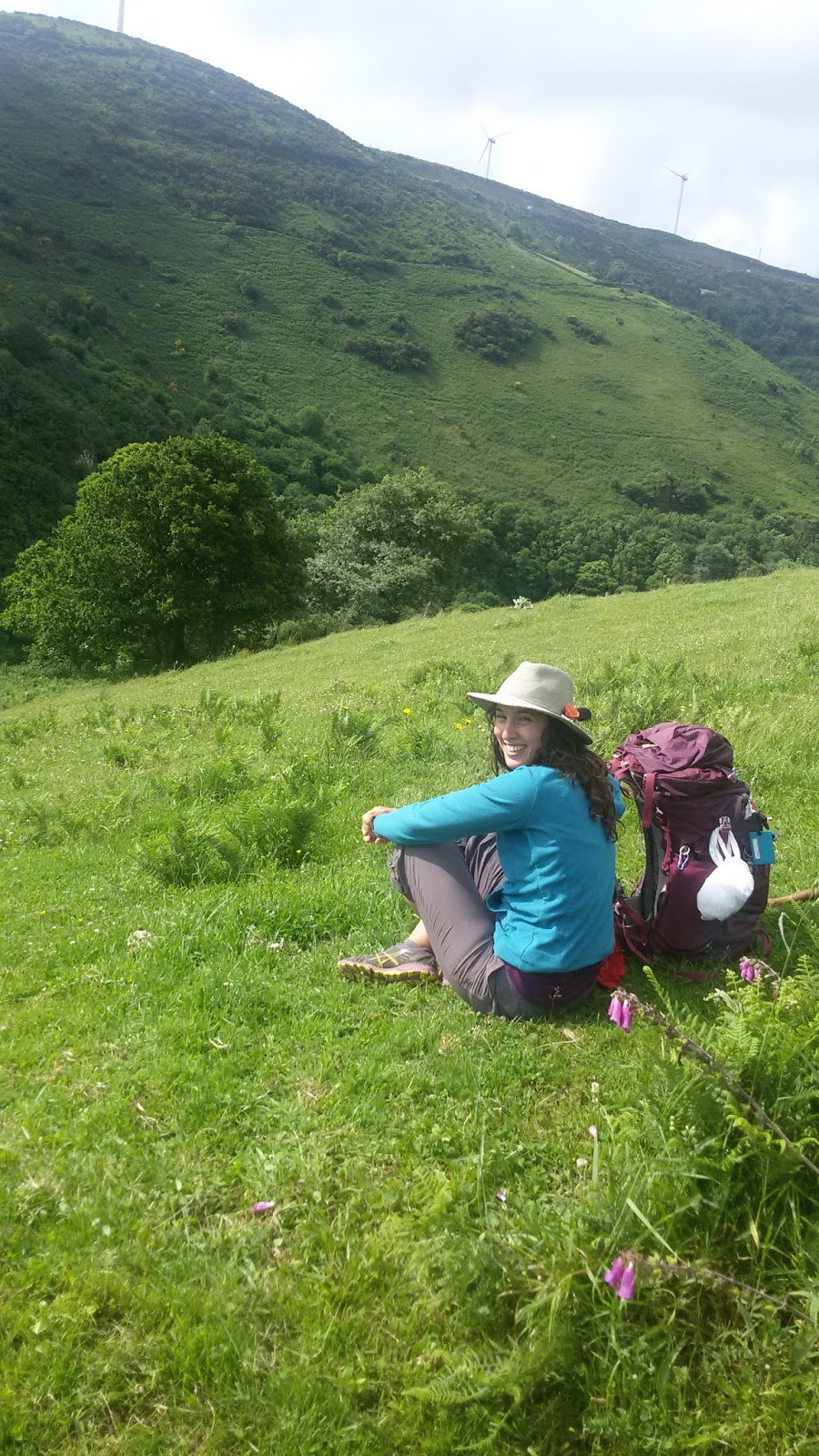
    When I set out for the San Sebastian (my starting point for the Camino del Norte) at the start of June, I decided not to take my camera with me.
    Too heavy. Too much of a burden. Too unnecessary.
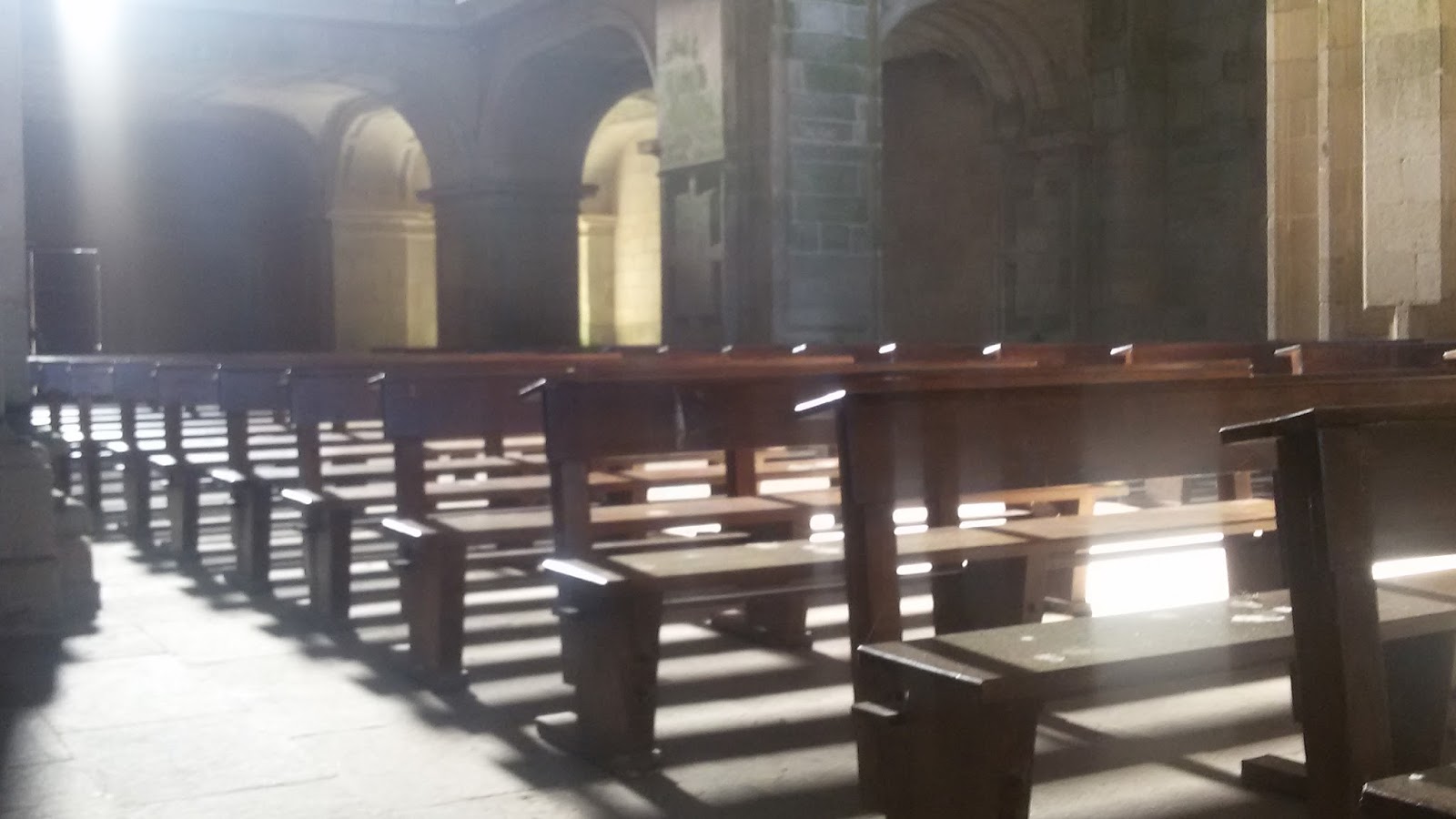
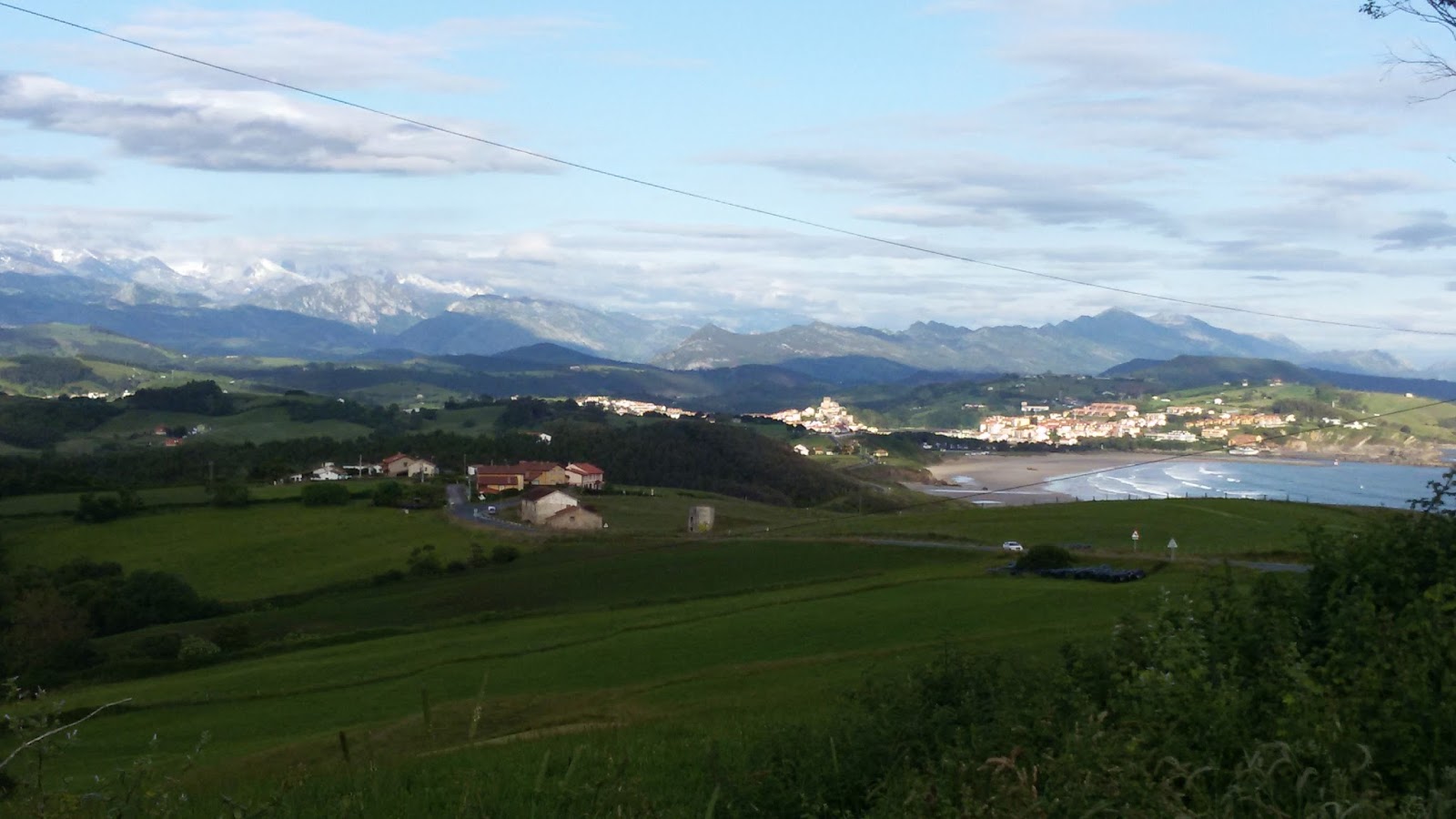
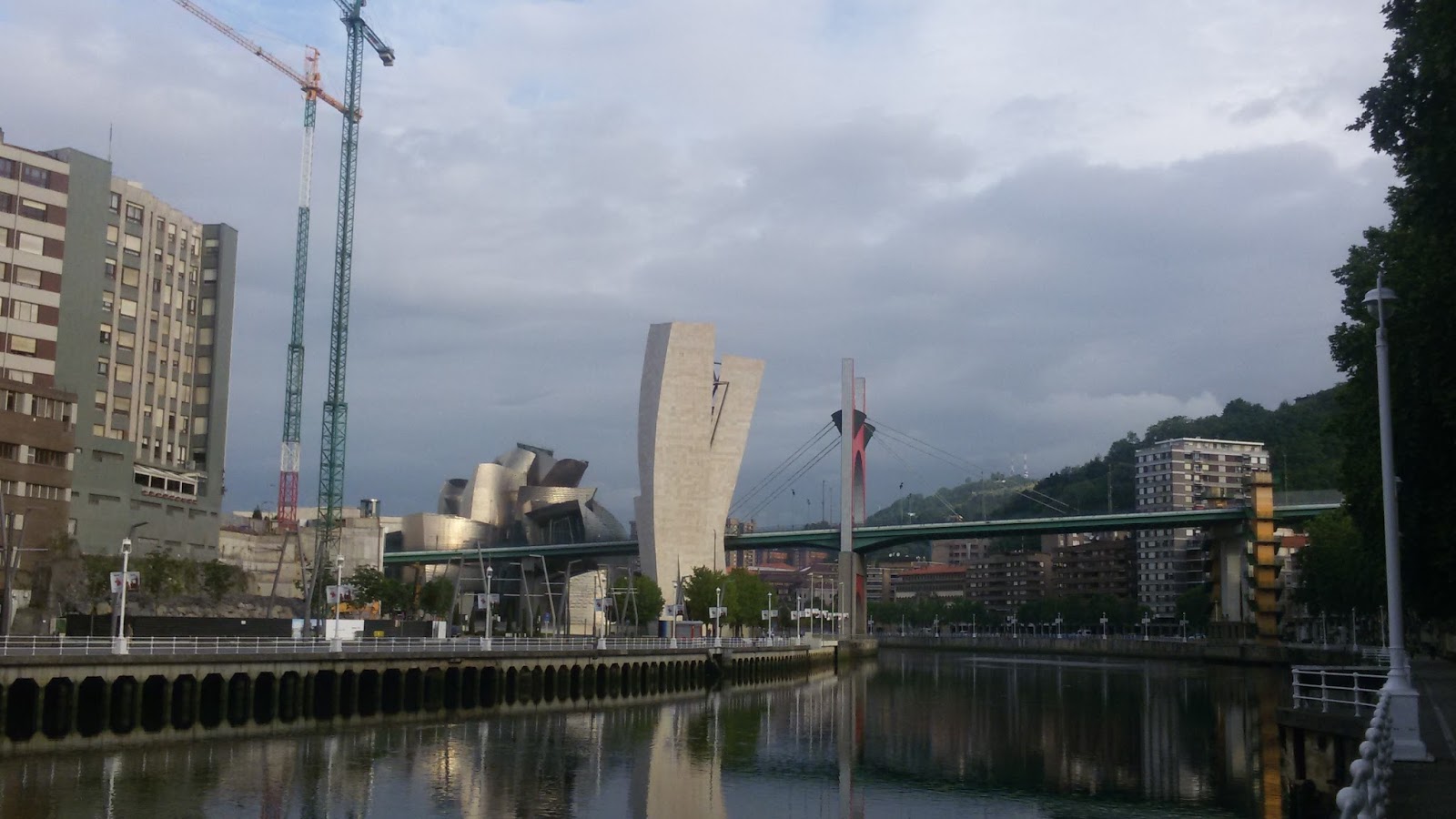
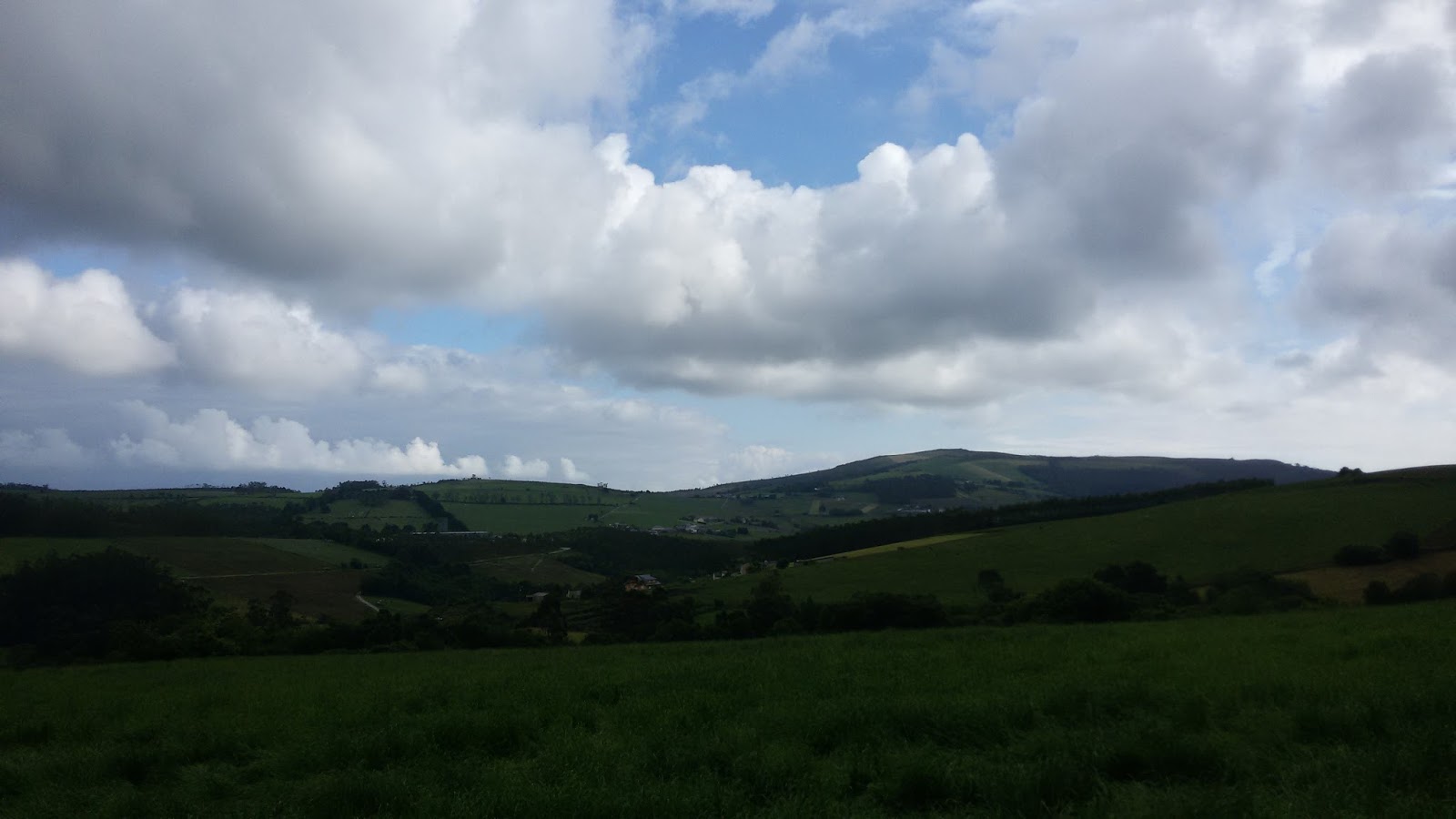
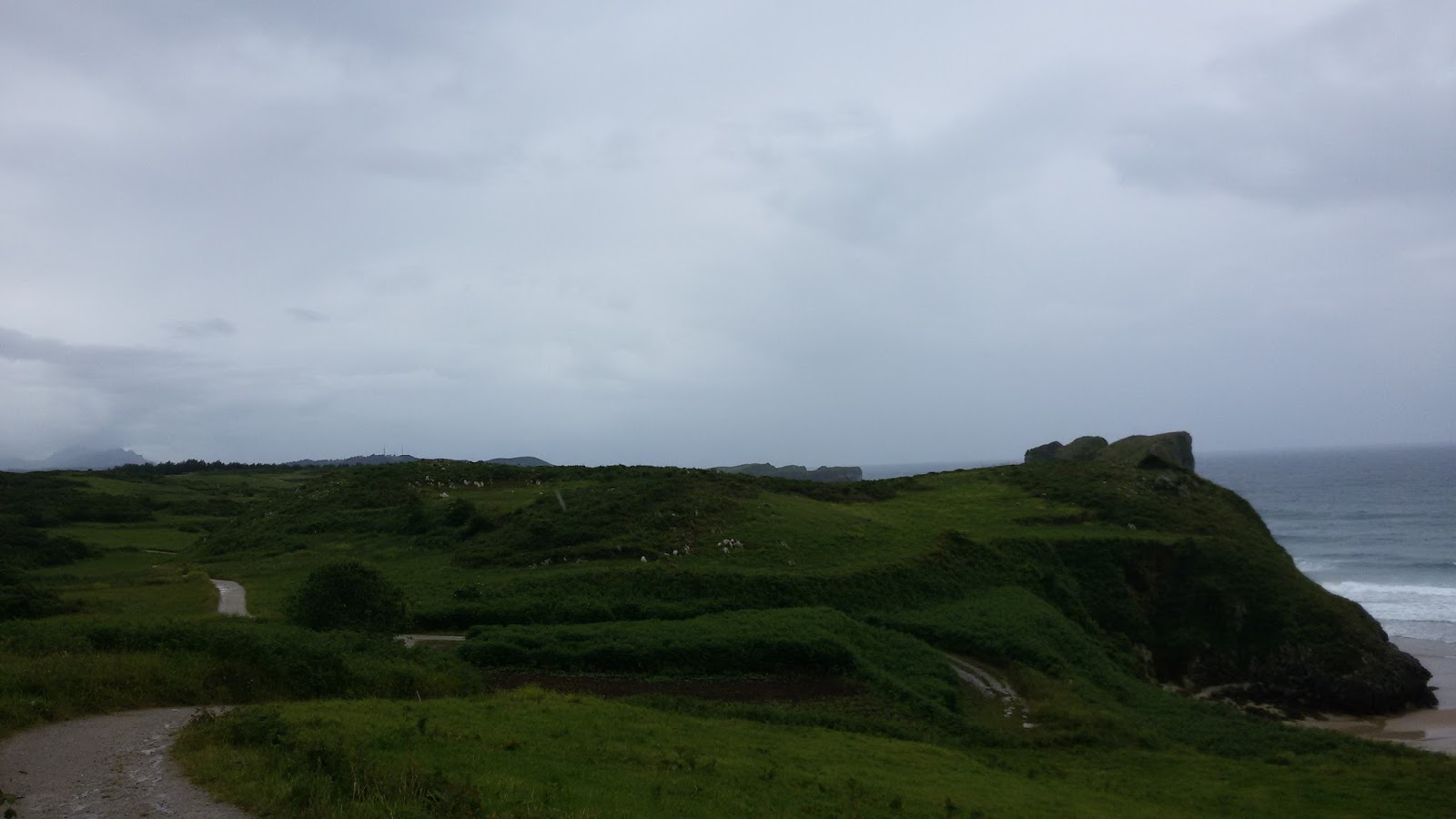
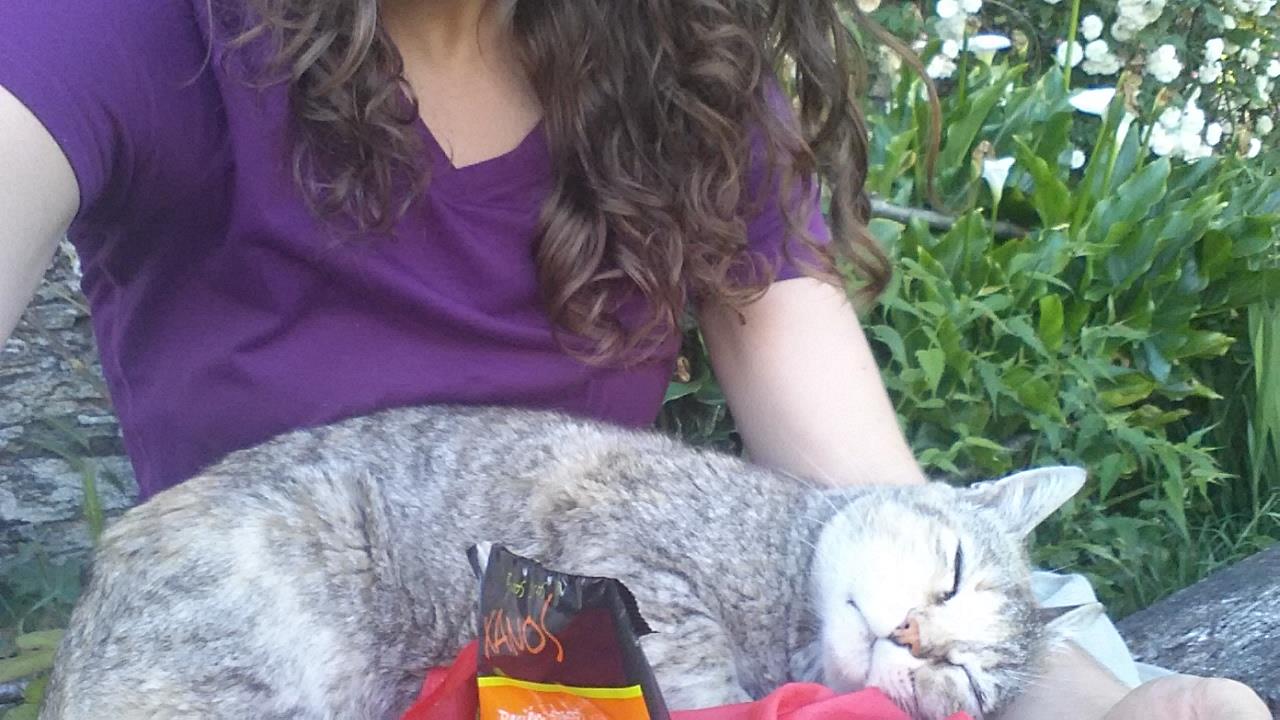
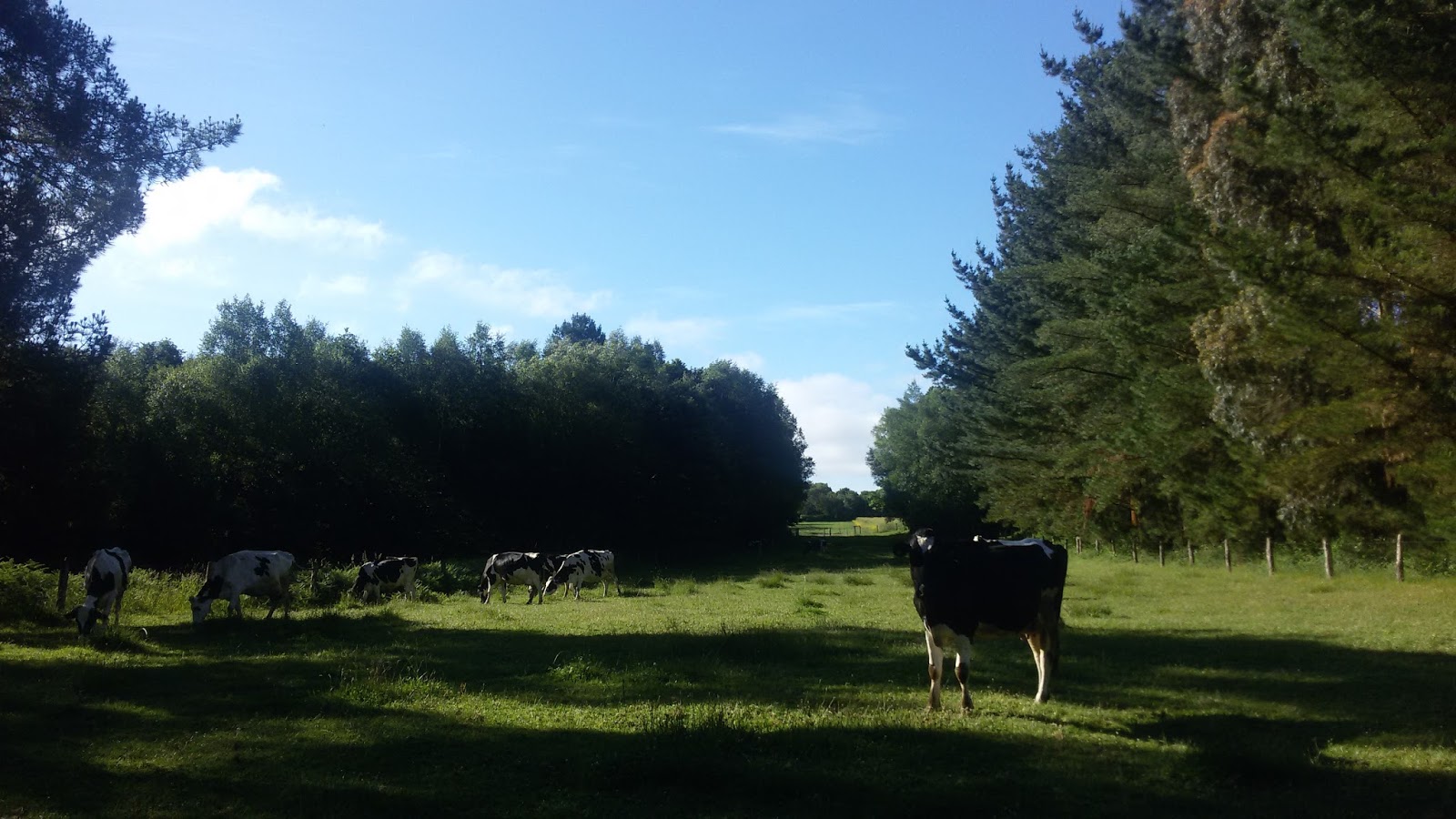
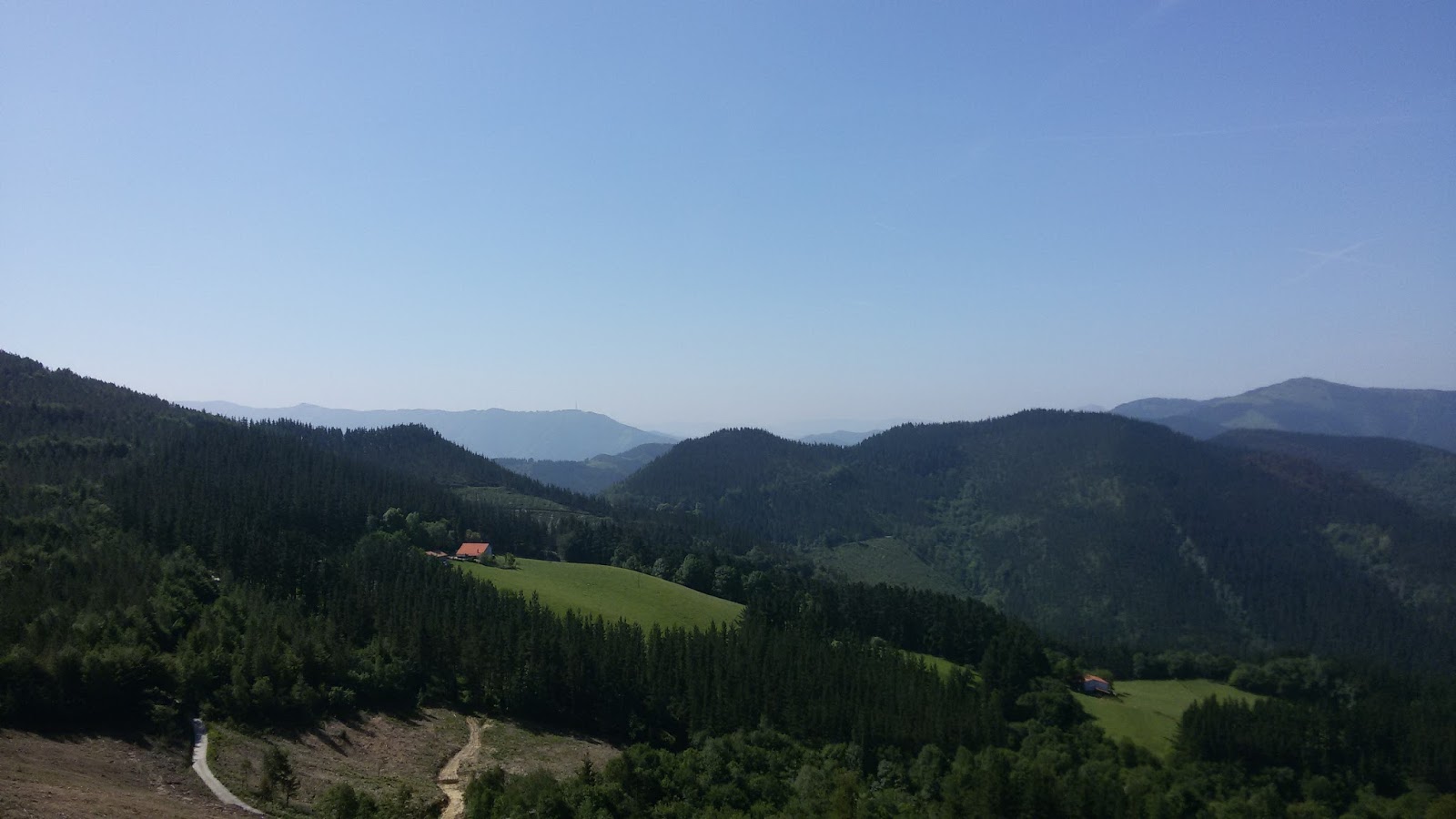
    Then came the bright idea to take only one to two (smartphone) photos per day throughout my thirty-day walk. To capture what captured my heart, without being a slave to documenting the journey—that was the idea.
    And I think it worked pretty well. On average, I took two pictures a day—sometimes none, sometimes three—and while the result is not comprehensive, I believe it is in some way representative of those days.
    I have selected twenty-seven of those sixty photos and paired them with lines from a brief stream of consciousness I wrote one day to summarize the experience of walking the Camino. The collection below is not chronological, and it isn’t complete, but I think it is more true than a complete, chronological photo diary could ever be.

    ***
    Walking. 
    Walking in mud, in rain, 
    in grass; 
    on gravel, asphalt, 
    bridges stone, wood, paved; 
    at first light, 
    at last light, 
    under clear skies 
    and into fading sunsets.
    Waking beneath stars in freezing meadows, 
    waking in a village whose name already evades recollection.
    Glossy maps,  
    cafe chairs, 
    Spanish words that somehow make sense.
    Bare feet,
    dirty feet, 
    tired and sore feet.
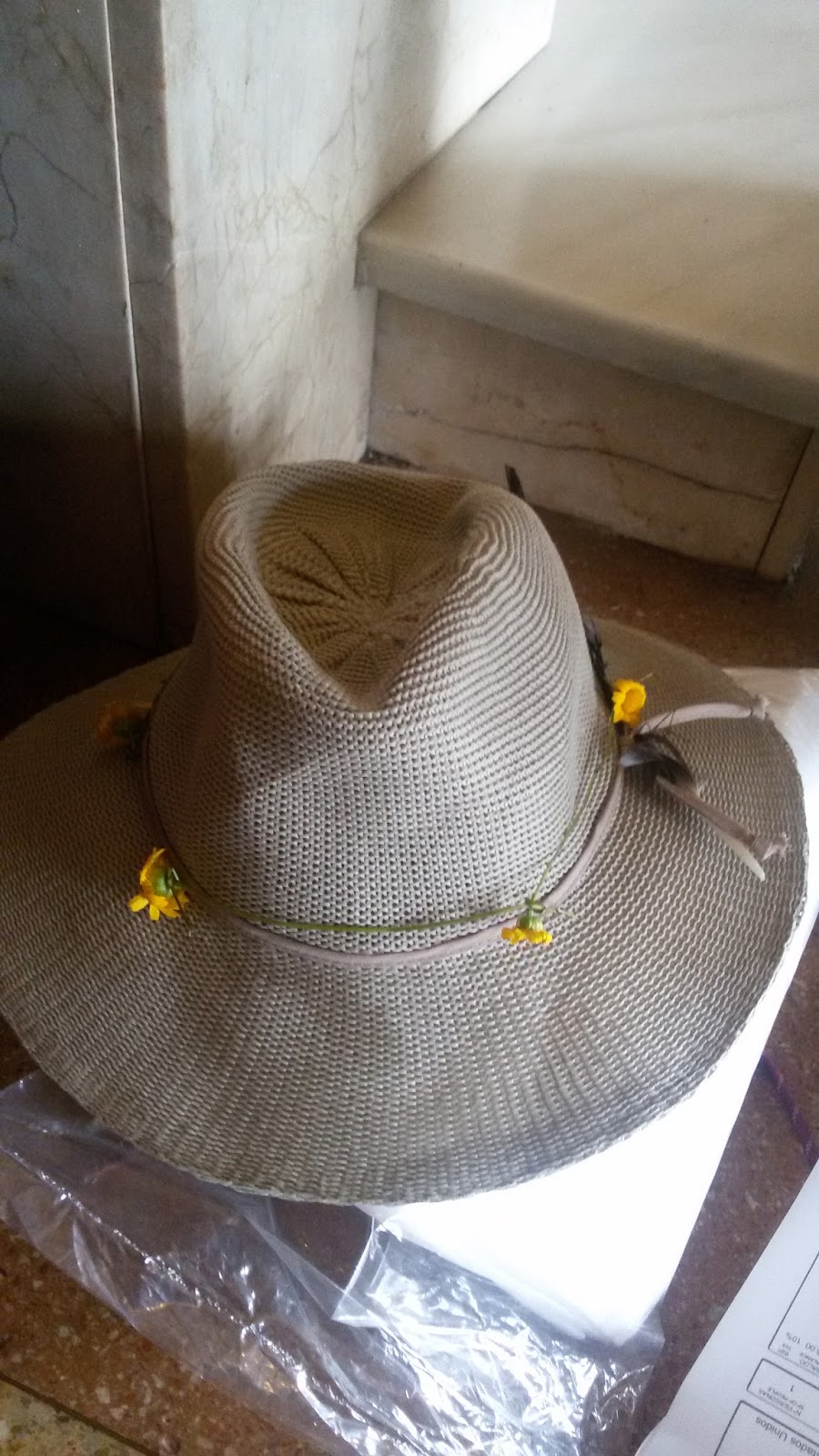
    The same hat every day, always a different flower in it.
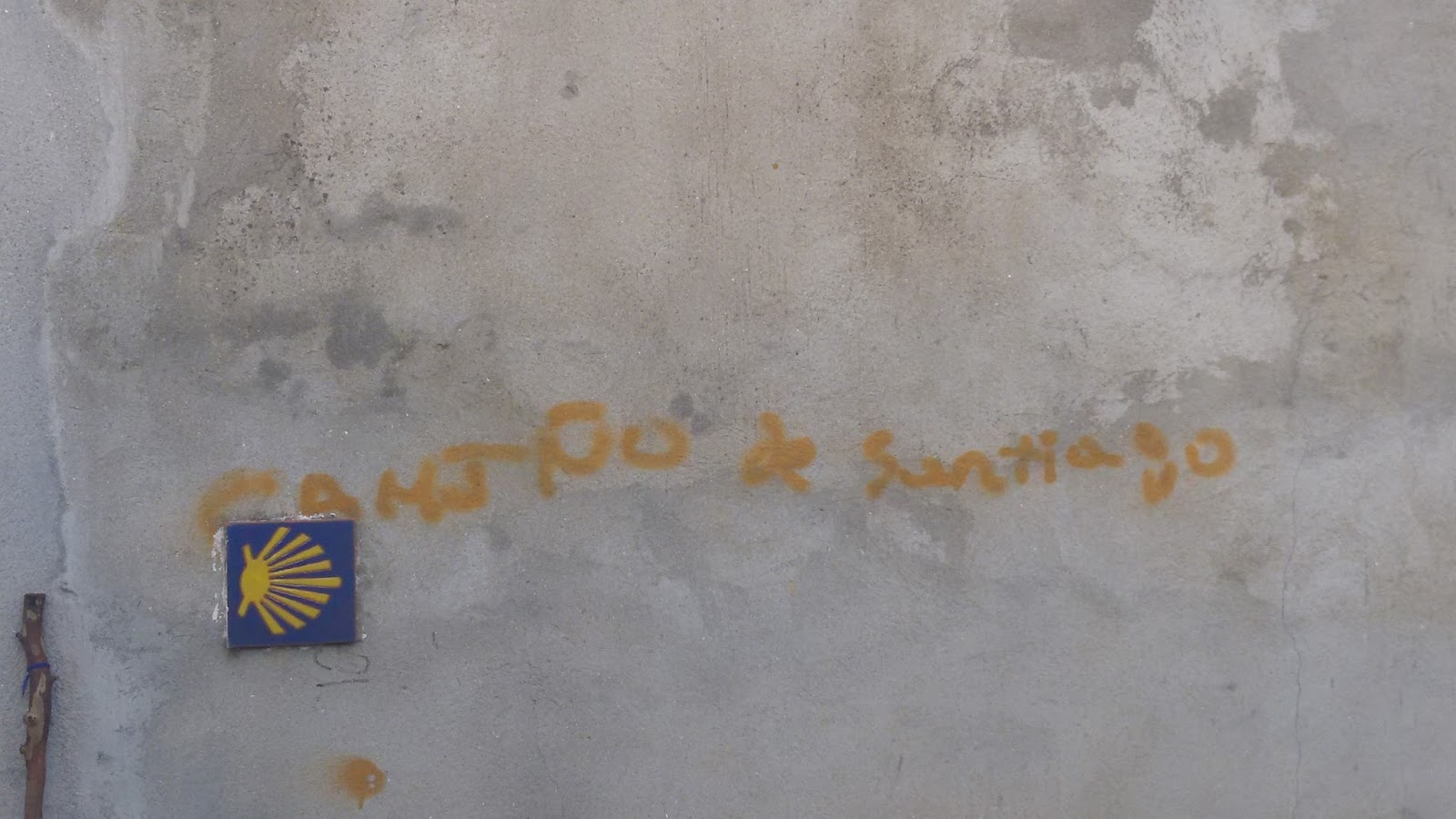
    Yellow arrows, yellow arrows, yellow arrows.
    The path ahead. 
    Sleep that comes without invitation. 
    Absence of thought.
    Peace of 
    single-minded activity. 
    Never boring. 
    Seashells. 
    The way forward. 
    Yellow arrows.

    ***

    The Camino in Short: 

    Walking. Walking in mud, in rain, in grass; on gravel, asphalt, bridges stone, wood, paved; at first light, at last light, under clear skies and into fading sunsets. Waking beneath stars in freezing meadows, waking in a village whose name already evades recollection. Glossy maps, plastic cafe chairs, Spanish words that somehow make sense. Bare feet, dirty feet, tired and sore feet. The same hat every day, always a different flower in it. Yellow arrows, yellow arrows, yellow arrows. The path ahead. Sleep that comes without invitation. Absence of thought. Peace. Single-minded activity. Never boring. Seashells. The way forward. Yellow arrows.

    ***

    About

  • Off to the Camino… Travel Update and See You Later!

    On Sunday, June fifth (yes, that’s tomorrow), I will close my laptop. I will put it on a shelf, and I will not see it again for a month. I will put two pairs of pants, three shirts and a sleeping bag into my backpack, and I will head to San Sebastian in the Northeast of Spain.

    I’ve been waiting for this day for a while now.

    I need a vacation, yes. I need a total break from society—also yes.

    But it’s more than that. It always is.

    The Camino de Santiago has been on my list for awhile now. (It’s not a bucket list. I like to call it my, “Do These Things as Soon as Possible List.”)

    I don’t know why I want to do it, just like I don’t know why I want to travel the Trans-Siberian Railway, ride on horseback across Mongolia or sail the seven seas (all on my list). Except, I know that it calls to me; I know that adventure is my way of searching—of seeking.

    I know that a search need not have an object—that it is the act of searching that matters—sometimes…


    ***

    So, that’s about it. I’m not packing my camera, so I’m sorry to say I may not have many beautiful pictures to show for this trip at the end of the month. I also haven’t decided how much, if at all, I’ll stay connected. I may be updating here over the next month—or I may not. If not, I’ll be back in a month with a whole lot of stories to tell. See you then! 🙂
  • What Makes this Mountain Different from all other Mountains?

    Villa Borghese Gardens, Rome
    Valle Aurelia, Rome, Italy
    This could be any street in any city.
    Mixed-era apartment buildings. Imposing stone architecture at turns. Cobblestones and pavement following no particular logic. Crush of cars and scooters. Cafes. Hairdressers. Passerby dressed in scales of gray.
    So, what makes this different from any other street—any other city?

    ***
    As we made our way along a dry riverbed, through native South African fynbos vegetation, toward a spectacular (but, again, arguably nondescript) stretch of shoreline, my friend put to me a similar question. Not quite verbatim, it was this:

    Most mountains are pretty similar. Most cities are pretty similar. There are trees and rocks and wide sky spaces. There are streets and cafes and passerby in scales of gray. So, what makes these mountains different? If we can go hiking at home, why ever go anywhere else? And if we do go, how do we choose? 

    Why these mountains?

    The question was philosophical in nature. My friend is nearly as avid a traveler as I.
    I would like to offer three answers to these questions—one of which sounds nice, one of which I believe most strongly, and one of which I feel, irrationally, to be true.
    It doesn’t matter which is which.
    First, terroir. Terroir is a French term I fell in love with while studying the anthropology of food. Essentially, it claims that taste is deeply rooted in place—territory. The elements unique to a given locale—water, specific bacteria, culture, human traditions, soil, weather, everything—combine to create the particular circumstances in which a given food item is produced. And we can taste it. While terroir is a culinary concept, I believe it can just as easily apply to cities, landscapes and really anything else.
    Thus, these mountains are made unique by an intangible yet undeniably meaningful agregate of water, culture, air, bacteria, soil, and human idiosyncrasy. 
    Why go anywhere? Terroir.
    Second, intuition. Some part of our deepest self knows where we need to be. It doesn’t make sense, and it can’t be proven, but those who have experienced will swear that the voice of intuition is real—and that it is always right.
    So, how do we know, how do we decide where to go? Instinct.
    Or third, the difference isn’t out there at all. It’s us. The mountains are, more or less, all the same. Trees and rocks and wide sky spaces. The cities, too. We, however, change, and we can understand that change by observing its reflection in the places we visit—or rather our experiences of them.
    What makes these mountains different from all the rest? We do.
    Or, most probably, the answer is some combination of the three.
    What makes these mountains different from any others? Nothing, or precious little. Yet, they will be different, because we will change—always.
    Why go anywhere else? Terroir. 
    And if it’s all the same, how do we possibly decide on one mountain, one city, one street over another? Oh yes, intuition.
    Maybe this could be any street in any city, but it isn’t. It’s this one—the one I’m in. And it is utterly unique, both for its composition of individuals, elements and other intangibles, and for my experience of it, in this particular moment. No other street in any other moment will ever be this. I don’t know why I’m here—and not in another street, city, mountain—but I trust the voice that called me.

  • De-Nile, and other Ugandan States

    Last week, I visited friends in Jinja “Source of the Nile” Uganda and stayed with them at the lodge they manage.
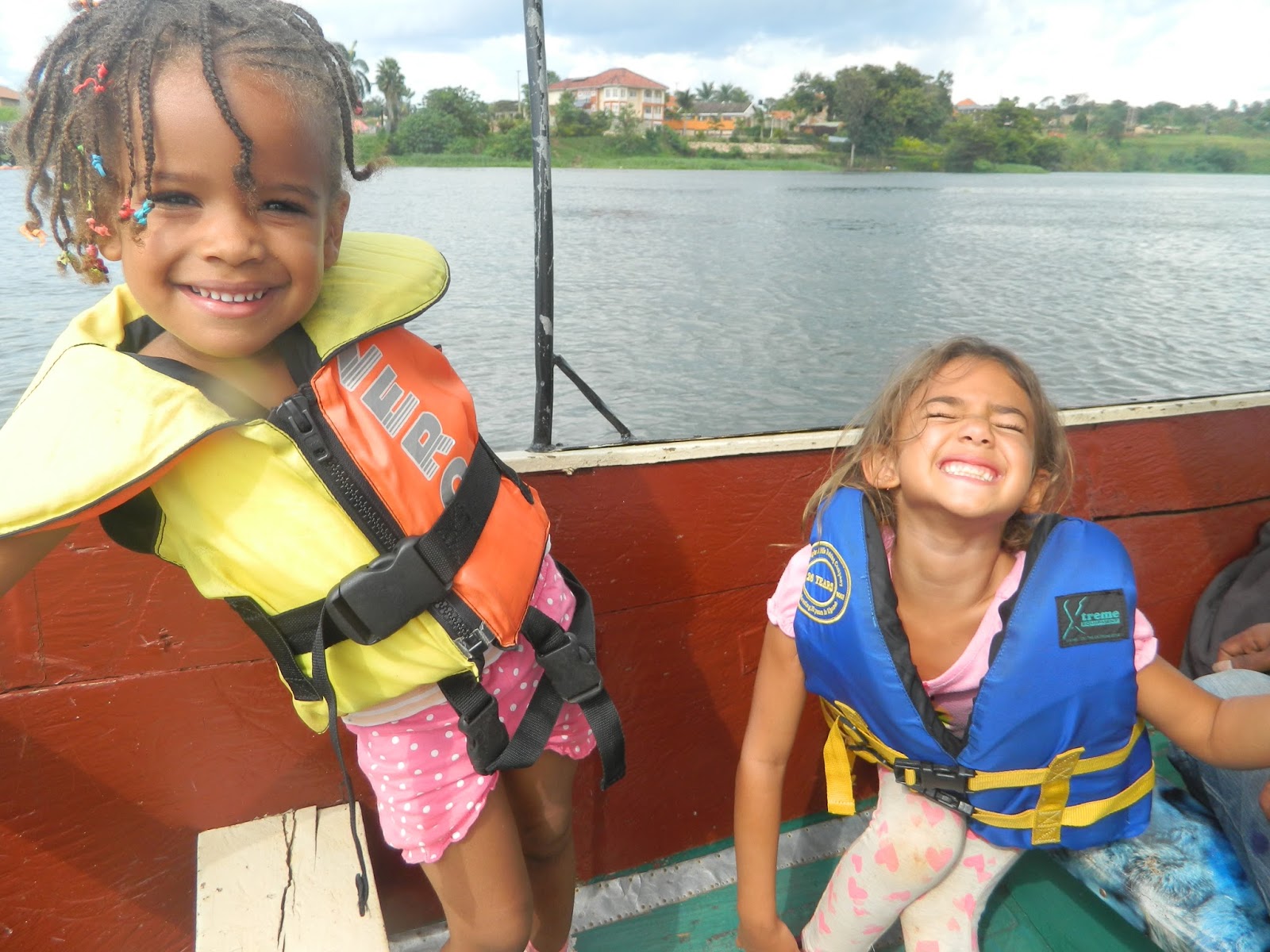
    Between playing sharks and mermaids with their two beautiful children, drinking excessive amounts of African tea laced with ginger, feasting on their restaurant’s famous ribs (had to be a bad Jew for a day before heading to Israel for Passover!), practicing yoga poolside and working full time, there wasn’t much time for sightseeing.
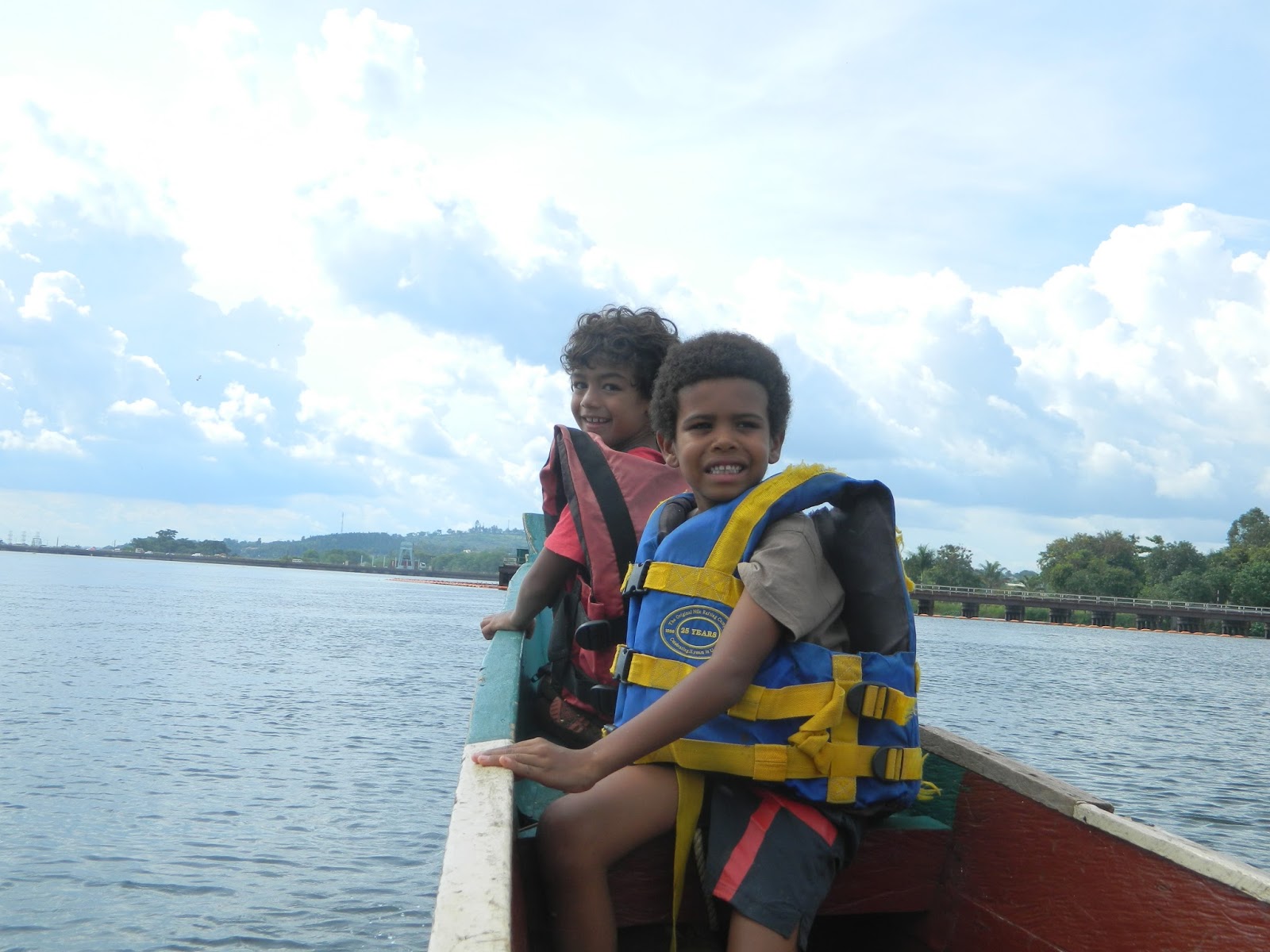
    So, for my last day in town, all of us—plus a few extra kids and friends—hopped on a boat to check out Lake Victoria, some wildlife, and the infamous source of the Nile.

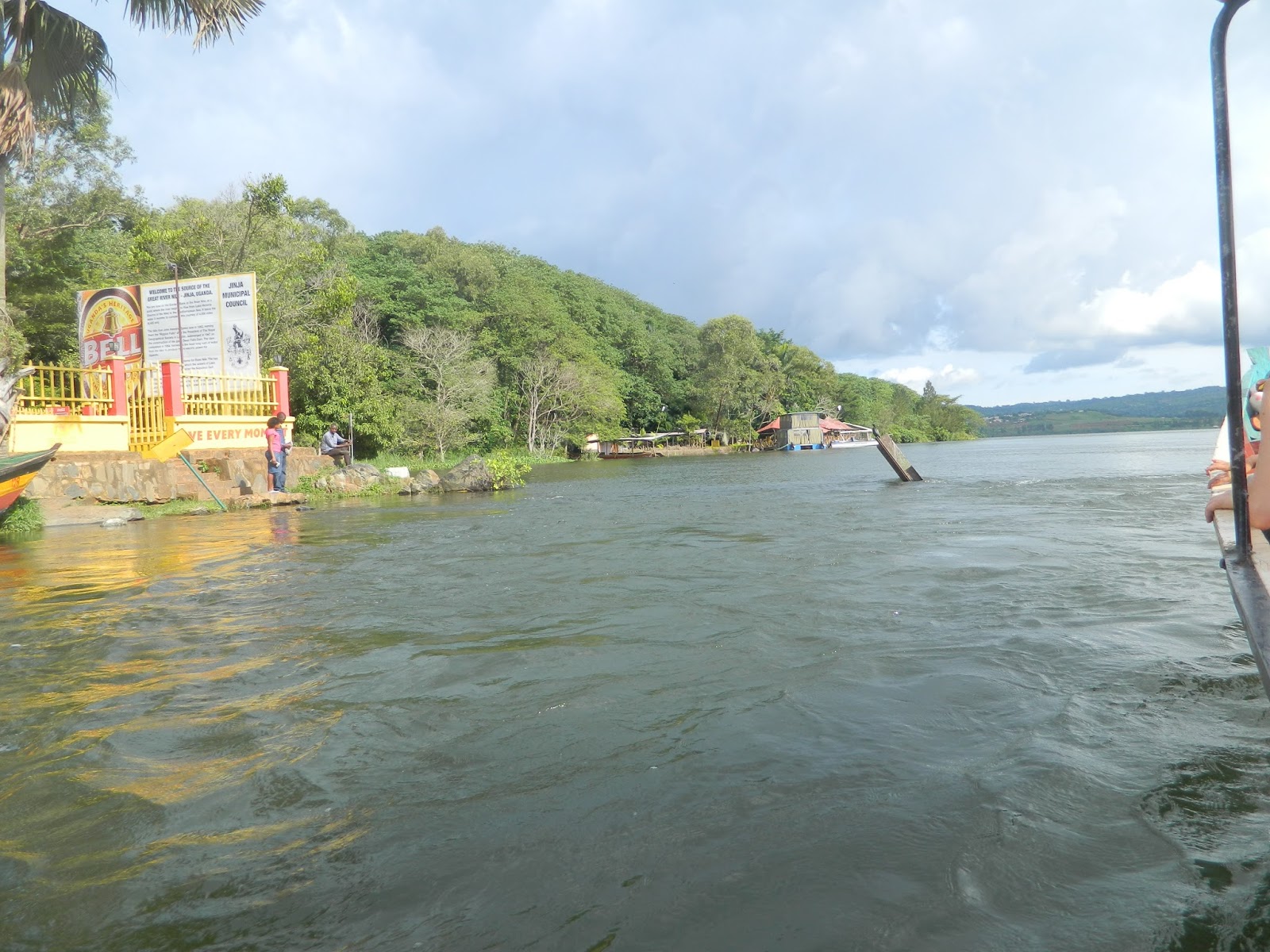
    Jinja lay claim to an impressive 5-meter column of water springing from the river’s start at the edge of Lake Victoria. The world class rapids along this following stretch attracted droves of adventure seeking tourists, fueling an industry of rafting and whitewater kayaking.
    On August 3rd, 1858, an avidly adventurous Englishman named John Hanning Speke “discovered” the source of the Nile, although it wasn’t until after his death that his claims were finally verified. Our guide, however, pointed out the exact spot from which Speke first spotted it.
    A few minuscule drops of rain excepted, it was a perfect afternoon for a boat ride. We observed vibrant-hued kingfishers and bee-eaters, ungainly pelicans and a particularly ugly vulture-type bird whose name I’ve forgotten, monitor lizards, otters and more.
    When we neared the source of the Nile and our gaze followed our guide’s finger between two small Islands, I already knew what to expect:

    The construction of two hydroelectric dams downriver in 2012 quickly turned the wild origins into the Nile into the still lovely—but rather more staid—river that meandered past my tent:

    The full ecological (and economic) implications of this shift remain to be seen.
    In classic irony, we had to run generators at the lodge for nearly two days when the power cut out. (Rumor has it Uganda is selling all that juicy new electricity from the dams to neighboring Kenya.)
    The car ride home hosted a 45-minute game of “I Spy,” in which I participated as a laughing spectator to the shenanigans of three rowdy kids (two small, and one grown up). Back in Entebbe airport in Kampala the following day, I studied a bevy of glossy banners promoting the #PearlOfAfrica’s lush green landscapes, diverse wildlife and smiling inhabitants.

    Juxtaposing those lustrous landscapes and straightforward hashtags, I am struck now—as I so often am—by the depth of the gray space between simple facades and complex realities. Fraught with tensions, ironies, vibrancy and intensity as they are, I’ll always choose the latter.

    ***


  • One Reason I Am in Love with Cape Town

    South Africa—Cape Town included—is a complicated place. 

    It is complex, fraught with tension and not particularly safe. It is fascinating, for this half-anthropologist, half-writer (and 100% curious human being), and it is sad. Cape Town, specifically, is diverse, vibrant, disjointed, anachronistic, cosmopolitan, wild, chilled, cohesive and embattled, all at once.
    It is the kind of city you fall in love with.
    But you could take all that away, and I would still love Cape Town for the simple fact that this natural beauty
    is everywhere.

    Mountains. Lakes. Oceans. Rivers.
    Sparkling cobalt water,
    An ecosystem like nowhere else in the world, and more hikes than I could possibly cover in 3 months of weekends,
    All literally within the city.
    No adjectives could do these mountains justice, but they are enough to steal your heart.
    ***

  • Other Words for Turquoise

    Over the last week, I have been struggling to find other words for what has always been one of my favorite colors: turquoise.
    As I help to write new website content for a Zanzibari hotel, and as I research other accommodations in the industry, I am struck by the dearth of alternatives. Hundreds of hotels, lodges, hostels and villas, and all any of us can come up with is, “the warm, turquoise waters of the Indian Ocean.”
    Really? I mean, I love turquoise—the color, the word, the evocative sound of it—but there must be more creative ways to describe this coast.
    The following words are officially out, for overuse: stunning; warm; turquoise; aquamarine; tropical blue; island blue; exquisite.
    Not to say the Indian Ocean isn’t all of those things… only, words begin to seem trite when used in such limited permutations.
    The ocean here is truly a bevy of hues, none of them simply blue. When the tide is out, there is a short stretch of water a few shades lighter than teal, then a wide bay of deep and surprising periwinkle, tapering into indigo at the meeting point with the sky—azure fading to white. Throughout this vocabulary test of colors emerge hints of sea green (a color none can replicate, it is mined from the ocean depths to fill a gap between green and blue). And at the border between every pair lie colors without names, achingly beautiful blues never seen before that moment and never to appear again.
    Everything changes with the sun, of course. In the rain, add a few shades of grey to every hue. In full sun, the color at the horizon brightens to sparkling sapphire. The faraway depths become a cobalt seasoned by saltwater. The shallows at high tide almost insist upon the label of “turquoise,” yet if you look very closely you will find each and every shade from the imperfect white of the surf to the navy-black of the shadows. And in-between, a spectrum of blues, named and unnamed, which, lacking more and better words, we call turquoise.
    Are there other words for turquoise? Undoubtedly. Can any one of them truly describe the explosion of color that laps at these shores? Unlikely.

    And so, I am back where I began, watching the warm, turquoise waters of the Indian Ocean recede with the tide. Any other words I chose would be equally insufficient.
    Bonus: Massive double rainbow spotted last week!
  • Sometimes We Don’t Take Pictures: Camping on the Beach and Other Undocumented Adventures

    Greetings from Tanzania!

    In the week since I returned from the U.S., I have not taken a single photograph.
    In that time, we have spent five days camping on the deserted Tiwi Beach south of Mombasa, two days exploring Mombasa—one of them very soggy–and one day on a very long bus ride to Dar Es Salaam, Tanzania.
    At low tide in Tiwi, a treacherous trail through sea urchin mines and slippery pathways of rock led to two wide, deep tidal pools, called Africa Pool and Australia Pool respectively. Africa Pool had a shape remarkably reminiscent of the African continent… Australia Pool less so.
    The pools receded into the overhanging cliffs, and in these dimly lit recesses I could float on my back staring up at a small patch of blue sky revealed by a hole in the stone ceiling. Roots and vines and glimpses of the greenery overhead trailed from the opening, and bright sun, too, at the right time of day.
    One of these caves echoed with the calls of kingfishers and the steady sound of water dripping from pockets collected at high tide. Magic. With goggles, I could explore the meter-high seaweed at the edges of the pools and try to follow the paths of schools of fish—yellow and black striped, iridescent gray with a black line along the top—and observe the forbidding stillness of sea urchins.
    The journey, though only 10 or 15 minutes from camp, felt like an enormous expedition due to the various perils along the way. The sandy beach by our tents (we had joined two friends already there) felt like home when I returned.
    As I floated in the tidal pools watching the clouds pass and the water ripple, I couldn’t help but wish I had brought my camera with me—though how I would have managed it in the pools (water well above my head in places) is beyond me. What lovely pictures I could have taken and shared with all of you.
    Mombasa, gray and narrow upon our rain-soaked arrival, looked far more appealing the following day in the sun. Old Town proffered windows into other eras: curio shops, mosques, cafes and old architecture nestled into every alleyway, a sea view always just minutes away by foot.
    Again, I left my camera at the guest house—and perhaps even had I brought it could not have taken pictures for fear of theft or unwanted attention—and found myself observing picturesque doors and street-fronts longingly. If only I could capture this fascinating swirl of urban culture and take it home with me.
    Finally, the 12-hour bus ride to Tanzania… I was probably awake for half of it. I alternately dozed and gazed out the window, watching the landscape change. As I daydreamt, the earth grew redder; the trees thicker, and the sea more distant and, finally, out of sight altogether. The women I watched on the side of the road when we stopped wore different styles of clothing—some shoulders bare, more and brighter colored fabrics, and somehow more “African” to my eyes.
    Snacks available at rest stops—offered in baskets held up to the high bus windows—shifted too. Plantain chips appeared, mishkaki (skewers of barbecued meat) became more seasoned, and exchange rates grew by a factor of 20.
    As we rocked and bounced and sped along the road to Dar Es Salaam, I felt the old, familiar feeling of excitement return to my gut. 
    New country. New city. New adventure.
    I would have loved to document this leg of our journey. The doorway to a new chapter. The doorway to Dar Es Salaam, House of Peace.
    I did not, however, photograph any of it.
    Typically, I take pictures on designated days during a long trip, opting to leave my camera at home the rest of the time. This choice results in some odd collections of photos—a hundred pictures of Angkor Wat, and none of Phnom Penh; fifty photos of Kilifi Beach, and none of Tiwi—but I prefer it to constantly watching the world through a viewfinder, which I find hugely alters my experience.
    Sometimes, I don’t take pictures. 
    Sometimes, I just travel. For a travel writer, that’s a hard choice to make. It limits how I can record and share my experiences with others. It limits how I can record my travels for myself, restricting me to journal writing, or worse, the incomplete caprice of memory.
    Still, I think most who travel reach a certain point—once or twice, or on a regular basis—where a camera becomes an unwelcome companion.
    We then can choose to bring it along anyways and bear the burden, or we can leave it behind for a day, a week or a month. We might regret the choice later on, when left with no means for capturing the most amazing view, most engaging face, most extraordinary sunset, or we might thank ourselves for creating this space to simply enjoy, imbibe, and, quite possibly, forget.
    Sometimes we don’t take pictures, and we have “nothing” to show for our journey. No evidence. No documentation. No justification.
    And you know what? It’s okay.
    It’s okay if we forget the view from an epic bus ride, the sunset on a remote island, or the face of the old woman we bought vegetables from every day for a week. It’s okay, and it’s even natural, I’d argue. We don’t have to remember every detail, carefully wrapped and preserved in slideshow form.
    I think experiences are most valuable not for the memories they bestow us, but for the subtle changes they initiate within our minds. These we cannot photograph, anyways.
    And so sometimes I don’t take pictures, and all I have to offer are these words.
    ***
  • Before the Rains

    ***
    We are at the very edge of the rainy season here in Kenya… This is what it feels like. (All photos taken yesterday at the Gede Ruins and nearby beach in Watamu.)

    ***

    Before the rains come, the air grows thick—
    Cough syrup thick
    Wool hat thick
    Toffee thick—
    and clings to me like an extra layer of skin.

    The heat becomes heavy—
    Oppressive like chains
    Lethargic like city traffic in the summertime
    Slow like the honey melting of sunset—
    Fattening itself on the waterless days, weeks and months.

    Before the rains come, the animals appear—
    One by one
    Two by two—
    Frogs and lizards, ants and spiders, and all manner of creatures seek shelter,
    Dragging the storms behind them.

    Palm fronds and mangrove branches sigh a warning in the waning breeze:
    The rains will come
    The skies will clear
    The world will turn to water overnight.
    These are the rains in which some civilizations have crumbled and others have risen, they murmur.

    Before the rains come, the clouds gather to promise change—
    Air thick like honey
    Heat heavy like wool—

    We hold our breath to hear them, hovering in wait for the gift of a new season.
    ***
  • Kilifi in Words


    [“Kilifi in Pictures” coming soon!]

    I have been in Kilifi, Kenya now for over 3 weeks. I think some (word) snapshots are overdue…

    Kilifi lies 3.6 degrees south of the equator on the north coast of Kenya. Despite what the U.S. and other governments would have you think, most of the coast here is very safe and very calm—even though it is majority Muslim (Sarcasm. Please catch the sarcasm.)—statistically much safer than Nairobi.

    Sunrise and sunset both occur sometime around seven o’clock. I only seem to hear the call to prayer at four in the afternoon, though I know it happens five times a day. Most mornings at seven an outraged cacophony of clucking erupts from one of the bird pens; the dogs, too, rise to a frenzy at the taunting of crows.

    The roots of mangroves along Kilifi Creek are as so many riddles, twisted mysteries temporarily revealed at low tide. The crabs seem at home there in their world of slick sideways and salt-cured dark.

    The water is brine-y and calm. Everything about Kilifi, in fact, seems quieter than Diani. The dogs more mellow; the beach less windy; the locals who spend time there less aggressive. The Distant Relatives Ecolodge is a lush experiment in permaculture and sustainability. Sawdust composting toilets and resident chickens immediately show that this is not your typical backpackers.

    The fingers of my right hand sport small gashes from my daily work on a recycled glass mosaic on the outdoor pizza oven. Tired of smashing glass and working with cement, I will switch to painting an indoor mural tomorrow.

    Pineapple juice drips down my arms as I lounge on Musafir’s (a traditional Arabic/Swahili ship) unfinished deck. A volunteer sings in Italian as he empties buckets of water overboard—a twice-weekly task, as cotton fills the gaps between boards. We are far enough from shore that no flies would dream of making the journey out. The tide rises, approaching the roots of the first mangrove trees on shore.

    I come to the beach often to write, resting in the welcoming arms of one of the trees. Kilifi inspires peace and creativity, movement and poetry… that, I believe, is plenty.

    ***
  • That Sand in your Toes Feeling

    Today was a gorgeous day at Diani Beach. For the first time in a long time, I felt poetry pushing at my fingertips. I hope it will transport you to where I am, if just for a moment…

    ~


    You know that feeling
    of sand slipping between
    your toes
    like silk ribbons,
    so soft and yielding
    you could almost
    sink your heels to the center
    of the earth?
    Take my hand,
    and follow me there.
    Kick off your shoes here—
    Yes, here at the edge—
    you won’t need them.
    Squint a little
    against the glare—
    white white sand too bright
    to look at.
    There.
    Where the sand forms
    miniature dunes
    in the shifting wind.
    Before the damp, packed
    floor of high tide.
    Just there—
    Try on a pair of sand slippers
    for size.
    Material so fine
    it will hug every millimeter
    of your toenails
    and soothe your soles
    like nothing before.
    Dig deeper,
    and feel the cool gasp
    of another layer,
    untouched by the sun.
    Drink the salt breeze
    in your hair.
    Stay as long as you like.
    Watch the waves carry
    blown glass jellyfish
    and green sea tangle
    In and away.
    When you’re ready,
    brush off your feet with
    sandpaper fingers,
    and put your shoes back on.
    Shade your eyes
    for one last look
    at that sand between your toes feeling.
    ~
  • Waiting For The Invisible, Part III

    I think I could write about autumn forever. Something about this turning of the season insists on words. I would like to complete the series I began at the start of the summer, ‘Waiting for the Invisible’ (though who knows, there may be more to come), on the process of planting and growing and mostly waiting…

    The invisible has made itself known in a brilliant display of flowering trees, fruit-bearing plants, and a startling array of greens. Now, so soon, it begins again to slip beneath the Earth’s surface. Exuberant vines shrink and fade to brown; trees begin to shake themselves free of their leaves, laying a blanket down upon their roots; and the flowers drop their petals and turn inward, arming themselves against the coming cold.
    Though we still have hot, Indian Summer days like today, which bewilder us with the promise of a winter-less year, the brisk nights and turning leaves belie the charade. Autumn lurks in the corners, and at her heels, Winter.
    As the summer picked up, gardening mostly lost out to other, more insistent commitments in my week. The weeding got away from me, until I could no longer where the paths had once lain. My cucumbers foundered in poor soil, and the squash—I forgot to check the squash, so I don’t know…
    You could say I forgot to wait for the invisible to fully unveil, and like an unwatched pot, summer came to a boil while my back was turned, my attention elsewhere.
    Soon, a crackling carpet of brown will cover the evidence. The lively communities that kept me company these past months will settle once more to a nearly inaudible hum underground. The creature who rummages each night in the compost pile will go into hibernation (or maybe not… I can’t be sure since I don’t know what he is, or if his kind hibernates!).
    The invisible, irrepressible clamor of life and green and growth will have come and gone, and I don’t know that I will be any the wiser for the waiting.

    But I will remember its exuberance. I will know, next time, that whether I wait and watch or not, heeded or not, the invisible will wake and unfurl and rise again.
    ~